menu

Winter Roof Maintenance Tips in Nashville – Protect Your Investment Before Ice and Freeze-Thaw Cycles Strike

Prepare your roof for Nashville's unpredictable winter weather with expert cold weather roofing upkeep strategies that prevent ice dam formation, water intrusion, and costly freeze-thaw damage before the first hard frost arrives.

Slider Image 1
Slider Image 2
Slider Image 3
Slider Image 4
Slider Image 5
Slider Image 7
Slider Image 8
Slider Image 9
Slider Image 10
Slider Image 11

Why Nashville's Winter Weather Demands Proactive Roof Preparation

Nashville winters are deceptive. You face fluctuating temperatures that swing from freezing overnight to 50 degrees by noon. This freeze-thaw cycle creates constant expansion and contraction in your roofing materials. Water seeps into micro-cracks during the day, freezes overnight, and expands with enough force to split shingles and compromise flashing integrity.

The city's high humidity compounds this problem. Moisture sits in roof valleys and around chimneys longer than in drier climates. When temperatures drop, that moisture freezes and creates ice dams along eaves and in gutters. These dams force water backward under shingles, leading to interior leaks that show up weeks after the damage starts.

Your winter roof care guide must account for Nashville's specific challenges. The clay soil common throughout Davidson County shifts with moisture changes, which can stress roof structures and create gaps where wind-driven rain enters. Homes in East Nashville and Germantown with older architectural styles face additional vulnerability because original flashing systems were not designed for modern weather extremes.

Preparing your roof for winter in this region means addressing vulnerabilities before the first ice event. A roof maintenance checklist for winter should prioritize drainage system integrity, flashing inspections around penetrations, and shingle condition assessment. The goal is eliminating entry points for moisture before freeze-thaw cycles turn minor issues into emergency repairs.

Winterizing your roof is not optional in Nashville. It is preventive protection against predictable climate patterns that destroy unprepared roofing systems every season.

Why Nashville's Winter Weather Demands Proactive Roof Preparation
The Technical Approach to Cold Weather Roofing Upkeep

The Technical Approach to Cold Weather Roofing Upkeep

Effective winter roof preparation starts with thermal imaging inspections. We scan your entire roof surface to identify heat loss patterns that indicate insulation failures or ventilation problems. Poor attic ventilation creates warm spots that melt snow unevenly, which feeds ice dam formation. This diagnostic step reveals problems invisible from ground level.

Next, we focus on flashing integrity. The metal barriers around chimneys, skylights, and roof-to-wall transitions are your first defense against water intrusion. We inspect for rust-through, separated sealant beads, and improper installation angles. In Nashville's humid environment, even small flashing gaps allow condensation accumulation that freezes and expands overnight.

Your gutter system receives dedicated attention during winterizing. We confirm proper slope for drainage, remove organic debris that holds moisture, and verify downspouts discharge at least six feet from foundation walls. Clogged gutters create standing water that freezes, adding hundreds of pounds of ice weight to fascia boards not designed for that load.

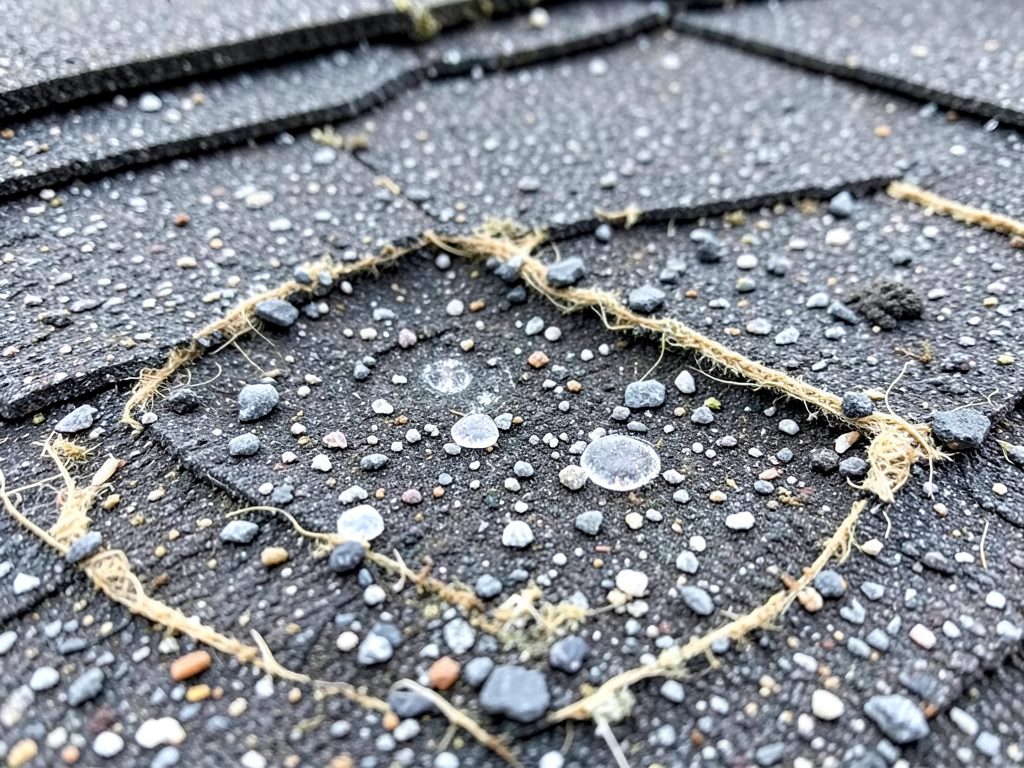
Shingle condition assessment examines granule loss, curling edges, and brittleness. Asphalt shingles become inflexible in cold weather. If they are already compromised by UV damage or age, freeze-thaw cycles will accelerate failure. We identify shingles that need replacement before winter stress causes blow-offs during wind events.

Attic ventilation balance is the final technical element. You need equal intake at soffits and exhaust at ridge vents to maintain consistent temperatures across the roof deck. This prevents the temperature differentials that cause ice damming and condensation damage.

Titan Roofing Nashville applies this systematic approach because generic maintenance misses the climate-specific vulnerabilities that cause winter roof failures in this region.

How We Winterize Your Roof System

Winter Roof Maintenance Tips in Nashville – Protect Your Investment Before Ice and Freeze-Thaw Cycles Strike
01

Complete Roof Inspection

We begin with a full structural assessment from ridge to eaves. Our team examines every penetration, transition, and potential moisture entry point. We document shingle condition, flashing integrity, and ventilation performance. You receive a detailed report identifying vulnerabilities specific to your roof geometry and exposure. This inspection establishes your baseline condition before winter weather arrives.
02

Critical Repairs and Upgrades

We address identified issues before freezing temperatures arrive. This includes replacing damaged flashing, resealing penetrations with cold-weather compatible compounds, clearing drainage systems, and upgrading ventilation where needed. We prioritize repairs that prevent water intrusion and ice dam formation. Each fix is performed to withstand Nashville's freeze-thaw cycles and humidity levels throughout the winter months.
03

Winter Monitoring Protocol

After preparation work completes, we establish a monitoring schedule for your roof system. You receive guidance on warning signs to watch for during winter weather events. We remain available for post-storm inspections if ice damming or wind damage occurs. This ongoing support ensures your winterized roof performs as designed through the entire cold season and catches emerging issues before they escalate.

Why Nashville Homeowners Trust Local Roofing Expertise

Nashville's building codes have specific requirements for roof ventilation ratios and ice dam prevention in residential construction. Contractors unfamiliar with Metro Development and Housing Agency standards often miss these requirements during maintenance work. We stay current with local code updates and apply them to every winter preparation project.

Our familiarity with Nashville's architectural diversity matters. A ranch home in Donelson has different winterization needs than a Victorian in Edgefield. We understand how roof pitch, orientation, and surrounding tree coverage affect winter performance in specific neighborhoods. This local knowledge prevents the one-size-fits-all approach that leaves homes vulnerable.

We have worked through enough Nashville winters to recognize patterns. We know the Green Hills area experiences different freeze-thaw intensity than homes near Old Hickory Lake. We understand how the urban heat island effect in downtown affects snow melt rates compared to suburban areas. This geographical awareness shapes our preparation recommendations.

Material selection for winter repairs reflects local climate realities. The sealants and flashing materials that work in Phoenix fail in Nashville's humidity. We use products rated for high-moisture, freeze-thaw environments because we have seen what happens when contractors use inappropriate materials.

Titan Roofing Nashville maintains relationships with local suppliers who stock cold-weather roofing materials year-round. When you need emergency flashing replacement in January, we can source materials immediately instead of waiting for special orders. This supply chain advantage means faster protection when winter damage occurs.

You benefit from our investment in this community. We respond to winter roof emergencies because we live here too. Our reputation depends on how well your roof performs through the next ice storm.

What Your Winter Roof Preparation Includes

Inspection Timing and Access

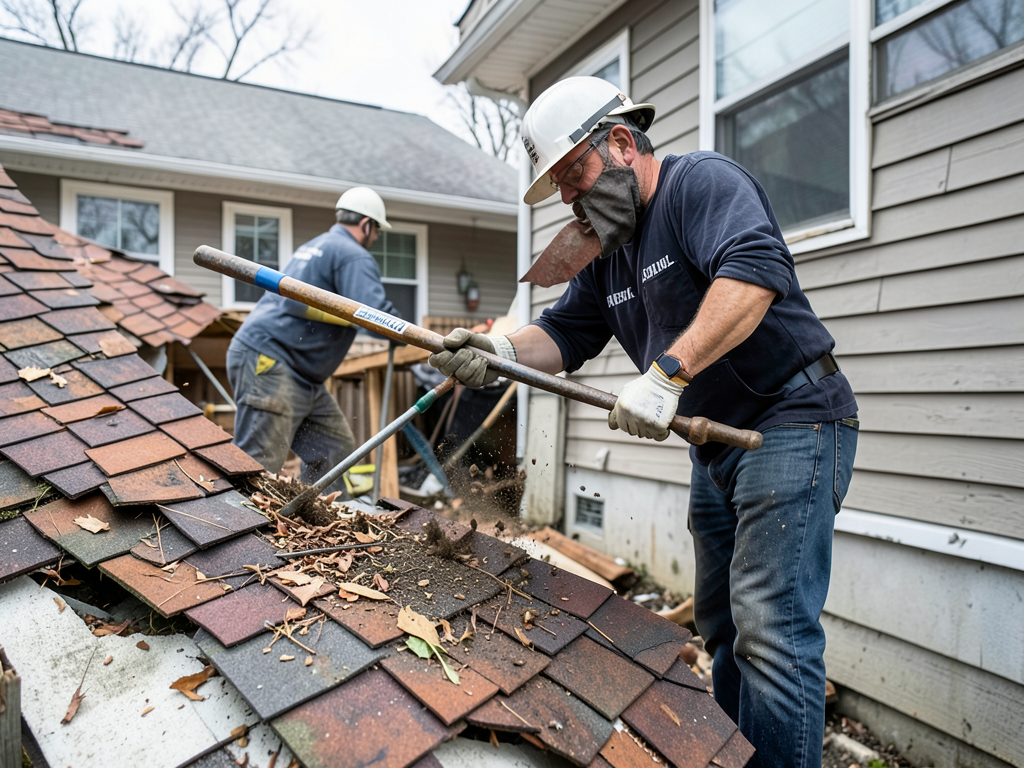
Most winter roof preparations take four to six hours depending on roof size and complexity. We schedule inspections during dry weather with temperatures above 40 degrees to ensure sealants cure properly. You receive same-week scheduling during fall months when demand is highest. We work from ladders and roof jacks to minimize disruption to your landscaping and daily routine. Our team photographs all problem areas and provides a digital inspection report within 24 hours of completion.

Comprehensive Assessment Process

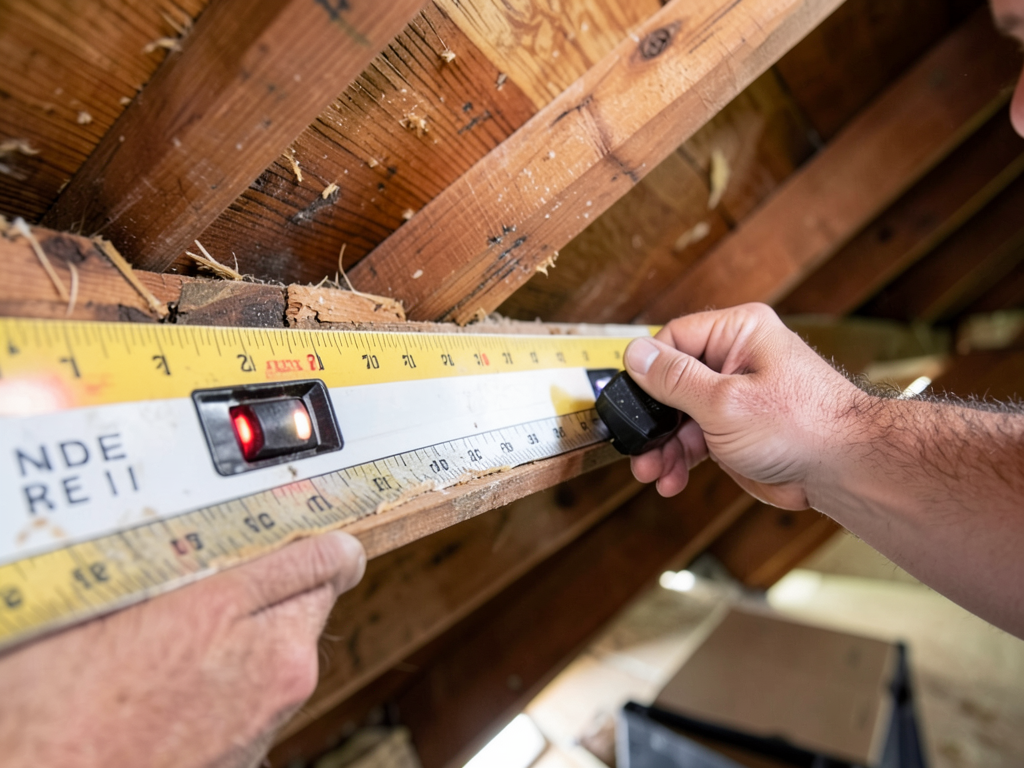
Your consultation begins with attic ventilation analysis and insulation inspection. We measure temperature differentials and airflow patterns that contribute to ice dam risk. On the roof surface, we test shingle flexibility, examine flashing sealant condition, and verify proper overlap at all transitions. Gutter systems receive hands-on debris removal and slope verification. We identify tree limbs that pose winter damage risk and recommend trimming priorities. You learn exactly which components need immediate attention and which can wait until spring.

Winter-Ready Roof Performance

After winterization, your roof sheds water efficiently even during freeze-thaw cycles. Improved ventilation maintains consistent attic temperatures that prevent ice dam formation. Sealed flashing keeps wind-driven rain from penetrating around chimneys and skylights. Clean gutters channel meltwater away from fascia boards and foundation walls. You gain confidence that your roof will handle whatever Nashville winter delivers. The preparation work eliminates the anxiety of wondering whether every temperature drop will cause a leak.

Post-Winter Support and Inspection

We offer spring follow-up inspections to assess how your roof performed through winter. This service identifies any damage from ice accumulation or wind events that occurred despite preparation efforts. You receive documentation of winter wear patterns that inform future maintenance schedules. Our maintenance plans include annual fall winterization to keep your roof in optimal condition year after year. We maintain detailed service records for your property to track component aging and replacement timing.

Frequently Asked Questions

You Have Questions,
We Have Answers

How to prepare your roof for winter? +

Start by clearing gutters and downspouts of leaves and debris to prevent ice dams during Nashville's freeze-thaw cycles. Inspect shingles for cracks, curling, or missing pieces. Check flashing around chimneys and vents for gaps where water can seep in. Trim overhanging branches that could drop ice or snow onto your roof. Look for signs of moss or algae growth, common in Middle Tennessee's humid climate. Inspect your attic for proper ventilation and insulation to prevent heat loss. Schedule a professional inspection to catch issues before winter weather hits. Address small repairs now to avoid emergency calls during freezing temperatures.

What can I sprinkle on my roof to prevent moss? +

Zinc sulfate strips work best for moss prevention on Nashville roofs. Install them along the ridge line, and rainwater will wash zinc particles down, inhibiting moss growth. You can also apply a diluted bleach solution, but this requires reapplication and can damage plants below. Copper sulfate is another option, though less common. Nashville's humidity and tree cover create ideal moss conditions, so prevention beats removal. Do not use pressure washers, as they damage shingles. For established moss, hire a professional to apply specialized treatments that won't void your warranty or harm the roof membrane underneath.

What do roofers do for work in the winter? +

Roofers in Nashville stay busy with emergency repairs from winter storms, ice damage, and wind-blown debris. They handle insurance claims, inspect attics for ventilation issues, and complete interior work like decking replacement when weather permits. Many focus on maintenance contracts, clearing gutters, and sealing leaks before conditions worsen. On dry, mild days above 40 degrees, they install shingles or complete projects started in fall. Winter is prime time for planning spring replacements and conducting thorough inspections. Commercial roofing projects often continue year-round with tarping and temporary protection. Emergency tarping and board-ups keep crews working through freezing temperatures.

What temperature is too cold for roofing? +

Most shingle manufacturers require temperatures above 40 degrees Fahrenheit for installation. Below this, asphalt shingles become brittle and the adhesive strips won't seal properly. Nashville's winter temperatures fluctuate, so roofers watch forecasts closely for installation windows. Emergency repairs happen at any temperature using specialized techniques like hand-sealing shingles and tarping. Metal roofing can be installed in colder weather since it doesn't rely on thermal sealing. For best results, schedule major roof work between March and November in Middle Tennessee. Winter installations carry higher risk of improper sealing, leading to wind damage and leaks down the road.

Should I insulate the underside of my roof? +

Yes, insulating your attic floor is more effective than the roof underside for Nashville homes. Proper attic insulation prevents heat loss, reduces energy bills, and stops ice dams from forming. The attic should stay cold in winter to match outside temperatures. Insulating the roof deck itself only makes sense for cathedral ceilings or if you're converting attic space to living area. Aim for R-38 to R-49 insulation value in Middle Tennessee. Combine insulation with proper ventilation through soffit and ridge vents. Without ventilation, trapped moisture leads to mold and wood rot. A professional energy audit identifies the right approach for your specific roof structure.

Can I apply roof Maxx myself? +

Roof Maxx requires professional application. The product uses specialized spray equipment to penetrate shingles evenly and safely. DIY application voids the manufacturer's warranty and risks uneven coverage, leading to inconsistent results. The process involves roof cleaning, surface preparation, and precise application rates that untrained homeowners can't replicate. Nashville's climate requires exact product ratios for proper absorption. Licensed applicators carry insurance for roof access and potential damage. They also assess whether your shingles are good candidates for rejuvenation or need replacement. Improper application wastes money and can accelerate shingle deterioration. Save yourself the liability and hire certified professionals for this treatment.

How Nashville's Freeze-Thaw Cycles Accelerate Roof Deterioration

Nashville experiences an average of 60 freeze-thaw cycles per winter season. This constant temperature fluctuation across the freezing point creates unique stress on roofing materials. Water absorbed into small cracks during 50-degree afternoons expands by nine percent when it freezes overnight. This expansion force exceeds the tensile strength of most roofing sealants and can separate shingle tabs from underlying layers. Homes in Bellevue and West Meade see particularly severe freeze-thaw damage because elevation changes create microclimates with more frequent temperature swings. Proper winterizing addresses this cycle by eliminating moisture entry points before expansion forces cause structural damage.

Nashville roofing contractors who understand local conditions recognize that humidity control is as important as temperature management during winter preparation. The Tennessee Valley's moisture-rich air means attic condensation forms more readily than in drier regions. This condensation freezes on cold roof decking and creates hidden ice accumulation that homeowners never see until water stains appear on ceilings. Local building science experts recommend specific ventilation ratios for Middle Tennessee homes that differ from national standards. Titan Roofing Nashville applies these regional best practices because we have tracked winter roof performance data across hundreds of Davidson County homes through multiple seasons.
Roofing Services in The Nashville Area

Titan Roofing Nashville is proud to serve the entire Nashville area, including surrounding communities. View our location on the map to see where our trusted services are available. We are dedicated to providing prompt, localized roofing solutions, so reach out today to confirm service in your specific neighborhood or to schedule an on-site consultation at your convenience.

Address:
Titan Roofing Nashville, 720 Music Cir E, Nashville, TN, 37203

Additional Services We Offer

Our news updates

Latest Articles & News from The Blogs

The Dangers of Leaving Old Satellite Dishes Bolted to Your Roof in Berry Hill Old satellite dishes bolted to your…

The Dangers of Leaving Old Satellite Dishes Bolted to Your Roof in Berry Hill

The Dangers of Leaving Old Satellite Dishes Bolted to Your Roof in Berry Hill Old satellite dishes bolted to your…

How to Safely Inspect Your Roof for Damage Using Just a Pair of Binoculars

The Safe Way to Inspect Your Nashville Roof: A Homeowner’s Guide Living in Nashville means your roof faces intense spring…

Creative Ways to Use Your Flat Roof for an Outdoor Living Area in 12 South

Creative Ways to Use Your Flat Roof for an Outdoor Living Area in 12 South Living in 12 South means…

Contact Us

Protect your home before winter weather arrives. Call Titan Roofing Nashville at (615) 640-4994 to schedule your comprehensive roof winterization. Our team will identify vulnerabilities and complete protective measures before the next freeze-thaw cycle causes damage. Do not wait until you see leaks.