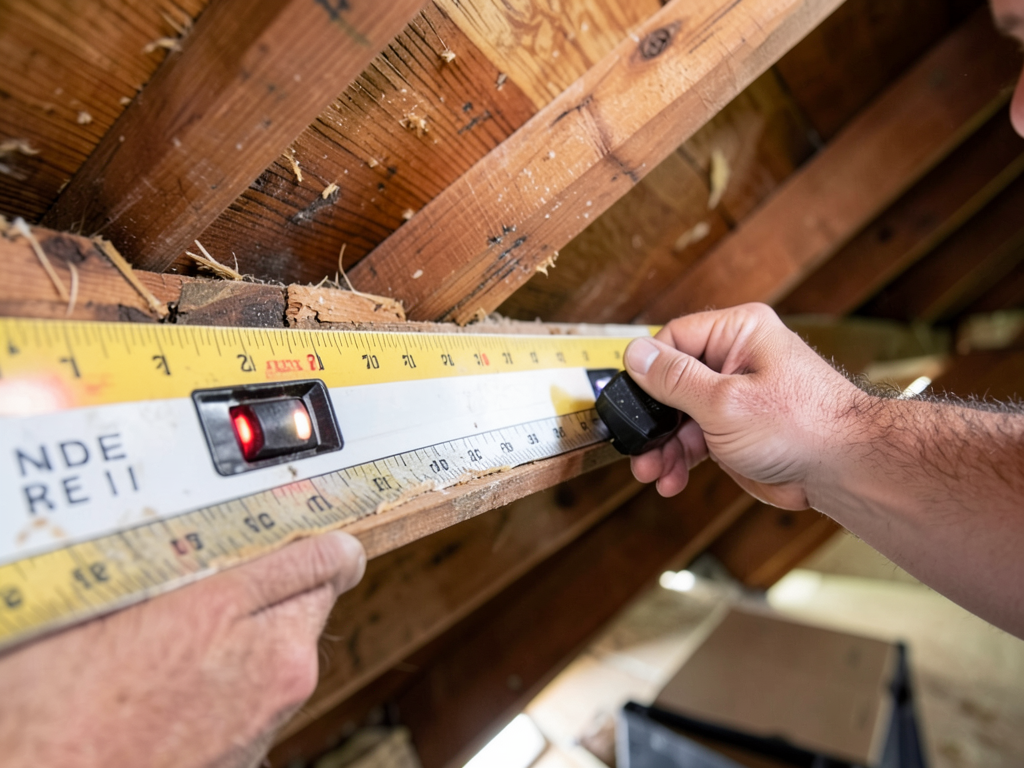
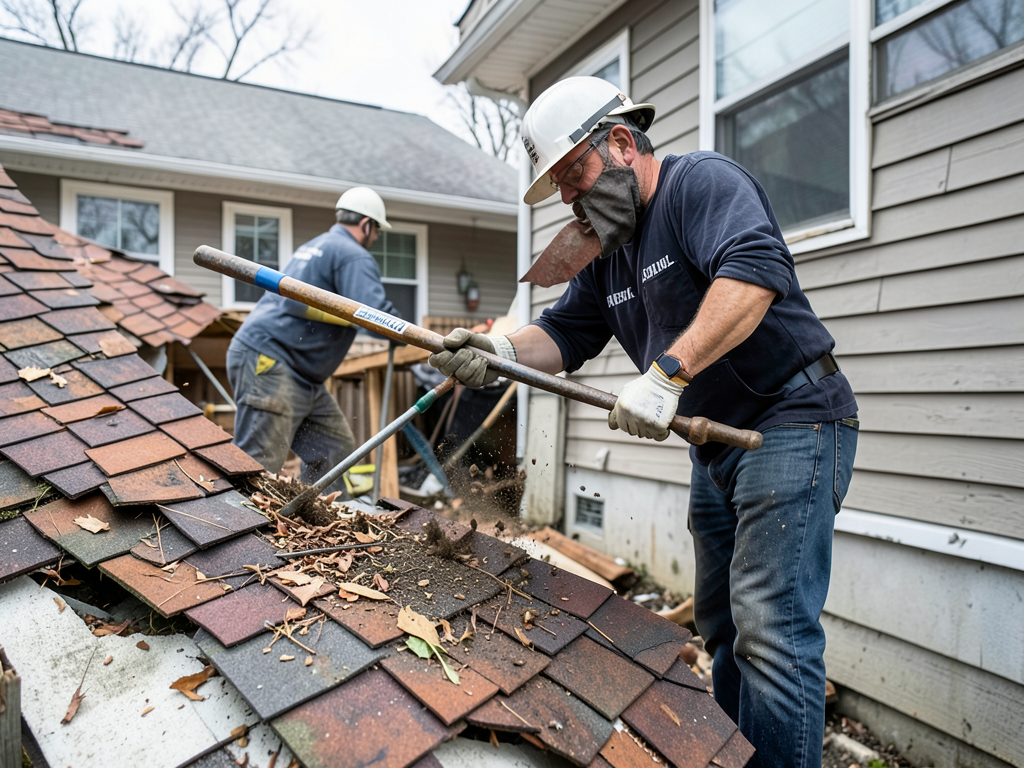
Nashville receives 47 inches of annual rainfall with severe thunderstorms concentrated in spring months. Commercial properties with low-slope roofs face water accumulation that residential pitched roofs shed naturally. The city sits in a zone where straight-line winds during severe weather regularly exceed 60 mph, stressing mechanical attachments and lifting membrane edges. Commercial roofing contractors must account for these wind loads when specifying fastener spacing and edge termination details. Winter ice dams form on north-facing sections where inadequate insulation creates temperature differentials. These conditions require drainage design and material selection that generic specifications do not address.
Metro Nashville requires commercial roof permits for projects exceeding basic repairs, and inspectors verify that installations meet current energy codes and fire ratings. Local commercial roofing companies familiar with these requirements streamline the approval process and avoid failed inspections that delay occupancy. Nashville's commercial real estate market values properties with documented roof maintenance and recent upgrades. When you sell or refinance, buyers and lenders request roof condition reports. Working with established industrial roofing contractors creates a paper trail that protects your investment and simplifies due diligence during transactions.