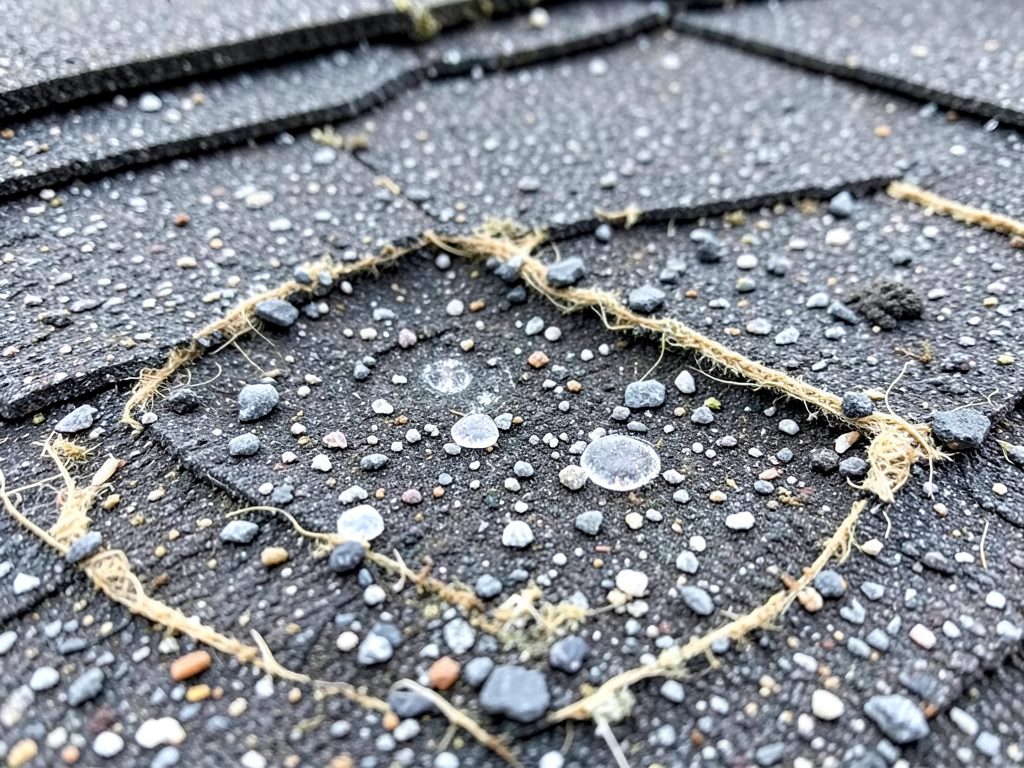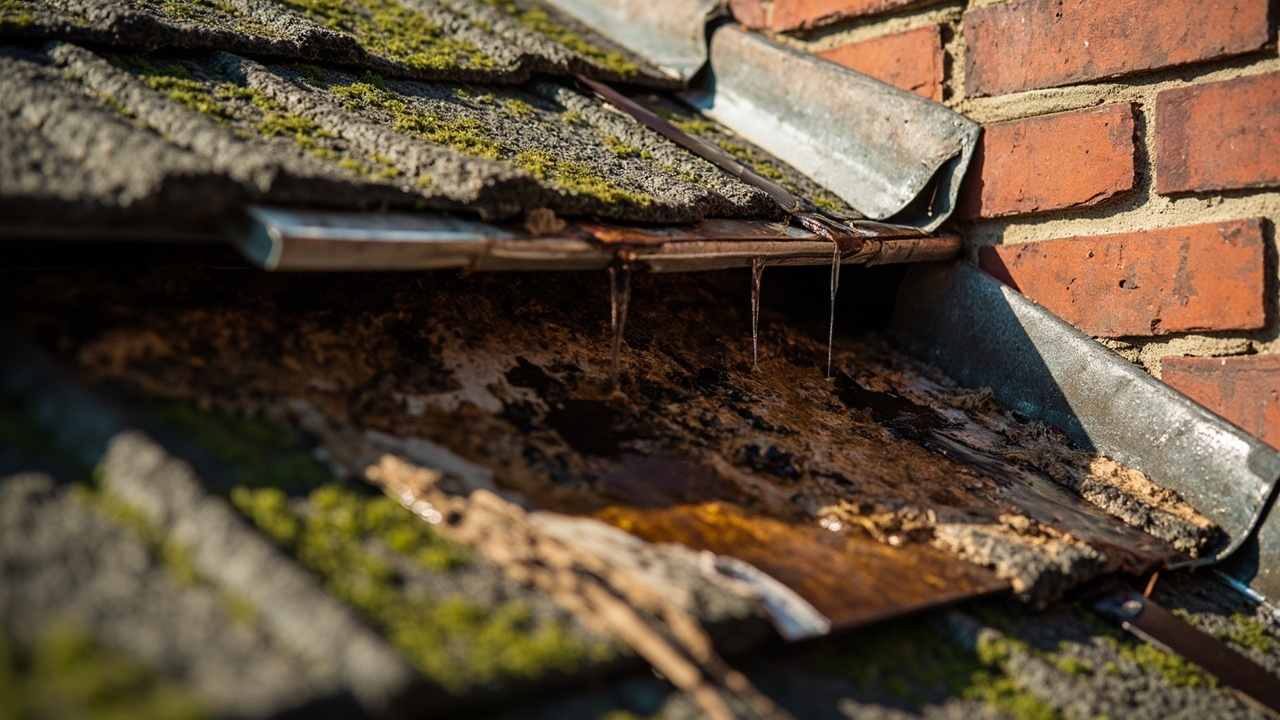

Nashville sits in a humid subtropical climate zone with average relative humidity above 70 percent from May through September. This constant moisture exposure accelerates oxidation on galvanized steel flashing, especially around fastener penetrations where the protective zinc coating gets scraped away during installation. Spring severe weather brings hail and high winds that bend flashing edges and break sealant bonds. The city averages 119 days of precipitation per year, which means your roof flashing endures near-constant wet-dry cycles that degrade both metal and sealant faster than in drier climates. Homes near the Cumberland River or in low-lying areas of East Nashville experience even higher moisture levels, which shortens flashing lifespan further.
Davidson County requires building permits for structural roofing work, and inspectors check for proper flashing installation at critical junctions like chimneys, skylights, and roof-to-wall transitions. Choosing a local roofing contractor who understands these code requirements ensures your repair passes inspection if you later sell your home or file an insurance claim. Titan Roofing Nashville maintains relationships with local building officials and stays current on code updates. We also understand the architectural styles common throughout Nashville neighborhoods, from the brick chimneys in Belle Meade to the metal roofs in East Nashville, which require different flashing approaches and materials to achieve lasting water protection.