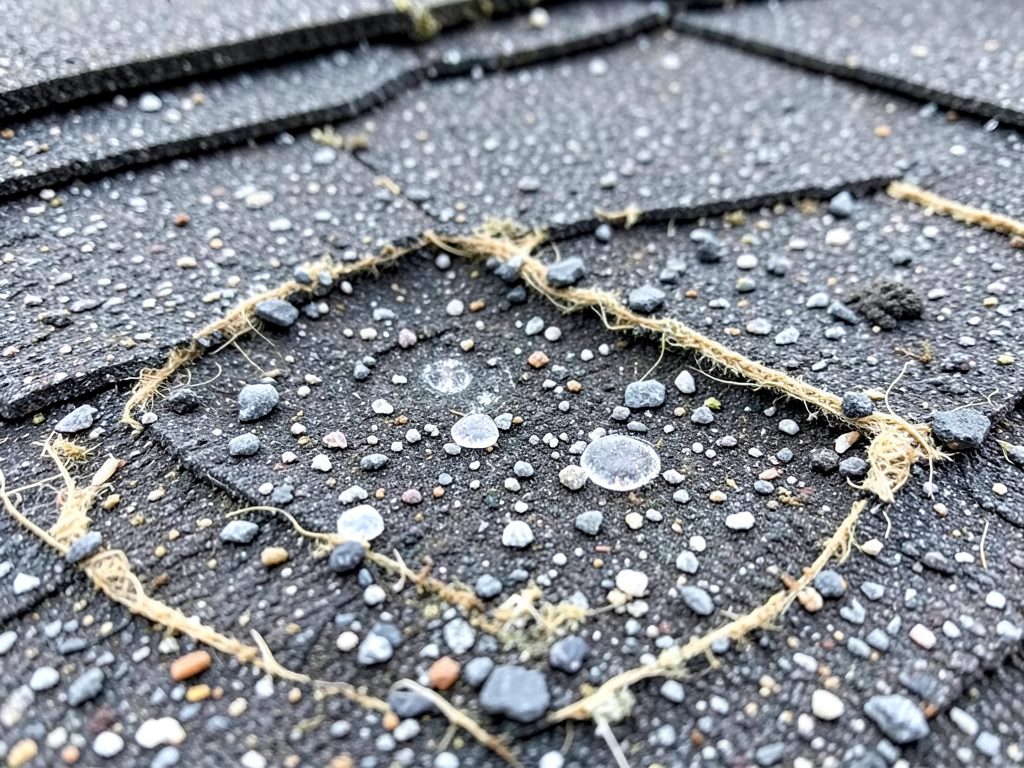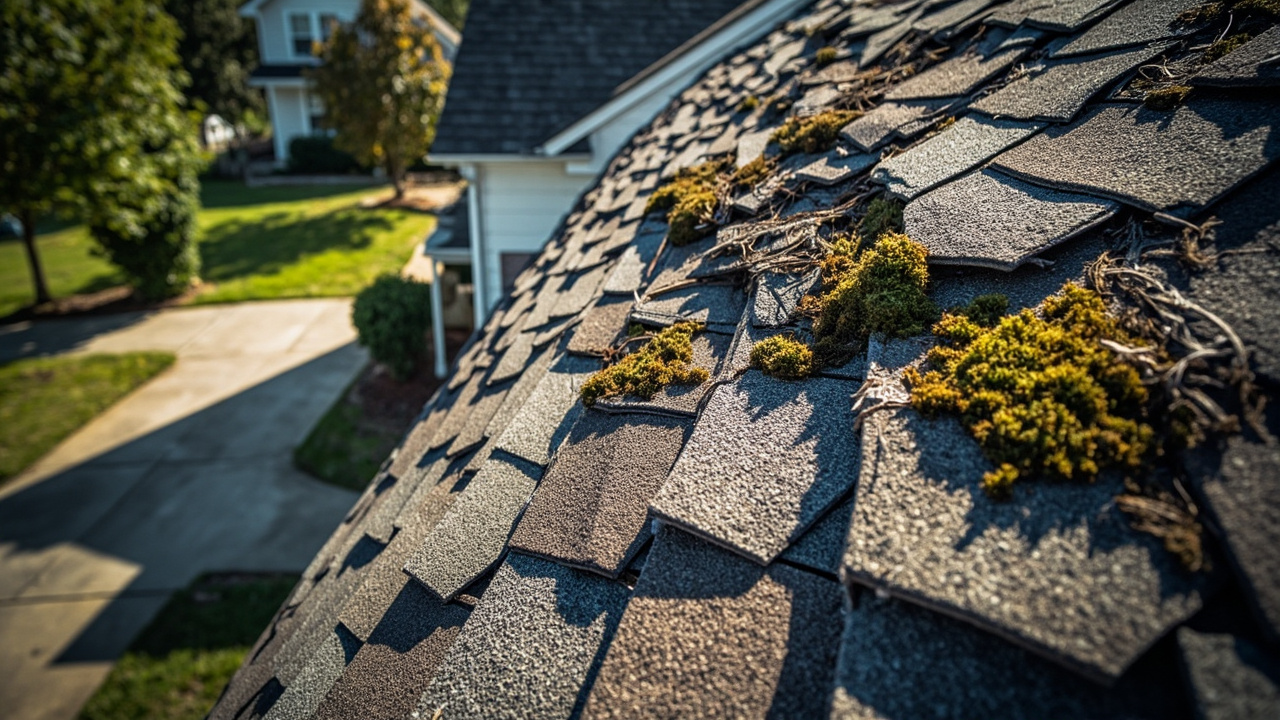


Nashville averages 119 days per year with humidity above 80 percent. This constant moisture creates ideal conditions for algae growth, which you see as black streaks on north-facing roof slopes. The algae retains moisture against shingles, accelerating deterioration and granule loss. Spring brings severe thunderstorms with hail and straight-line winds exceeding 60 mph. These events crack shingles, lift flashing, and damage ridge caps. Summer heat reaches 90 degrees or higher for weeks at a time, causing thermal expansion and contraction that loosens fasteners and breaks down adhesive strips. Winter freeze-thaw cycles force water into small cracks, expanding damage with each temperature swing. Your roof faces more stress in one Nashville year than it would in three years in a milder climate.
Metro Nashville requires permits for roof replacement and enforces specific wind resistance ratings based on your property's location. Historic districts like Germantown, East Nashville, and Hillsboro Village have additional architectural review requirements that affect material choices and colors. Insurance companies operating in Davidson County increasingly use aerial imaging to assess roof conditions, sometimes affecting coverage or premiums based on visible wear. Local contractors understand these requirements and work within the regulatory framework. Choosing a Nashville-based roofing company means working with professionals who know Metro codes, understand neighborhood requirements, and have relationships with local inspectors. This local knowledge prevents delays, ensures compliance, and protects your investment.