menu

Rotting Fascia Boards in Nashville – Expert Diagnosis Stops Wood Decay Before It Spreads

Rotting fascia boards destroy roof integrity fast in Nashville's humid climate. Get a professional inspection to catch decaying fascia wood, water damaged trim, and structural threats before they compromise your home.

Slider Image 1
Slider Image 2
Slider Image 3
Slider Image 4
Slider Image 5
Slider Image 7
Slider Image 8
Slider Image 9
Slider Image 10
Slider Image 11

Why Fascia Boards Fail Fast in Middle Tennessee

You notice the paint peeling near your roofline. Maybe you see soft spots along the trim. Or worse, you spot black streaks and actual wood rot on fascia boards beneath your gutters.

Fascia board rot is not cosmetic. The fascia is the vertical board that runs along your roof edge. It holds your gutter system. It protects your roof decking from water intrusion. When it fails, water infiltrates your roof structure and attic space.

Nashville's climate accelerates fascia decay. High humidity in summer keeps wood damp for weeks. Freeze-thaw cycles in winter crack paint and sealant. Spring storms dump heavy rain that overwhelms gutters and saturates exposed wood. Our clay soil shifts foundations, pulling gutters away from fascia and creating gaps where water pools.

Decaying fascia wood starts small. A tiny crack in the paint. A clogged gutter that overflows in one spot. But Nashville's weather turns small problems into structural damage fast. Water damaged fascia spreads to roof decking, then soffit panels, then wall framing.

You see the symptoms on the outside. Peeling paint. Soft wood that dents when you press it. Gaps between the gutter and roofline. Dark stains. But the real damage is hidden behind the board. By the time rotted roof trim becomes visible, the decay has often spread to structural lumber you cannot see.

Ignoring fascia board rot does not save money. It multiplies repair costs. Replacing one fascia board costs far less than replacing fascia, decking, rafters, and interior drywall after months of hidden water intrusion.

Why Fascia Boards Fail Fast in Middle Tennessee
How Professional Fascia Inspection Reveals Hidden Damage

How Professional Fascia Inspection Reveals Hidden Damage

Homeowners see the surface. Professionals see the structure. Diagnosing fascia board rot requires understanding roof systems, water flow patterns, and how Nashville weather attacks wood.

We do not just look at the fascia. We inspect the entire roof edge system. We check gutter attachment points for loose hangers or missing screws. We examine soffit vents for water staining. We probe fascia boards with an awl to test wood density. Solid wood resists penetration. Rotted wood crumbles or accepts the tool with zero resistance.

We trace the water source. Clogged gutters are obvious culprits. But fascia rot also results from missing drip edge flashing, damaged shingle starter strips, or improperly installed gutter aprons. If the fascia is rotting in one isolated section, we look for a roof leak directly above that spot.

We evaluate the decking behind the fascia. You cannot see roof decking from the ground. But we can assess it from the attic or by removing a small section of fascia during inspection. If the decking shows black mold, water stains, or soft spots, the repair scope expands beyond fascia replacement.

We differentiate between surface decay and structural failure. Surface rot affects the outer layer of wood. It looks bad but does not compromise board integrity. Structural rot penetrates deep into the lumber. The board loses strength and can no longer hold gutter weight or resist wind uplift.

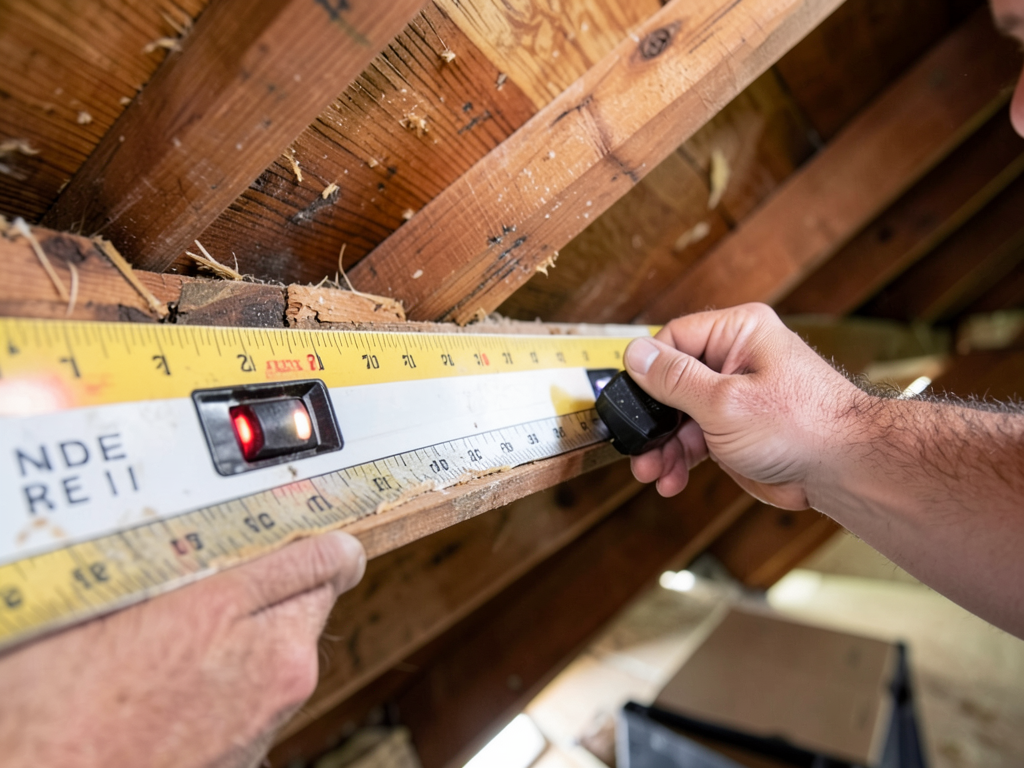
Titan Roofing Nashville uses moisture meters to measure water content inside fascia boards. Wood above 20 percent moisture content supports fungal growth. Readings above 30 percent indicate active rot. This data tells us whether wood can be dried and sealed or must be replaced entirely.

What Happens During a Fascia Damage Assessment

Rotting Fascia Boards in Nashville – Expert Diagnosis Stops Wood Decay Before It Spreads
01

Visual and Physical Inspection

We examine every fascia board from ground level and ladder access. We look for paint failure, wood discoloration, insect holes, and separation from the roof structure. We press boards with hand pressure to identify soft spots. We probe suspect areas with an awl to measure wood density. This step identifies every section with active decay or structural compromise before we start any repair work.
02

Water Source Identification

We trace the water path that caused the rot. We inspect gutter systems for clogs, leaks, or improper pitch. We check roof flashing and drip edge installation. We look for missing or damaged shingles above the affected fascia. We evaluate attic ventilation and interior moisture levels. Identifying the water source prevents future rot after we replace damaged boards. You fix the cause, not just the symptom.
03

Detailed Repair Scope

We document every damaged component. You receive a written assessment that specifies which fascia sections need replacement, which sections can be treated and sealed, and what related repairs are required. We outline whether gutters must be removed and reinstalled, whether soffit panels are compromised, and whether roof decking repair is necessary. You know the full scope before work begins. No surprises halfway through the job.

Why Nashville Homeowners Trust Local Fascia Expertise

Fascia repair is not universal. The right materials and methods depend on local climate, local building practices, and local architectural styles.

Nashville homes were built across multiple eras with different construction standards. Historic neighborhoods like Germantown and East Nashville feature older homes with original wood fascia that requires period-appropriate lumber matching. Newer subdivisions in Brentwood and Franklin use engineered fascia materials that expand and contract differently than solid wood.

We know which lumber species resist rot in Middle Tennessee humidity. Cedar and redwood offer natural rot resistance but cost more. Pressure-treated pine works well if properly sealed. Composite fascia materials eliminate rot but require different installation techniques than wood.

We understand Nashville building codes for roof edge construction. Fascia boards must support gutter weight and meet wind uplift requirements for our region. Improper attachment or undersized lumber fails during storms. We install fascia to code standards that protect your home during severe weather events common to Middle Tennessee.

We work with Nashville's architectural variety. Ranch homes require different fascia profiles than two-story colonials. Homes with exposed rafter tails need open eave fascia systems. Homes with enclosed soffits need ventilated fascia that prevents attic moisture buildup.

Local knowledge means faster, more accurate diagnosis. We have repaired fascia rot on hundreds of Nashville homes. We recognize patterns. We know which gutter systems fail first. We know which roof designs concentrate water on fascia boards. We know which paint brands hold up to Nashville summers.

Titan Roofing Nashville sources materials locally and works with Nashville lumber suppliers who stock appropriate species and dimensions for residential fascia work. You do not wait weeks for special orders. We get quality lumber fast and complete repairs before the next storm season.

What Fascia Board Replacement Actually Involves

Repair Timeline and Access Requirements

Most fascia board replacements take one to three days depending on the extent of damage and the linear footage involved. Single-board replacements on a one-story home often complete in a single day. Multi-board replacement on two-story homes or homes with complex rooflines takes longer. We require ladder and scaffolding access around the affected areas. Gutter removal adds time but is often necessary to fully expose rotted fascia and properly install replacement boards. Weather delays are possible since we cannot install fascia in heavy rain or high winds. You get a realistic timeline before we start work.

Structural Assessment and Hidden Damage

We do not know the full extent of damage until we remove the rotted fascia. Wood decay often extends into roof decking or rafter tails behind the fascia board. We identify hidden damage as we work and communicate additional repair needs immediately. You approve any scope changes before we proceed. Most fascia rot is isolated to the fascia itself if caught early. Homes with years of neglected rot show decking damage that requires additional carpentry work. The initial inspection gives you a strong indication of hidden damage risk based on visible symptoms and moisture readings.

Material Quality and Proper Installation

We install fascia boards with proper structural attachment to rafter tails or lookout blocks. Boards are secured with corrosion-resistant fasteners spaced per code requirements. We apply primer to all cut ends before installation to seal wood grain and prevent moisture intrusion. We install drip edge flashing over the fascia top edge to divert water away from the board face. We ensure proper clearance between fascia and roof decking for ventilation and drainage. The result is fascia that resists rot and performs structurally for decades when properly maintained.

Maintenance Recommendations and Future Prevention

New fascia boards need protection. We recommend painting or sealing bare wood within 30 days of installation. Clean your gutters twice per year minimum to prevent overflow that saturates fascia. Inspect fascia annually for paint failure or early signs of water damage. Address small problems immediately before they become structural issues. Trim tree branches that hang over your roofline and keep leaves and debris off your roof and out of your gutters. These simple maintenance steps extend fascia life and prevent the recurring rot that plagues homes in humid climates like Nashville.

Frequently Asked Questions

You Have Questions,
We Have Answers

What causes fascia board to rot? +

Fascia boards rot when water penetrates the wood and sits. In Nashville, clogged gutters are the top cause. When gutters overflow during heavy rain, water spills behind the gutter and soaks the fascia. Damaged or missing shingles also let water run down the roof edge. Our high humidity accelerates decay once moisture gets in. Poor attic ventilation traps condensation that migrates to fascia boards. Rotted soffit vents reduce airflow and worsen the problem. Woodpeckers drilling holes create entry points for water. Age and cheap paint that cracks expose bare wood to Tennessee's wet spring seasons.

How to fix wood rot on fascia? +

Cut out the rotted section completely. Healthy wood feels solid when you push a screwdriver into it. Remove the damaged fascia board back to sound wood. Treat the clean wood with a borate solution to prevent future rot. Install new fascia board that matches the existing thickness, usually one-by-six or one-by-eight lumber. Use galvanized nails or stainless screws to resist rust in Nashville's humidity. Prime all six sides of the replacement board before installation. Seal joints with exterior caulk. Repaint to match. Fix the gutter problem that caused the rot or it will return within two years.

Does homeowners insurance cover rotted fascia? +

Homeowners insurance covers fascia rot only if a covered peril caused sudden damage. A wind-driven storm that tears off shingles and immediately damages fascia may qualify. Gradual rot from neglected gutters does not. Insurance treats that as maintenance failure. If hail damages your roof and water infiltrates the fascia within weeks, you have a claim. Long-term decay shows up during inspections and gets denied. Nashville adjusters look for proof of a specific weather event. Document storm dates and take photos immediately after damage. Most fascia rot cases fall under maintenance and you pay out of pocket.

How much does it cost to replace a rotten fascia board? +

Replacement cost varies based on damage extent and access difficulty. Single-story homes with easy access run less than two-story colonials. Linear footage matters more than board count. Fascia wraps the entire roofline, so partial replacement looks mismatched unless you repaint everything. Material choice affects price. Standard pine costs less than composite or PVC. Homes in East Nashville with ornate trim details require custom milling. Expect higher costs if soffit boards also need replacement or if rafter tails rotted. Get three written estimates that break down labor and materials separately before committing to repairs.

What is the life expectancy of a fascia board? +

Quality fascia boards last 20 to 30 years with proper maintenance. Nashville's climate shortens that timeline if you skip gutter cleaning. Wood fascia in constant shade from mature oaks stays damp and rots faster. South-facing fascia boards bake in summer sun and the paint cracks earlier. Cedar and redwood outlast pine by five to ten years. Composite and PVC fascia can last 50 years but cost more upfront. Painted fascia needs fresh coats every five to seven years to seal the wood. Homes with good roof overhangs protect fascia better than modern designs with minimal eaves.

Is dry rot covered by house insurance? +

Dry rot coverage depends on what caused it. Insurance policies exclude damage from long-term neglect or lack of maintenance. If a sudden plumbing leak behind a wall creates dry rot within days, that may qualify as water damage. Slow rot from poor ventilation or a hidden roof leak that went unnoticed for months gets denied. Adjusters in Nashville investigate timelines closely. They check maintenance records and look for evidence you ignored warning signs. Fungal decay that developed over years falls under homeowner responsibility. If a tree falls on your roof and moisture triggers rapid dry rot, file immediately with storm documentation.

Does home insurance cover rotted wood? +

Home insurance rarely covers rotted wood unless a specific covered event caused it. Windstorm damage that lets rain penetrate walls and rot framing may qualify. Slow rot from condensation, poor ventilation, or deferred maintenance does not. Nashville policies explicitly exclude wear and tear. Insurance protects against sudden and accidental loss. Rot is gradual deterioration. If a burst pipe floods your crawl space and floor joists rot within weeks, that is covered water damage. If the joists rotted over five years from groundwater seepage, you pay for repairs. Read your exclusions section carefully before filing a claim.

How much does it cost to replace one fascia board? +

Single fascia board replacement costs depend on length, height, and access. A straight 16-foot section on a ranch home runs less than a 12-foot section on a steep Victorian roofline. Labor dominates the price because contractors must set up scaffolding or ladders safely. You cannot replace just one board without disturbing gutters. Expect gutter removal and reinstallation in the quote. Matching existing paint color adds minor cost. If one board rotted, adjacent boards often show early decay. Contractors in Nashville recommend inspecting the full roofline. Partial fixes look patchy and you may pay mobilization fees twice.

Does wood rot always mean termites? +

Wood rot does not always mean termites. Fungal decay needs only moisture and wood. Termites need cellulose and create different damage patterns. Rot feels spongy and crumbles when you press it. Termite damage looks like hollow tunnels with mud tubes nearby. Nashville has both subterranean termites and moisture problems, so you can have one without the other. Fascia rot usually starts from gutter overflow, not insects. Check for termite frass, which looks like tiny pellets. If you see winged insects swarming in spring, call a pest inspector separately. Treat rot and termites as two different problems requiring different contractors.

What not to say when filing a homeowners insurance claim? +

Never exaggerate damage or claim the problem appeared suddenly when it developed over time. Adjusters investigate timelines and compare photos. Do not say you maintained everything if you skipped gutter cleaning for three years. Avoid guessing about causes. Stick to facts and dates. Do not mention previous unrelated claims during the call. Refrain from saying the damage is worse than it looks to inflate the payout. Never admit you knew about a small leak and delayed repairs. Do not use emotional language about financial hardship. State facts only. Let the adjuster assess coverage based on policy terms and evidence.

How Nashville's Rain Patterns Accelerate Fascia Board Rot

Nashville receives 47 inches of rain per year, concentrated in spring and late fall storm systems. This creates prolonged wet periods where fascia boards never fully dry between rain events. Wood stays above the moisture threshold that supports fungal growth for weeks. Spring thunderstorms dump intense rainfall that overwhelms gutters and splashes water directly onto fascia surfaces. Our freeze-thaw cycles in winter crack protective paint and sealant, creating entry points for moisture. Homes near the Cumberland River or in low-lying areas face additional humidity that keeps wood damp even during dry weather.

Titan Roofing Nashville has worked on homes across Davidson, Williamson, and Sumner counties for years. We know the building practices common to each era of Nashville construction. We understand local permit requirements for roof edge modifications. We maintain relationships with Nashville building inspectors and source materials from Middle Tennessee lumber suppliers who stock appropriate species for our climate. When you hire a local roofing company, you get expertise that understands how Nashville weather attacks your home and how to build defenses that last.
Roofing Services in The Nashville Area

Titan Roofing Nashville is proud to serve the entire Nashville area, including surrounding communities. View our location on the map to see where our trusted services are available. We are dedicated to providing prompt, localized roofing solutions, so reach out today to confirm service in your specific neighborhood or to schedule an on-site consultation at your convenience.

Address:
Titan Roofing Nashville, 720 Music Cir E, Nashville, TN, 37203

Additional Services We Offer

Our news updates

Latest Articles & News from The Blogs

The Dangers of Leaving Old Satellite Dishes Bolted to Your Roof in Berry Hill Old satellite dishes bolted to your…

The Dangers of Leaving Old Satellite Dishes Bolted to Your Roof in Berry Hill

The Dangers of Leaving Old Satellite Dishes Bolted to Your Roof in Berry Hill Old satellite dishes bolted to your…

How to Safely Inspect Your Roof for Damage Using Just a Pair of Binoculars

The Safe Way to Inspect Your Nashville Roof: A Homeowner’s Guide Living in Nashville means your roof faces intense spring…

Creative Ways to Use Your Flat Roof for an Outdoor Living Area in 12 South

Creative Ways to Use Your Flat Roof for an Outdoor Living Area in 12 South Living in 12 South means…

Contact Us

Do not wait for rotted fascia to collapse or allow water into your attic. Call Titan Roofing Nashville at (615) 640-4994 for a professional fascia inspection. We diagnose the damage, identify the water source, and provide a clear repair plan. Schedule your assessment today.