menu

Roof Cricket Drainage Issues in Nashville – Get Expert Diagnosis and Permanent Repairs

Stop roof cricket ponding and chimney saddle water pooling before they rot your decking. Titan Roofing Nashville fixes improper cricket pitch and prevents costly leak damage with precision-engineered roof cricket drainage solutions.

Slider Image 1
Slider Image 2
Slider Image 3
Slider Image 4
Slider Image 5
Slider Image 7
Slider Image 8
Slider Image 9
Slider Image 10
Slider Image 11

Why Nashville Roofs Suffer From Chronic Cricket Drainage Problems

You notice water stains on your ceiling near the chimney. You see dark streaks running down the brick after every storm. The problem is not your shingles. The problem is your roof cricket.

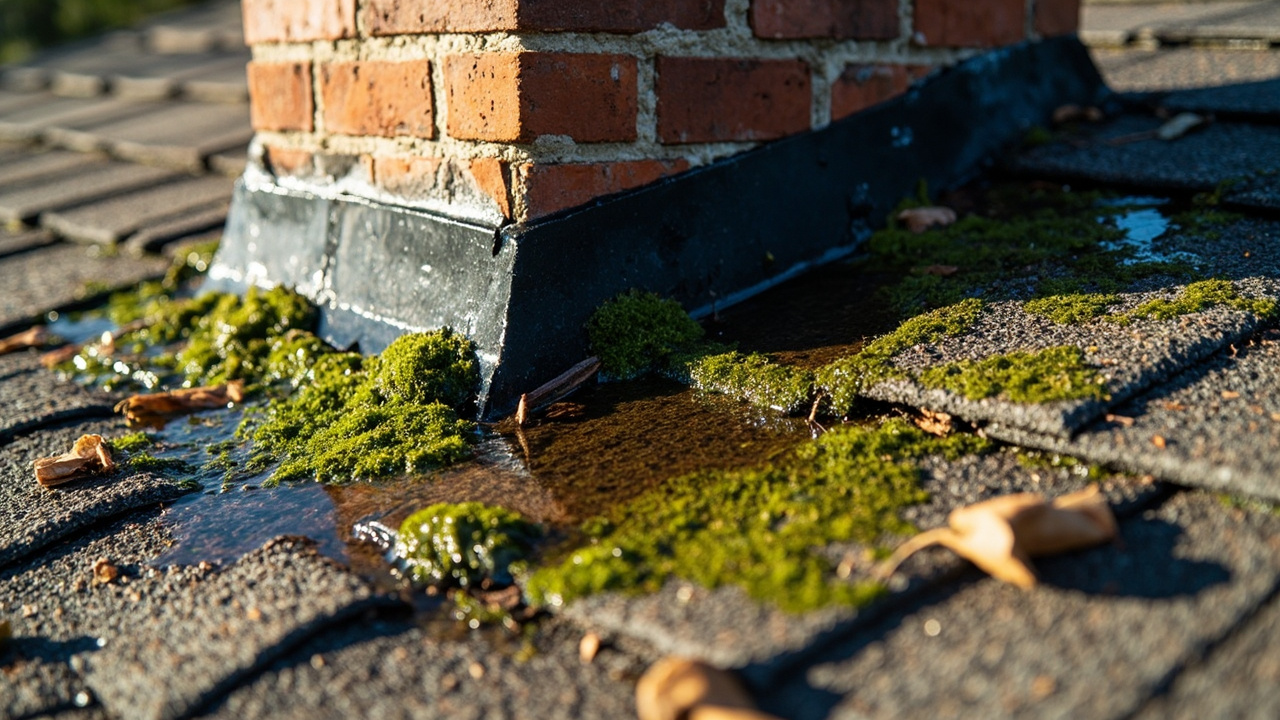
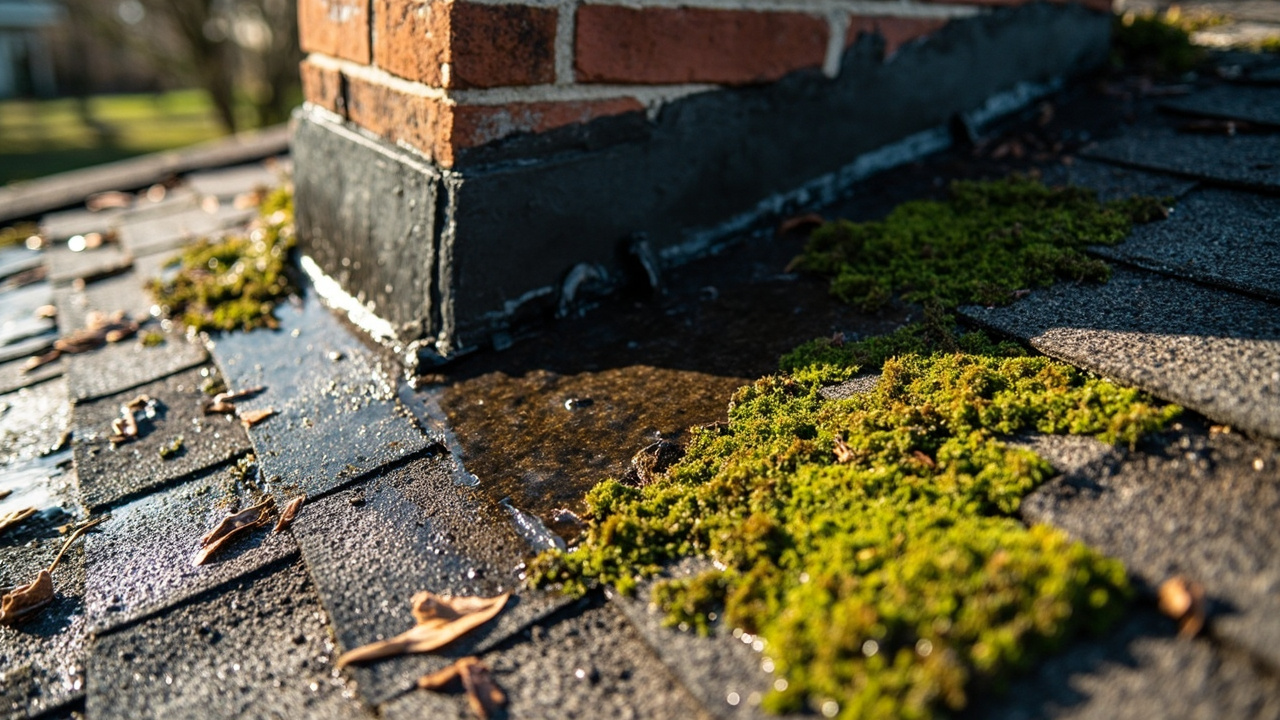
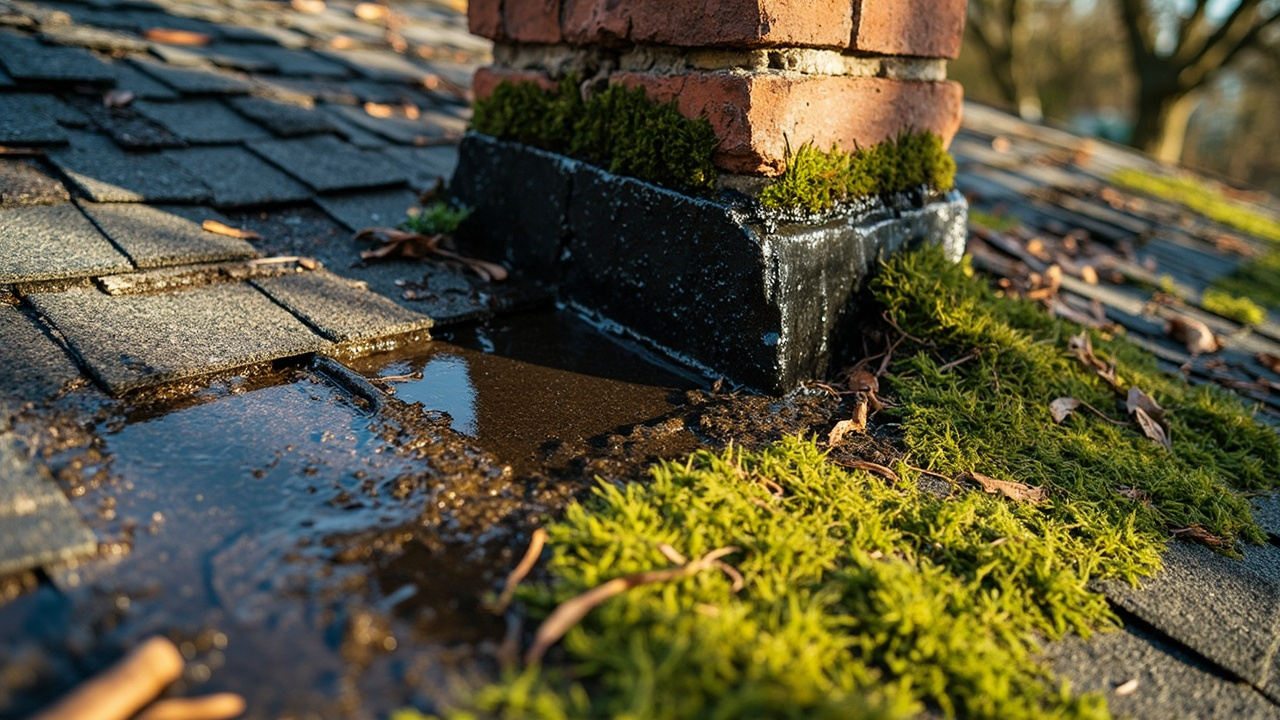
Nashville gets 47 inches of rain per year, 10 inches above the national average. That volume puts massive stress on the small triangular structure behind your chimney designed to divert water. When a roof cricket fails, you get chimney saddle water pooling. Water sits instead of flows. That standing water finds the smallest gap in your flashing and enters your home.

Most roof cricket ponding happens because the original installation used the wrong pitch angle. Tennessee building code requires a minimum 4:12 slope for adequate drainage, but many contractors cut corners with a 2:12 or 3:12 pitch to save material. The result is improper cricket pitch that creates a permanent wet zone on your roof.

Chimney diverter leaks start small. You might see a damp spot on your ceiling in January. By June, after spring thunderstorms dump two inches in an hour, you have active dripping and visible mold growth. The freeze-thaw cycles we experience in Nashville make it worse. Water trapped in roof saddle drainage failure zones freezes, expands, and cracks your flashing seal wider with each cycle.

The rot spreads fast once water enters. Your roof decking turns spongy. Your rafters develop soft spots. The repair bill multiplies because the damage extends far beyond the visible leak point. Fixing cricket drainage issues early stops the cascade of structural damage that costs five times more to repair later.

Why Nashville Roofs Suffer From Chronic Cricket Drainage Problems
How We Fix Roof Cricket Drainage Failures Permanently

How We Fix Roof Cricket Drainage Failures Permanently

Most roofers slap on new flashing and call it fixed. That approach fails because the underlying geometry still traps water. Titan Roofing Nashville rebuilds the cricket structure with the correct pitch ratio and proper tie-in to your existing roof plane.

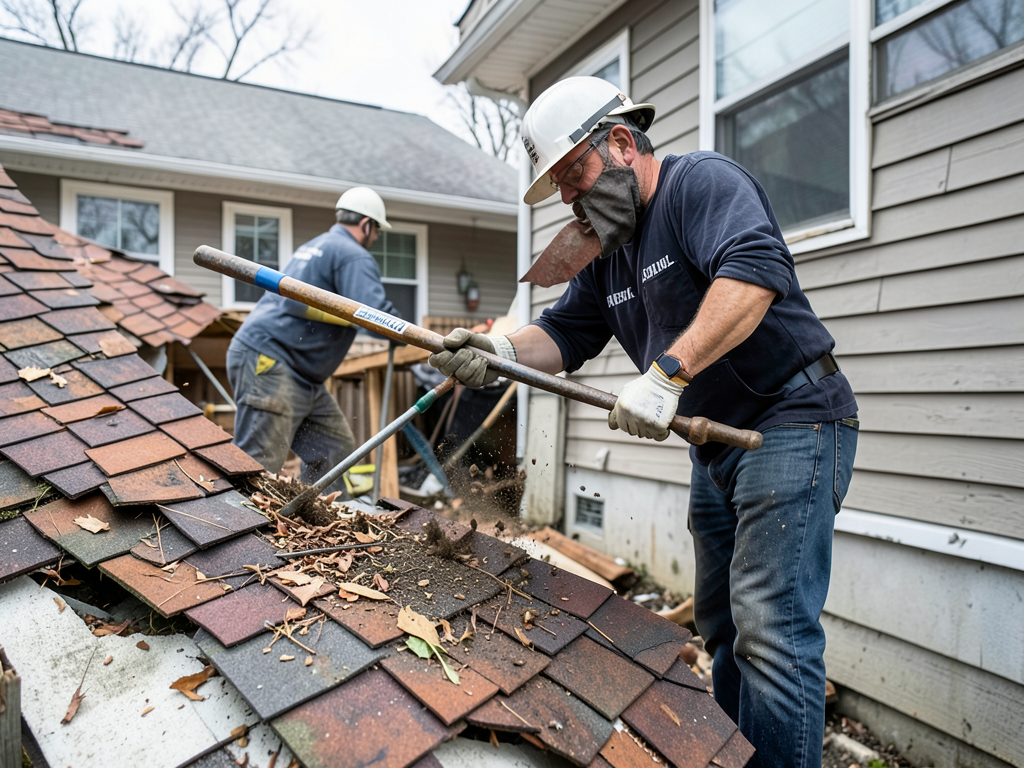
We start by removing the old cricket frame and inspecting the decking underneath. Water damage often extends 18 to 24 inches beyond the visible stain. We replace any compromised sheathing with CDX plywood rated for roof applications. Wet decking has zero nail-holding capacity, so shortcuts here guarantee future failure.

Next, we frame a new cricket using 2x4 or 2x6 lumber depending on your chimney width. The key is achieving a 4:12 or steeper pitch that creates positive drainage in all directions. We use through-bolted ledger boards anchored into solid framing, not just face-nailed into deteriorated wood. The cricket must support its own weight plus snow load without sagging.

We install Ice and Water Shield membrane across the entire saddle zone before any shingles go down. This self-sealing barrier stops water even if the top layer fails. Standard felt paper does not cut it in high-risk zones. We then install counter-flashing that integrates with your chimney cap and step flashing that weaves into the shingle courses on both sides.

The final piece is ensuring the cricket ties into your valley or eave without creating a secondary dam point. We verify water flow with a hose test before we leave. You should see a clean sheet of water flowing off both sides of the cricket with zero pooling in the saddle. That is how you know the geometry is correct.

What Happens During Your Cricket Drainage Repair

Roof Cricket Drainage Issues in Nashville – Get Expert Diagnosis and Permanent Repairs
01

Infrared Moisture Mapping

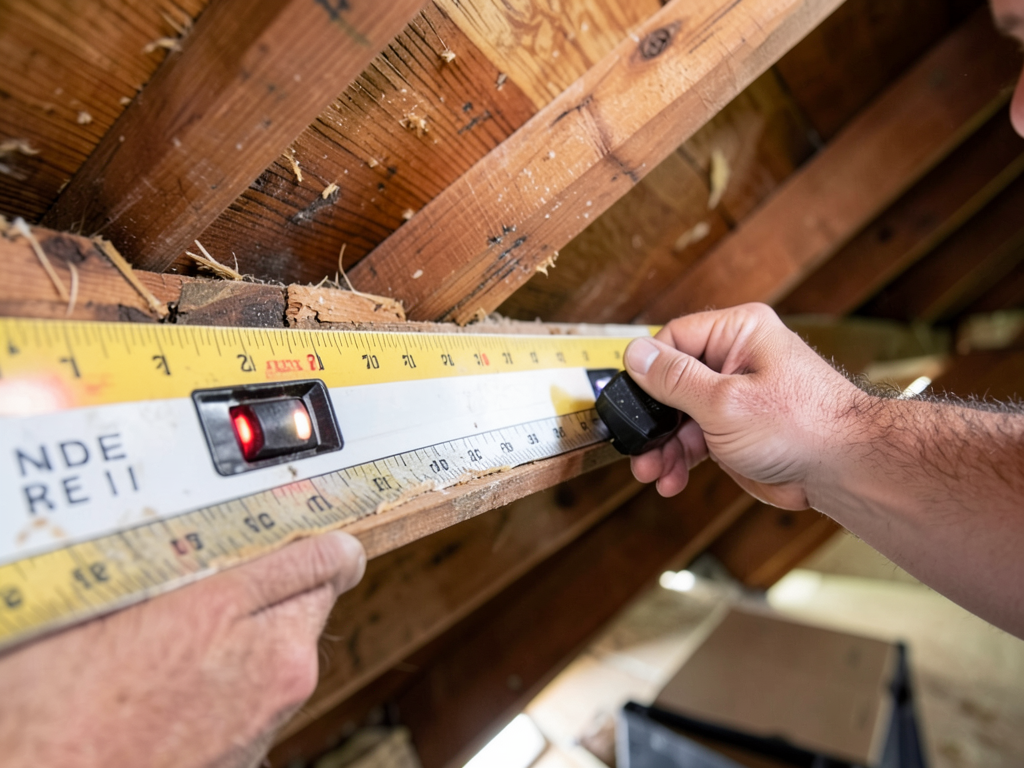
We use thermal imaging cameras to locate hidden moisture in your roof decking and attic framing. Water stains you see on your ceiling represent only 30 percent of the actual damage zone. The camera reveals the full extent of saturation so we remove all compromised material in one visit. This eliminates the callback for "new" leaks that were actually old damage left in place.
02

Structural Cricket Rebuild

We construct a new cricket frame using dimensional lumber cut to the correct pitch angle for your chimney dimensions. The frame gets through-bolted to solid roof framing, not surface-nailed to questionable decking. We sheath the cricket with plywood, apply Ice and Water Shield, and integrate counter-flashing before shingling. Every seam gets hand-sealed because machine-applied adhesive misses the critical joints where leaks start.
03

Flow Testing and Documentation

Before we pack up, we run a hose test simulating a two-inch-per-hour downpour. You watch the water flow cleanly off both sides of the cricket with zero ponding in the saddle. We document the repair with photos showing the framing, membrane application, and final shingle integration. You get a written report detailing what we found and what we fixed, useful for insurance claims or future home sales.

Why Nashville Homeowners Choose Titan Roofing for Cricket Repairs

Roof cricket failures are not obvious from the ground. You need someone who climbs up, pulls back shingles, and understands the difference between a cosmetic patch and a structural fix. Titan Roofing Nashville specializes in diagnosing the hidden problems that generic roofers miss.

We work on homes across Nashville, from the historic brick Tudors in Belle Meade with massive chimneys to the ranch homes in Donelson with smaller flue stacks. Each chimney size requires a different cricket design. A 24-inch-wide chimney needs a taller cricket frame than a 16-inch chase. We calculate the geometry based on your specific structure, not a one-size-fits-all template.

Nashville's building inspection process requires proper flashing integration on all chimney penetrations. We pull permits when structural work is involved and coordinate inspections so your repair meets Davidson County code. That matters if you ever sell your home or file an insurance claim. Unpermitted work creates title issues and claim denials.

We also understand the material challenges unique to Tennessee. The temperature swings from 20 degrees in January to 95 degrees in July cause expansion and contraction that rip apart poorly installed flashing. We use flexible sealants rated for thermal cycling and metal flashing with hemmed edges that resist wind uplift during spring storm fronts.

Most cricket repairs take one to two days depending on the extent of decking damage. We work in all weather except active thunderstorms, so your project does not drag out for weeks waiting for perfect conditions. You get a fixed schedule, a detailed scope, and a crew that shows up when promised.

What to Expect From Your Cricket Drainage Repair

Fast Turnaround

Most cricket repairs finish in one to two days. We schedule your job within one week of signing the contract, not one month. Emergency leaks get priority placement. We arrive with all materials pre-cut and ready to install, so we do not waste your time with multiple trips to the supply house. You get a start date and a finish date. We meet both. If weather delays the job, we communicate the new schedule the same day, not after you call wondering where we are.

Thorough Leak Diagnosis

We perform a full attic inspection before we touch your roof. Many leaks blamed on crickets actually originate from failed valley flashing or cracked plumbing boots. We identify the true source with moisture meters and thermal imaging, then explain what you are paying to fix and why. You get photos of the problem area, not vague descriptions. We walk you through the attic findings so you see the damage yourself. This transparency eliminates the distrust that comes from being told you need repairs you cannot verify.

Permanent Water Diversion

A proper cricket repair stops leaks for 20-plus years, not two years. We rebuild the structure with the correct pitch and integrate it into your existing roof plane so water flows naturally away from the chimney. You will never see ponding in that saddle again. The key is geometry, not just new flashing. We verify proper drainage with a hose test before we call the job complete. If water pools anywhere on the cricket surface, we adjust the frame until it flows correctly.

Post-Repair Monitoring Plan

After we finish, we provide a monitoring checklist you can use during the next few rainstorms. You check specific areas in your attic for new moisture. We give you our direct number to call if you see any signs of water entry. Most issues surface within the first heavy rain, so we stay available for 30 days post-repair to address any concerns immediately. This follow-up catches installation errors before they cause new damage. You also get a written summary of the work performed, useful for insurance documentation or future roof inspections.

Frequently Asked Questions

You Have Questions,
We Have Answers

What are the signs of a failing roof drain? +

Watch for standing water that pools on your roof after Nashville's heavy spring storms. You will see dark stains or streaks near the drain opening. Debris like leaves and shingles may clog the drain opening. Ice dams form in winter if water cannot escape properly. Your gutters may overflow even when they look clean. Inside, you might notice ceiling stains or moisture in your attic after rain. Slow drainage means water sits too long and damages the membrane. If water takes more than 48 hours to clear, your drain needs attention. Nashville's freeze-thaw cycles make drainage problems worse each season.

What problems do roof crickets solve? +

Roof crickets divert water away from chimneys, HVAC units, and other penetrations where water naturally pools. Without them, standing water deteriorates flashing and seeps under shingles. Nashville's high humidity makes this worse because moisture never fully dries. Crickets create a peak that channels water around obstacles toward proper drainage points. They prevent ice dams during Nashville's occasional winter freezes. Crickets also stop debris from accumulating behind chimneys where you cannot see or reach it. They extend your roof's lifespan by eliminating the number one cause of leak damage at penetrations.

What is a drainage cricket? +

A drainage cricket is a peaked structure built behind roof penetrations like chimneys or skylights. Think of it as a small ridge that splits water flow around the obstacle. It sits between the penetration and the upslope roof surface. Most crickets match your existing roof pitch and materials. They are framed with wood and covered with the same shingles or membrane as your main roof. On flat commercial roofs in Nashville, crickets are built with tapered insulation under the membrane. The goal is simple: move water around, not through. Poor cricket construction causes most chimney leaks.

When should I consider a roof cricket? +

You need a roof cricket when chimneys or equipment exceed 30 inches wide, per most building codes in Davidson County. If you see standing water behind a penetration after rain, you need a cricket immediately. Nashville homes built before 1990 often lack crickets because older codes did not require them. Adding HVAC units or solar panels creates new pooling zones that need crickets. If you notice recurring leaks near a chimney despite new flashing, the missing cricket is your problem. Any flat or low-slope roof with penetrations needs crickets to meet current drainage standards and prevent membrane failure.

Are collapsed drains covered by house insurance? +

Maybe. Standard homeowner policies in Tennessee cover sudden and accidental damage like storm damage or falling trees that crush a drain. They rarely cover gradual deterioration from poor maintenance or age. If your drain collapsed because you never cleared debris, your insurer will likely deny the claim. Ice dam damage gets tricky because insurers argue it is preventable. Document everything with photos. Get a professional inspection report that explains the cause. Nashville insurers scrutinize roof claims closely because of our storm frequency. Review your policy's specific exclusions before filing. Many policies exclude drainage system failures entirely.

How much does it cost to replace a roof drain? +

Expect to pay between material costs and labor rates that vary based on roof access and drain type. Interior drains cost more than scupper replacements because they require cutting through the roof deck. Commercial drains with cast iron components run higher than residential PVC drains. If your membrane needs patching around the drain, add that expense. Nashville's pitch and humidity mean roofers often find hidden damage once they open the area. Flat roofs need more extensive flashing work. Multi-story buildings require lifts or scaffolding. Get three written estimates that itemize materials separately from labor before choosing a contractor.

How to permanently get rid of crickets? +

This question confuses roof crickets with insects. Roof crickets are structural drainage components, not pests. If you hear actual crickets inside your home, they enter through foundation cracks, not your roof. Seal gaps around windows, doors, and utility penetrations. Reduce outdoor lighting that attracts them at night. Keep mulch and vegetation away from your foundation. Nashville's humidity creates ideal cricket habitats in crawl spaces. Use dehumidifiers in basements. For roof drainage crickets, you never remove them. They are permanent structures that protect your roof. If someone quoted you to remove crickets, clarify whether they mean the drainage structure or insects.

What is the most expensive part of replacing a roof? +

Decking replacement costs the most when your roof structure has rotted from long-term leaks. Replacing plywood or OSB sheathing across large sections adds thousands before you install a single shingle. Complex flashing around dormers, valleys, and chimneys requires skilled labor that costs more per square foot than open roof planes. Permit fees and engineering reports add up on Nashville homes in historic districts. Structural repairs to trusses or rafters damaged by water exceed simple re-roofing by multiples. Crane rentals for steep or high roofs increase costs substantially. The material itself is cheap compared to fixing what water already destroyed underneath.

Are roof crickets worth the cost? +

Yes. A properly built cricket prevents thousands in future leak repairs and interior damage. Nashville's weather patterns guarantee water will find any weak point in your roof. Crickets stop pooling before it starts. They cost a fraction of replacing rotted decking or repairing ceiling damage from chimney leaks. Insurance claims raise your premiums more than the cricket installation costs. Crickets also increase your home's resale value because inspectors specifically look for them behind large chimneys. Buyers in Nashville know that missing crickets mean deferred maintenance. The return on investment shows up when you avoid emergency repairs during storm season.

Do roof crickets need to be inspected? +

Yes. Inspect crickets twice yearly, in spring after freeze-thaw cycles and fall before winter. Check that flashing remains sealed where the cricket meets the chimney and roof deck. Nashville's temperature swings cause caulk and sealant to crack. Look for shingle damage on the cricket's surface. Debris can pile against the cricket's upslope side and create a dam. After severe storms, verify the cricket did not shift or separate from the main roof structure. Any gaps let water underneath. Professional inspections catch problems before they become leaks. Include cricket inspection when you have your gutters cleaned to maintain proper drainage year-round.

How Nashville's Rain Patterns Make Cricket Drainage Critical

Nashville experiences some of the most intense short-duration rainfall events in Tennessee. Spring thunderstorms dump two to three inches in under an hour, overwhelming undersized crickets that might handle gentle rain but fail under high-volume flow. The clay soil common throughout Davidson County does not absorb water quickly, so roof runoff has nowhere to go but through any weak point in your flashing. Homes near Percy Priest Lake or along the Cumberland River deal with higher humidity year-round, which slows drying time and accelerates rot in any decking exposed to chronic moisture from roof saddle drainage failure.

Davidson County enforces the 2018 International Residential Code with local amendments covering chimney flashing and roof penetrations. Any structural cricket repair requires a permit and inspection to verify proper tie-in to existing framing. Titan Roofing Nashville pulls permits as part of our standard process, so your repair meets code and protects your home value. Unpermitted work shows up in pre-sale inspections and creates negotiation problems. We handle the paperwork and coordinate the inspection, saving you hours of dealing with Metro Codes and giving you documentation that proves your repair was done right.
Roofing Services in The Nashville Area

Titan Roofing Nashville is proud to serve the entire Nashville area, including surrounding communities. View our location on the map to see where our trusted services are available. We are dedicated to providing prompt, localized roofing solutions, so reach out today to confirm service in your specific neighborhood or to schedule an on-site consultation at your convenience.

Address:
Titan Roofing Nashville, 720 Music Cir E, Nashville, TN, 37203

Additional Services We Offer

Our news updates

Latest Articles & News from The Blogs

Why Your 100-Year-Old East Nashville Home Might Need Structural Reinforcement Before a New Roof Your 1920s Craftsman in East Nashville…

Why Your 100-Year-Old East Nashville Home Might Need Structural Reinforcement Before a New Roof

Why Your 100-Year-Old East Nashville Home Might Need Structural Reinforcement Before a New Roof Your 1920s Craftsman in East Nashville…

Understanding the Tear-Off Process and What Happens to Your Property During a Roof Replacement

Understanding the Tear-Off Process and What Happens to Your Property During a Roof Replacement Replacing a roof in Nashville involves…

What to Do When Your Insurance Company Denies Your Nashville Hail Damage Claim

What to Do When Your Insurance Company Denies Your Nashville Hail Damage Claim Your roof insurance claim was denied. You…

Contact Us

Call Titan Roofing Nashville at (615) 640-4994 for a free attic inspection and cricket drainage assessment. We diagnose the problem, explain the fix, and give you a written estimate the same day. Stop the damage now.