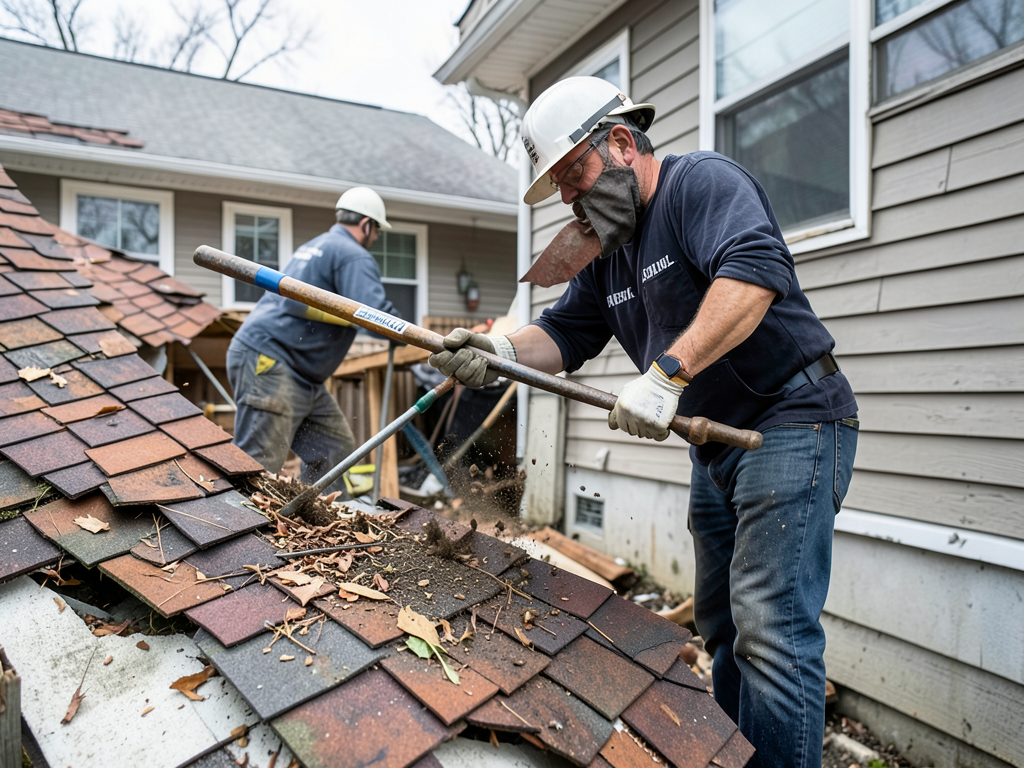
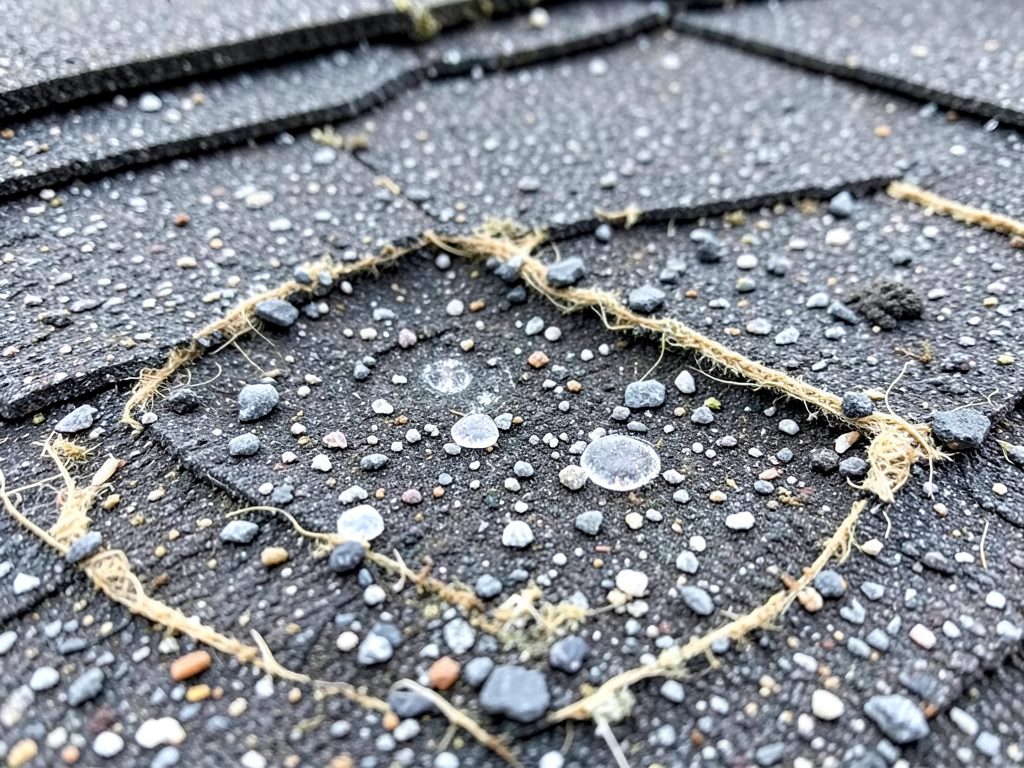
Nashville sits in a geographic corridor that funnels severe weather systems from the Gulf of Mexico northward. The city experiences an average of 47 thunderstorm days per year, with peak activity from March through May when warm, humid air collides with cold fronts. These storms produce damaging hail, tornadoes, and straight-line winds that can exceed 70 mph without warning. The 2020 tornado that tore through North Nashville and Germantown destroyed or damaged over 140 buildings in minutes. When weather hits after business hours, which it often does, you cannot afford to wait until morning. Water intrusion becomes structural damage in hours, not days, especially in Nashville's humid climate where mold colonization begins within 24-48 hours of moisture exposure.
Middle Tennessee's residential roofing industry operates under strict Metro codes that require proper ventilation, underlayment, and flashing details specific to our climate zone. Our crews train on these requirements and understand how Nashville's architecture, from Craftsman bungalows in East Nashville to ranch homes in Hermitage, requires different emergency approaches. We maintain relationships with local building inspectors, insurance adjusters, and supply houses that allow us to move quickly when materials or permits are needed. Choosing a local emergency roofing team means working with professionals who understand Davidson County's permitting process, know which suppliers stock materials overnight, and can navigate insurance claims with adjusters who work this territory daily.