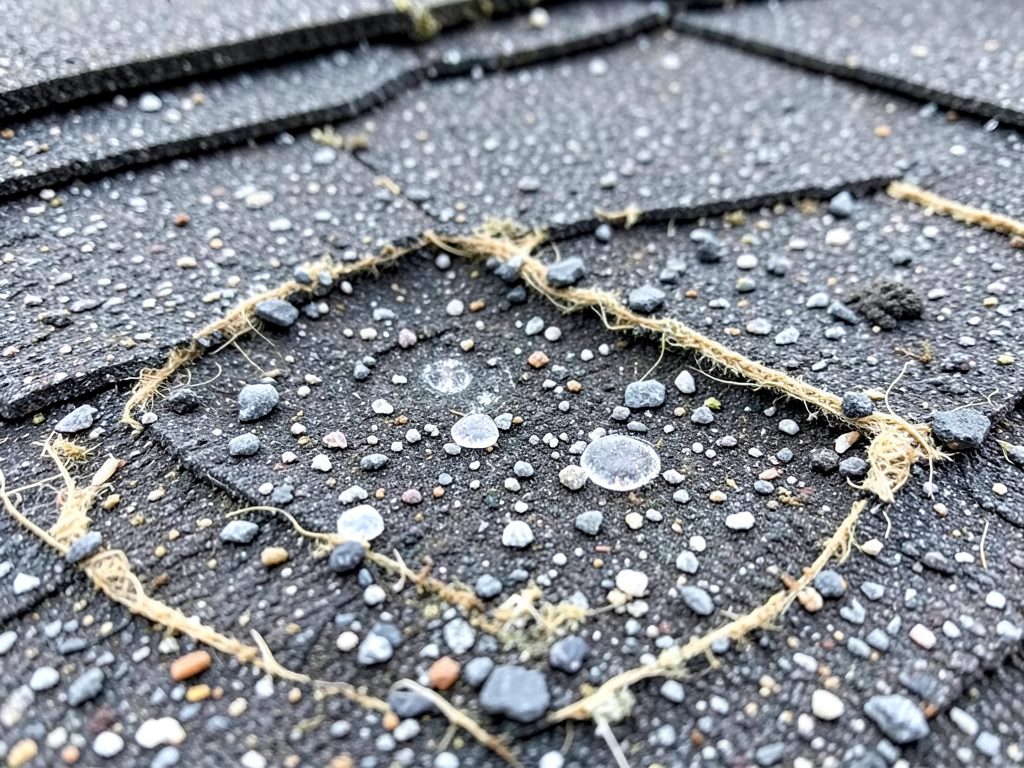
Nashville averages 119 days per year with precipitation and sits in a zone that experiences all severe weather types. Our location between the Highland Rim and Cumberland Plateau creates unique wind patterns that funnel storms through the valley. Spring brings tornadic activity with documented EF3 touchdowns in Davidson County. Summer thunderstorms produce large hail and straight-line winds exceeding 70 mph. The humidity stays above 70 percent for six months, creating ideal conditions for algae growth and moisture infiltration. These factors make material selection critical. Impact-resistant shingles rated for Class 4 hail provide better protection than standard architectural shingles. Algae-resistant shingles prevent the black streaking common on Nashville roofs. The building code requires underlayment rated for high moisture environments and shingles rated for 110 mph wind zones.
Davidson County building codes adopted the 2018 International Residential Code with local amendments specific to our region. The codes department requires detailed ventilation calculations based on attic square footage and roof pitch. They mandate specific flashing techniques around chimneys based on our freeze-thaw cycle patterns. Permit inspectors check for proper nail placement and sealing compound application. Working with contractors who understand these local requirements prevents failed inspections and ensures your roof meets Tennessee standards. Insurance companies in our area also recognize contractors who follow these enhanced standards, which can affect claim approvals and coverage decisions. Titan Roofing Nashville maintains relationships with local inspectors and stays current on code changes that affect residential roofing projects across the greater Nashville metro.