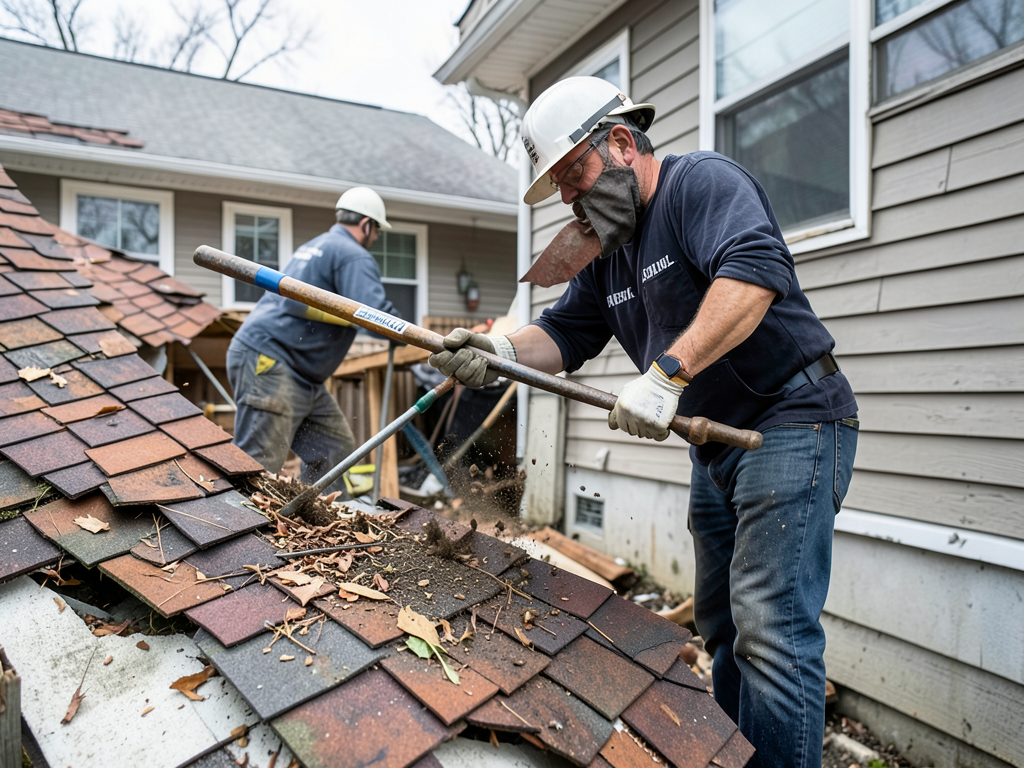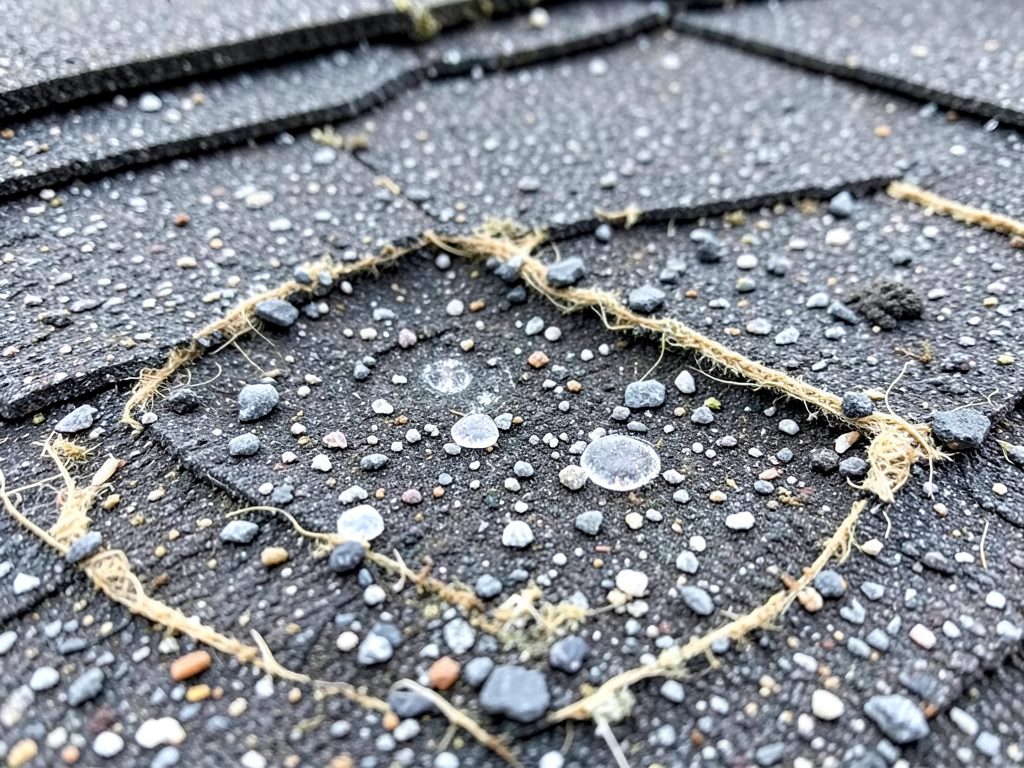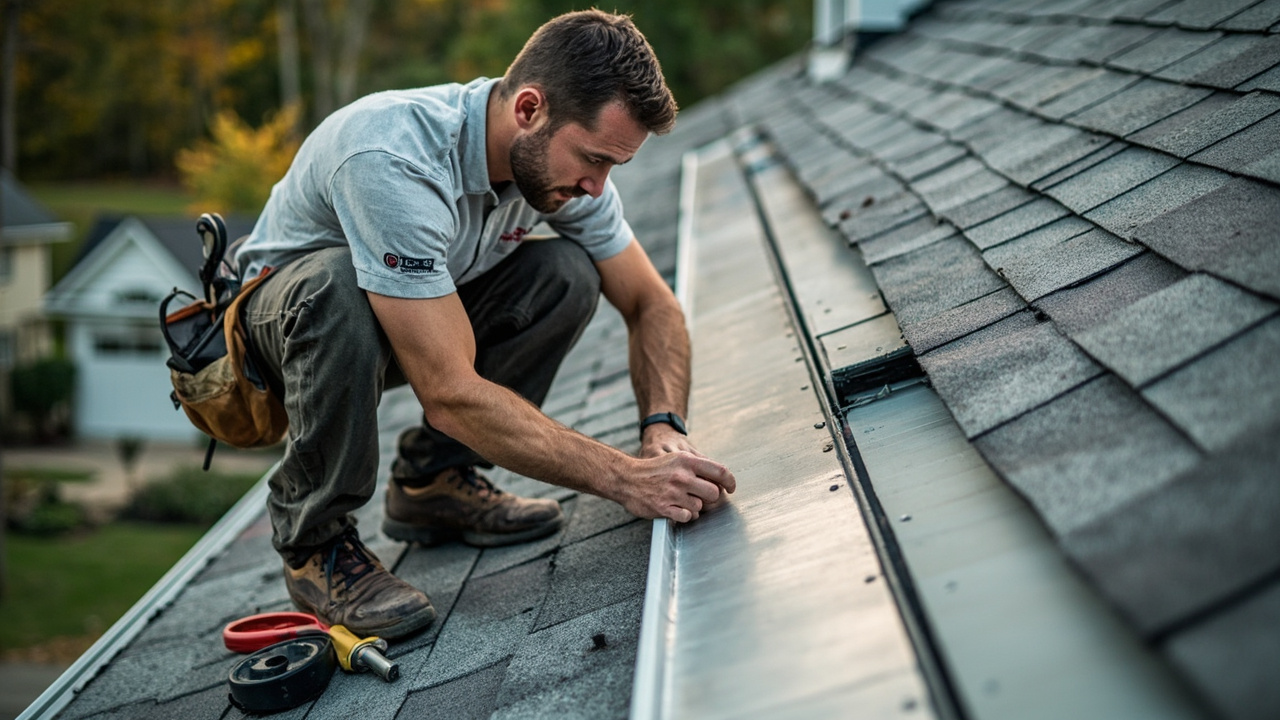


Middle Tennessee's climate creates specific challenges for roofing systems. Summer humidity averages 70 percent, promoting algae and moss growth on shaded roof sections common throughout Nashville's tree-lined neighborhoods. Winter temperature swings cause repeated freeze-thaw cycles that crack sealants and lift flashing edges. A roof might see 95 degrees in afternoon sun and 32 degrees by dawn during spring and fall transitions. These thermal cycles stress every material connection, working fasteners loose and opening gaps in valleys. Regular maintenance catches these stress points before water intrusion begins, addressing Nashville's climate reality rather than generic maintenance schedules that ignore local weather patterns.
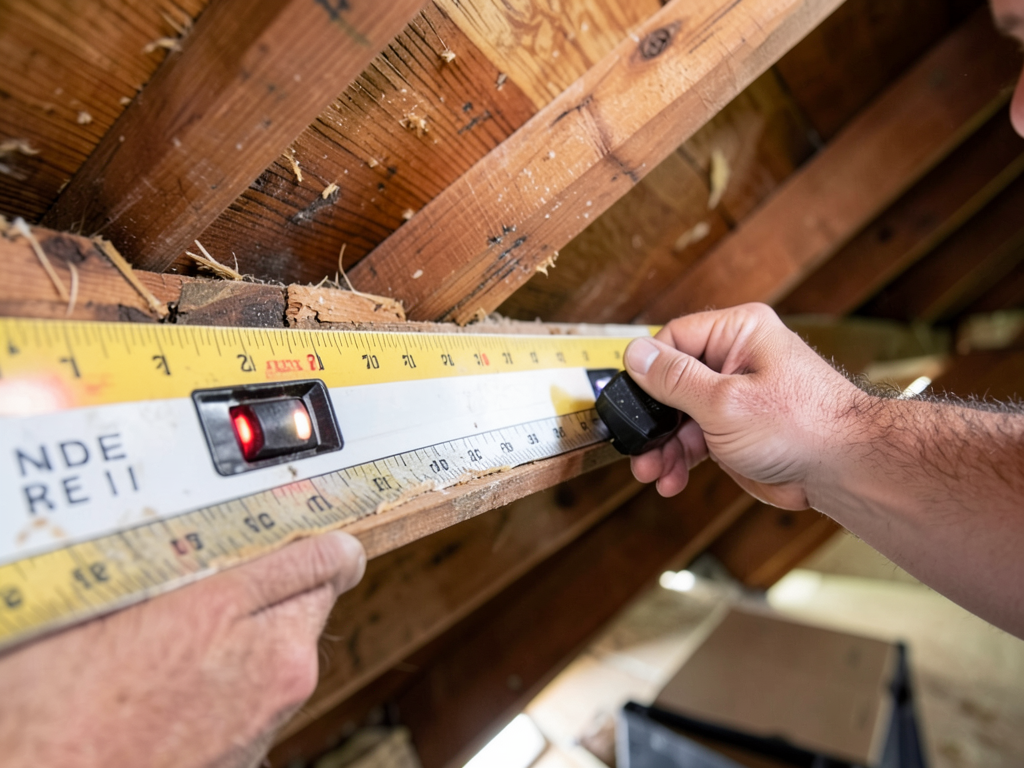
Davidson County building codes require specific ventilation ratios for attic spaces, standards that many older Nashville homes do not meet. Inadequate ventilation traps heat and moisture, shortening shingle life and voiding manufacturer coverage. Local roofing contractors understand these code requirements and ensure maintenance recommendations keep properties compliant. Scheduled inspections also prepare roofs for Nashville's severe weather season, which peaks March through May when tornadic storms and large hail threaten neighborhoods across the metro area. Proactive maintenance identifies vulnerabilities before storm season arrives, giving property owners time to address weak points rather than discovering them during emergency tarp calls at midnight.