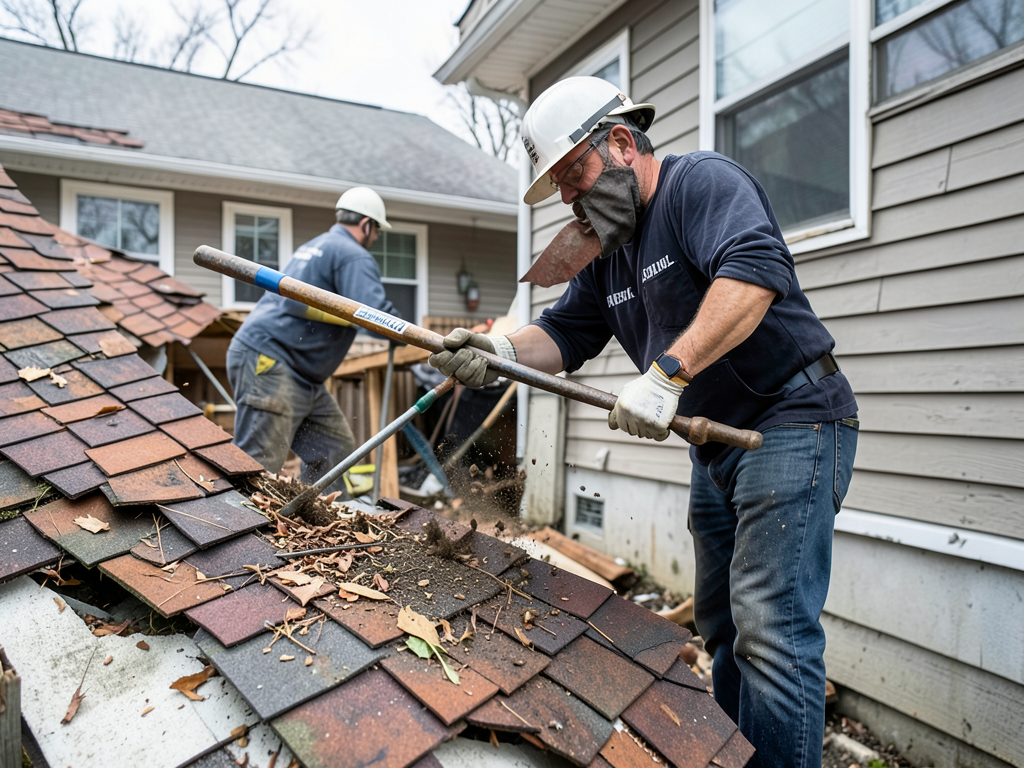
Nashville maintains one of the densest urban tree canopies in the Southeast, with mature hardwoods towering over homes throughout established neighborhoods. These oaks, maples, and poplars provide shade and property value but become 8,000-pound projectiles during severe thunderstorms. Spring storm systems moving through Middle Tennessee generate straight-line winds exceeding 70 mph with little warning. The combination of tall trees, sudden wind events, and high humidity creates perfect conditions for catastrophic roof damage followed by rapid moisture infiltration. Properties near Percy Warner Park, Radnor Lake, and along wooded sections of the Cumberland River face elevated tree impact risk during storm season.
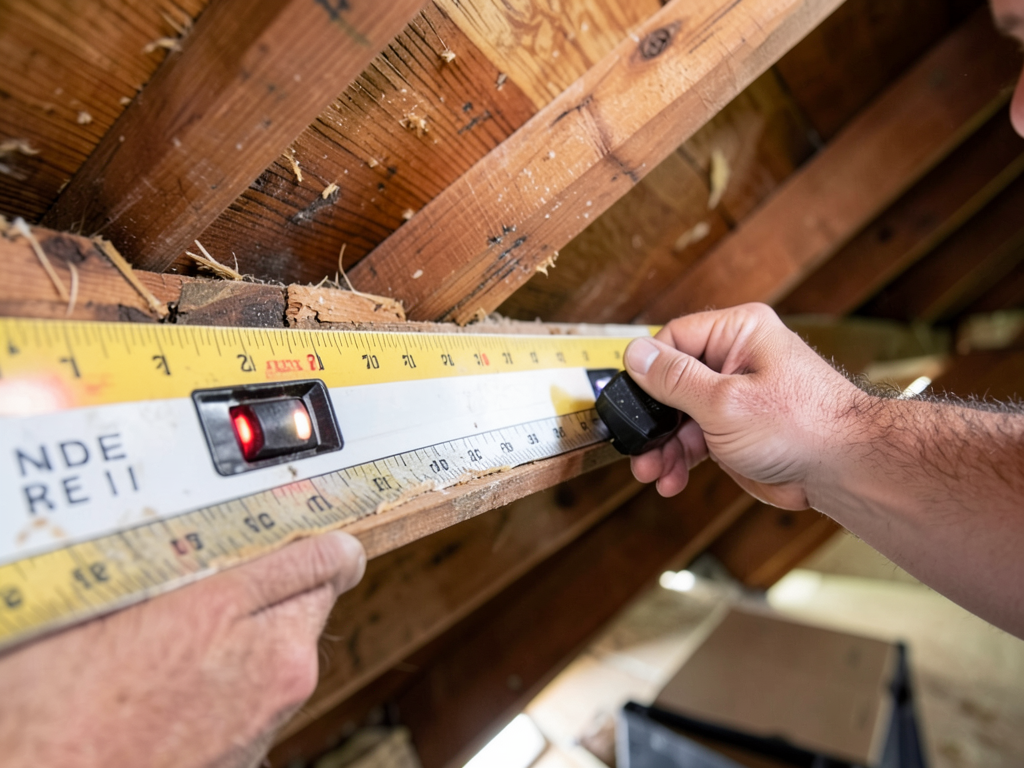
Metro Nashville building codes require specific structural repair procedures when tree impact compromises roof framing. Any repair involving more than 25 percent of roof framing members triggers permit requirements and mandatory inspections. Licensed contractors must submit engineered repair plans for truss replacement or rafter sistering. These local regulations protect homeowners from substandard repairs but require working with roofing companies familiar with Nashville inspection procedures. Titan Roofing Nashville maintains direct relationships with Metro code inspectors and understands submission requirements that prevent project delays. Our documentation meets city standards for structural repair verification.