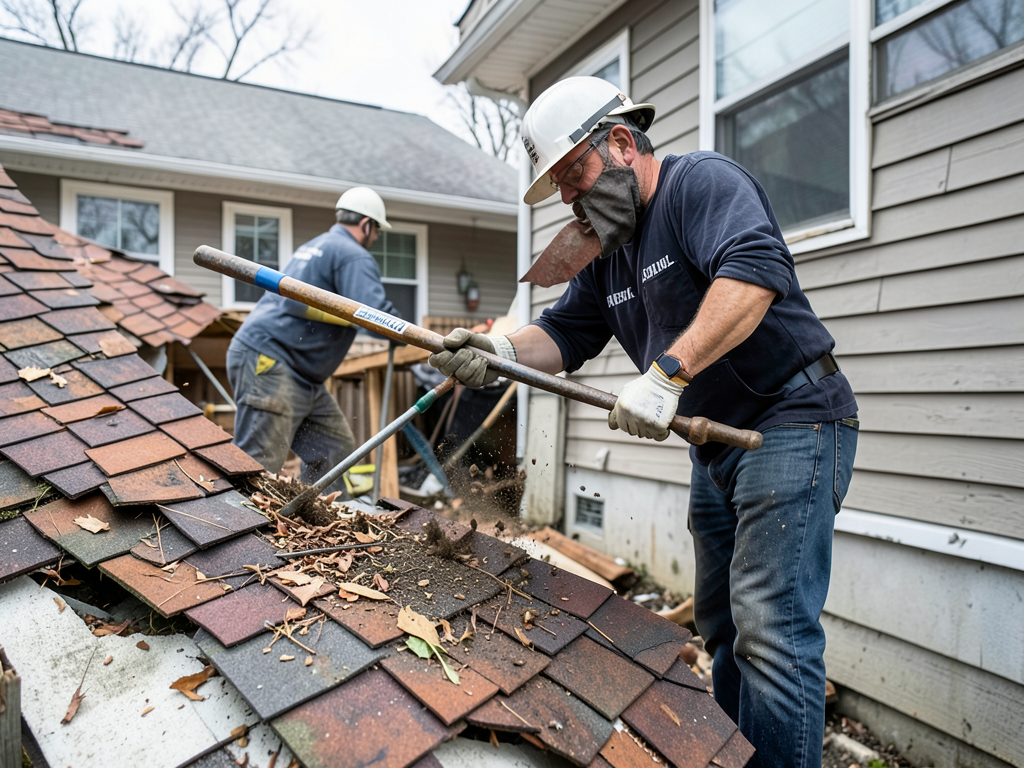
Nashville sits at the western edge of Dixie Alley, where warm Gulf moisture collides with cold continental air masses. The city averages 50 severe thunderstorm days annually, with peak activity from March through May. These storms produce baseball-sized hail and straight-line winds exceeding 80 mph. The 2020 tornado that devastated Germantown, East Nashville, and Donelson demonstrated how quickly severe weather strikes. Homes sustained roof damage across a 60-mile path in under two hours. When storms hit multiple neighborhoods simultaneously, emergency tarping becomes critical. Water intrusion starts immediately. Mold growth begins within 48 hours in Nashville's humidity. Professional tarping stops the damage cascade before it destroys your home's interior.
Metro Nashville building inspectors require proper emergency protection methods after storm damage. Inadequate tarping that allows continued water intrusion can complicate permit approval for permanent repairs. Insurance companies scrutinize mitigation efforts. They want evidence you acted reasonably to prevent additional loss. Our documentation satisfies both requirements. We've worked with every major insurance carrier servicing Nashville properties. Adjusters recognize our installation methods meet industry standards. Local roofing contractors who cut corners on emergency tarping create problems for permanent repair projects. Water damage that occurred after initial emergency response becomes your responsibility, not the insurance company's. Proper tarping protects your claim as much as it protects your property.