menu

Valley Leak Repair in Nashville – Stop Water Damage Before It Spreads Through Your Home

Expert valley leak repair protects your Nashville home from water intrusion, preventing ceiling stains, insulation damage, and structural rot caused by failed valley flashing and deteriorated seals.

Slider Image 1
Slider Image 2
Slider Image 3
Slider Image 4
Slider Image 5
Slider Image 7
Slider Image 8
Slider Image 9
Slider Image 10
Slider Image 11

Why Nashville Roofs Develop Valley Leaks Faster Than You Think

You notice a brown stain spreading across your ceiling after a heavy rain. You climb into the attic and see water dripping from the roof deck right where two roof planes meet. That junction is called a valley, and it handles more water runoff than any other part of your roof.

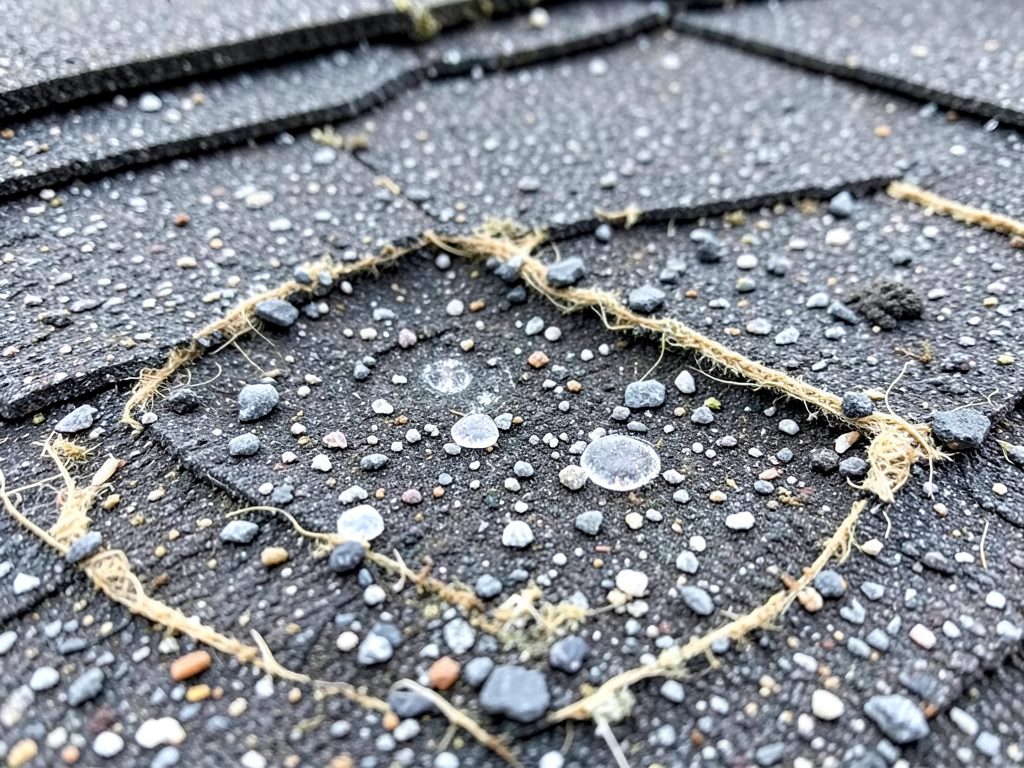
Nashville's climate accelerates valley failure. Summer storms dump inches of rain in minutes, overwhelming valleys with debris from our abundant oak and maple trees. Winter freeze-thaw cycles crack valley flashing, creating entry points for water. Spring humidity prevents proper drying, allowing trapped moisture to rot the underlayment and decking.

Most valley leaks start small. A gap in the flashing lets a trickle through. The underlayment absorbs it. The deck stays damp. Within months, the wood softens. Within a year, you have structural damage requiring deck replacement in addition to fixing roof valley leaks.

The problem compounds in older Nashville neighborhoods like East Nashville and Germantown, where homes feature complex rooflines with multiple valleys. Each valley junction represents a potential failure point. Open valleys lined with metal flashing suffer from thermal expansion. Woven valleys trap debris between shingle layers. Closed-cut valleys hide water damage until it becomes severe.

Patching roof valley leaks requires more than caulk and tar. You need proper valley reconstruction, starting with sealing roof valley joints at the underlayment level and extending through correctly installed flashing that accounts for Nashville's weather patterns. Temporary fixes buy time but never solve the underlying failure in roof valley flashing repair.

Why Nashville Roofs Develop Valley Leaks Faster Than You Think
How Professional Valley Repair Stops Water Intrusion Permanently

How Professional Valley Repair Stops Water Intrusion Permanently

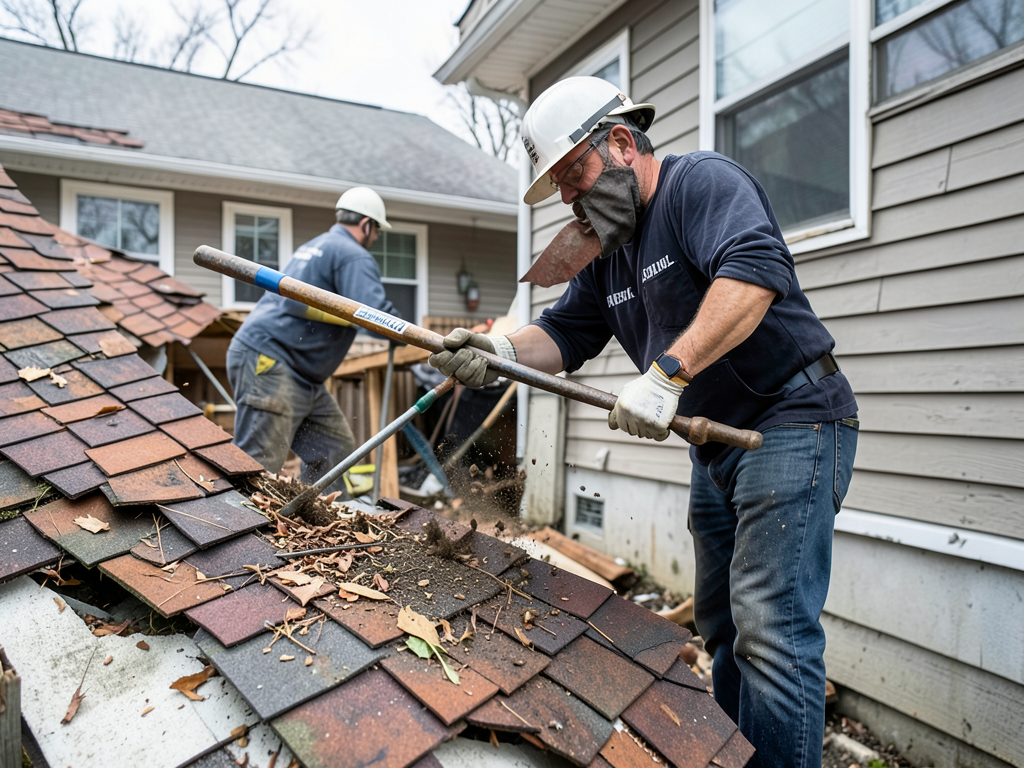
Repairing damaged roof valleys demands surgical precision. We strip the valley down to the roof deck, exposing the full extent of water penetration. This reveals whether you need deck replacement or can proceed with flashing repair alone.

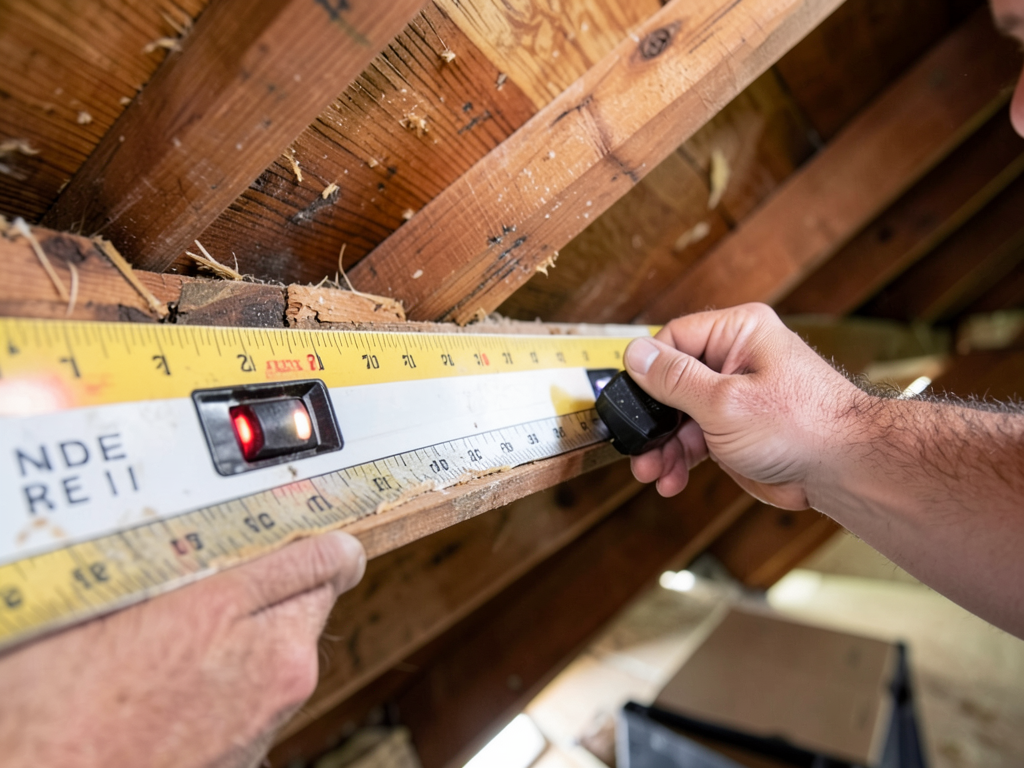
The deck gets inspected for soft spots, rot, and delamination. Any compromised sheathing gets cut out and replaced with matching thickness OSB or plywood. We then install ice and water shield, a self-adhering membrane that creates a waterproof barrier two feet on each side of the valley centerline. This membrane bonds directly to the deck, eliminating the capillary action that pulls water under standard underlayments.

Valley metal comes next. We use corrosion-resistant aluminum or galvanized steel, formed to match your roof pitch and valley angle. The metal extends under the shingles on both roof planes, creating a continuous channel for water flow. Proper crimping at the valley edges prevents shingle blow-off during storms.

Shingle installation follows strict overlap specifications. Each course extends over the valley metal by a precise measurement determined by your roof pitch. We cut shingles at the correct angle, seal each cut edge, and ensure no exposed nails penetrate the valley metal. The geometry matters because water accelerates as it funnels down the valley, creating hydraulic pressure that exploits any installation flaw.

Titan Roofing Nashville approaches fixing roof valley leaks as structural waterproofing, not cosmetic patching. We address the substrate, the flashing, and the shingle integration as interconnected systems. This methodology eliminates the repeat failures common with quick fixes that focus only on sealing roof valley joints without addressing the underlying installation defects.

What Happens During Your Valley Repair Service

Valley Leak Repair in Nashville – Stop Water Damage Before It Spreads Through Your Home
01

Leak Source Identification

We trace water stains to their roof entry point, confirming the valley as the source rather than pipe boots, chimneys, or ridge vents. Attic inspection reveals whether moisture has compromised insulation or framing. We photograph damage for documentation and mark the exact failure location on the roof surface for targeted repair without unnecessary shingle removal.
02

Valley Reconstruction

Shingles get removed three feet up each roof plane from the valley centerline. We assess deck condition, replace damaged sheathing, and install ice and water shield as the primary waterproof barrier. New valley metal gets formed to your roof geometry, positioned for optimal water flow, and secured without penetrating the waterproof membrane. This creates a permanent water channel engineered for Nashville storm volumes.
03

Shingle Integration and Testing

Replacement shingles match your existing roof in color and style. Each course gets positioned, cut, and sealed according to manufacturer specifications for valley applications. We verify proper overlap onto valley metal and seal all cut edges. Before leaving, we conduct a water test, running a hose above the repair area to confirm zero penetration under simulated rain conditions.

Why Nashville Homeowners Choose Titan Roofing for Valley Repairs

Valley leaks fool generalists. A handyman sees water damage and applies roof cement. A siding contractor blames the gutters. You need a roofing specialist who understands how valleys fail and how Nashville weather accelerates that failure.

We work exclusively on roofing systems. This specialization means we recognize the difference between a flashing gap, a shingle installation error, and a deck failure. We know that the brown stain on your Inglewood bungalow ceiling comes from a specific defect in valley construction, not a generalized roof age problem.

Our familiarity with Nashville's architectural variety matters. We repair valleys on Greek Revival homes in Belle Meade with standing seam metal roofs. We fix Tudor Revival valleys in Forest Hills with multiple roof plane intersections. We handle Ranch style homes in Donelson with low-pitch valleys that require modified installation techniques. Each architectural style presents unique valley challenges that require adapted repair methods.

Davidson County building codes mandate specific valley underlayment requirements. We follow these codes not because an inspector will check, but because they represent minimum standards for weather resistance in this climate. Our installations exceed code minimums, using ice and water shield where code allows standard underlayment and extending flashing beyond minimum overlap specifications.

You get transparent pricing before work begins. We provide a written scope detailing exactly which materials get used and which installation steps get performed. No surprises, no upselling, no pressure tactics. If your valley needs only flashing repair, we tell you. If the deck shows rot requiring replacement, we show you the damage before proceeding. This honesty builds trust with Nashville homeowners who have been burned by contractors promising cheap fixes that fail within months.

What You Can Expect from Our Valley Repair Service

Rapid Response and Completion

Most valley repairs get completed in one day, weather permitting. We schedule your repair within days of your call, not weeks. Our crews arrive on time with all necessary materials pre-staged, eliminating delays from supply runs. If rain threatens during your repair, we tarp the exposed area to prevent additional water intrusion. For emergency situations where active leaking threatens interior damage, we provide same-day temporary protection while scheduling permanent repair. You get a defined completion timeline during your estimate, with progress updates if weather extends the schedule.

Thorough Damage Assessment

Every valley repair begins with a comprehensive inspection from both roof surface and attic space. We identify all moisture damage, not just the obvious leak point. Our assessment reveals whether your valley failure has compromised roof decking, insulation, or interior finishes. You receive a detailed explanation of what failed, why it failed, and what gets done to prevent recurrence. We photograph damage before and after repair, providing documentation useful for insurance claims. If we find additional issues during tear-off, we contact you immediately with options before proceeding with unplanned work.

Lasting Repair Quality

Our valley repairs use materials rated for 30-year performance, matching or exceeding your existing roof lifespan. Metal flashing resists corrosion from Nashville humidity. Ice and water shield provides redundant waterproofing that stops leaks even if shingles lift during storms. Replacement shingles match your existing roof so closely that the repair becomes invisible from ground level within months as weathering equalizes color. We clean your property completely after repair, removing all debris and conducting a magnetic sweep to collect dropped nails. The repair area gets left cleaner than we found it.

Post-Repair Support and Monitoring

We provide care instructions specific to your repair, including signs of potential problems and maintenance recommendations. You receive direct contact information for your project supervisor, not a generic call center. If you notice any concerns after repair, we return to inspect at no charge. We recommend annual roof inspections to catch small issues before they become major problems, but this remains optional, never pressured. Our goal is building long-term relationships with Nashville homeowners, not one-time transactions. Many clients use us for all roofing needs after experiencing our valley repair quality.

Frequently Asked Questions

You Have Questions,
We Have Answers

How to fix a leaking valley? +

Fixing a leaking valley requires removing the damaged shingles around the valley line, inspecting the underlayment for rot or moisture damage, and replacing the valley flashing. Most Nashville homes use either woven valleys or metal W-valleys. The flashing must extend at least 12 inches on each side to handle Tennessee's heavy spring rains. If the decking is damaged, it needs replacement before new flashing goes in. Then shingles are reinstalled with proper overlap. This is not a DIY job. Improper valley installation is the number one cause of repeat leaks in Nashville's climate.

How much does roof valley repair cost? +

Valley repair costs in Nashville typically range based on the extent of damage and accessibility. Minor flashing replacement may cost less than full tear-off and decking repair. Factors include valley length, roof pitch, number of stories, and whether water damage extended to the decking or attic insulation. Nashville's frequent storms can cause hidden rot that only shows during teardown. Most contractors charge by linear foot for valley work, plus materials. Get a written estimate after a physical inspection. Beware of quotes given over the phone without seeing the roof.

How much does it cost to repair a valley on a roof? +

Repairing a valley on a roof in Nashville depends on damage severity and roof type. Simple flashing replacement costs less than full valley reconstruction with decking work. Steeper roofs or multi-story homes increase labor costs due to safety equipment needs. Nashville's clay soil causes settling that can stress valleys over time, sometimes requiring structural fixes beyond just flashing. Metal valleys last longer than woven shingle valleys but cost more upfront. Always get multiple written estimates and ask if the price includes matching shingles, underlayment replacement, and disposal of old materials.

Can heavy rain cause roof valley leaks? +

Yes. Heavy rain absolutely causes valley leaks, especially in Nashville where spring storms dump inches in minutes. Valleys channel twice the water volume of flat roof sections. If flashing is improperly installed, corroded, or has gaps at seams, water backs up under shingles. Nashville's freeze-thaw cycles also crack valley flashing over winter, creating weak points that fail when spring rains hit. Clogged gutters worsen the problem by forcing water backward into the valley. If your roof only leaks during downpours, the valley is the most common culprit.

How to waterproof a valley? +

Waterproofing a valley starts with quality ice and water shield underlayment applied before flashing installation. The underlayment should extend 24 inches on each side of the valley centerline to handle Nashville's wind-driven rain. Metal flashing goes on top, with edges sealed using roofing cement. Shingles must not be nailed closer than six inches from the valley center to prevent puncturing the waterproof barrier. In Nashville's humid climate, proper attic ventilation also prevents condensation from rotting valley decking from below. Waterproofing is only effective when every layer is installed correctly.

Is a roof leak covered by homeowners insurance? +

It depends on the cause. Homeowners insurance typically covers sudden, accidental damage like storm damage or fallen tree limbs that puncture valley flashing. Insurance does not cover wear and tear, aging materials, or damage from deferred maintenance. In Nashville, insurers often deny claims if they determine the roof was past its expected lifespan or if poor installation caused the leak. Document the damage with photos immediately after discovery. Most policies require prompt reporting. An independent roof inspection can help prove the leak resulted from a covered event, not neglect.

Is it normal for a roof to leak in heavy rain? +

No. A properly installed roof should not leak during heavy rain, even in Nashville's worst storms. If water enters during downpours but stops when rain lightens, you have a drainage problem or compromised flashing. Valleys, skylights, chimneys, and vent boots are common failure points under heavy water flow. Nashville's storms expose weak points that light rain does not stress. Some homeowners ignore small leaks until a big storm causes ceiling damage. If your roof leaks in heavy rain, call a roofer immediately. The problem will worsen with every storm.

How much does a roofer charge to fix a leak? +

Leak repair costs in Nashville vary widely based on the source and accessibility. Simple fixes like replacing a cracked vent boot may cost less than valley reconstruction or chimney flashing repair. Roofers typically charge a service call fee for inspection, then quote repair work separately. Expect higher costs for steep roofs, multi-story homes, or repairs requiring scaffolding. Nashville's older homes in East Nashville or Germantown often have hidden damage requiring more extensive work than initially visible. Get a written estimate detailing labor, materials, and any discovered damage before authorizing work.

What time of year is the cheapest to replace a roof? +

Late fall and winter are typically the cheapest times to replace a roof in Nashville. Demand drops after storm season ends, and contractors offer discounts to keep crews working. Avoid spring and summer when storm damage creates backlogs and prices spike. However, Nashville's unpredictable winter weather can delay jobs if temperatures drop below manufacturer recommendations for shingle installation. Book your project in October or November for best pricing and reasonable weather windows. Some contractors also offer financing promotions during slow months. Never sacrifice quality for price. Cheap installation costs more long-term.

Who is the best person to fix a leaking roof? +

A licensed roofing contractor is the best person to fix a leaking roof in Nashville. Avoid handymen or general contractors who subcontract roof work. Roofers understand how Tennessee's weather, building codes, and specific roof types interact. Look for contractors familiar with Nashville's older home styles in neighborhoods like Sylvan Park or Belmont-Hillsboro, where historic homes require specialized knowledge. Verify licensing, insurance, and references. A quality roofer will inspect your attic, identify the leak source accurately, and fix it right the first time. Emergency tarping services should be available for active leaks.

How Nashville's Storm Patterns Make Valley Maintenance Critical

Nashville receives 47 inches of annual rainfall, concentrated in spring storms that dump high volumes in short periods. Your roof valleys channel this water at velocities that exploit any weakness in flashing or underlayment. The transition between Tennessee summers, with temperatures exceeding 90 degrees, and winters that regularly dip below freezing, creates expansion and contraction cycles that loosen valley fasteners and crack sealants. Homes near Percy Priest Lake or along the Cumberland River face additional humidity that prevents proper drying between rain events, keeping valley underlayments perpetually damp and vulnerable to rot.

Davidson County requires specific roofing standards, but many contractors unfamiliar with local conditions install valleys using techniques that barely meet minimums. Titan Roofing Nashville specializes in Middle Tennessee roofing systems, understanding how to adapt valley installation for our specific weather patterns. We recognize that a valley installation technique that works in drier climates fails here. This local expertise means your repair lasts through Nashville's demanding seasonal cycles, protecting your home investment through decades of Tennessee weather rather than requiring repeated repairs every few years.
Roofing Services in The Nashville Area

Titan Roofing Nashville is proud to serve the entire Nashville area, including surrounding communities. View our location on the map to see where our trusted services are available. We are dedicated to providing prompt, localized roofing solutions, so reach out today to confirm service in your specific neighborhood or to schedule an on-site consultation at your convenience.

Address:
Titan Roofing Nashville, 720 Music Cir E, Nashville, TN, 37203

Additional Services We Offer

Our news updates

Latest Articles & News from The Blogs

The Dangers of Leaving Old Satellite Dishes Bolted to Your Roof in Berry Hill Old satellite dishes bolted to your…

The Dangers of Leaving Old Satellite Dishes Bolted to Your Roof in Berry Hill

The Dangers of Leaving Old Satellite Dishes Bolted to Your Roof in Berry Hill Old satellite dishes bolted to your…

How to Safely Inspect Your Roof for Damage Using Just a Pair of Binoculars

The Safe Way to Inspect Your Nashville Roof: A Homeowner’s Guide Living in Nashville means your roof faces intense spring…

Creative Ways to Use Your Flat Roof for an Outdoor Living Area in 12 South

Creative Ways to Use Your Flat Roof for an Outdoor Living Area in 12 South Living in 12 South means…

Contact Us

Every day you wait, water spreads deeper into your roof structure. Call Titan Roofing Nashville now at (615) 640-4994 for same-week valley repair. We provide free damage assessments and transparent pricing with no pressure tactics.