menu

Spray Foam Roofing in Nashville | Minimal Downtime for Operating Facilities

Commercial SPF roof systems protect your Nashville facility without shutting down operations. Titan Roofing Nashville delivers polyurethane foam roofing that meets code, extends roof life, and keeps your business running during installation.

Slider Image 1
Slider Image 2
Slider Image 3
Slider Image 4
Slider Image 5
Slider Image 7
Slider Image 8
Slider Image 9
Slider Image 10
Slider Image 11

Why Nashville Commercial Buildings Need SPF Roofing Systems

Nashville's humid subtropical climate creates specific challenges for commercial roofing. Your facility endures hot, wet summers where temperatures regularly exceed 90 degrees and relative humidity stays above 70 percent. This combination accelerates membrane degradation and promotes standing water on low-slope commercial roofs.

The temperature swings between seasons cause expansion and contraction in traditional roofing materials. Nashville sees freeze-thaw cycles through winter, with temperatures dropping below freezing 60 to 70 nights per year. These cycles crack brittle roofing materials and open seams where water penetrates.

Commercial spray foam roofing solves these problems through its monolithic application. SPF roofing creates a seamless barrier that eliminates the vulnerable seams found in traditional membrane systems. The spray polyurethane foam roofing expands to fill gaps and adheres directly to your existing substrate.

Your warehouse, distribution center, or manufacturing facility needs protection that does not interrupt operations. Water intrusion threatens inventory, damages equipment, and forces costly production stops. An SPF roof system provides superior insulation while creating a watertight seal that withstands Nashville's climate extremes.

The polyurethane foam roofing material weighs less than one pound per square foot at typical thickness. This light weight matters for older commercial buildings where structural capacity limits your options. You gain energy efficiency and weather protection without adding significant load to your roof deck.

Why Nashville Commercial Buildings Need SPF Roofing Systems
How Commercial SPF Roof Installation Protects Your Investment

How Commercial SPF Roof Installation Protects Your Investment

Titan Roofing Nashville starts every commercial spray foam roofing project with substrate analysis. We measure moisture content in your existing roof deck using infrared scanning and core sampling. Wet insulation or decking must dry or be replaced before SPF application. Installing polyurethane foam roofing over wet substrate traps moisture and causes adhesion failure.

We pressure wash and mechanically prepare the roof surface to remove loose material, dirt, and biological growth. The substrate must be clean and dry for proper adhesion. Any existing roof penetrations get evaluated and repaired. We examine HVAC curbs, vent pipes, and roof drains for damage that could compromise the new system.

The spray polyurethane foam roofing goes down in multiple passes. We apply the foam in lifts, building thickness gradually to ensure proper density and cell structure. Each pass chemically bonds to the previous layer. The foam expands to 30 times its liquid volume, filling cracks and creating seamless coverage across your entire roof.

After the SPF reaches specified thickness, we apply an elastomeric coating. This protective layer shields the foam from UV degradation and provides the finished wearing surface. The coating adds impact resistance and creates the reflective white surface that reduces cooling costs.

Your facility stays operational during installation. We work in sections, maintaining weathertight conditions as we progress. The foam cures quickly, becoming rain-resistant within minutes of application. This rapid cure time means weather delays rarely halt the project for extended periods.

Temperature and humidity must fall within specific parameters during application. We monitor conditions continuously and adjust our schedule to work within the manufacturer's specifications. Proper installation requires technical expertise and equipment calibration that separates professional contractors from applicators who cut corners.

What Happens During Your SPF Roof Installation

Spray Foam Roofing in Nashville | Minimal Downtime for Operating Facilities
01

Facility Assessment and Planning

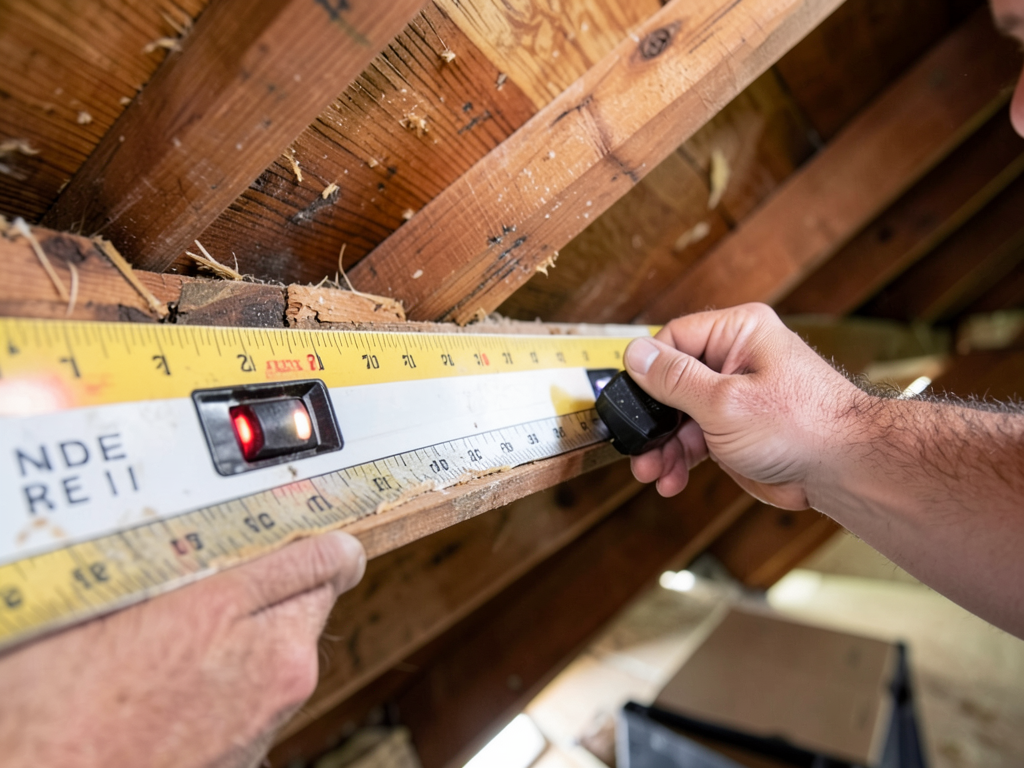
We conduct a detailed roof inspection and measure your building to calculate material requirements. Our team reviews your operational schedule to plan installation phases that avoid disrupting critical business activities. We identify any structural concerns, evaluate drainage patterns, and document existing roof penetrations. You receive a comprehensive scope of work that outlines the project timeline and specifies the SPF system components.
02

Surface Preparation and Application

Our crew prepares the substrate by cleaning, repairing damage, and ensuring proper moisture levels. We set up spray equipment and establish containment areas to protect your building exterior. The polyurethane foam roofing gets applied in controlled passes, building to specified thickness. We monitor application temperature, check foam density, and verify proper adhesion. After foam application, we apply the protective elastomeric coating system that completes your roof.
03

Quality Control and Documentation

We perform final inspection to verify coating thickness, check all penetrations and terminations, and confirm proper drainage. You receive documentation that includes thickness readings, material certifications, and thermal imaging results. We review maintenance requirements and establish a service schedule. Your facility now has a monolithic roof system with improved energy efficiency and extended service life that protects your business operations.

Why Nashville Facilities Trust Titan Roofing for SPF Systems

Commercial roofing in Nashville requires understanding the local building codes and how they apply to different occupancy classifications. The Metropolitan Nashville Building Codes Department enforces specific requirements for fire rating, wind uplift resistance, and energy efficiency. We pull the necessary permits and schedule required inspections to keep your project compliant.

Nashville's location in Davidson County means your commercial building faces specific wind load requirements based on the local exposure category. SPF roofing systems must meet Class 90 wind uplift ratings for most commercial applications. We engineer the foam thickness and coating system to meet or exceed these requirements for your specific building height and exposure.

The industrial facilities concentrated along the Cumberland River and in areas like Wedgewood-Houston need roofing that withstands chemical exposure and heavy equipment loads. We specify appropriate foam density and coating systems based on your operational environment. A food processing plant needs different specifications than a distribution warehouse.

Our technicians hold manufacturer certifications from major SPF system providers. This training ensures proper mixing ratios, application techniques, and quality control procedures. The spray polyurethane foam roofing industry requires specific expertise that general contractors lack. Incorrect mixing or application creates foam with poor physical properties that fails prematurely.

We maintain relationships with local material suppliers and can respond quickly when your roof needs attention. A commercial facility cannot wait weeks for repairs when water enters the building. Our proximity to your Nashville location means we arrive quickly to assess problems and implement solutions that protect your operations.

Energy efficiency matters for your operating costs. The high R-value per inch of SPF roofing reduces heat transfer through your roof. Nashville summers mean substantial cooling loads. The reflective coating on your new roof reduces surface temperature by 50 degrees or more compared to dark membrane roofing.

What Your Nashville Facility Gets With SPF Roofing

Installation Timeline and Scheduling

Most commercial SPF roof systems in Nashville get completed within one to three weeks, depending on building size and complexity. We schedule work to minimize impact on your operations, often working early mornings, evenings, or weekends for facilities that run continuous operations. Weather affects the timeline since we need specific temperature and humidity conditions for proper foam application. We monitor forecasts closely and communicate any schedule adjustments immediately. The fast cure time of polyurethane foam roofing means sections become watertight quickly, reducing your exposure to weather delays compared to traditional roofing methods.

Comprehensive Roof Evaluation

Your roof assessment includes infrared thermography to detect wet insulation, core samples to evaluate existing roof layers, and structural analysis to confirm adequate load capacity. We measure roof slope and evaluate drainage patterns since standing water indicates problems that need correction before SPF application. You get detailed documentation of current roof conditions, photographs of problem areas, and specific recommendations for repairs. This evaluation determines whether your existing roof can serve as a substrate for spray foam or needs partial replacement. The assessment typically takes two to four hours for an average commercial building.

Performance and Energy Savings

Your new SPF roof system delivers R-6.5 to R-7 per inch of foam thickness, providing superior insulation compared to traditional commercial roofing. The monolithic application eliminates thermal bridging that occurs at seams in membrane systems. Nashville facilities typically see 20 to 30 percent reduction in cooling costs after SPF installation. The reflective coating keeps roof surface temperature 50 to 80 degrees cooler than dark membranes, reducing heat transfer into your building. The seamless application stops air infiltration that wastes conditioned air. You get immediate improvement in interior comfort and measurable reduction in utility expenses.

System Maintenance and Longevity

SPF roofing requires periodic recoating to maintain UV protection and extend service life. The coating layer typically needs renewal every 10 to 15 years, depending on exposure and traffic. This recoating costs substantially less than roof replacement and adds another decade of service life. We provide inspection services to monitor coating condition and identify any damage that needs repair. Small repairs get handled quickly by cleaning the damaged area and applying fresh foam and coating. Regular maintenance keeps your commercial spray foam roofing performing for 30 years or more, protecting your facility investment.

Frequently Asked Questions

You Have Questions,
We Have Answers

Is it a good idea to spray foam your roof? +

Spray foam roofing is an excellent choice for commercial buildings in Nashville. The system creates a monolithic, seamless membrane that eliminates leak points common with traditional roofing. Nashville's high humidity and frequent storms make waterproofing critical. Spray foam provides superior insulation, which reduces HVAC costs in hot, humid summers. It adheres directly to existing substrates, often eliminating the need for tear-off and minimizing business downtime. The material expands to fill gaps and cracks, addressing irregular roof surfaces. For flat or low-slope commercial roofs, spray foam delivers long-term ROI through energy savings and reduced maintenance costs.

What are the disadvantages of a spray foam roof? +

Spray foam roofing requires professional installation. Poor application leads to thin spots, inadequate coverage, and premature failure. The coating needs reapplication every 10 to 15 years to maintain UV protection and waterproofing integrity. Ponding water can degrade foam if drainage is inadequate. Nashville's temperature swings can cause expansion and contraction, stressing improperly installed foam. Upfront costs are higher than some traditional systems. The material is also vulnerable to physical damage from foot traffic or debris. Proper maintenance and working with experienced contractors mitigate these drawbacks. Regular inspections catch issues before they escalate into costly repairs.

How long does a spray foam roof last? +

A properly installed spray foam roof lasts 20 to 30 years with routine maintenance. The foam itself remains stable, but the protective topcoat requires reapplication every 10 to 15 years to prevent UV degradation. Nashville's intense summer sun accelerates coating breakdown if neglected. Regular inspections identify wear early. Ponding water, physical damage, and improper drainage shorten lifespan. Buildings with proactive maintenance schedules see roofs exceed 30 years. The seamless membrane resists Nashville's high humidity and storm-driven rain better than seamed systems. Longevity depends on installation quality, substrate condition, and adherence to manufacturer maintenance protocols.

Why is spray foam a red flag for lenders? +

Lenders flag spray foam because it can trap moisture if improperly installed, leading to hidden structural damage. Closed-cell foam applied directly to roof decking eliminates ventilation, which concerns underwriters assessing risk. In Nashville's humid climate, moisture intrusion from leaks or condensation can rot wood sheathing without visible signs. Appraisers may reduce property value if documentation is missing. Lenders want proof of professional installation, proper ventilation design, and compliance with building codes. Commercial properties face fewer financing issues than residential, but expect stricter scrutiny. Providing installation records, thermal imaging reports, and maintenance logs satisfies most lender concerns.

How much does it cost to spray foam a 2000 foot attic? +

This question addresses residential attic insulation, not commercial roofing systems. For commercial buildings in Nashville, spray foam roofing costs depend on roof size, substrate condition, foam thickness, and coating type. A 2000-square-foot commercial roof typically requires 1.5 to 3 inches of closed-cell foam. Costs include surface preparation, primer, foam application, and protective topcoat. Removal of existing materials adds expense. Nashville's building codes may require additional fire-rating or wind-uplift specifications. ROI comes from energy savings and extended roof lifespan. Request detailed proposals from licensed commercial roofing contractors to understand project-specific pricing factors.

Why are people removing spray foam? +

Property owners remove spray foam due to improper installation, trapped moisture, or financing obstacles. Foam applied over wet substrates traps water, causing rot and mold in Nashville's humid climate. DIY or low-bid installations often fail, leading to expensive tear-offs. Some buyers remove foam to satisfy lender requirements or appraisal conditions. Closed-cell foam over roof decks eliminates ventilation, which concerns building inspectors during sales. Commercial properties rarely face removal unless structural damage is severe. Properly installed spray foam roofing on commercial buildings avoids these issues. Removal is costly and labor-intensive, reinforcing the importance of hiring experienced contractors upfront.

How Nashville's Humidity and Storm Patterns Make SPF Roofing Essential

Nashville receives 47 inches of rain annually, with intense thunderstorms common from March through August. These storms dump several inches of rain in short periods, overwhelming drainage systems on low-slope commercial roofs. Standing water finds any weakness in seamed roofing systems. The polyurethane foam roofing creates a monolithic barrier without seams where water penetrates. The closed-cell structure of SPF prevents water absorption, maintaining insulation value even during Nashville's wettest months. Your commercial facility needs protection designed for the reality of Middle Tennessee weather patterns.

Commercial contractors serving Nashville understand the Metropolitan Codes Department requirements for roof replacement and recover applications. The building officials enforce specific standards for fire rating and wind resistance based on your building occupancy and location. Local expertise matters when navigating permit requirements and scheduling inspections. Titan Roofing Nashville maintains relationships with local inspectors and understands what documentation they require. We know which Nashville neighborhoods fall into different wind exposure categories and how that affects system design. Choosing a contractor familiar with Davidson County building procedures keeps your project on schedule and compliant.
Roofing Services in The Nashville Area

Titan Roofing Nashville is proud to serve the entire Nashville area, including surrounding communities. View our location on the map to see where our trusted services are available. We are dedicated to providing prompt, localized roofing solutions, so reach out today to confirm service in your specific neighborhood or to schedule an on-site consultation at your convenience.

Address:
Titan Roofing Nashville, 720 Music Cir E, Nashville, TN, 37203

Additional Services We Offer

Our news updates

Latest Articles & News from The Blogs

The Dangers of Leaving Old Satellite Dishes Bolted to Your Roof in Berry Hill Old satellite dishes bolted to your…

The Dangers of Leaving Old Satellite Dishes Bolted to Your Roof in Berry Hill

The Dangers of Leaving Old Satellite Dishes Bolted to Your Roof in Berry Hill Old satellite dishes bolted to your…

How to Safely Inspect Your Roof for Damage Using Just a Pair of Binoculars

The Safe Way to Inspect Your Nashville Roof: A Homeowner’s Guide Living in Nashville means your roof faces intense spring…

Creative Ways to Use Your Flat Roof for an Outdoor Living Area in 12 South

Creative Ways to Use Your Flat Roof for an Outdoor Living Area in 12 South Living in 12 South means…

Contact Us

Your commercial building needs roofing that performs in Nashville's climate without shutting down operations. Call (615) 640-4994 to schedule your roof assessment. Titan Roofing Nashville delivers spray polyurethane foam roofing systems that reduce energy costs and extend roof life.