menu

Critter & Pest Damage in Nashville – Expert Diagnosis and Complete Repair to Stop Wildlife Before Structural Failure

From raccoons tearing through roof decking to squirrels chewing fascia boards, critter and pest damage escalates fast in Nashville's wooded neighborhoods. We pinpoint entry points, repair structural damage, and seal your roof against future animal intrusion before small problems become expensive replacements.

Slider Image 1
Slider Image 2
Slider Image 3
Slider Image 4
Slider Image 5
Slider Image 7
Slider Image 8
Slider Image 9
Slider Image 10
Slider Image 11

Why Nashville Roofs Are Prime Targets for Wildlife and Vermin

Nashville sits at the intersection of urban sprawl and dense woodland, creating perfect conditions for animal intrusion roofing problems. Raccoons, squirrels, opossums, and even bats treat attic spaces like natural dens. The city's mature oak and maple canopy in neighborhoods like Sylvan Park and Green Hills gives rodents direct highway access to your roofline. Once they find a weak spot in soffits, ridge vents, or deteriorated flashing, they chew, claw, and nest.

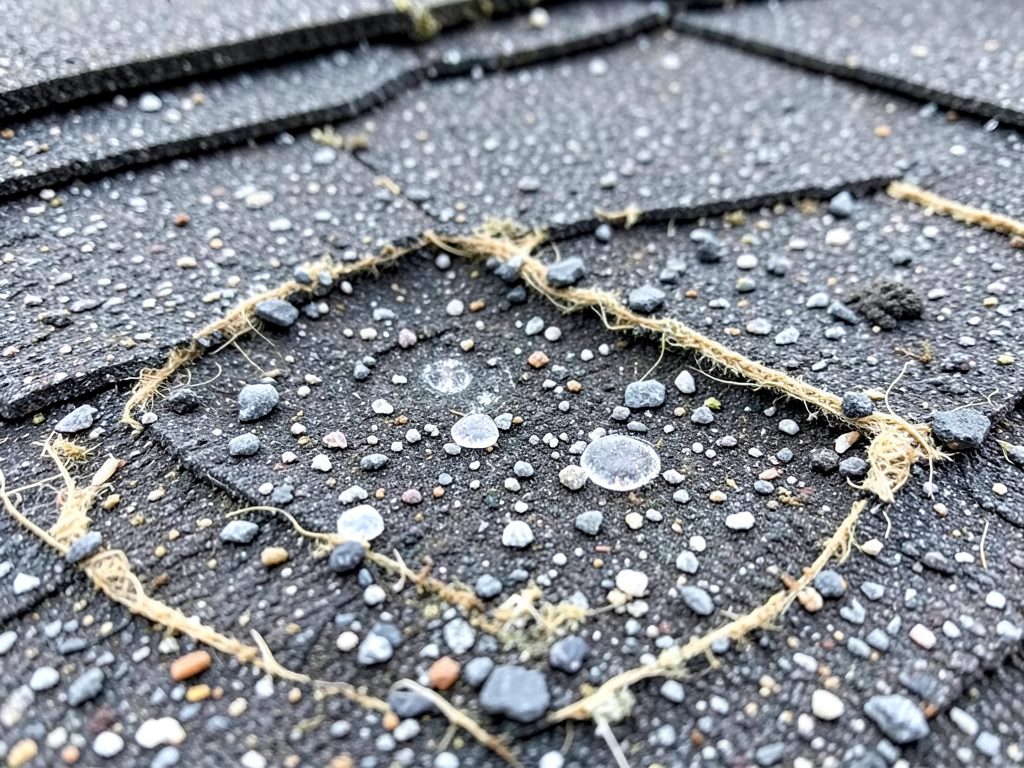
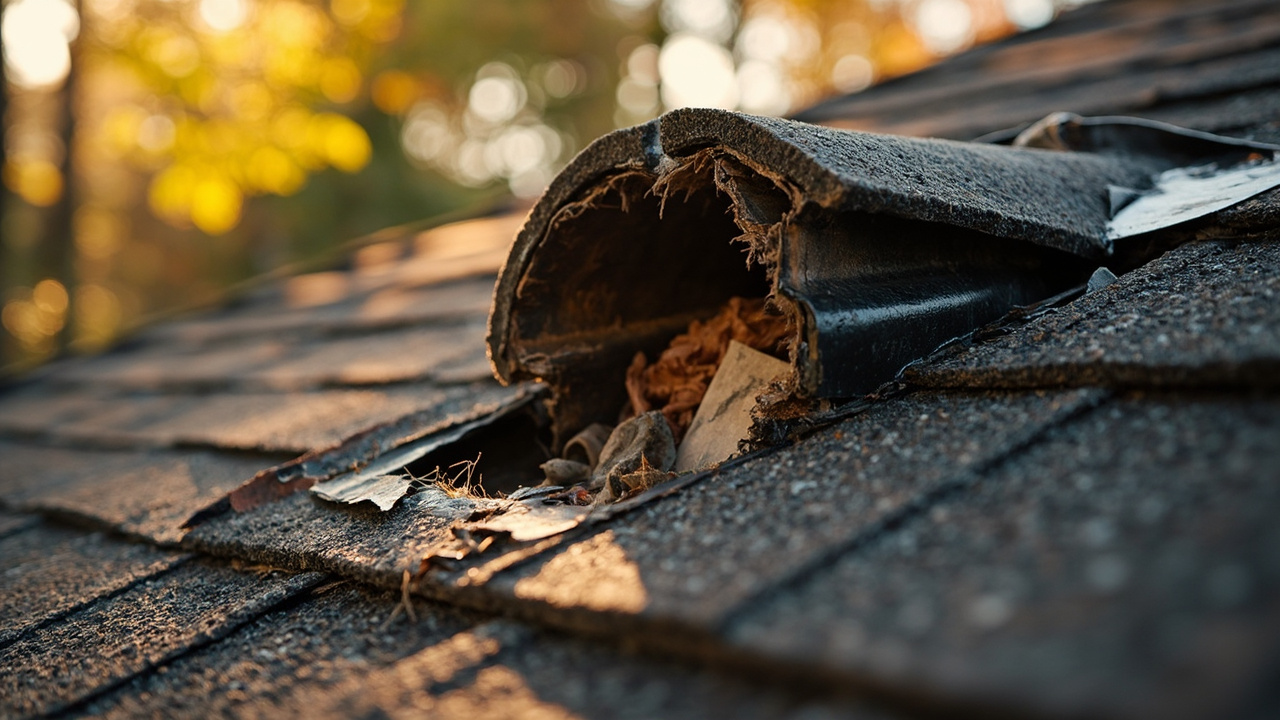
The humid subtropical climate compounds the issue. Moisture trapped by pest damage shingles accelerates rot, making it easier for animals to expand entry holes. A single squirrel can gnaw through weathered fascia boards in hours. Raccoons rip apart roof vents to access warm attic spaces during winter months. Rodent roof damage often goes unnoticed until you see water stains on ceilings or hear scratching at night.

Vermin roof destruction is not cosmetic. Animals shred insulation, chew electrical wiring, and create fire hazards. Their droppings carry histoplasmosis spores, and urine soaks into wood decking, weakening structural integrity. In East Nashville's older bungalows and Germantown's historic homes, original wood shakes and aging ridge caps make easy targets. By the time you notice roof wildlife damage, the problem has usually spread beyond the initial entry point. Animals do not stop at one hole. They create networks of access routes, turning your roof deck into Swiss cheese.

Why Nashville Roofs Are Prime Targets for Wildlife and Vermin
How We Trace, Repair, and Reinforce Against Animal Entry

How We Trace, Repair, and Reinforce Against Animal Entry

We do not just patch the obvious hole and call it done. Our process starts with a forensic inspection of the entire roof system. We trace animal pathways by examining attic insulation disturbance, claw marks on rafters, and grease trails along fascia boards. Squirrels leave telltale chew patterns. Raccoons leave hand-sized entry tears. Bats stain soffits with guano streaks. Each species has a signature, and identifying it tells us where else to look.

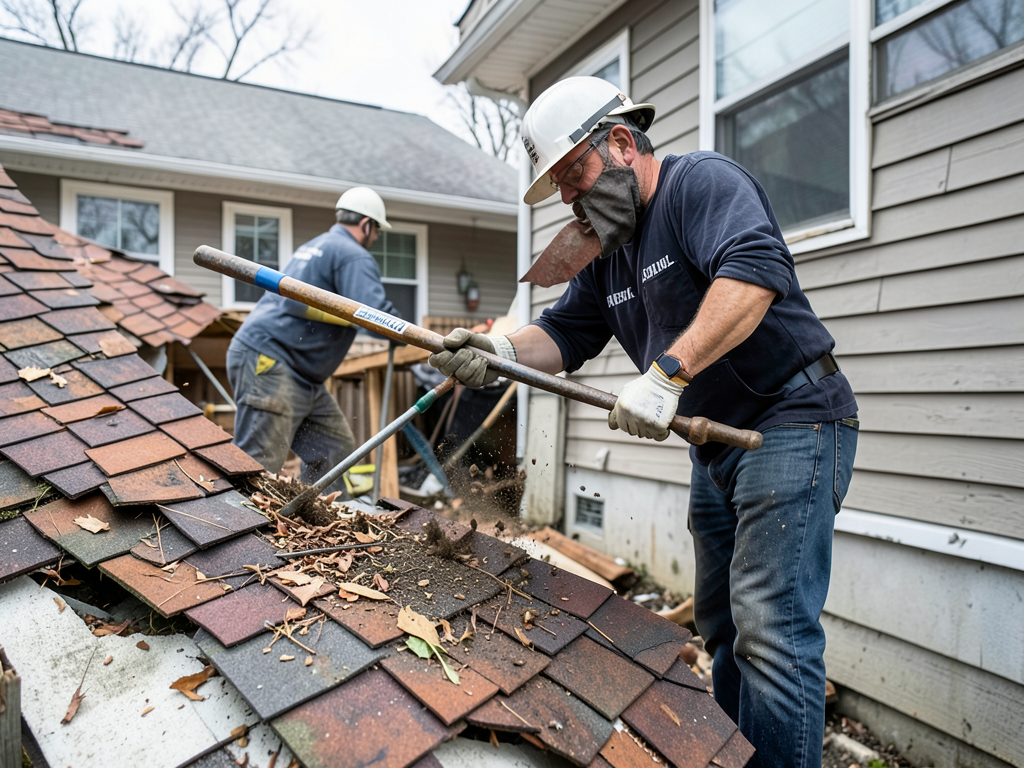
After mapping all entry points, we address the structural damage first. Compromised roof decking gets cut out and replaced with new OSB or plywood. Rotted fascia boards are sistered or fully replaced. We inspect the underlayment for moisture infiltration and replace sections where urine or rainwater has soaked through. If animals have chewed through flashing around chimneys or skylights, we remove the old material and install new step flashing or counterflashing with proper overlap.

Next comes exclusion reinforcement. We install heavy-gauge galvanized steel mesh over ridge vents and gable vents. Soffit gaps get sealed with quarter-inch hardware cloth, which animals cannot chew through. Pipe boots and plumbing stack vents are secured with custom-fit metal collars. We replace cheap plastic roof vents with steel-reinforced models designed to withstand clawing and impact.

Finally, we restore the weather envelope. New shingles are installed with proper nailing patterns to prevent uplift. Drip edge is secured with close-spacing fasteners. We seal all penetrations with polyurethane or butyl-based sealants that remain flexible through temperature swings. The goal is a roof system that sheds water, blocks entry, and does not telegraph weak spots to opportunistic wildlife.

What Happens During Your Wildlife Damage Roof Repair

Critter & Pest Damage in Nashville – Expert Diagnosis and Complete Repair to Stop Wildlife Before Structural Failure
01

Attic and Exterior Inspection

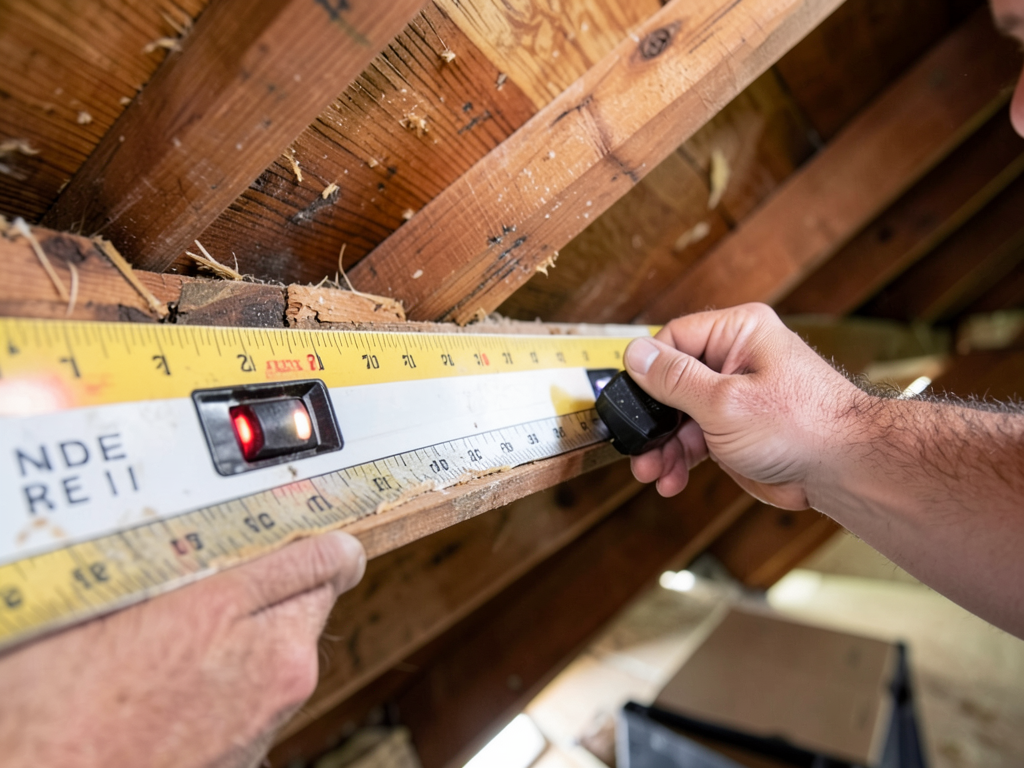
We start inside your attic, looking for nesting material, droppings, chewed wiring, and damaged insulation. Then we move to the exterior, using binoculars and drones to inspect ridge caps, valleys, and roof-to-wall transitions. Every soffit panel, fascia board, and vent gets checked for claw damage or gnaw marks. This dual approach reveals the full scope of animal intrusion roofing damage before any repair begins.
02

Structural Decking Repair

Once all entry points are mapped, we remove damaged shingles and underlayment to expose the roof deck. Rotted or chewed sections of plywood or OSB are cut out and replaced. We sister weakened rafters if necessary and treat all new wood with borate to resist future pest intrusion. Flashing around chimneys, skylights, and wall intersections is rebuilt using corrosion-resistant materials. This step ensures your roof structure is sound before any cosmetic work happens.
03

Exclusion Barriers and Weatherproofing

After structural repairs, we install metal mesh over all vents, secure soffits with hardware cloth, and replace vulnerable plastic components with steel-reinforced alternatives. New underlayment is rolled out, and shingles are installed with proper overlap and fastener spacing. Drip edge and ridge caps are sealed to prevent future water or wildlife entry. You leave with a roof that is structurally sound, weather-tight, and fortified against the next wave of Nashville critters.

Why Nashville Homeowners Choose Titan Roofing for Critter Damage Repairs

Most roofers treat animal damage like a simple patch job. They nail a piece of plywood over the hole, slap some shingles on top, and move on. That approach fails within months because the underlying rot, compromised flashing, and weak entry points remain. Animals return because the conditions that attracted them are still there.

Titan Roofing Nashville approaches wildlife damage as a structural and exclusion problem. We have repaired hundreds of Nashville roofs torn apart by raccoons in Belle Meade, squirrels in East Nashville, and bats in Germantown's century-old homes. We know the local wildlife behavior patterns. Raccoons in Nashville are aggressive and will return to the same den site year after year unless you physically block them with materials they cannot defeat.

Our team understands Nashville's building characteristics. Many homes in Hillsboro Village and 12 South have original wood siding, shallow roof pitches, and aging attic ventilation systems that create easy access for rodents. We do not just fix the damage. We redesign vulnerable transition points to meet current building standards while respecting the architectural style of your neighborhood.

We also work directly with your insurance adjuster. Most homeowners do not realize that animal damage is covered under standard homeowners policies if it happens suddenly, not over time. We document the damage with photos, moisture readings, and detailed repair estimates. Our reports help adjusters distinguish between acute animal intrusion and long-term neglect. That documentation often means the difference between a covered claim and an out-of-pocket expense.

You will not get upsold on a full roof replacement if the damage is localized. We give you the repair you need, not the sale we want.

What You Can Expect From Start to Finish

Fast Response and Scheduling

We schedule inspections within 48 hours of your call. If animals are actively entering your home or you have visible water intrusion from damaged areas, we prioritize emergency tarping and temporary exclusion measures. Most critter damage repairs are completed in one to three days, depending on the extent of decking replacement and flashing work. We coordinate with pest removal specialists if animals are still present, but our focus is securing the roof envelope so they cannot return.

Detailed Damage Assessment

Our inspection includes attic moisture readings, thermal imaging to detect hidden water infiltration, and a written report with photos of every damaged component. We identify all entry points, not just the obvious ones. You receive a line-item estimate that separates structural repairs, exclusion work, and cosmetic restoration. This transparency allows you to prioritize critical repairs if budget is a concern, though we recommend completing all exclusion work at once to prevent animals from simply moving to a different weak spot.

Durable and Weather-Tight Results

When we finish, your roof is stronger than before the damage occurred. New decking is fastened to code with ring-shank nails. Flashing is installed with proper lapping and sealed with polyurethane. Shingles are hand-sealed in high-wind zones. Metal exclusion barriers are through-bolted, not just glued. We do not use shortcuts or temporary fixes. The materials we install are designed to outlast the surrounding roof system, giving you decades of protection against both weather and wildlife intrusion.

Long-Term Prevention Guidance

After completing repairs, we walk you through maintenance steps to reduce future risk. This includes trimming tree branches within six feet of your roofline, installing chimney caps, and scheduling annual inspections to catch small vulnerabilities before animals exploit them. We provide a written summary of all exclusion measures installed and recommend follow-up inspections after severe storms. If new damage occurs, we return to assess whether it resulted from a structural failure or a new entry point, giving you clear answers and options.

Frequently Asked Questions

You Have Questions,
We Have Answers

What is the hardest pest to get rid of? +

Bed bugs are the hardest pest to eliminate. They hide in cracks, reproduce quickly, and resist many store-bought treatments. Termites also prove difficult because they nest deep inside walls and structural wood where you cannot see them. In Nashville, the humidity helps both pests thrive year-round. Bed bugs require heat treatments or professional-grade chemicals applied multiple times. Termites need bait systems or soil treatments that only licensed technicians can install properly. Trying to handle either pest yourself usually fails and wastes money. Professional inspection finds hidden colonies you miss.

Does critter control cost money? +

Yes, critter control services charge fees based on the animal type, infestation severity, and damage extent. Initial inspections typically cost between modest and moderate amounts, though some companies offer free assessments. Removal fees vary. Trapping a single raccoon costs less than excluding an entire colony of bats from your attic. Repair work adds to the total if animals damaged insulation, wiring, or structural components. In Nashville, wildlife removal often includes sealing entry points to prevent re-entry. Most companies provide estimates after inspecting your property. The cost prevents bigger repair bills later.

What are the types of damage by pests? +

Pests cause structural damage, contamination, and health hazards. Termites eat wood framing, floor joists, and roof decking, weakening your home's integrity. Rodents chew electrical wiring, creating fire risks, and gnaw through pipes, causing leaks. Raccoons tear insulation and leave waste that spreads disease. Birds nest in vents and chimneys, blocking airflow. In Nashville, squirrels often damage attic insulation during nesting season. Insects like carpenter ants hollow out wood beams. Pest droppings contaminate insulation and create odor problems. Each pest type requires different repair approaches after removal.

Is critter control still in business? +

Critter Control is a national franchise still operating with locations across the country. However, you should verify if your local Nashville office remains open by checking current contact information. Many wildlife removal companies operate in the Nashville metro area using similar names. When searching for help, confirm the business has current Tennessee Wildlife Removal licenses and insurance coverage. Look for companies with physical Nashville addresses and local references. Some national franchises change ownership or close locations without notice. Always verify credentials before hiring any wildlife service.

What pest is most damaging to a house? +

Termites cause the most structural damage to homes. They eat wood 24 hours daily and remain hidden inside walls for years before you notice problems. A mature termite colony contains hundreds of thousands of insects consuming floor joists, wall studs, and roof framing. In Nashville, the warm climate and clay soil moisture create perfect termite conditions year-round. Subterranean termites build mud tubes from ground soil to wood structures. Damage repair often costs thousands once you discover the infestation. Annual termite inspections catch problems early before structural compromise occurs.

What is the number one pest problem in America? +

Ants rank as America's number one pest problem, with carpenter ants and odorous house ants causing the most complaints. Termites follow closely, creating billions in damage annually. Cockroaches rank third because they spread disease and trigger allergies. In Nashville specifically, termites and rodents compete for top problem status because the humid climate supports both pests year-round. Moisture from Tennessee humidity attracts roaches and silverfish into homes. Each region faces different primary pests based on climate and housing types. Your neighborhood determines which pest you encounter most often.

Does insurance cover rodent removal? +

Standard homeowners insurance rarely covers rodent removal or damage repairs. Insurance companies classify rodent problems as preventable maintenance issues, not sudden accidents. Your policy may cover fire damage if rodents chewed wiring and sparked a blaze, but not the initial rodent removal or chewed wire replacement. Some policies exclude all rodent damage specifically. Nashville homeowners should read policy exclusions carefully. Business insurance sometimes includes pest coverage for commercial properties. If rodents damaged your roof structure and water leaked in, insurance might cover water damage but not rodent exclusion work.

Is it cheaper to DIY or hire an exterminator? +

Hiring a professional saves money for serious infestations. Store-bought treatments fail against established colonies, wasting your money on repeated purchases. Professionals identify the pest species correctly and use commercial-grade products unavailable to consumers. DIY works for minor ant problems or single mice. For termites, bed bugs, or wildlife, professional treatment costs less than repairing damage from delayed or failed DIY attempts. In Nashville, treating termites yourself violates treatment warranties required for home sales. Exterminators also guarantee their work, returning free if pests reappear within the warranty window.

What are common signs of a rodent infestation? +

Rodent droppings near food storage areas signal active infestation. You find small, dark pellets along baseboards, in cabinets, or under sinks. Gnaw marks appear on food packaging, wood trim, and electrical wires. You hear scratching sounds inside walls or ceilings at night when rodents are most active. Grease marks streak along walls where rodents travel repeatedly. In Nashville attics, rodents leave trails through insulation and create nests from shredded materials. You may smell a musky odor in enclosed spaces. Pets act alert near walls where rodents hide.

What pest causes the most damage? +

Termites cause the most financial damage, destroying structural wood components that require extensive rebuilding. Carpenter ants follow closely, hollowing out beams and framing over years. Rodents create fire hazards by chewing electrical wiring and cause water damage by gnawing pipes. In Nashville, moisture from humidity accelerates wood-destroying pest damage. Raccoons tear apart attic insulation and damage roof vents during entry. Each pest damages homes differently. Termites weaken foundations and framing. Rodents create immediate safety hazards. Wildlife destroys insulation and roofing materials. Quick removal prevents damage from worsening regardless of pest type.

Nashville's Urban Canopy and Wooded Lots Make Roof Wildlife Damage Inevitable Without Proactive Barriers

Nashville's tree canopy coverage exceeds 47 percent in neighborhoods like Forest Hills and Oak Hill, giving squirrels, raccoons, and opossums direct roof access year-round. The city's mild winters mean animals remain active instead of hibernating, increasing the window for roof wildlife damage. Older homes in East Nashville and Germantown often have wood shake roofs, open eaves, and unscreened ridge vents that predate modern exclusion standards. Rodent roof damage accelerates here because the building materials are softer and easier to chew. Without steel-reinforced barriers and properly sealed penetrations, even a new roof remains vulnerable to determined wildlife.

Titan Roofing Nashville has spent years working in every corner of Davidson County, from the historic shotgun houses in Inglewood to the sprawling estates in Belle Meade. We understand the city's construction timelines and the vulnerabilities that come with different eras of building codes. Nashville's rapid growth means pest control and roofing often operate in silos, leaving homeowners to coordinate between trades. We bridge that gap by handling both the exclusion and the structural repair, giving you one point of contact and accountability. When you call us for vermin roof destruction repairs, you are working with a team that knows Nashville's wildlife, weather, and building stock inside and out.
Roofing Services in The Nashville Area

Titan Roofing Nashville is proud to serve the entire Nashville area, including surrounding communities. View our location on the map to see where our trusted services are available. We are dedicated to providing prompt, localized roofing solutions, so reach out today to confirm service in your specific neighborhood or to schedule an on-site consultation at your convenience.

Address:
Titan Roofing Nashville, 720 Music Cir E, Nashville, TN, 37203

Additional Services We Offer

Our news updates

Latest Articles & News from The Blogs

The Dangers of Leaving Old Satellite Dishes Bolted to Your Roof in Berry Hill Old satellite dishes bolted to your…

The Dangers of Leaving Old Satellite Dishes Bolted to Your Roof in Berry Hill

The Dangers of Leaving Old Satellite Dishes Bolted to Your Roof in Berry Hill Old satellite dishes bolted to your…

How to Safely Inspect Your Roof for Damage Using Just a Pair of Binoculars

The Safe Way to Inspect Your Nashville Roof: A Homeowner’s Guide Living in Nashville means your roof faces intense spring…

Creative Ways to Use Your Flat Roof for an Outdoor Living Area in 12 South

Creative Ways to Use Your Flat Roof for an Outdoor Living Area in 12 South Living in 12 South means…

Contact Us

Critters do not take breaks. Every day of delay is another day of structural damage, health risk, and expensive repairs. Call Titan Roofing Nashville at (615) 640-4994 for a same-week inspection and a clear plan to seal, repair, and protect your roof from wildlife intrusion.