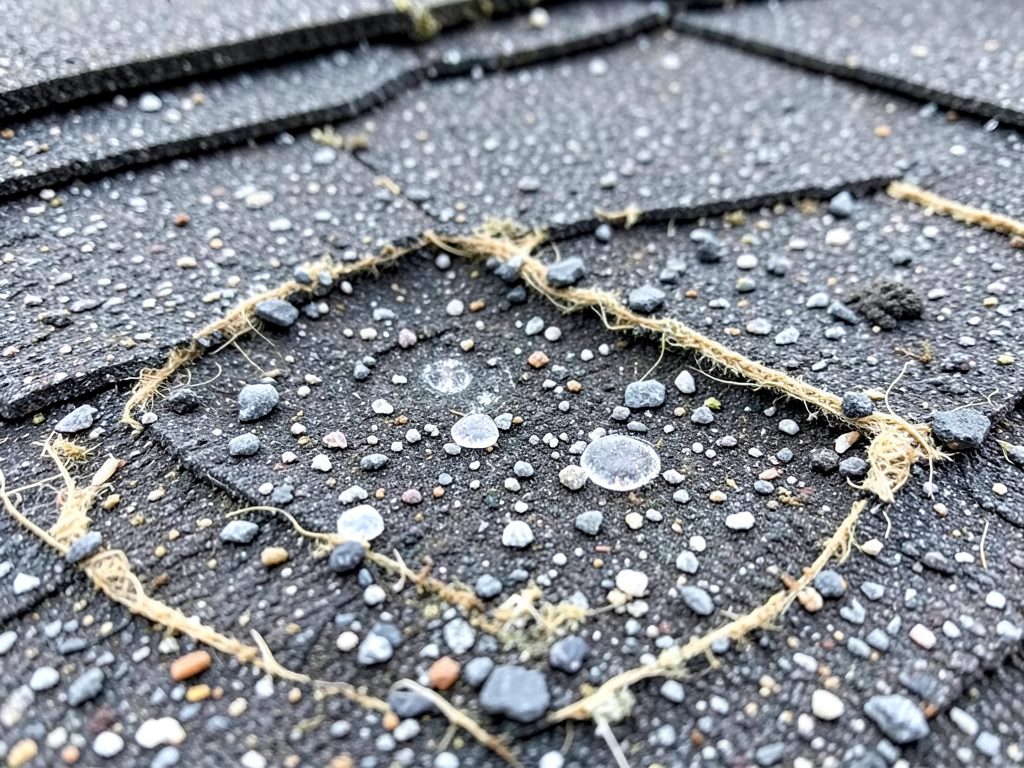


Middle Tennessee's climate creates specific challenges for reroofing over existing shingles. Summer humidity levels regularly exceed 70 percent, and temperatures reach the mid-90s for weeks at a time. This combination accelerates asphalt degradation in the top layer while trapping moisture against the bottom layer. Spring severe weather brings high winds and hail that damage layered roofs more extensively than single-layer systems because the cushioning effect of multiple layers allows more flex and movement. Winter ice dams form more readily on layered roofs because the insulating effect of double shingles creates temperature differentials that promote freeze-thaw cycles at roof edges and valleys.
Nashville homeowners benefit from working with contractors who understand Metro codes and local inspection requirements. Davidson County requires permits for most roofing work, and inspectors specifically check for proper ventilation upgrades when approving shingle overlays. Tennessee's position in the high-velocity hurricane zone means wind ratings matter more here than in northern states. A roof layover must meet the same wind resistance standards as new installation, which requires specific fastener patterns and edge detailing. Local expertise ensures your project passes inspection the first time and performs well in the weather conditions specific to this region.