menu

TPO vs EPDM Roofing Guide for Nashville – Making the Right Choice for Your Flat Roof Investment

Compare thermoplastic polyolefin and rubber roofing systems side by side, with clear analysis of performance, longevity, and which membrane handles Nashville's climate extremes better.

Slider Image 1
Slider Image 2
Slider Image 3
Slider Image 4
Slider Image 5
Slider Image 7
Slider Image 8
Slider Image 9
Slider Image 10
Slider Image 11

Why Nashville Building Owners Struggle with the TPO or EPDM Decision

You stand on your flat roof, staring at the quote in your hand, and the question hits hard. TPO or EPDM? The EPDM vs TPO cost comparison shows different numbers, but the real difference between TPO and EPDM goes deeper than the initial price tag.

Nashville's climate puts unique stress on flat roofing systems. Summer heat regularly pushes surface temperatures past 160 degrees. Winter brings freeze-thaw cycles that crack weak seams. Spring storms dump heavy rain that tests every welded joint and adhesive bond. Your roof handles all of it, every day, with no margin for error.

Most property owners focus on upfront cost. They miss the bigger picture. EPDM, a synthetic rubber membrane, has protected commercial buildings since the 1960s. TPO, a thermoplastic polyolefin blend, entered the market in the 1990s with promises of better heat reflection and stronger seams. Both handle flat roof applications. Both work in Nashville. The TPO vs EPDM pros and cons depend entirely on your building's specific needs.

The wrong choice costs you twice. First in premature failure. Then in emergency repairs when water soaks through your ceiling during a spring thunderstorm. Nashville's humidity accelerates problems that start small. A weak seam becomes a leak. A leak becomes mold. Mold becomes a health code violation that shuts down operations.

Understanding thermoplastic polyolefin vs rubber roofing means looking past marketing claims. You need data on thermal movement, seam strength, puncture resistance, and how each membrane responds to Nashville's temperature swings and UV exposure.

Why Nashville Building Owners Struggle with the TPO or EPDM Decision
How TPO and EPDM Membranes Actually Perform in Real Conditions

How TPO and EPDM Membranes Actually Perform in Real Conditions

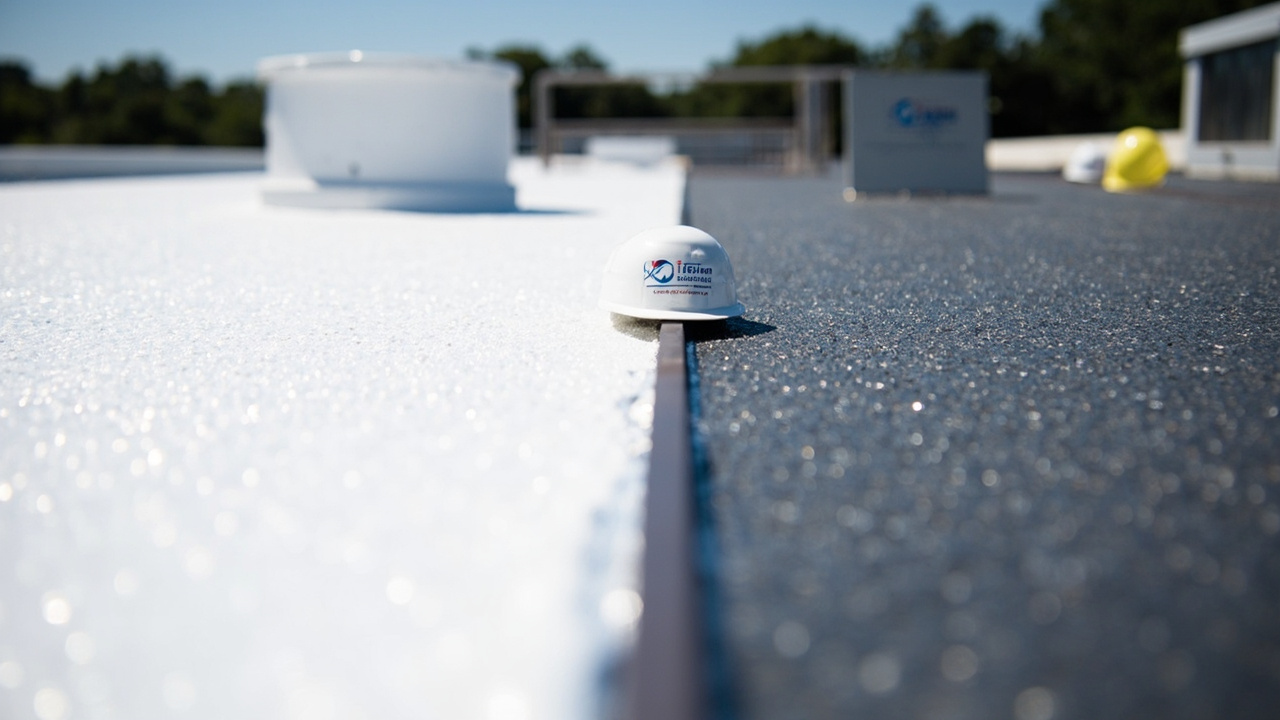
EPDM arrives in rolls, black or white, typically 45 to 60 mils thick. Installers bond seams with tape or liquid adhesive. The rubber remains flexible across temperature extremes. It handles thermal expansion without cracking. The material resists ozone and UV degradation naturally. You see EPDM on hospitals, schools, and warehouses across Nashville because it delivers predictable performance for decades.

TPO comes in white, tan, or gray, ranging from 45 to 80 mils thick. Installers heat-weld the seams, creating bonds stronger than the membrane itself when done correctly. The white surface reflects more solar radiation than EPDM, reducing cooling loads. This matters in Nashville, where air conditioning runs from April through October. TPO handles foot traffic better than EPDM and resists punctures from hail and debris.

The difference between TPO and EPDM shows up in installation requirements. EPDM forgives minor installer errors. Seam tape compensates for uneven surfaces. TPO demands precision. Heat welding requires the right temperature, pressure, and overlap. Poor welding creates weak points that fail within five years. Proper welding creates seams that outlast the membrane.

Thermal movement separates adequate systems from failures. Nashville's temperature range spans 100 degrees from winter lows to summer highs. Roof surfaces experience even wider swings. EPDM's rubber composition flexes naturally. TPO's thermoplastic properties mean it expands and contracts more aggressively. Fastening patterns and seam placement must account for this movement, or the membrane pulls apart at stress points.

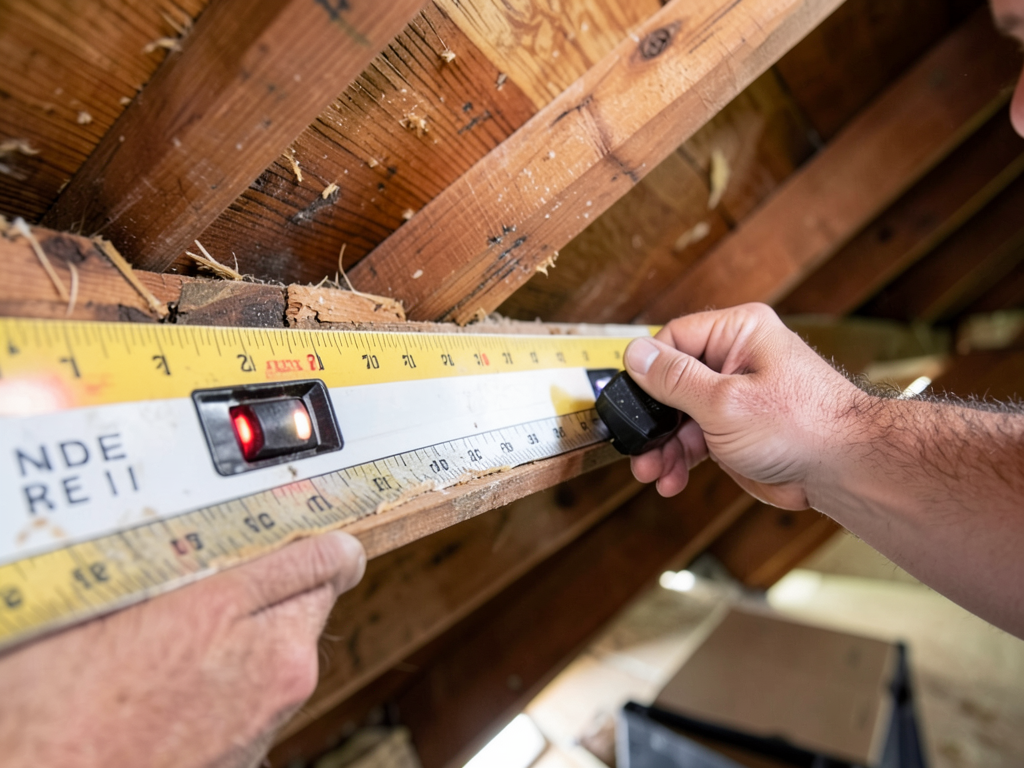
Titan Roofing Nashville evaluates substrate condition, drainage patterns, and existing penetrations before recommending either membrane. We test for moisture in the existing roof deck. We measure slope to ensure proper water flow. We calculate wind uplift requirements based on your building height and exposure.

What Happens When You Request a TPO vs EPDM Evaluation

TPO vs EPDM Roofing Guide for Nashville – Making the Right Choice for Your Flat Roof Investment
01

Roof Condition Assessment

We start with a thorough inspection of your existing roof system. Our team examines the current membrane condition, substrate integrity, drainage performance, and penetration details. We use thermal imaging to identify hidden moisture in the roof deck. We document problem areas with photos and measurements. This diagnostic phase determines whether your building needs a complete tear-off or qualifies for a recover system, which directly impacts the EPDM vs TPO cost comparison for your specific project.
02

Membrane Performance Analysis

We analyze how each membrane type performs based on your building's characteristics. We calculate thermal load differences between white TPO and black EPDM for your square footage and insulation levels. We evaluate seam layout options for your roof geometry. We assess puncture risk from nearby trees, mechanical equipment, and maintenance traffic patterns. We review your building use to determine if foot traffic, chemical exposure, or other factors favor one membrane over the other.
03

Custom Recommendation Report

You receive a detailed comparison showing TPO vs EPDM pros and cons for your specific building and budget. We provide projected energy savings, expected service life, and maintenance requirements for each option. We explain warranty differences between manufacturers and installation methods. We outline timeline, disruption to operations, and phasing options if you need to spread the project across multiple budget cycles. You get clear data to make an informed decision, not a sales pitch.

Why Nashville Commercial Property Owners Trust Local Roofing Expertise

National roofing companies fly in crews who have never worked in Nashville's climate. They apply the same installation specs they use in Phoenix or Minneapolis. Then they leave. You discover problems three years later when seams fail during a storm.

Local expertise matters because Nashville's weather patterns create specific challenges. Our summer heat indexes regularly exceed 100 degrees. Roof surface temperatures hit 170 degrees, which affects TPO welding parameters and EPDM adhesive curing times. Our humidity levels stay high even after rain stops, which impacts substrate drying and primer application windows. Installers who understand these conditions adjust their methods accordingly.

Titan Roofing Nashville has installed both TPO and EPDM systems on commercial buildings throughout Davidson County. We know which manufacturers' products perform better in local conditions. We have tracked long-term performance data on projects we completed ten and fifteen years ago. That history informs our recommendations today.

We maintain relationships with local building inspectors. We know Metro Nashville's commercial roofing code requirements. We understand the permitting process and timeline. We coordinate with your property manager or facilities team to minimize disruption. If you operate a restaurant, retail space, or office building, we schedule work to avoid your peak business hours.

Our crews live in Nashville. They understand urgency when spring storm season arrives. They respond quickly when you need emergency repairs. They stock common materials locally, which eliminates shipping delays when you need a warranty repair.

We provide references from Nashville property owners who faced the same TPO or EPDM decision you face now. You can drive by completed projects. You can call building managers who have worked with us. You can verify our track record with real data, not marketing claims.

What to Expect During Your Flat Roof Replacement Project

Project Timeline and Scheduling

Most commercial flat roof replacements take three to seven days, depending on square footage and complexity. Weather plays a significant role in Nashville. We monitor forecasts closely and adjust schedules to avoid rain during critical installation phases. TPO installation requires dry conditions for heat welding. EPDM allows slightly more flexibility but still needs dry substrate for proper adhesion. We provide a detailed schedule before work begins, with contingency plans for weather delays. You receive daily updates on progress and any issues we discover during tear-off. We coordinate material deliveries to minimize disruption and avoid blocking your parking areas or loading docks longer than necessary.

Inspection and Material Selection

After our initial assessment, we help you choose between TPO and EPDM based on performance data, not preference. We explain membrane thickness options and how they affect puncture resistance and cost. We review insulation upgrades that improve energy efficiency and extend membrane life. We discuss fastening methods, fully adhered versus mechanically attached systems, and how each option performs in Nashville's wind conditions. You see actual samples of both membranes. We explain warranty coverage from manufacturers and what our installation warranty includes. We answer questions about compatibility with existing equipment, future solar panel installation, or other modifications you might consider.

Installation Quality Standards

Our crews follow strict installation protocols that exceed manufacturer minimums. For TPO, we use calibrated heat welders and test every seam with a probe to verify proper bonding. For EPDM, we ensure proper overlap, use compatible primers and adhesives, and verify coverage rates. We install new flashing around all penetrations, properly integrate edge details, and ensure positive drainage to roof drains and scuppers. We clean up daily, protecting your property and maintaining safe access. We conduct a final inspection with you present, walking the entire roof to verify quality. You receive documentation of materials used, installation photos, and warranty paperwork before we consider the project complete.

Maintenance and Long-Term Performance

Both TPO and EPDM require minimal maintenance, but regular inspections extend service life significantly. We recommend twice-yearly inspections, spring and fall, to check seams, flashing, and drainage. We remove debris that accumulates around penetrations and drains. We identify minor issues before they become leaks. We offer maintenance agreements that include scheduled inspections and priority service for repairs. We keep detailed records of your roof's condition over time, which helps predict replacement timing and supports warranty claims if problems develop. We provide emergency repair service when storms damage your roof, with response times measured in hours, not days.

Frequently Asked Questions

You Have Questions,
We Have Answers

When to use EPDM vs TPO? +

Use EPDM for Nashville properties with low foot traffic and simple roof layouts. It handles our freeze-thaw cycles well and works best on residential flat roofs or garages. Choose TPO for commercial buildings with HVAC units or high sun exposure. TPO reflects Nashville's intense summer heat better, cutting cooling costs. If your roof has complex penetrations or requires frequent maintenance access, TPO's heat-welded seams hold up better than EPDM's glued seams. For green roofing systems common in downtown Nashville projects, EPDM's root resistance makes it the better pick.

Which lasts longer, a TPO or EPDM roof? +

EPDM typically lasts 20 to 25 years in Nashville's climate. TPO averages 15 to 20 years but varies by manufacturer quality. Nashville's temperature swings stress both materials differently. EPDM's rubber composition handles cold better but degrades faster under constant UV exposure. TPO's reflective surface protects it from sun damage but can become brittle during our occasional hard freezes. Proper installation matters more than material choice. Poor flashing details or ponding water will cut either membrane's life short. Regular inspections after Nashville's spring storms extend both materials' service life.

What are the disadvantages of a TPO roof? +

TPO seams can fail if not welded correctly, a common issue with rushed commercial jobs in Nashville. The material becomes brittle in cold weather, making winter repairs risky. Quality varies widely between manufacturers, and some formulations chalk or crack within 10 years. TPO costs more upfront than EPDM in the Nashville market. The membrane punctures easier than EPDM during hail storms, which hit Middle Tennessee regularly. TPO also requires specialized tools for repairs, making emergency fixes harder. If your contractor lacks proper heat-welding equipment, seam failure risk increases significantly.

What's cheaper, TPO or EPDM? +

EPDM costs less upfront in Nashville, typically running 20 to 30 percent cheaper than TPO for materials and installation. TPO's higher cost comes from specialized welding equipment and trained labor requirements. However, TPO's energy efficiency can offset the initial price difference through lower cooling bills during Nashville's hot summers. EPDM's lower cost makes it popular for residential applications and smaller commercial buildings. Total project costs depend on roof complexity, accessibility, and current material availability. Supply chain issues occasionally flip pricing in the Nashville market. Get quotes for both materials to compare actual costs for your specific building.

Can TPO and EPDM be used together? +

You cannot mix TPO and EPDM on the same roof plane. The materials require different adhesives, fasteners, and seaming methods. TPO uses heat welding while EPDM relies on tape or liquid adhesives. Their expansion rates differ, creating stress points where they meet. If you need to transition between materials, use a compatible termination bar and separate flashing details. Some Nashville commercial properties use EPDM on lower sections and TPO on upper sections with proper separation. This approach works only with careful planning and metal transitions. Mixing materials voids most manufacturer warranties and creates leak risks.

What are the disadvantages of EPDM roofing? +

EPDM absorbs heat during Nashville summers, increasing cooling costs compared to reflective TPO. The seams use tape or adhesive rather than heat welding, creating potential failure points during our severe thunderstorms. EPDM punctures easier than TPO when roofers walk on it for HVAC maintenance. The black surface shows every scuff mark and ages visibly faster. Adhesive seams can separate if installers apply them in humid conditions, common in Nashville spring and fall. EPDM also requires careful surface preparation. Any moisture or dust during installation compromises adhesion, leading to premature membrane separation and leaks.

How Nashville's Humidity and Storm Patterns Affect TPO and EPDM Performance

Nashville receives 47 inches of rain annually, concentrated in spring and winter months. Our humidity levels stay above 70 percent for much of the year. This moisture load creates condensation issues in poorly ventilated roof assemblies. EPDM's vapor permeability allows some moisture transmission, which can be beneficial or problematic depending on your building's vapor retarder design. TPO provides better vapor barrier performance, trapping moisture below the membrane. This matters for buildings with high interior humidity, like restaurants or indoor pools. Understanding thermoplastic polyolefin vs rubber roofing in Nashville's climate means analyzing your building's specific moisture management needs, not applying generic recommendations.

Metro Nashville building codes require commercial roofs to meet specific wind uplift ratings based on building height and exposure category. The difference between TPO and EPDM shows up in how each system achieves these ratings. Mechanically attached TPO uses more fasteners per square foot than EPDM to achieve equivalent wind resistance. Fully adhered systems of either membrane type provide the highest wind uplift ratings but cost more. Local building inspectors in Nashville understand these requirements and verify proper installation during inspections. Working with contractors familiar with Metro codes prevents delays and ensures your roof meets all regulatory requirements for occupancy and insurance coverage.
Roofing Services in The Nashville Area

Titan Roofing Nashville is proud to serve the entire Nashville area, including surrounding communities. View our location on the map to see where our trusted services are available. We are dedicated to providing prompt, localized roofing solutions, so reach out today to confirm service in your specific neighborhood or to schedule an on-site consultation at your convenience.

Address:
Titan Roofing Nashville, 720 Music Cir E, Nashville, TN, 37203

Additional Services We Offer

Our news updates

Latest Articles & News from The Blogs

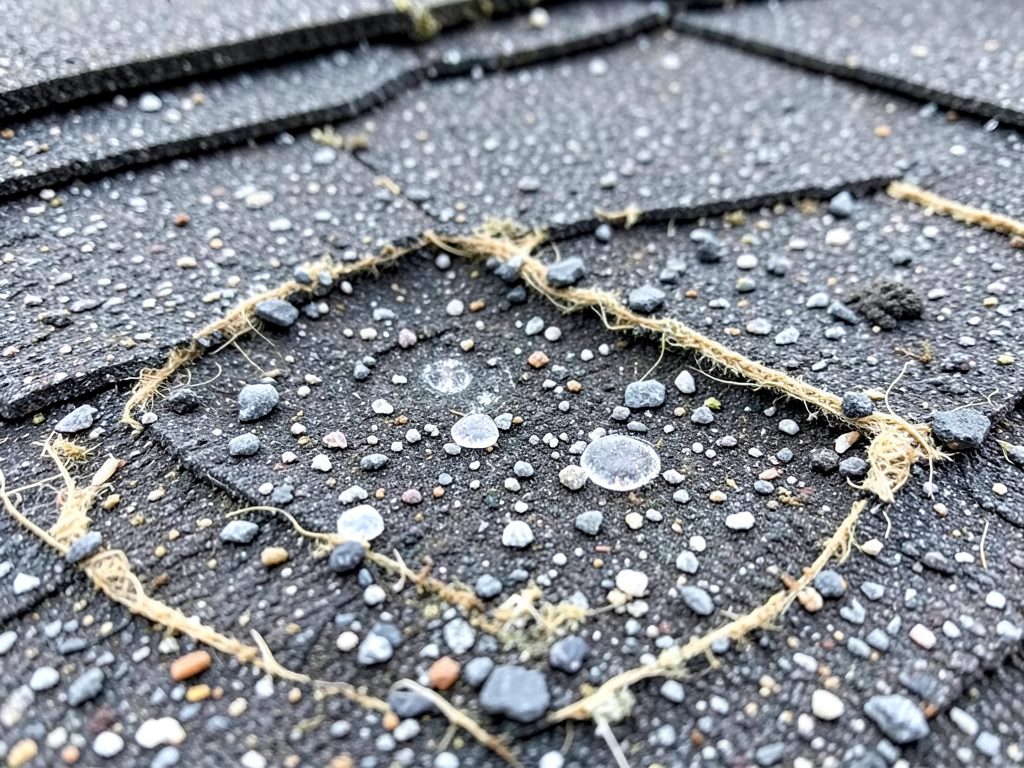
Why Your 100-Year-Old East Nashville Home Might Need Structural Reinforcement Before a New Roof Your 1920s Craftsman in East Nashville…

Why Your 100-Year-Old East Nashville Home Might Need Structural Reinforcement Before a New Roof

Why Your 100-Year-Old East Nashville Home Might Need Structural Reinforcement Before a New Roof Your 1920s Craftsman in East Nashville…

Understanding the Tear-Off Process and What Happens to Your Property During a Roof Replacement

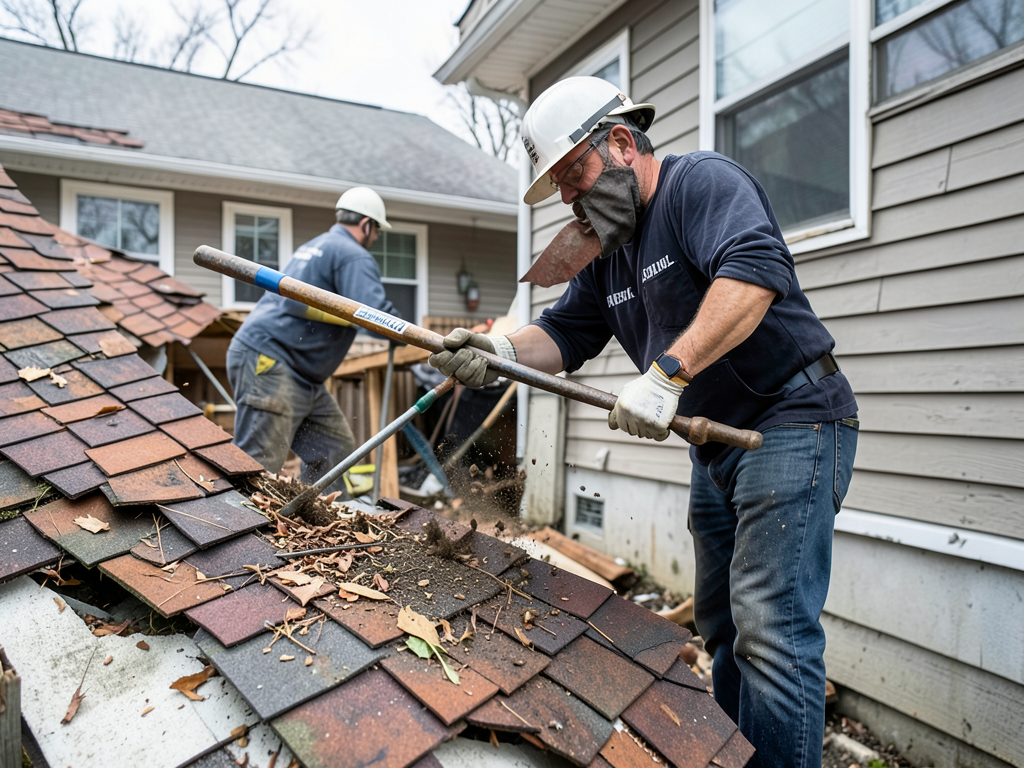
Understanding the Tear-Off Process and What Happens to Your Property During a Roof Replacement Replacing a roof in Nashville involves…

What to Do When Your Insurance Company Denies Your Nashville Hail Damage Claim

What to Do When Your Insurance Company Denies Your Nashville Hail Damage Claim Your roof insurance claim was denied. You…

Contact Us

Stop guessing which membrane fits your needs. We provide detailed analysis based on your building's actual conditions. Call (615) 640-4994 now for a thorough roof evaluation and honest recommendations backed by local performance data.