menu

Built-Up Roofing in Nashville – Protect Your Business with Multi-Ply Systems Built for Minimal Downtime

Commercial built-up roofs deliver proven durability for Nashville warehouses, distribution centers, and office buildings. Multi-ply roofing systems minimize business interruption with fast installation and decades of weather resistance.

Slider Image 1
Slider Image 2
Slider Image 3
Slider Image 4
Slider Image 5
Slider Image 7
Slider Image 8
Slider Image 9
Slider Image 10
Slider Image 11

Why Nashville Commercial Buildings Need Asphalt Built-Up Roofing

Your facility cannot afford repeated shutdowns for roof repairs. Nashville's climate creates unique stress on commercial roofing. Summer heat pushes temperatures on flat roofs past 160 degrees. Winter freeze-thaw cycles crack inadequate systems. Spring storms deliver high winds and hail that penetrate weak membranes.

BUR roofing systems handle these conditions through redundancy. Multiple plies of asphalt-saturated felt create overlapping layers. Hot asphalt between each ply bonds them into a waterproof membrane. The top layer of gravel protects the asphalt from UV degradation and reflects heat.

Nashville's commercial districts, from MetroCenter to Cool Springs, house facilities that cannot tolerate water intrusion. Distribution centers store inventory worth millions. Manufacturing plants run temperature-sensitive equipment. Office buildings contain server rooms and sensitive documents.

Traditional single-ply membranes offer one point of failure. A puncture compromises the entire system. Tar and gravel roofing provides multiple barriers. Water must penetrate several layers before reaching your deck. This redundancy keeps your operations running during repairs.

The low slope roofs common in Nashville warehouses trap water without proper drainage. Standing water accelerates membrane failure. Commercial built-up roofs resist ponding better than thinner systems. The aggregate surface creates friction that prevents sheet flow during storms.

Your business cannot wait days for emergency patches. Built-up roofing allows targeted repairs without replacing entire sections. We cut out damaged areas and install new plies that bond directly to existing layers.

Why Nashville Commercial Buildings Need Asphalt Built-Up Roofing
How We Install Multi-Ply Roofing Systems on Commercial Buildings

How We Install Multi-Ply Roofing Systems on Commercial Buildings

BUR roofing systems require precision from substrate to surface. We do not rush installations. Each layer must cure properly before we add the next ply. Shortcuts create delamination and premature failure.

We start with substrate inspection. Your existing deck must support the weight of asphalt built-up roofing. A typical four-ply system with gravel adds six pounds per square foot. We verify structural capacity before materials arrive. Weak decking gets reinforced with additional joists or replaced entirely.

Base sheet installation creates the foundation. We mechanically fasten the base ply directly to your deck using plates and screws spaced per wind uplift calculations. Nashville sits in a moderate wind zone, but your building height and exposure increase load requirements. We space fasteners tighter on roof edges and corners where uplift peaks.

Interply sheets go down in hot asphalt. We heat the asphalt to 400 degrees in our kettle. Temperature matters. Too cool and the plies will not bond. Too hot and we damage the felt. Each ply overlaps the previous layer by three inches on the sides and six inches at the ends. This staggers the seams so water cannot find a straight path through.

The flood coat and gravel finish the system. We apply a thick layer of hot asphalt across the entire roof, then immediately broadcast gravel into it. The aggregate embeds in the asphalt before it cools. This creates the protective surface that extends system life past 30 years.

We work in sections to maintain building operations. Large facilities get phased installations that avoid total roof access shutdown.

What Happens During Your Commercial BUR Installation

Built-Up Roofing in Nashville – Protect Your Business with Multi-Ply Systems Built for Minimal Downtime
01

Structural Load Assessment

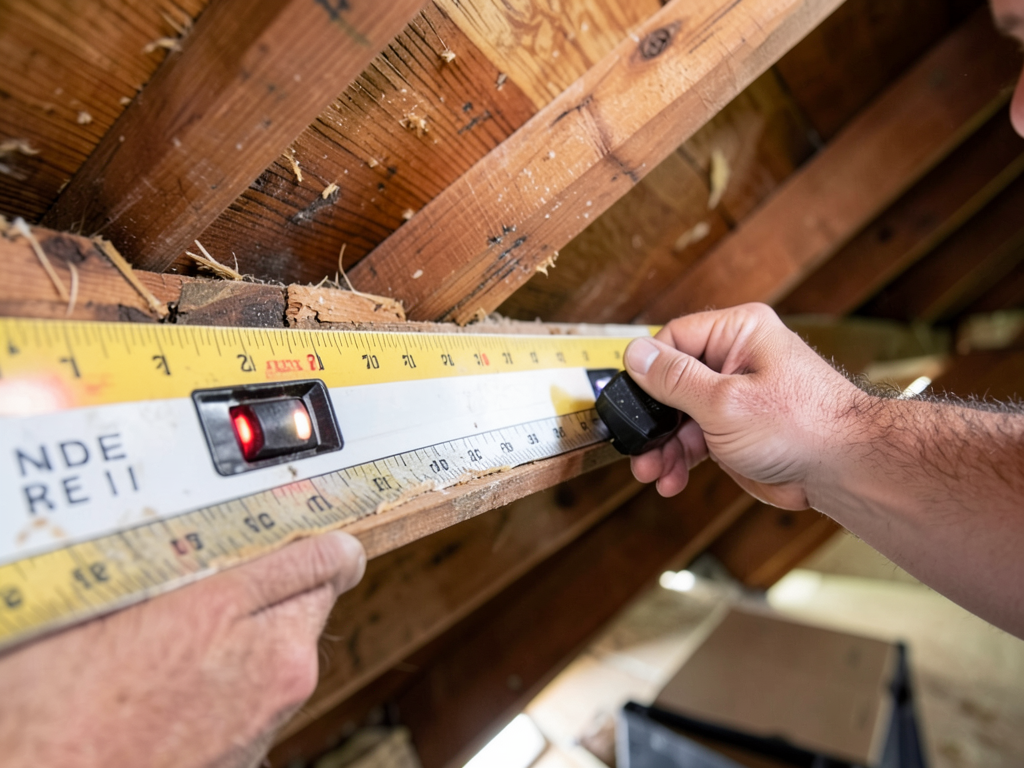
We measure your existing deck thickness, joist spacing, and span distances. Our engineers calculate whether your structure can support a multi-ply system with aggregate. Buildings constructed before 1990 often need reinforcement. We provide load analysis within 48 hours of inspection. You receive structural drawings showing any required modifications before we schedule installation.
02

Phased Layer Application

We install base sheets, interply felts, and surface layers in scheduled phases that keep portions of your building accessible. Each section gets completed before we move to the next area. Our crews work around loading docks, HVAC units, and rooftop equipment without disrupting operations. You maintain business continuity while we build your tar and gravel roofing system from deck to surface.
03

Final Inspection and Handoff

We conduct thermal imaging to verify complete adhesion between plies. Delaminated areas show temperature differences that indicate trapped air. We cut out any problem sections and reinstall those plies correctly. You receive documentation showing layer thickness, gravel coverage density, and fastener placement. We mark all penetrations and transitions on your facility drawings for future reference during maintenance.

Why Nashville Businesses Choose Titan Roofing for Built-Up Systems

Commercial roofing is not residential work at larger scale. The stakes are higher. A failed warehouse roof floods inventory. A leaking office building shuts down operations. You need a contractor who understands business continuity, not just roofing basics.

Titan Roofing Nashville specializes in minimizing operational disruption. We schedule installations around your business cycles. Distribution centers get night crews that work between shifts. Retail locations get phased installations that keep stores open. Manufacturing plants get weekend crews that finish sections during downtime.

We maintain our own asphalt kettles and application equipment. Other contractors rent equipment and rush installations to minimize rental costs. We own our tools. This eliminates pressure to cut corners. Our crews take the time needed to heat asphalt properly and achieve full ply adhesion.

Nashville's commercial building codes require specific fire ratings for built-up roofs. Class A systems need gravel coverage at 400 pounds per square. We measure and document coverage density during installation. Your building inspector gets photos and coverage calculations that verify code compliance.

We understand local architectural requirements. The Gulch, SoBro, and downtown Nashville have design review boards. Visible rooftop equipment needs screens. Gravel color must complement building facades. We coordinate with your architect to meet aesthetic requirements while delivering functional protection.

Our project managers communicate daily. You receive morning briefings on crew size, work scope, and expected completion time for that day's phase. You get afternoon updates confirming progress and any issues discovered. No surprises. No wondering what is happening on your roof.

Large facilities need documentation for insurance and tax purposes. We provide material certifications, installation photos, and thermal scans that prove system integrity.

What to Expect from Your Built-Up Roofing Project

Installation Timeline and Scheduling

A typical 20,000 square foot facility takes two to three weeks for complete BUR installation. Weather affects asphalt work. We do not install during rain or when temperatures drop below 40 degrees. Cold asphalt will not bond properly. We monitor forecasts and adjust schedules to avoid delays. Your project gets a dedicated crew that stays on site until completion. We do not move crews between jobs. This maintains quality and prevents timeline creep. You receive a detailed schedule showing which roof sections get completed each day.

Pre-Installation Roof Assessment

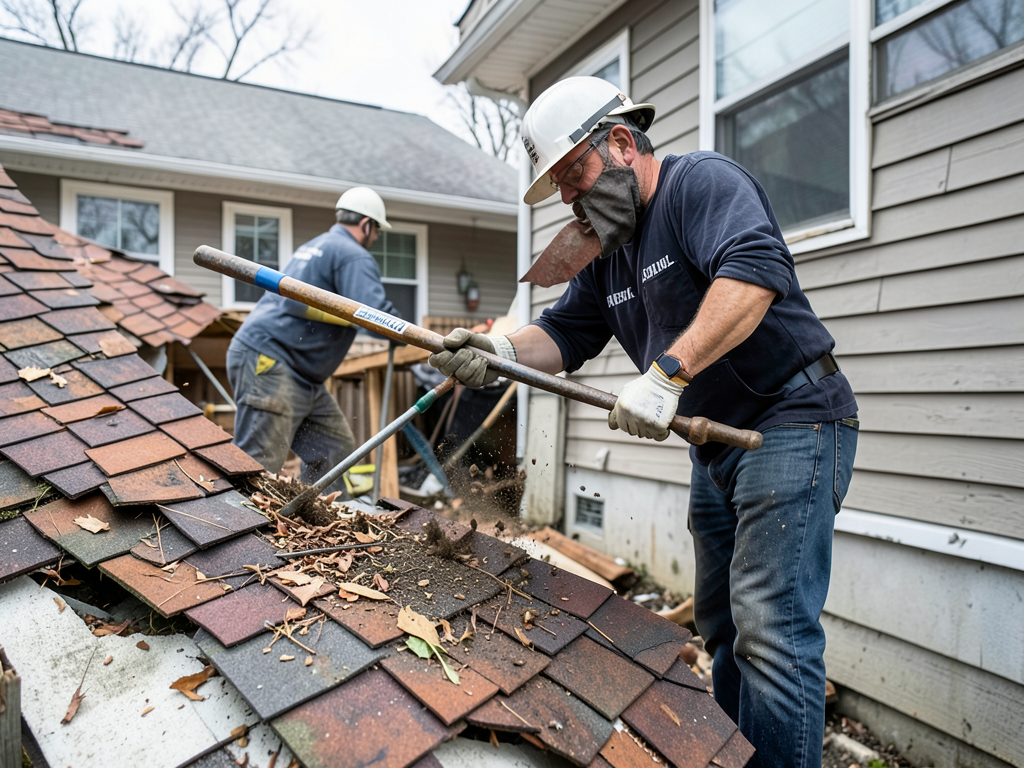
We conduct moisture surveys using infrared cameras before removing your existing roof. Wet insulation must be replaced. Leaving moisture trapped under new asphalt built-up roofing creates blisters and premature failure. We core sample suspicious areas to verify insulation condition. You get a detailed report showing wet areas, required tear-off zones, and sections where we can install over existing materials. This assessment prevents change orders and budget surprises. We identify all structural issues before crews arrive.

System Performance and Longevity

Commercial built-up roofs deliver 25 to 35 years of service life when installed correctly. The aggregate surface protects the asphalt from UV breakdown that destroys exposed membranes in 15 years. You can walk on tar and gravel roofing without damage. HVAC contractors and other trades can access equipment without special walkway pads. Puncture resistance exceeds single-ply systems by significant margins. Sharp objects must penetrate multiple plies before reaching your deck. This redundancy prevents small damage from becoming major leaks.

Maintenance and Repair Access

Built-up roofing systems allow sectional repairs. We cut out damaged areas and install new plies that integrate with existing layers. Hot asphalt bonds new material directly to old. Other systems require large patches or complete membrane replacement. We provide annual inspections that catch small problems before they become expensive failures. Our crews check for gravel displacement, blister formation, and flashing deterioration. You receive reports with photos and repair cost estimates. Planned maintenance extends system life and prevents emergency shutdowns.

Frequently Asked Questions

You Have Questions,
We Have Answers

What does built-up roofing mean? +

Built-up roofing is a multi-layer flat or low-slope roofing system constructed with alternating layers of bitumen and reinforcing fabrics. You build it up on-site, layer by layer, to create a durable membrane. The system typically includes a base sheet, multiple plies of roofing felt saturated with hot asphalt or coal tar, and a top surfacing of gravel or mineral granules. Nashville commercial properties favor this method because it creates redundancy. If one layer fails, others provide backup protection. The weight and thermal mass also help manage Nashville's temperature swings and storm exposure.

What is another name for built up roofing? +

Built-up roofing goes by BUR in the trades. You may also hear it called tar and gravel roofing, especially in Nashville, where older commercial buildings still feature this system. Some contractors refer to it as a conventional roof or aggregate roof, depending on the surfacing material. The industry standard abbreviation is BUR. All these terms describe the same multi-ply bituminous system. When reviewing bids or specifications for your Nashville commercial property, these names are interchangeable. The key identifier is the layered construction method with bitumen adhesive.

How long does built-up roofing last? +

A properly installed built-up roof lasts 20 to 30 years in Nashville's climate. Longevity depends on maintenance frequency, drainage effectiveness, and exposure to Nashville's temperature extremes and UV radiation. Systems with gravel surfacing typically outlast smooth-surface installations because the aggregate protects the bitumen from UV degradation and physical damage. Regular inspections prevent small issues from escalating. High foot traffic or ponding water reduces lifespan significantly. The multiple plies provide inherent redundancy, so even as the top layers age, lower plies continue protecting your facility.

How is a built-up roof installed? +

Installation begins with a clean, dry substrate. Contractors apply a base sheet mechanically fastened or fully adhered to the roof deck. They heat bitumen in a kettle to approximately 400 degrees Fahrenheit, then mop it across the base sheet. A ply sheet gets embedded in the hot bitumen immediately. This process repeats for each subsequent ply, typically three to five layers total. The final flood coat of bitumen receives aggregate surfacing while still hot. Nashville installers must work quickly before the bitumen cools. Weather conditions affect installation timing significantly.

How many layers is a built-up roof? +

Most built-up roofing systems in Nashville commercial applications use three to five plies, not counting the base sheet. A typical specification calls for four plies. Light-duty applications may use three plies, while high-traffic areas or facilities requiring maximum protection use five or more. Each ply adds redundancy and waterproofing capacity. More plies increase system weight, which requires structural evaluation of your roof deck. The number of plies directly affects cost, warranty terms, and performance expectations. Your roofing engineer specifies ply count based on building use and exposure factors.

Why do insurance companies not like flat roofs? +

Insurance underwriters flag flat roofs because water pools instead of shedding quickly. Ponding water accelerates membrane deterioration and increases leak probability. Flat roofs require more frequent maintenance and inspection than sloped systems. Nashville's heavy rainfall events compound this concern. Insurance adjusters view flat roofs as higher claim risks, particularly for water damage and structural issues. However, well-maintained built-up roofing systems with proper drainage minimize these concerns. You can reduce premiums by documenting regular maintenance, installing tapered insulation for positive drainage, and providing inspection records to your carrier.

What does built-up roofing look like? +

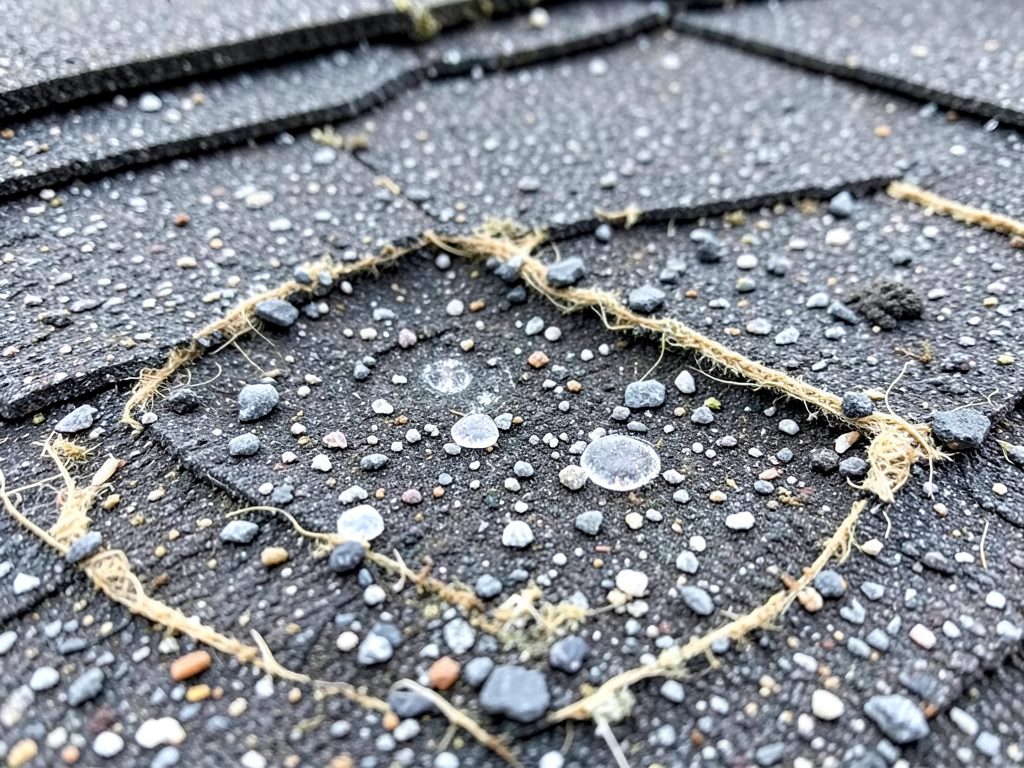
Built-up roofing typically appears as a dark surface covered with light-colored gravel or crushed stone. The aggregate creates a textured, gray or tan appearance. You may see smooth surfaces on some installations where mineral granules replace gravel. The edges and penetrations show distinct layering where the plies stack. Nashville commercial buildings often feature the traditional gravel look. Over time, the surface collects dirt and debris. You might notice variations in color where repairs occurred. The gravel shifts slightly over time, sometimes exposing darker bitumen underneath in high-traffic areas.

What are the three types of roofing? +

The three primary commercial roofing categories are built-up roofing, single-ply membrane systems, and modified bitumen. Built-up roofing uses multiple layers of bitumen and fabric. Single-ply systems like TPO, PVC, and EPDM use one membrane layer. Modified bitumen combines qualities of both, using polymer-enhanced bitumen sheets. Nashville commercial properties use all three types depending on building requirements, budget, and expected service life. Each system offers distinct advantages. Built-up roofing excels in redundancy and proven performance. Single-ply systems offer lighter weight and faster installation. Modified bitumen provides flexibility and ease of repair.

Is a built-up roof the same as a membrane? +

A built-up roof creates a membrane through multiple plies, but it differs fundamentally from single-ply membrane systems. Built-up roofing assembles the waterproofing barrier on-site through layering. Single-ply membranes arrive as pre-manufactured sheets you install in large sections. Both create a waterproof membrane, but the construction method and material composition differ significantly. Built-up systems use bitumen as the waterproofing agent, while single-ply systems rely on synthetic rubber or thermoplastic polymers. Nashville contractors often recommend built-up systems for facilities requiring maximum redundancy and puncture resistance that multiple plies provide.

Is $30,000 too much for a roof? +

Commercial roofing costs vary dramatically based on square footage, system type, building height, access challenges, and substrate conditions. No universal answer exists for whether any amount is appropriate without evaluating project specifics. For Nashville commercial properties, costs depend on building code requirements, structural capacity, and drainage needs. Request itemized proposals from multiple qualified contractors. Compare scope of work details, not just bottom-line numbers. Verify proposals include removal, disposal, substrate repairs, drainage improvements, and warranty coverage. Focus on lifecycle cost rather than initial investment. Cheap installations cost more long-term through frequent repairs.

How Nashville's Urban Heat Island Effect Impacts Commercial Roofing Choices

Downtown Nashville and surrounding commercial districts experience temperatures 5 to 10 degrees higher than rural Davidson County. Asphalt parking lots, dark building facades, and concentrated HVAC exhaust create heat islands that stress roofing systems. Single-ply membranes in these zones show accelerated aging. Tar and gravel roofing handles thermal stress better through its aggregate surface. The gravel reflects solar radiation and creates an air gap that reduces heat transfer to the asphalt below. This keeps your multi-ply roofing system cooler and extends membrane life in high-temperature zones.

Nashville building inspectors understand BUR roofing systems. Local commercial contractors have installed built-up roofs in this region for 70 years. Code officials know proper installation details and acceptance criteria. Out-of-town contractors often face reinspection and correction notices because they miss local requirements. We maintain relationships with Metro Nashville building inspectors. Our installations pass first inspection because we follow local interpretation of International Building Code requirements. Your occupancy permit does not get delayed by roofing code violations or installation disputes.
Roofing Services in The Nashville Area

Titan Roofing Nashville is proud to serve the entire Nashville area, including surrounding communities. View our location on the map to see where our trusted services are available. We are dedicated to providing prompt, localized roofing solutions, so reach out today to confirm service in your specific neighborhood or to schedule an on-site consultation at your convenience.

Address:
Titan Roofing Nashville, 720 Music Cir E, Nashville, TN, 37203

Additional Services We Offer

Our news updates

Latest Articles & News from The Blogs

The Dangers of Leaving Old Satellite Dishes Bolted to Your Roof in Berry Hill Old satellite dishes bolted to your…

The Dangers of Leaving Old Satellite Dishes Bolted to Your Roof in Berry Hill

The Dangers of Leaving Old Satellite Dishes Bolted to Your Roof in Berry Hill Old satellite dishes bolted to your…

How to Safely Inspect Your Roof for Damage Using Just a Pair of Binoculars

The Safe Way to Inspect Your Nashville Roof: A Homeowner’s Guide Living in Nashville means your roof faces intense spring…

Creative Ways to Use Your Flat Roof for an Outdoor Living Area in 12 South

Creative Ways to Use Your Flat Roof for an Outdoor Living Area in 12 South Living in 12 South means…

Contact Us

Your building needs a roof system that keeps operations running. Call Titan Roofing Nashville at (615) 640-4994 for commercial built-up roof installation. We provide structural assessment, detailed timelines, and installations that minimize business disruption.