menu

Blistering Shingles in Nashville – Expert Diagnosis and Permanent Repair Solutions

Titan Roofing Nashville identifies the root cause of asphalt shingle blisters and bubbling roof shingles, then applies targeted repairs that prevent recurring damage to your roof system.

Slider Image 1
Slider Image 2
Slider Image 3
Slider Image 4
Slider Image 5
Slider Image 7
Slider Image 8
Slider Image 9
Slider Image 10
Slider Image 11

Why Nashville Roofs Develop Shingle Blisters Faster Than Other Regions

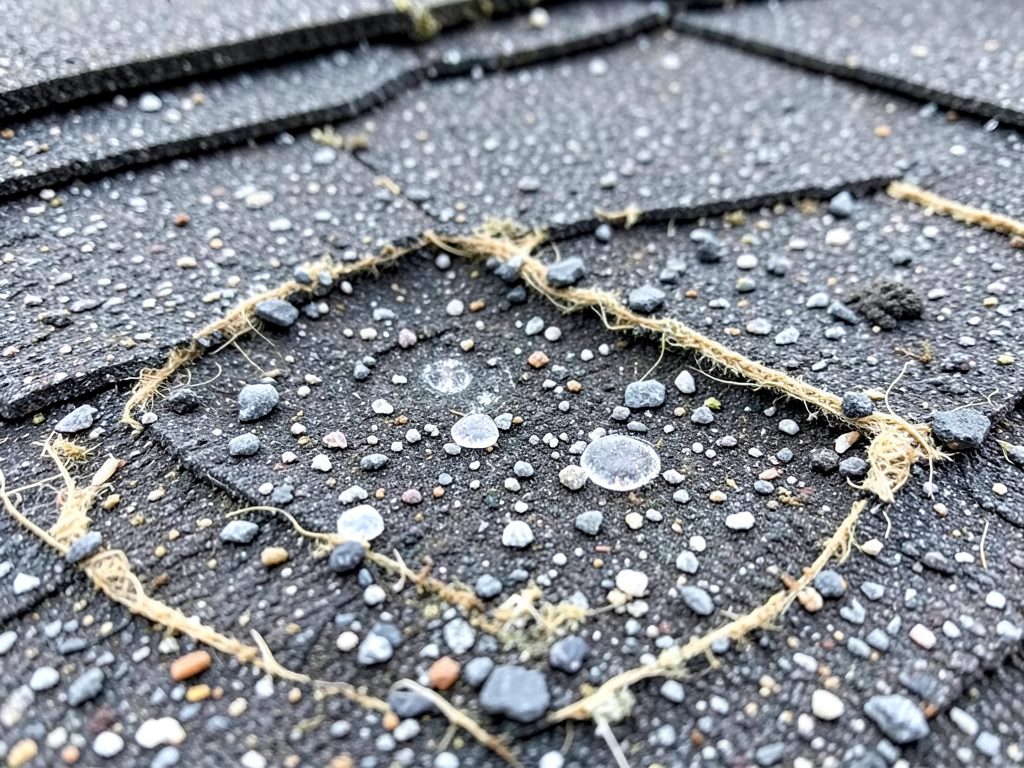
You walk outside and notice raised, bubble-like formations across your roof surface. These asphalt shingle blisters are not cosmetic flaws. They signal trapped moisture or volatile organic compounds expanding beneath the shingle surface, and Nashville's climate accelerates this damage.

The combination of high summer heat and intense humidity creates the perfect conditions for heat blisters on shingles. When daytime temperatures spike above 95 degrees and moisture from afternoon thunderstorms saturates the roof deck, trapped water vapor heats up and expands. The shingle surface bulges outward, creating those distinctive shingle bubbles you see from the ground.

Nashville's freeze-thaw cycles in winter compound the problem. Water that penetrates compromised shingles expands when it freezes, then contracts when temperatures rise. This constant movement weakens the granule bond and accelerates deterioration. What starts as a few bubbling roof shingles can spread across entire roof sections within a single season.

Poor attic ventilation makes the situation worse. Many homes in East Nashville and Germantown have inadequate ridge vents or soffit intake, causing heat to accumulate in the attic space. This trapped heat transfers directly to the roof deck, cooking the shingles from below and creating roof blisters even on newer installations.

The longer these blisters remain untreated, the more vulnerable your roof becomes. Once the protective granule layer erodes, UV radiation breaks down the asphalt base. Water infiltrates through the damaged areas, rotting the underlying decking and leading to interior leaks that threaten insulation, ceilings, and structural framing.

Why Nashville Roofs Develop Shingle Blisters Faster Than Other Regions
How We Diagnose and Repair Blistered Shingle Damage

How We Diagnose and Repair Blistered Shingle Damage

Most contractors see bubbling roof shingles and immediately quote a full replacement. We investigate the underlying cause first, because not all roof blisters require complete tear-off.

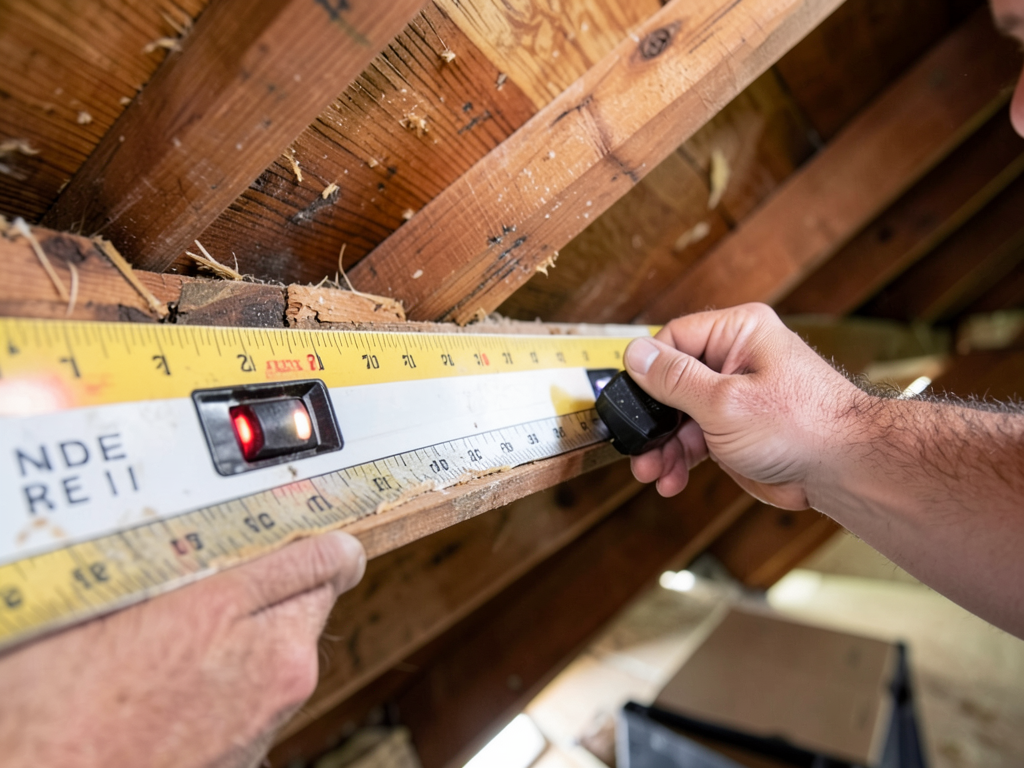
Our inspection starts in the attic. We measure temperature differentials between the attic space and the exterior, check ventilation calculations against current building codes, and use moisture meters to detect trapped water in the decking. If we find inadequate ventilation, we calculate the proper balance of intake and exhaust based on your specific roof pitch and attic square footage.

On the roof surface, we distinguish between moisture blisters and heat blisters on shingles. Moisture blisters feel soft when pressed and often appear in clusters near valleys or eaves where water accumulation occurs. Heat blisters feel firm and typically spread across southern or western exposures that receive the most direct sun. This distinction determines the repair approach.

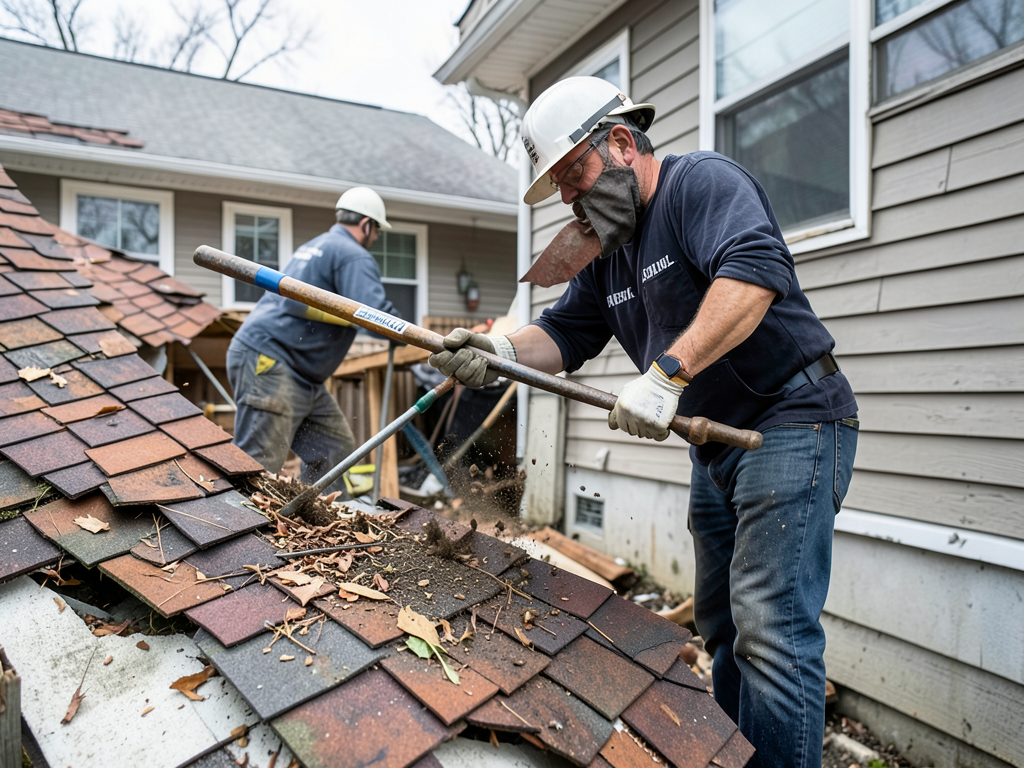
For localized damage, we remove affected shingles and inspect the underlayment and decking. If the decking shows no rot or delamination, we install new underlayment in that section and replace shingles with matching materials. If ventilation is the culprit, we add ridge vents or upgrade soffit intake to establish proper airflow before any shingle work begins.

When asphalt shingle blisters cover more than 30 percent of the roof surface, we recommend systematic replacement with improved ventilation integration. We remove old shingles down to the deck, replace any compromised plywood, install high-temperature ice and water shield in vulnerable areas, and specify impact-resistant shingles rated for Nashville's severe weather patterns.

Every repair includes a post-installation ventilation test to confirm proper attic airflow and temperature regulation.

What Happens During Your Blister Inspection and Repair

Blistering Shingles in Nashville – Expert Diagnosis and Permanent Repair Solutions
01

Attic and Surface Inspection

We examine your attic ventilation system and measure heat buildup, then photograph all visible shingle bubbles from the roof surface. You receive a detailed report showing moisture readings, ventilation deficiencies, and the extent of blister damage across each roof plane. This documentation separates cosmetic issues from structural threats that require immediate attention.
02

Targeted Repair or Replacement

For isolated blistering, we remove damaged shingles and inspect the decking for rot or delamination. We replace compromised materials, upgrade underlayment in affected areas, and install new shingles that match your existing roof. If ventilation caused the problem, we add ridge vents or improve soffit intake before reinstalling any roofing materials to prevent recurrence.
03

Ventilation Verification and Documentation

After repairs, we test attic temperatures and airflow to confirm proper ventilation balance. You receive photos of the completed work, ventilation specifications, and a maintenance guide explaining how to monitor for future blistering. We document all work for insurance claims and provide material receipts showing the grade of shingles and underlayment installed.

Why Nashville Homeowners Choose Local Expertise for Blister Repairs

National chains treat roof blisters as a one-size-fits-all problem. They miss the nuances of Nashville's climate and building practices that cause shingle failure in the first place.

We understand how homes built in different decades across Davidson County have different ventilation standards. Properties in historic districts like Belmont-Hillsboro often have passive vents that cannot handle modern attic insulation levels. Newer construction in Donelson may have adequate soffit intake but insufficient ridge exhaust. We calculate ventilation requirements based on your specific roof geometry and attic configuration, not generic formulas.

Our familiarity with local weather patterns informs material selection. We know that southern and western roof slopes in Nashville absorb more solar radiation than northern exposures. We specify shingles with higher temperature ratings for these areas and recommend reflective underlayment that reduces heat transfer to the decking.

When insurance adjusters review blister damage claims, they often deny coverage by claiming the damage results from wear and tear rather than a covered peril. We document ventilation deficiencies, manufacturing defects, and storm-related causes that support your claim. Our reports include thermal imaging, moisture readings, and code compliance analysis that adjusters recognize as professional documentation.

You need a contractor who can explain the difference between cosmetic blistering and structural damage. We show you exactly what requires immediate repair and what you can monitor over time. This transparency prevents unnecessary replacements while addressing genuine threats to your roof system.

Titan Roofing Nashville has repaired blister damage on every roof type across the metro area, from Victorian-era homes in East Nashville to modern subdivisions in Hermitage. We know which manufacturers honor warranty claims for defective shingles and how to navigate the documentation requirements.

What You Can Expect From Your Blister Repair Service

Inspection Timeline

We schedule roof inspections within 48 hours of your call. The assessment takes 45 to 90 minutes depending on roof size and attic accessibility. You receive a written report with photos and moisture readings within 24 hours. If we find active leaks or severe decking damage, we provide temporary protection while you review repair options. Emergency tarping is available the same day for situations where water intrusion threatens your interior.

Diagnostic Process

Our inspection includes attic ventilation calculations, thermal imaging to detect heat buildup, and moisture meter readings across the roof deck. We test shingle adhesion, check for manufacturing defects, and examine flashing around penetrations where water typically enters. You walk through the findings with us before we leave your property. We explain what caused the blistering, show you photos of the damage, and outline repair options with material specifications for each approach.

Repair Quality Standards

We match existing shingle colors and styles for localized repairs, blending new materials with your current roof. All underlayment upgrades use synthetic materials rated for high-temperature performance. Ventilation improvements meet or exceed current IRC code requirements for net free area calculations. We photograph each stage of the work and provide material receipts showing the grade and manufacturer of every component installed. Your roof passes a final inspection that tests for proper water shedding and ventilation airflow.

Post-Repair Support

You receive documentation showing ventilation specifications, material warranties, and maintenance recommendations. We explain how to monitor attic temperatures during summer months and what signs indicate developing problems. If new blisters appear within the first year after repair, we reinspect at no charge to determine if additional ventilation adjustments are needed. Our work is documented for future insurance claims or home sales, with detailed records of materials installed and code compliance verification.

Frequently Asked Questions

You Have Questions,
We Have Answers

What does shingle blistering look like? +

Shingle blisters appear as raised bubbles or bumps on the surface of asphalt roofing shingles. They look like small rounded bulges, similar to a blister on skin. The affected area may appear darker or discolored compared to the surrounding shingle surface. In Nashville's humid climate, these blisters often develop due to trapped moisture between shingle layers during installation or from poor attic ventilation. You may notice single blisters or clusters across multiple shingles. When a blister breaks open, it exposes the underlying mat, leaving a crater that accelerates deterioration and makes your roof vulnerable to water infiltration during Nashville's frequent summer storms.

What does it mean when shingles blister? +

When shingles blister, it means moisture or air became trapped beneath the shingle surface during manufacturing or installation. This trapped substance expands when temperatures rise, creating pressure that pushes the top layer upward. In Nashville, where summer heat can push roof surface temperatures above 160 degrees, this expansion accelerates blister formation. The process weakens the shingle structure by separating the protective granule layer from the asphalt base. Once this bond breaks, the shingle loses its weatherproofing ability and protective coating. Blistering signals a compromised roofing system that will continue degrading, especially under Nashville's combination of intense UV exposure, humidity, and temperature swings.

What stage of shingles are blisters? +

Shingle blistering occurs during the early deterioration stage of your roof's lifecycle. This typically appears 3 to 7 years after installation if poor ventilation or moisture issues exist, though manufacturing defects can cause immediate blistering. Blisters represent the first visible sign your shingles are failing. After blistering begins, shingles progress through cracking, granule loss, curling, and eventual structural failure. In Nashville's climate, where high humidity and summer heat accelerate aging, blistered shingles deteriorate faster than in drier regions. Catching blistering early allows you to address ventilation problems or installation defects before widespread damage occurs, potentially extending your roof's lifespan and preventing interior water damage.

Is shingles contagious when blistering? +

Shingle blistering on your roof is not contagious and poses no health risk. This question often confuses roofing blisters with the medical condition called shingles, which is a viral infection causing painful skin blisters. Roofing shingle blisters are a physical defect in asphalt roofing materials caused by trapped moisture or poor manufacturing. However, the underlying cause of one blistered shingle often affects adjacent shingles. If poor attic ventilation caused blistering, multiple shingles across your Nashville roof will likely develop the same problem. The issue spreads due to shared environmental conditions, not through contact. Addressing the root cause stops new blisters from forming on undamaged shingles.

What dries up shingles blisters? +

Nothing dries up roofing shingle blisters. Once a blister forms on an asphalt shingle, the damage is permanent and irreversible. The blister represents a structural separation between the shingle's top coating and its base mat. Even if moisture evaporates, the bond remains broken and the weakened area continues degrading. In Nashville's climate, exposed blistered areas absorb more moisture during rainstorms, accelerating deterioration. The granules protecting the asphalt wash away, and UV radiation breaks down the exposed material. Your only solution is shingle replacement. Attempting quick fixes like sealants or coatings temporarily masks the problem but does not restore structural integrity. Professional inspection determines whether you need targeted repairs or full replacement.

What can be mistaken for shingles blisters? +

Several roofing issues look similar to shingle blistering. Hail damage creates circular bruises or dents that resemble collapsed blisters, common after Nashville's spring storm season. Manufacturing defects like improper asphalt saturation cause surface irregularities that mimic blistering. Granule loss from age or poor quality creates discolored spots similar to broken blisters. Thermal splitting from expansion and contraction produces small cracks that can look like blister edges. Algae or moss growth on north-facing slopes creates raised, dark patches. Delamination, where shingle layers separate completely, appears similar but affects larger areas. Accurate diagnosis requires close inspection to identify the specific problem and its underlying cause before determining the right repair approach.

How long will shingles blisters last? +

Roofing shingle blisters are permanent once they form. Unlike medical blisters that heal, structural damage to asphalt shingles does not repair itself. The blister remains until you replace the affected shingle. However, blisters worsen over time rather than staying static. In Nashville's climate, where temperature extremes and UV exposure are intense, a small blister typically breaks open within 6 to 18 months, exposing the underlying mat. Once broken, deterioration accelerates rapidly. Rain infiltrates the compromised area, freeze-thaw cycles during winter expand the damage, and summer heat continues breaking down the exposed asphalt. Early replacement of blistered shingles prevents this progression and protects your roof deck from water damage.

What do shingles blisters look like when healing? +

Roofing shingle blisters do not heal. This question likely confuses roofing damage with the viral infection called shingles. Asphalt roofing shingles are manufactured products that cannot regenerate or repair themselves. A blistered shingle only worsens over time. When a blister breaks open, you will see a shallow crater or depression where the top layer separated. The exposed area appears darker because the protective granules are gone, revealing raw asphalt or the fiberglass mat underneath. In Nashville's climate, this exposed area weathers rapidly, turning brittle and cracked. Moss or algae may colonize the damaged spot. The surrounding shingle edges may begin curling. Only replacement restores protection and appearance.

How long do shingles take to turn into blisters? +

Shingle blistering timing varies based on the cause. Manufacturing defects can cause blisters to appear within the first year after installation. Poor attic ventilation typically produces blisters within 3 to 5 years as trapped heat and moisture accumulate. Installation during high humidity or rain can create blisters within 1 to 2 years. In Nashville, where summer humidity stays high and attic temperatures can exceed 140 degrees, moisture-related blistering develops faster than in drier climates. Shingles do not suddenly transform into blisters overnight. The process is gradual. Trapped moisture or air pockets slowly expand through repeated heating cycles until the surface layer finally bulges upward, creating the visible blister.

Are shingles blisters big or small? +

Shingle blisters range from small pea-sized bumps to larger quarter-sized or bigger bubbles. Size depends on how much moisture or air became trapped and how long heat exposure has expanded the pocket. Nashville roofs often develop medium-sized blisters, typically dime to quarter-sized, due to our humid climate and intense summer heat. Smaller blisters indicate early-stage problems or minimal trapped moisture. Larger blisters suggest significant moisture intrusion or prolonged heat exposure. Multiple small blisters clustered together often merge into larger damaged areas over time. Blister size does not necessarily indicate severity. Even small blisters compromise shingle integrity and require attention to prevent progressive deterioration and potential leaks.

How Nashville's Humidity and Heat Index Accelerate Shingle Blistering

Nashville experiences summer heat index values above 105 degrees for extended periods, combined with relative humidity often exceeding 70 percent. This combination creates constant moisture pressure beneath shingle surfaces. Water vapor from afternoon thunderstorms saturates roof decking, then rapidly heats when the sun returns. The trapped moisture expands, pushing against the shingle's bottom layer and creating those characteristic bubbles. Properties near the Cumberland River or in low-lying areas like Bordeaux experience even higher humidity levels, accelerating blister formation on roofs with marginal ventilation systems.

Davidson County building codes have evolved significantly over the past two decades, with newer ventilation requirements that many older homes cannot meet without retrofit work. We understand which permit requirements apply to different repair scenarios and how to bring your ventilation system into compliance without triggering full roof replacement mandates. Our relationships with local building inspectors streamline the approval process for ventilation upgrades, and we know which manufacturers provide the best warranty support for shingles installed in Middle Tennessee's climate zone.
Roofing Services in The Nashville Area

Titan Roofing Nashville is proud to serve the entire Nashville area, including surrounding communities. View our location on the map to see where our trusted services are available. We are dedicated to providing prompt, localized roofing solutions, so reach out today to confirm service in your specific neighborhood or to schedule an on-site consultation at your convenience.

Address:
Titan Roofing Nashville, 720 Music Cir E, Nashville, TN, 37203

Additional Services We Offer

Our news updates

Latest Articles & News from The Blogs

The Dangers of Leaving Old Satellite Dishes Bolted to Your Roof in Berry Hill Old satellite dishes bolted to your…

The Dangers of Leaving Old Satellite Dishes Bolted to Your Roof in Berry Hill

The Dangers of Leaving Old Satellite Dishes Bolted to Your Roof in Berry Hill Old satellite dishes bolted to your…

How to Safely Inspect Your Roof for Damage Using Just a Pair of Binoculars

The Safe Way to Inspect Your Nashville Roof: A Homeowner’s Guide Living in Nashville means your roof faces intense spring…

Creative Ways to Use Your Flat Roof for an Outdoor Living Area in 12 South

Creative Ways to Use Your Flat Roof for an Outdoor Living Area in 12 South Living in 12 South means…

Contact Us

Shingle blisters spread quickly in Nashville's climate. Call (615) 640-4994 now for a diagnostic inspection that identifies the cause and provides a clear repair plan. We respond within 48 hours and provide same-day emergency protection if active leaks threaten your home.