


Smyrna sits in the humid subtropical zone where temperature swings and severe weather create specific roof vulnerabilities. Spring brings powerful thunderstorm systems with straight-line winds exceeding 60 mph, while summer heat bakes asphalt shingles to temperatures reaching 160 degrees. Winter freeze-thaw cycles cause flashing failures around chimneys and vents, and ice dams form along north-facing roof planes when temperatures hover near freezing.
The red clay soil throughout neighborhoods near Sharp Springs Road and Sam Ridley Parkway shifts with moisture changes, causing subtle foundation movement that transfers stress to roof structures. Homes built in the 1990s and 2000s around Stone Creek often have original roofs reaching their 20-25 year service life, making them vulnerable during our increasingly intense weather events. The combination of humidity, heat, and sudden temperature drops means roof systems work harder here than in drier climates, accelerating deterioration of sealants and adhesives.
Tornado activity from the Dixie Alley corridor requires roof systems strong enough to resist uplift forces, while persistent humidity promotes algae growth on north-facing slopes. These conditions demand roof materials and installation techniques specifically matched to our climate patterns, not generic approaches that work in other regions.
We've built our reputation in Smyrna by showing up when other contractors disappear. After the March 2020 tornado outbreak and the severe storms in 2021, we worked seven days a week helping families get emergency tarps installed and permanent repairs completed before insurance deadlines expired. That commitment to our neighbors during crisis situations taught us how to coordinate with adjusters, document damage properly, and move projects through the insurance maze while keeping families informed at every step.
Our crews live in Rutherford County and know the difference between a roof built for Nashville weather versus one installed to manufacturer minimums. We stock materials rated for Tennessee wind zones and use installation methods that exceed International Residential Code requirements because we've seen what happens when contractors cut corners. Every roof we install uses Ice and Water Shield in valleys and along eaves, even though code only requires it for slopes below 4:12. We install synthetic underlayment instead of felt paper because it won't deteriorate if a project gets delayed by weather.
When you work with Titan Roofing Nashville, you get written estimates that break down exactly what materials we'll use and how we'll protect your landscaping and property during the tear-off. We handle permit applications with Smyrna's building department, coordinate inspections, and provide detailed documentation for your insurance claim if storm damage is involved. Our project managers communicate through text, email, or phone based on your preference, and they answer calls directly rather than routing you through a call center.
We've completed over 3,000 roof projects across Middle Tennessee, from simple shingle repairs to complete tear-offs on complex hip roofs with multiple dormers. That experience means we can diagnose problems accurately during the initial inspection and give you realistic timelines instead of overpromising to win the bid.

Our crews respond within hours when severe weather damages your roof. We keep emergency tarping materials stocked year-round and prioritize active leaks to prevent interior damage. You reach our local dispatch at (615) 640-4994, not an out-of-state call center, so we can assess your situation quickly and get someone on site the same day when possible.

We document storm damage using the same software insurance adjusters use, providing detailed reports with measurements and photos that support your claim. Our team has worked with every major insurance carrier operating in Tennessee, understanding their requirements and timelines. We can meet adjusters on site to ensure all damage gets identified during the initial inspection.
Every roof system we install exceeds minimum code requirements for Tennessee wind zones. We use six nails per shingle instead of four, install synthetic underlayment rated for 250 days of UV exposure, and apply Ice and Water Shield in all valleys regardless of roof slope. These practices prevent the premature failures we see on roofs installed to bare minimum specifications.
Our crews understand how Smyrna's building department processes permits and conducts inspections, avoiding delays that extend project timelines. We know which roofing materials perform best in Middle Tennessee's climate and which manufacturers provide the strongest warranty support. This local knowledge prevents the mistakes contractors from other regions make when working in our area.
Titan Roofing Nashville handles every type of roof project Smyrna property owners encounter, from emergency leak repair on Sunday afternoon to complete tear-offs on multi-story commercial buildings. We work with asphalt shingles, metal roofing systems, TPO and EPDM flat roofs, and specialty applications like standing seam metal. Our service range covers immediate damage control, planned replacements, and preventive maintenance programs that extend roof life.
The roof problems we address fall into three categories based on urgency and scope. Emergency repairs stop active damage when storms tear off shingles or puncture roof membranes. Replacement projects involve complete tear-offs when roof systems reach the end of their service life or suffer extensive damage. Maintenance and inspection services catch small problems before they become expensive failures, particularly important for commercial properties where roof leaks can damage inventory or interrupt business operations.
Understanding which service category fits your situation determines the timeline, cost, and approach we recommend. Storm damage requiring emergency tarping follows a different path than a planned replacement scheduled around your budget and our production calendar.
When wind tears off shingles or hail punctures your roof membrane, we respond within hours to stop water intrusion. Our emergency services include tarp installation, temporary patching, and damage documentation for insurance claims. We keep trucks stocked with tarps, plywood, and fastening materials so crews can secure your roof immediately, then return to complete permanent repairs once materials arrive. Emergency response is available seven days a week for active leaks threatening your property.
Full roof replacements involve stripping old materials down to the deck, inspecting and repairing sheathing, then installing new underlayment and roofing materials. We coordinate permit applications, handle disposal of old materials, and protect your landscaping during the tear-off. Most residential replacements complete in one to three days depending on size and complexity. We install asphalt shingles, architectural shingles, metal roofing, and flat roof membranes, matching materials to your budget and the architectural style of your home.
Scheduled roof maintenance catches problems before they cause interior damage. Our inspection services include checking flashing around chimneys and vents, clearing debris from valleys, inspecting sealant condition, and documenting wear patterns. We recommend maintenance inspections twice yearly, particularly after severe weather seasons. Commercial property owners benefit from documentation showing proper roof maintenance, which insurance carriers require for claims. Maintenance programs cost far less than emergency repairs and prevent minor issues from becoming major failures.
Middle Tennessee's weather creates specific failure patterns we see repeatedly across Smyrna's residential and commercial buildings. Understanding these common problems helps property owners recognize warning signs before minor issues escalate into expensive damage. The combination of severe weather, temperature extremes, and high humidity accelerates roof deterioration compared to more stable climates.
Most roof problems start small and grow slowly until sudden failure occurs, often during the next severe storm. A small flashing gap allows water entry for months before ceiling stains appear. Loose shingles allow wind to get underneath adjacent shingles, creating progressively larger damage areas. Recognizing these patterns early saves thousands in repair costs and prevents the interior damage that occurs once water penetrates the roof deck.
High winds during thunderstorms tear off shingles weakened by age or poor installation. Once a few shingles blow off, adjacent areas become vulnerable during the next storm, creating expanding damage zones. Wind-damaged roofs need immediate attention because exposed roof deck allows water intrusion during the next rain event, causing deck rot and interior ceiling damage.
Metal flashing around chimneys, plumbing vents, and roof penetrations deteriorates from temperature cycling and UV exposure. Sealant becomes brittle and cracks, allowing water to seep behind flashing and travel along roof decking. Flashing leaks often go undetected until water stains appear on ceilings, by which time significant deck damage has occurred. Proper flashing repair requires removing surrounding shingles and installing new step flashing or counter flashing.
Asphalt shingles lose protective granules as they age, exposing the underlying asphalt mat to UV radiation. Excessive granule accumulation in gutters indicates advanced wear. Once granules wash away, shingles become brittle and vulnerable to cracking and tearing during storms. South and west-facing roof slopes deteriorate faster due to increased sun exposure and heat. Roofs approaching 20 years old typically show significant granule loss.
Inadequate attic ventilation causes heat buildup that melts snow on upper roof sections. Water runs down and refreezes along colder eaves, creating ice dams that force water back under shingles. Poor ventilation also traps moisture in attic spaces, promoting mold growth and deteriorating roof decking. Proper ventilation requires balanced intake vents at soffits and exhaust vents at the ridge or gable ends.
Roofing projects involve significant investment and temporary disruption to your property, so understanding what happens at each stage reduces stress and prevents surprises. We've refined our process through thousands of projects to minimize inconvenience while maintaining quality standards that exceed code requirements. Communication happens on your schedule through your preferred method, whether that's text updates, email progress reports, or phone calls at the end of each workday.
Our approach starts with understanding your specific situation rather than pushing a predetermined solution. Storm damage requires different assessment than planned replacement. Insurance claims follow different timelines than cash projects. Commercial work has scheduling constraints residential projects don't face. We adapt our process to fit your circumstances rather than forcing you into a rigid system.
When you call (615) 640-4994, you speak with someone in our Smyrna service area who can schedule inspections within 24-48 hours for standard projects or same-day for emergencies. During the initial inspection, we document current conditions with photos and measurements, explain what we find, and discuss your options. Written estimates detail specific materials, labor breakdown, timeline, and warranty coverage. We don't pressure you to sign the same day or use artificial urgency tactics. Projects move forward when you're ready and comfortable with the scope and investment.
Before tear-off begins, crews install ground protection around your home's perimeter and cover landscaping, AC units, and other vulnerable areas. Magnetic sweepers pass over your property multiple times during and after the project to collect nails and metal debris. Dumpsters or dump trailers position to minimize lawn damage. We coordinate material deliveries to avoid blocking driveways longer than necessary. Crews clean the work area at the end of each day, not just after project completion. Most residential tear-offs and installations complete within one to three days depending on size and complexity.
After installation completes, we conduct a final inspection with you, walking through the work and addressing any concerns. You receive warranty documentation for both materials and workmanship, plus care instructions and maintenance recommendations. For insurance projects, we provide detailed completion documentation your carrier requires for final payment. We follow up within 30 days to ensure satisfaction and address any issues that arise. Our workmanship warranty covers installation defects, while manufacturer warranties cover material defects according to their terms.
We've streamlined roofing projects into three clear stages that keep you informed while allowing our crews to work efficiently. This structure applies whether you need emergency repair or planned replacement.
Your project starts with an on-site inspection where we photograph damage, measure roof planes, and document current conditions. For insurance claims, we use the same documentation software adjusters use. We test suspicious areas with moisture meters and inspect attic spaces to assess ventilation and identify hidden damage. You receive a written estimate detailing materials, labor, timeline, and warranty coverage. We answer questions about the scope and explain options at different price points if applicable.
Once you approve the estimate, we schedule the project based on material availability and weather forecasts. Crews arrive early and start with property protection setup. Tear-off removes old materials down to the deck, allowing inspection of sheathing condition. We replace damaged decking before installing underlayment and new roofing materials. Throughout installation, the project manager provides updates on progress and addresses any unexpected conditions we discover. Most residential projects complete in one to three days.
After installation completes, crews conduct thorough cleanup including multiple magnetic sweeps for nails and metal debris. We remove all old materials and haul them to proper disposal facilities. The final walkthrough allows you to inspect the completed work and ask questions. You receive warranty documentation, care instructions, and inspection certification for your records. For insurance projects, we provide completion documentation your carrier needs to process final payment.
Tennessee adopted the International Residential Code with state-specific amendments that establish minimum standards for roof installation. Smyrna's building department enforces these standards through permit review and field inspections, but minimum code compliance doesn't necessarily produce roofs that perform well in Middle Tennessee's severe weather environment. Understanding the difference between code minimums and best practices helps property owners make informed decisions about installation quality.
The IRC requires specific wind resistance ratings based on geographic wind zones. Smyrna falls into a zone requiring shingles rated for 110 mph wind resistance, but that rating assumes perfect installation conditions and proper fastening. Real-world performance depends on factors code doesn't address, like underlayment quality, fastener spacing, and edge securement methods. We exceed code minimums because we've responded to storm damage on roofs that met code but failed during severe weather.
Proper roof installation starts with deck preparation. Sheathing must provide adequate nail withdrawal resistance, typically requiring minimum half-inch oriented strand board or plywood. Deck fasteners must space properly to prevent panel movement, and gaps between panels must allow for expansion. Many roof failures trace back to inadequate deck preparation rather than shingle problems. We inspect and repair decking during every tear-off, even though code doesn't require deck replacement unless structural deficiencies exist.
Underlayment selection matters more than most property owners realize. Code requires minimum 15-pound felt paper, but synthetic underlayment provides superior protection. Felt paper deteriorates if exposed to weather during installation delays, while synthetic underlayment remains intact for months. Ice and Water Shield application in valleys and along eaves prevents the water infiltration that causes most leak problems, particularly during ice dam conditions. We install Ice and Water Shield on all roof planes with slopes below 4:12 and in all valleys regardless of slope.
Proper fastening separates roofs that survive severe weather from those that fail. Code requires four nails per shingle, positioned in the nail zone specified by manufacturers. We use six nails per shingle and hand-nail in high-wind areas where pneumatic nailers can overdrive or underdrive fasteners. Proper nailing depth matters because overdriven nails tear through shingle material while underdriven nails don't seal properly. Ridge cap installation requires specific fastening patterns and sealant application that many contractors skip.
Shingles sold in Tennessee must meet ASTM D7158 Class H wind resistance standards, tested at 110 mph. This rating measures resistance to tab lifting under laboratory conditions. Real-world performance depends on proper installation including correct fastener placement, adequate sealant strips, and proper starter course application. Edge metal and drip edge installation also affects wind resistance by preventing wind from getting underneath roofing materials at vulnerable perimeter zones.
Roof replacement costs vary based on roof size, slope steepness, number of penetrations, decking condition, and material selection. Architectural shingles cost more than three-tab shingles but provide better wind resistance and longer warranties. Metal roofing systems have higher upfront costs but can last 50 years compared to 20-25 years for asphalt shingles. Complex roof geometries with multiple valleys, dormers, or steep slopes require more labor and materials than simple gable roofs.
Most residential roof replacements complete within one to three days once crews start installation. Project scheduling depends on material availability, weather forecasts, and crew availability during peak seasons. We don't install roofing materials during rain or when temperatures fall outside manufacturer specifications. Spring and fall bring the highest demand and longest lead times. Emergency repairs receive priority scheduling regardless of season. Complex commercial projects may require several weeks depending on building size and access constraints.
Roofing manufacturers provide material warranties ranging from 20 years to lifetime depending on shingle grade. These warranties cover manufacturing defects, not installation problems or storm damage. Enhanced warranties requiring certified installation provide better coverage but cost more. Our workmanship warranty covers installation defects separate from material warranties. Proper documentation and registered warranties protect your investment if problems arise years after installation. Regular maintenance helps preserve warranty coverage since most warranties exclude damage from neglect.
This video explains common roofing problems affecting Smyrna, Tennessee properties and how to identify roof damage before severe weather causes interior water damage. Covers storm damage assessment, flashing failures, granule loss on aging shingles, and ventilation issues. Discusses Tennessee building codes and proper installation standards for wind resistance. Provides guidance on when roof repair is sufficient versus when complete replacement is necessary. Relevant for Smyrna homeowners in Stone Creek, Gregory Mill, and surrounding Rutherford County neighborhoods dealing with aging roofs or recent storm damage.
Titan Roofing Nashville maintains a strong presence throughout Smyrna and the greater Rutherford County area, with crews responding to service calls from neighborhoods across the entire region. We work extensively in the established residential areas around Sam Ridley Parkway where many homes built in the 1980s and 1990s need roof replacement as original materials reach the end of their service life. The Stone Creek and Gregory Mill neighborhoods contain thousands of homes where we've completed projects over the past decade, building relationships with families who call us back for their parents' homes and rental properties.
Our service area extends from the historic downtown district near the town square out to newer developments along Almaville Road and Nissan Drive. We've worked on commercial properties near the Nissan assembly plant and throughout the retail corridors along Sam Ridley. The neighborhoods between Interstate 24 and Old Nashville Highway contain diverse housing stock from small ranch homes to large two-story builds, each with specific roofing challenges based on age and architectural style. Homes in the Lee Victory Recreation Park area often feature complex roof geometries with multiple valleys and dormers that require careful flashing installation to prevent leaks.
The rapid growth along the Jefferson Pike corridor toward La Vergne brings us to newer subdivisions with modern roof systems, though even new construction sometimes requires repair when builders cut corners during installation. We also serve the rural properties along Weakley Lane and Florence Road where larger homes on acreage present logistical challenges for material delivery and debris removal. Properties near Percy Priest Lake deal with additional moisture from proximity to water, accelerating algae growth on north-facing roof slopes.
Our familiarity with Smyrna's building department procedures streamlines permit applications and inspection scheduling. We know which roof repairs require permits and which fall under maintenance exceptions. This local knowledge prevents the delays and compliance issues contractors from outside the area encounter when working in Rutherford County. Whether your property sits in the Lee Victory neighborhoods, the growing areas near McKnight Elementary, or the established communities around Ensworth Park, we understand the specific roofing needs and challenges your location presents.
Weather patterns affect different parts of Smyrna in measurable ways. Properties on higher ground toward the eastern sections of town face stronger wind exposure during storms, while low-lying areas near creeks deal with humidity and moisture management. We account for these microclimate differences when recommending materials and installation approaches, ensuring your roof system matches the specific conditions your property faces.
Smyrna experiences hot summers and mild winters with frequent rain and occasional storms. Your roof faces intense UV exposure, thermal expansion, and moisture challenges year-round. Asphalt shingles remain the most popular choice, lasting 20-25 years with proper maintenance. Metal roofing offers 40-50 year lifespans and superior storm resistance. Clay and concrete tiles provide excellent durability but require reinforced framing. Regular inspections twice yearly help identify minor issues before they become major problems. Look for missing shingles, granule loss, damaged flashing, and signs of water intrusion in your attic.
Get multiple written estimates from local contractors. Check online reviews and ask for recent project references. Verify they carry proper liability coverage and workers compensation. Ask about their experience with Smyrna building codes and permit processes. Review their material warranties and workmanship guarantees. Experienced contractors provide detailed written proposals outlining scope, timeline, and payment schedules. They should inspect your attic ventilation, decking condition, and existing damage. Avoid companies demanding full payment upfront or offering prices significantly below competitors. Quality workmanship protects your investment for decades.
Missing or curling shingles indicate age and weather damage. Dark streaks suggest algae growth, common in humid climates. Granule accumulation in gutters means shingle deterioration. Sagging areas point to structural issues or water damage. Daylight visible through roof boards signals serious problems. Water stains on ceilings or walls require immediate attention. Inspect after storms for wind damage or debris impact. Most asphalt roofs need replacement after 20-25 years. Address small repairs promptly to prevent costly structural damage. Schedule professional inspections annually to catch problems early.
Smyrna experiences hot summers and mild winters with frequent rain and occasional storms. Your roof faces intense UV exposure, thermal expansion, and moisture challenges year-round. Asphalt shingles remain the most popular choice, lasting 20-25 years with proper maintenance. Metal roofing offers 40-50 year lifespans and superior storm resistance. Clay and concrete tiles provide excellent durability but require reinforced framing. Regular inspections twice yearly help identify minor issues before they become major problems. Look for missing shingles, granule loss, damaged flashing, and signs of water intrusion in your attic.
Get multiple written estimates from local contractors. Check online reviews and ask for recent project references. Verify they carry proper liability coverage and workers compensation. Ask about their experience with Smyrna building codes and permit processes. Review their material warranties and workmanship guarantees. Experienced contractors provide detailed written proposals outlining scope, timeline, and payment schedules. They should inspect your attic ventilation, decking condition, and existing damage. Avoid companies demanding full payment upfront or offering prices significantly below competitors. Quality workmanship protects your investment for decades.
Missing or curling shingles indicate age and weather damage. Dark streaks suggest algae growth, common in humid climates. Granule accumulation in gutters means shingle deterioration. Sagging areas point to structural issues or water damage. Daylight visible through roof boards signals serious problems. Water stains on ceilings or walls require immediate attention. Inspect after storms for wind damage or debris impact. Most asphalt roofs need replacement after 20-25 years. Address small repairs promptly to prevent costly structural damage. Schedule professional inspections annually to catch problems early.
Small repairs take one to three days depending on damage extent. Full replacements require three to seven days for average homes. Weather delays extend timelines, particularly during rainy seasons. Complex architectural features add time. Contractors remove old materials, inspect and repair decking, install underlayment, then apply new roofing. They complete flashing, ventilation, and cleanup. Most work occurs during daylight hours to minimize disruption. Expect noise and vibration throughout the process. Quality contractors protect your landscaping and property. Rushed work leads to poor results, so adequate time ensures proper installation.
Spring and fall offer ideal conditions with moderate temperatures and less rain. Summer heat makes work challenging but allows faster drying. Avoid winter when possible, though mild Smyrna winters permit year-round work. Schedule during dry weather forecasts. Plan ahead, as contractors book weeks or months in advance during peak seasons. Emergency repairs happen regardless of season. Off-peak scheduling sometimes reduces wait times. Weather delays are common, so build flexibility into your timeline. Proper planning ensures your project proceeds smoothly and your home stays protected throughout the process.
Remove vehicles from driveways and clear areas around your home. Protect fragile landscaping with tarps or boards. Move patio furniture and grills away from work zones. Cover items in your attic with plastic sheeting. Secure loose items in your yard. Inform neighbors about scheduled work dates. Arrange alternative parking if needed. Create clear access paths for workers and equipment. Protect valuables inside from vibration and dust. Keep pets and children away from work areas. Contractors handle most preparation, but your cooperation ensures safety and efficiency throughout the project.
Smyrna requires building permits for roof replacements and major repairs. Your contractor typically handles permit applications and inspections. Building officials verify compliance with local codes for materials, ventilation, and installation methods. Homeowner associations may have additional requirements for colors and materials. Check HOA guidelines before starting work. Permits protect you by ensuring proper installation and code compliance. Inspections occur during and after installation. Skipping permits risks fines and complications during home sales. Work with contractors familiar with local regulations to avoid delays and ensure your project meets all requirements.
Address minor repairs immediately to prevent escalation. Replace damaged or missing shingles within days of identification. Clean gutters quarterly to prevent water backup and ice dam formation. Trim overhanging branches to reduce debris and prevent damage. Remove moss and algae growth to extend shingle life. Check attic ventilation to prevent moisture buildup and heat damage. Inspect flashing around chimneys, vents, and skylights annually. Schedule professional inspections after severe storms. Document all maintenance and repairs for warranty purposes. Proactive care extends roof lifespan and protects your home from water damage.
Look for bubbling or peeling interior paint near the roofline. Check for water stains on ceilings, particularly after rain. Examine attic spaces for moisture, mold, or water trails on rafters. Higher energy bills suggest inadequate insulation or ventilation problems. Visible light through roof boards indicates gaps or holes. Musty odors signal hidden water damage. Damaged or missing shingles compromise protection. Sagging roof sections require immediate professional evaluation. Ice dams in winter point to ventilation issues. Address warning signs promptly to prevent structural damage and costly repairs.
Review all contract terms before signing. Understand payment schedules and avoid paying everything upfront. Get written warranties for materials and workmanship. Document pre-existing conditions with photos. Verify material deliveries match specifications. Monitor progress and address concerns immediately. Keep communication records with your contractor. Inspect completed work before final payment. Ensure proper cleanup and disposal of old materials. Request copies of permits and inspection approvals. File warranty information safely. Ask questions throughout the process. Protect yourself by staying informed and involved from start to finish.
Small repairs take one to three days depending on damage extent. Full replacements require three to seven days for average homes. Weather delays extend timelines, particularly during rainy seasons. Complex architectural features add time. Contractors remove old materials, inspect and repair decking, install underlayment, then apply new roofing. They complete flashing, ventilation, and cleanup. Most work occurs during daylight hours to minimize disruption. Expect noise and vibration throughout the process. Quality contractors protect your landscaping and property. Rushed work leads to poor results, so adequate time ensures proper installation.
Spring and fall offer ideal conditions with moderate temperatures and less rain. Summer heat makes work challenging but allows faster drying. Avoid winter when possible, though mild Smyrna winters permit year-round work. Schedule during dry weather forecasts. Plan ahead, as contractors book weeks or months in advance during peak seasons. Emergency repairs happen regardless of season. Off-peak scheduling sometimes reduces wait times. Weather delays are common, so build flexibility into your timeline. Proper planning ensures your project proceeds smoothly and your home stays protected throughout the process.
Remove vehicles from driveways and clear areas around your home. Protect fragile landscaping with tarps or boards. Move patio furniture and grills away from work zones. Cover items in your attic with plastic sheeting. Secure loose items in your yard. Inform neighbors about scheduled work dates. Arrange alternative parking if needed. Create clear access paths for workers and equipment. Protect valuables inside from vibration and dust. Keep pets and children away from work areas. Contractors handle most preparation, but your cooperation ensures safety and efficiency throughout the project.
Smyrna requires building permits for roof replacements and major repairs. Your contractor typically handles permit applications and inspections. Building officials verify compliance with local codes for materials, ventilation, and installation methods. Homeowner associations may have additional requirements for colors and materials. Check HOA guidelines before starting work. Permits protect you by ensuring proper installation and code compliance. Inspections occur during and after installation. Skipping permits risks fines and complications during home sales. Work with contractors familiar with local regulations to avoid delays and ensure your project meets all requirements.
Address minor repairs immediately to prevent escalation. Replace damaged or missing shingles within days of identification. Clean gutters quarterly to prevent water backup and ice dam formation. Trim overhanging branches to reduce debris and prevent damage. Remove moss and algae growth to extend shingle life. Check attic ventilation to prevent moisture buildup and heat damage. Inspect flashing around chimneys, vents, and skylights annually. Schedule professional inspections after severe storms. Document all maintenance and repairs for warranty purposes. Proactive care extends roof lifespan and protects your home from water damage.
Look for bubbling or peeling interior paint near the roofline. Check for water stains on ceilings, particularly after rain. Examine attic spaces for moisture, mold, or water trails on rafters. Higher energy bills suggest inadequate insulation or ventilation problems. Visible light through roof boards indicates gaps or holes. Musty odors signal hidden water damage. Damaged or missing shingles compromise protection. Sagging roof sections require immediate professional evaluation. Ice dams in winter point to ventilation issues. Address warning signs promptly to prevent structural damage and costly repairs.
Review all contract terms before signing. Understand payment schedules and avoid paying everything upfront. Get written warranties for materials and workmanship. Document pre-existing conditions with photos. Verify material deliveries match specifications. Monitor progress and address concerns immediately. Keep communication records with your contractor. Inspect completed work before final payment. Ensure proper cleanup and disposal of old materials. Request copies of permits and inspection approvals. File warranty information safely. Ask questions throughout the process. Protect yourself by staying informed and involved from start to finish.
Titan Roofing Nashville is proud to serve the entire Nashville area, including surrounding communities. View our location on the map to see where our trusted services are available. We are dedicated to providing prompt, localized roofing solutions, so reach out today to confirm service in your specific neighborhood or to schedule an on-site consultation at your convenience.
Address:
Smyrna, TN, 37167
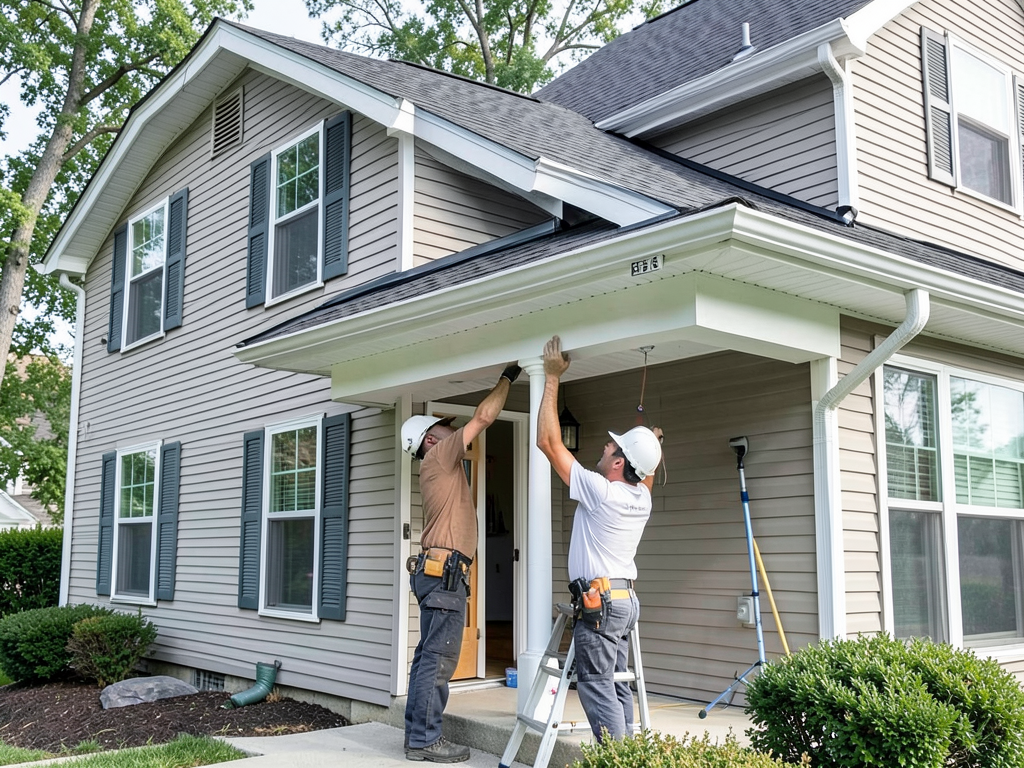
Comparing 5-Inch and 6-Inch Gutters for Heavy Rainfall in Crieve Hall Nashville's annual rainfall averages 47 inches, with spring thunderstorms dumping several inches in hours. That water volume determines whether your home stays dry or…
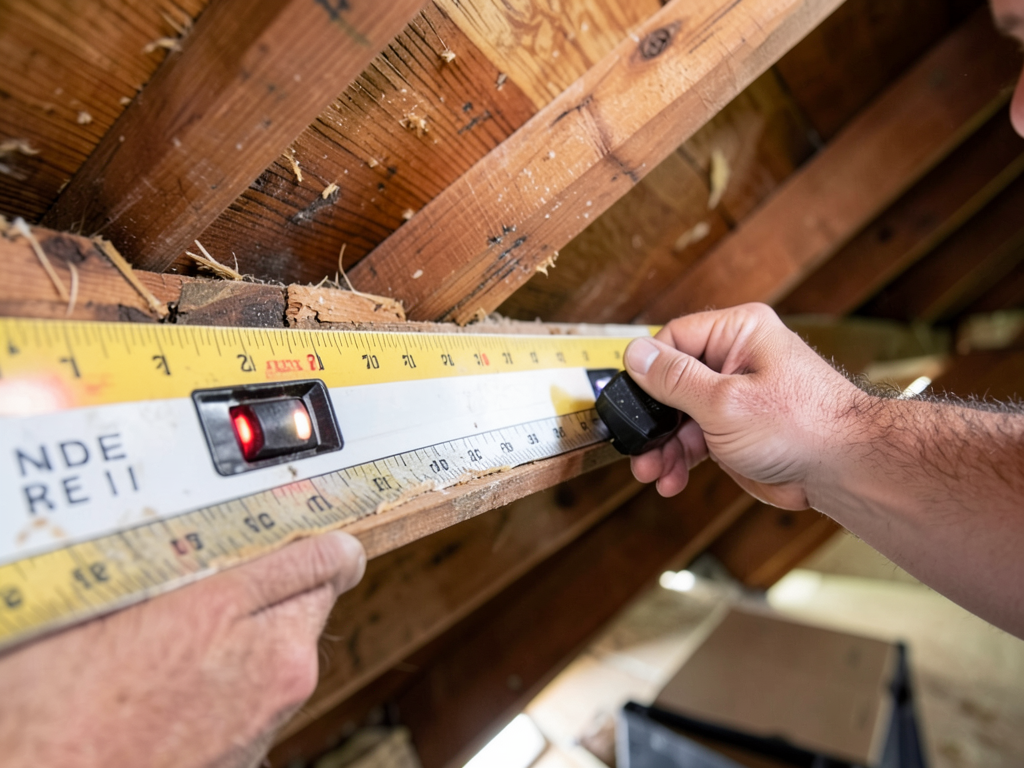
Why Your 100-Year-Old East Nashville Home Might Need Structural Reinforcement Before a New Roof Your…
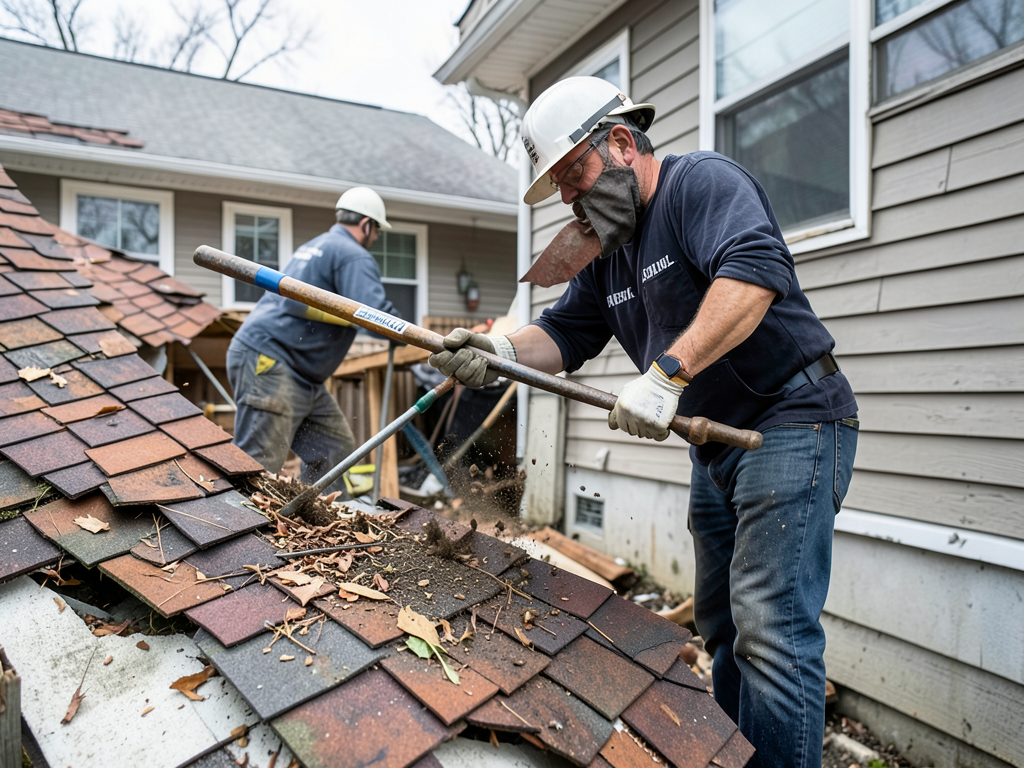
Understanding the Tear-Off Process and What Happens to Your Property During a Roof Replacement Replacing…
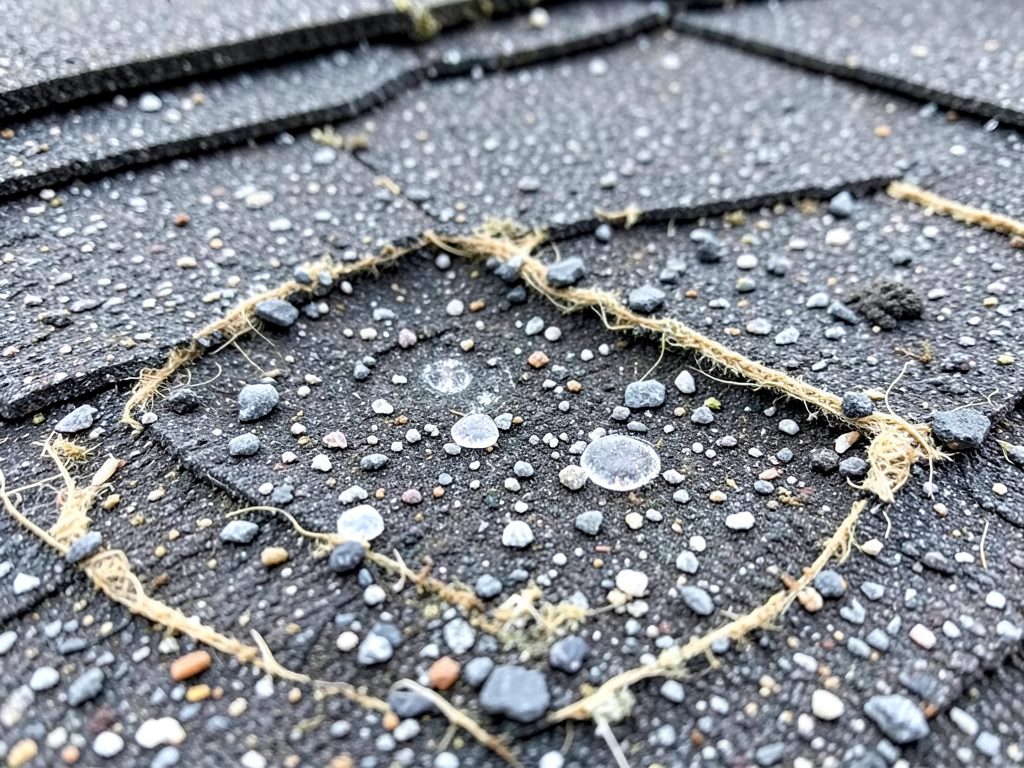
What to Do When Your Insurance Company Denies Your Nashville Hail Damage Claim Your roof…
Don't wait until water drips through your ceiling to address roof problems. Call Titan Roofing Nashville at (615) 640-4994 today to schedule your inspection. We'll assess your roof's condition, identify vulnerabilities, and provide a detailed written estimate. Emergency response available seven days a week for active leaks and storm damage.