
Why Your 100-Year-Old East Nashville Home Might Need Structural Reinforcement Before a New Roof
Your 1920s Craftsman in East Nashville deserves better than a quick roof swap. Before you invest in new shingles, the hidden skeleton of your roof might need attention. Nashville’s historic neighborhoods like East Nashville, Edgefield, and Lockeland Springs face unique structural challenges that modern roofing materials can expose. Roofing La Vergne.
Older homes in these areas were built with lighter materials and different load calculations than today’s standards require. When you upgrade to heavier architectural shingles or add solar panels, you might be asking your century-old rafters to carry more weight than they were designed for. This isn’t just about aesthetics—it’s about preventing catastrophic failure when the next spring storm rolls through Middle Tennessee. Tennessee Board for Licensing Contractors.
Structural reinforcement isn’t optional for many East Nashville homes. It’s the difference between a roof that lasts 20 years and one that fails in five. Let’s examine what makes these historic homes vulnerable and how proper engineering can protect your investment. Choosing Between Shingles and Metal for Your New Hendersonville Roof.
Understanding Nashville’s Historic Roof Structures
East Nashville’s architectural heritage tells a story through its roof framing. Most homes built before 1940 used dimensional lumber rafters spaced 24 inches on center, compared to today’s standard 16 inches. These older structures were designed for wood shake or lightweight asphalt shingles, not the modern architectural products many homeowners now prefer.. Read more about Getting Approval from the Nashville Historic Zoning Commission for Your Roof Project.
The original builders in neighborhoods like Historic Edgefield and Lockeland Springs calculated loads based on the materials available in the 1920s. Today’s architectural shingles can weigh 50% more than their predecessors. When you add Nashville’s severe weather patterns—including the 120 mph wind loads recorded during recent tornado outbreaks—the math changes dramatically.
Beyond the obvious weight concerns, many of these homes have experienced decades of subtle movement. Nashville’s expansive clay soil causes foundation shifts that transfer stress to roof structures. You might notice this as a slight sag in your ridge line or doors that stick during certain seasons—both signs your roof framing has already been compromised.
According to the International Residential Code adopted by Davidson County, homes undergoing major renovations must meet current structural standards. This means your 100-year-old rafters might need sistering, collar ties, or even complete truss reinforcement before passing inspection for a new roof installation. Reliable Residential Roofers Serving East Nashville and Inglewood.
Signs Your East Nashville Roof Needs Structural Support
Before scheduling that roof replacement, look for these warning signs that indicate your historic home needs structural reinforcement:
- Sagging ridge lines or visible dips in the roof plane
- Cracked or split rafters visible in your attic
- Interior ceiling cracks that follow roof joist lines
- Doors and windows that stick or won’t close properly
- Excessive movement when walking in attic spaces
- Previous water damage that weakened structural members
These symptoms often develop gradually over decades. What starts as a minor sag can become a major failure when you add the weight of new roofing materials. East Nashville homes are particularly vulnerable because many sit on properties with poor drainage, causing moisture to accumulate in crawl spaces and weaken support structures from below. Roofing Columbia.
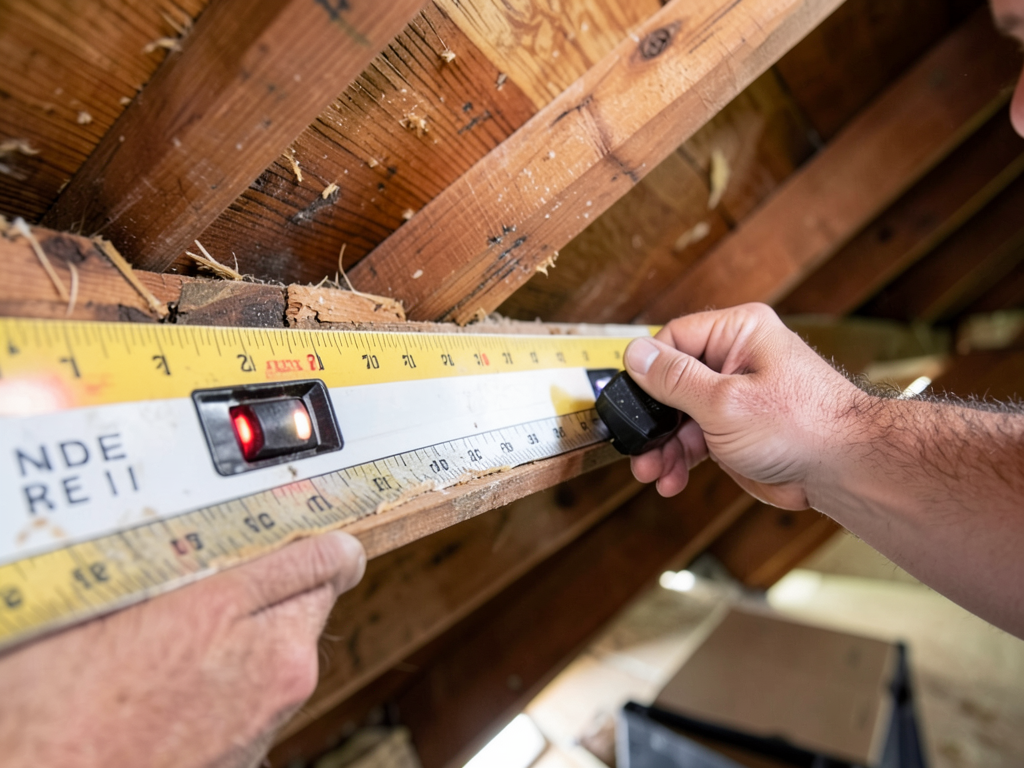
The diagnostic process involves more than visual inspection. A qualified structural engineer will use tools like laser levels to measure deflection, moisture meters to check for hidden rot, and load calculations specific to your home’s construction era. This isn’t guesswork—it’s engineering that protects your family and your investment.. Read more about Understanding the Tear-Off Process and What Happens to Your Property During a Roof Replacement.
Our Structural Reinforcement Process
Proper structural reinforcement follows a methodical approach that ensures your East Nashville home meets modern safety standards while preserving its historic character. Here’s what the process looks like:
- Comprehensive Structural Assessment
Our team conducts a detailed inspection of your roof framing, attic spaces, and supporting walls. We document existing conditions, measure deflection, and identify any compromised members. This assessment includes load calculations based on your chosen roofing materials and local building code requirements.
- Engineering Analysis and Design
A licensed structural engineer reviews our findings and creates reinforcement plans tailored to your home’s specific needs. This might include sistering existing rafters, adding collar ties, installing steel plates, or designing new truss systems. The engineer ensures compliance with Metro Nashville building codes and Tennessee Board for Licensing Contractors requirements. Metro Nashville Codes Department.
- Permit Acquisition and Planning
We handle all necessary permits through the Metro Nashville Codes Department. This includes submitting engineering plans, scheduling inspections, and coordinating with the city’s building officials. Nashville’s permitting process typically takes 2-3 weeks for structural modifications.
- Reinforcement Installation
Our skilled carpenters execute the engineering plans using techniques like sistering—attaching new lumber alongside existing rafters to increase strength. We may install steel plates at critical connections, add collar ties to prevent rafter spread, or integrate new support beams where needed. All work meets or exceeds current building standards.
- Final Inspection and Certification
The city inspector reviews our completed work, and we provide you with documentation showing your roof now meets modern structural requirements. This certification becomes valuable for future sales, insurance purposes, and peace of mind during severe weather events.
Nashville Building Codes and Permit Requirements
Working on structural elements in Nashville requires strict adherence to local codes and permitting processes. The Metro Nashville Codes Department enforces the International Residential Code with specific amendments for Middle Tennessee’s climate conditions.
For structural roof modifications, you’ll need a building permit that specifically covers framing alterations. This isn’t optional—it’s required by Tennessee law. The permit process ensures your work meets safety standards and that qualified professionals handle the modifications.
Davidson County requires structural modifications to be designed by a licensed engineer and inspected by certified building officials. This protects homeowners from substandard work that could fail during severe weather. Nashville’s building department typically requires:
- Detailed engineering plans signed by a Tennessee-licensed structural engineer
- Load calculations specific to your roofing material selection
- Proof of contractor licensing through the Tennessee Board for Licensing Contractors
- Inspection scheduling at multiple phases of the work
The permitting timeline usually spans 2-3 weeks, but can extend if engineering revisions are needed. Working with a contractor familiar with Nashville’s specific requirements saves time and prevents costly delays. They’ll know exactly what documentation the city requires and how to navigate the approval process efficiently.
Insurance companies often require proof of proper permitting and inspection for major structural work. Without this documentation, you might face coverage issues if problems arise later. The small investment in proper permitting protects your financial interests long-term.
Reinforcement for Modern Upgrades
Today’s East Nashville homeowners want more from their roofs than basic weather protection. Solar panels, heavy HVAC equipment, and premium roofing materials all require structural considerations that historic homes weren’t designed to handle.
Solar installations are particularly popular in East Nashville’s eco-conscious community. However, each solar panel adds significant dead load to your roof structure. A typical residential solar array can increase roof load by 800-1500 pounds. Without proper reinforcement, this additional weight stresses connections and can lead to premature failure.
Commercial-style HVAC units on residential properties present similar challenges. These heavy pieces of equipment concentrate substantial loads in specific areas. Your century-old rafters might not be able to support this concentrated weight without additional support beams or reinforced mounting structures.
Even choosing premium roofing materials affects structural requirements. Architectural shingles, slate, or tile all weigh significantly more than standard three-tab products. The International Residential Code provides specific tables showing allowable loads for different materials, and many historic homes fall below these minimums. Expert Slate and Tile Roof Restoration in Belle Meade.
The solution isn’t always complete reconstruction. Often, strategic reinforcement of key areas provides adequate support for modern upgrades. Sistering existing rafters, adding support beams, or installing engineered trusses can bring your historic home up to current standards without destroying its character.
Cost Considerations and Investment Protection
Structural reinforcement represents a significant investment, but it’s far less expensive than dealing with a roof collapse or having to replace a prematurely failed roof. Understanding the cost factors helps you budget appropriately for your East Nashville home improvement project.
The cost of structural reinforcement varies based on several factors:
- Extent of existing damage or deterioration
- Accessibility of attic and roof spaces
- Complexity of engineering requirements
- Permit and inspection fees in Davidson County
- Choice of reinforcement methods and materials
On average, homeowners in East Nashville can expect to invest $3,000-$8,000 for structural reinforcement before a new roof installation. This might seem substantial, but consider the alternative: a roof failure that damages your home’s interior, requires emergency repairs, and potentially creates safety hazards for your family.
Insurance companies often provide premium discounts for homes with documented structural upgrades. Some policies even require proof of proper structural support for certain roofing materials. The documentation we provide after completing your reinforcement project becomes valuable for these insurance considerations.
Additionally, proper structural reinforcement extends the life of your new roof. When your roof framing can adequately support the materials, you avoid the stress cracks, fastener failures, and premature wear that occur when structures are overloaded. This means your investment in new roofing materials delivers its full intended lifespan.
Why Choose Local Expertise
East Nashville’s historic homes require specialized knowledge that general contractors often lack. The unique construction methods, material choices, and structural challenges of these properties demand experience with similar projects in the area.
Local contractors understand the specific issues facing East Nashville homes. They know which neighborhoods have the most severe foundation issues, which architectural styles present the greatest structural challenges, and how to preserve historic character while meeting modern safety standards.
Experience matters when working with century-old structures. A contractor who has reinforced dozens of East Nashville homes knows what to expect when opening up walls, how to minimize damage to historic finishes, and how to solve problems that inevitably arise during renovation work.
Proper licensing through the Tennessee Board for Licensing Contractors ensures your contractor meets state requirements for structural work. This protects you from unqualified operators who might cut corners on critical safety issues. Always verify licensing and insurance before hiring any contractor for structural modifications.
Local contractors also maintain relationships with structural engineers familiar with Nashville’s building patterns and soil conditions. This network ensures you get engineering solutions tailored to East Nashville’s specific challenges rather than generic recommendations that might not address your home’s unique needs.
Frequently Asked Questions
How do I know if my East Nashville home needs structural reinforcement?
Look for sagging roof lines, cracked rafters in your attic, sticking doors, or ceiling cracks that follow roof joist lines. A professional inspection can identify hidden issues. Homes built before 1940 with plans for heavy roofing materials almost always need some reinforcement.
Will structural reinforcement damage my historic home’s character?
Proper reinforcement preserves your home’s historic character while improving safety. Experienced contractors use techniques that remain hidden from view, maintaining original architectural details while providing modern structural support.
How long does the structural reinforcement process take?
The entire process typically takes 3-6 weeks from initial inspection to final inspection. This includes engineering design, permit acquisition, and the actual reinforcement work. Weather and city inspection schedules can affect timing.
Can I install solar panels without structural reinforcement?
Most East Nashville homes built before 1940 need some reinforcement before adding solar panels. The additional weight and wind loads require modern structural support that many historic homes lack.
What permits are required for structural roof modifications in Nashville?
You need a building permit from the Metro Nashville Codes Department for any structural modifications. This requires engineering plans, inspections at multiple phases, and final approval from city building officials.
Does insurance cover structural roof reinforcement?
Insurance typically doesn’t cover reinforcement as a preventive measure. However, some companies offer premium discounts for documented structural upgrades, and proper permitting protects you from coverage issues if problems arise later.
Protect Your East Nashville Investment
Your 100-year-old East Nashville home represents more than just shelter—it’s a piece of Nashville’s architectural heritage and a significant financial investment. Cutting corners on structural reinforcement might save money today, but it risks catastrophic failure tomorrow.
The severe weather patterns that sweep through Middle Tennessee don’t discriminate between old and new construction. When the next major storm hits, you want confidence that your roof can withstand the forces nature throws at it. Proper structural reinforcement provides that confidence.
Don’t let a well-intentioned roof replacement become a costly mistake. Before you invest in new shingles for your East Nashville home, ensure the structure beneath them can handle the load. Your future self—and your family’s safety—will thank you.
Ready to ensure your historic East Nashville home is structurally sound for its new roof? Call (615) 640-4994 today to schedule your comprehensive structural assessment. Our team of local experts understands the unique challenges of Nashville’s historic neighborhoods and can provide the engineering solutions your home needs.
Don’t wait until problems become emergencies. Pick up the phone and call (615) 640-4994 before the next storm hits. Your home’s structural integrity isn’t something to gamble with—trust the local experts who understand East Nashville’s unique architectural heritage.
{
“@context”: “https://schema.org”,
“@type”: “BlogPosting”,
“headline”: “Why Your 100-Year-Old East Nashville Home Might Need Structural Reinforcement Before a New Roof”,
“description”: “Discover why East Nashville’s historic homes need structural roof reinforcement before replacement. Learn about Nashville’s building codes, load requirements, and expert assessment.”,
“wordCount”: 2172,
“datePublished”: “2026-06-12T07:55:00.000Z”,
“dateModified”: “2026-06-12T07:55:00.000Z”,
“inLanguage”: “en-US”,
“mainEntityOfPage”: {
“@type”: “WebPage”,
“@id”: “https://titanroofingnashville.com”
},
“publisher”: {
“@type”: “LocalBusiness”,
“name”: “Titan Roofing Nashville”,
“url”: “https://titanroofingnashville.com”
},
“author”: {
“@type”: “Organization”,
“name”: “Titan Roofing Nashville”,
“url”: “https://titanroofingnashville.com”
},
“image”: {
“@type”: “ImageObject”,
“url”: “https://titanroofingnashville.com/wp-content/uploads/2026/03/why-your-100-year-old-east-nashville-home-might-ne-1.png”
}
}
{
“@context”: “https://schema.org”,
“@type”: “RoofingContractor”,
“name”: “Titan Roofing Nashville”,
“url”: “https://titanroofingnashville.com”,
“address”: {
“@type”: “PostalAddress”,
“addressLocality”: “Nashville”
},
“areaServed”: {
“@type”: “City”,
“name”: “Nashville”
}
}
{
“@context”: “https://schema.org”,
“@type”: “FAQPage”,
“mainEntity”: [
{
“@type”: “Question”,
“name”: “How do I know if my East Nashville home needs structural reinforcement?”,
“acceptedAnswer”: {
“@type”: “Answer”,
“text”: “Look for sagging roof lines, cracked rafters in your attic, sticking doors, or ceiling cracks that follow roof joist lines. A professional inspection can identify hidden issues. Homes built before 1940 with plans for heavy roofing materials almost always need some reinforcement.”
}
},
{
“@type”: “Question”,
“name”: “Will structural reinforcement damage my historic home’s character?”,
“acceptedAnswer”: {
“@type”: “Answer”,
“text”: “Proper reinforcement preserves your home’s historic character while improving safety. Experienced contractors use techniques that remain hidden from view, maintaining original architectural details while providing modern structural support.”
}
},
{
“@type”: “Question”,
“name”: “How long does the structural reinforcement process take?”,
“acceptedAnswer”: {
“@type”: “Answer”,
“text”: “The entire process typically takes 3-6 weeks from initial inspection to final inspection. This includes engineering design, permit acquisition, and the actual reinforcement work. Weather and city inspection schedules can affect timing.”
}
},
{
“@type”: “Question”,
“name”: “Can I install solar panels without structural reinforcement?”,
“acceptedAnswer”: {
“@type”: “Answer”,
“text”: “Most East Nashville homes built before 1940 need some reinforcement before adding solar panels. The additional weight and wind loads require modern structural support that many historic homes lack.”
}
},
{
“@type”: “Question”,
“name”: “What permits are required for structural roof modifications in Nashville?”,
“acceptedAnswer”: {
“@type”: “Answer”,
“text”: “You need a building permit from the Metro Nashville Codes Department for any structural modifications. This requires engineering plans, inspections at multiple phases, and final approval from city building officials.”
}
},
{
“@type”: “Question”,
“name”: “Does insurance cover structural roof reinforcement?”,
“acceptedAnswer”: {
“@type”: “Answer”,
“text”: “Insurance typically doesn’t cover reinforcement as a preventive measure. However, some companies offer premium discounts for documented structural upgrades, and proper permitting protects you from coverage issues if problems arise later.”
}
}
]
}
{
“@context”: “https://schema.org”,
“@type”: “BreadcrumbList”,
“itemListElement”: [
{
“@type”: “ListItem”,
“position”: 1,
“name”: “Home”,
“item”: “https://titanroofingnashville.com”
},
{
“@type”: “ListItem”,
“position”: 2,
“name”: “Blog”,
“item”: “https://titanroofingnashville.com/blog”
},
{
“@type”: “ListItem”,
“position”: 3,
“name”: “Why Your 100-Year-Old East Nashville Home Might Need Structural Reinforcement Before a New Roof”
}
]
}
{
“@context”: “https://schema.org”,
“@type”: “Service”,
“serviceType”: “Roofing”,
“provider”: {
“@type”: “LocalBusiness”,
“name”: “Titan Roofing Nashville”,
“url”: “https://titanroofingnashville.com”
},
“areaServed”: {
“@type”: “City”,
“name”: “Nashville”
},
“description”: “Discover why East Nashville’s historic homes need structural roof reinforcement before replacement. Learn about Nashville’s building codes, load requirements, and expert assessment.”
}