menu

Attic Ventilation Systems in Nashville | Expert Installation That Prevents Moisture Damage and Energy Loss

Titan Roofing Nashville installs properly balanced attic ventilation systems designed for Middle Tennessee's humid climate, preventing premature shingle failure, mold growth, and skyrocketing cooling bills year-round.

Slider Image 1
Slider Image 2
Slider Image 3
Slider Image 4
Slider Image 5
Slider Image 7
Slider Image 8
Slider Image 9
Slider Image 10
Slider Image 11

Why Nashville Homes Suffer Without Proper Attic Airflow

Nashville's climate creates a perfect storm for attic problems. Summer temperatures push past 90 degrees with humidity levels hovering near 70 percent. Without adequate roof ventilation, your attic becomes a heat trap. Temperatures inside can reach 150 degrees or higher.

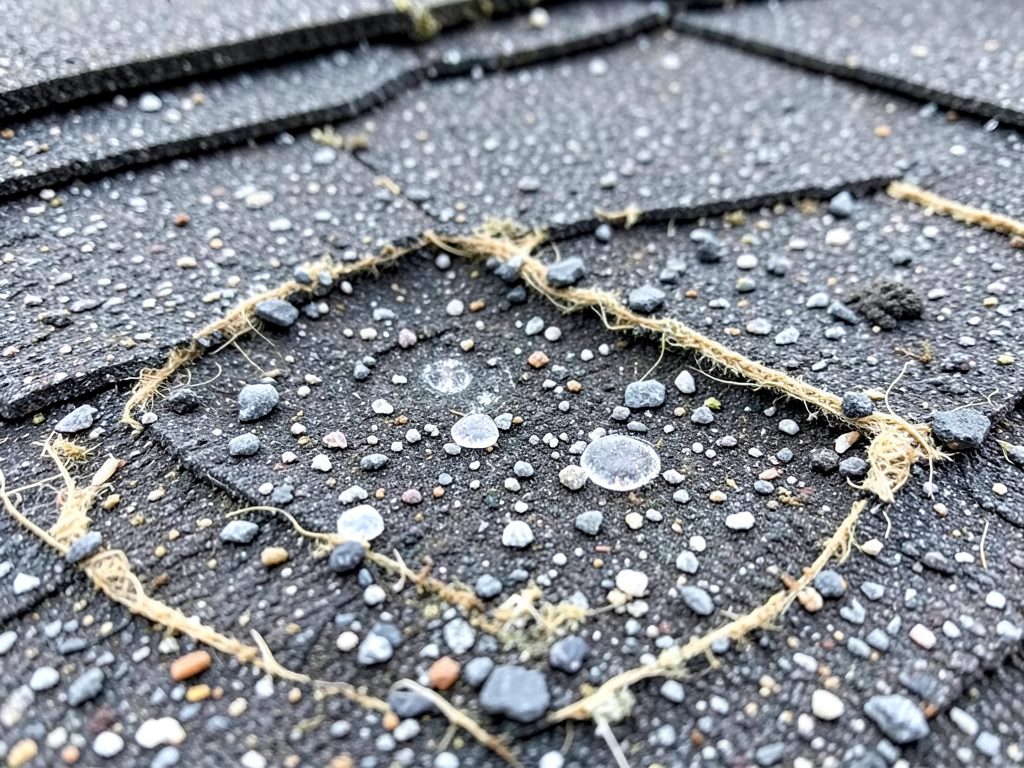
This heat radiates down into your living space. Your air conditioner runs constantly. Energy bills climb. The heat also cooks your shingles from underneath, cutting their lifespan in half.

Winter brings a different problem. Warm air from your heated home rises into the attic. When it meets the cold roof deck, condensation forms. Over time, this moisture rots the wood sheathing, soaks insulation, and creates ideal conditions for mold.

Many homes in East Nashville, Germantown, and the Gulch were built before modern building codes required balanced attic venting. Older homes often have inadequate intake vents at the soffits or blocked exhaust vents at the ridge. Some have no roof venting systems at all.

The clay soil common throughout Davidson County shifts with seasonal moisture changes. This movement can crack foundations and shift roof structures, which blocks existing vents or creates new gaps where conditioned air escapes into the attic. These gaps compound ventilation problems.

You need a properly engineered attic exhaust system. Intake vents at the eaves pull fresh air in. Exhaust vents at the peak let hot, moist air escape. This continuous airflow protects your roof structure, controls energy costs, and extends shingle life.

Without balanced attic venting, you are paying more and getting less from your roof.

Why Nashville Homes Suffer Without Proper Attic Airflow
How Proper Roof Airflow Systems Work

How Proper Roof Airflow Systems Work

Effective attic ventilation systems rely on physics. Hot air rises. Cool air sinks. You need enough intake area at the soffits and enough exhaust area at the ridge or roof peak to create continuous airflow.

The standard calculation is one square foot of net free ventilation area per 150 square feet of attic space. You split this evenly between intake and exhaust. For a 1,500 square foot attic, you need 10 square feet of ventilation. Five square feet at the soffits, five at the ridge.

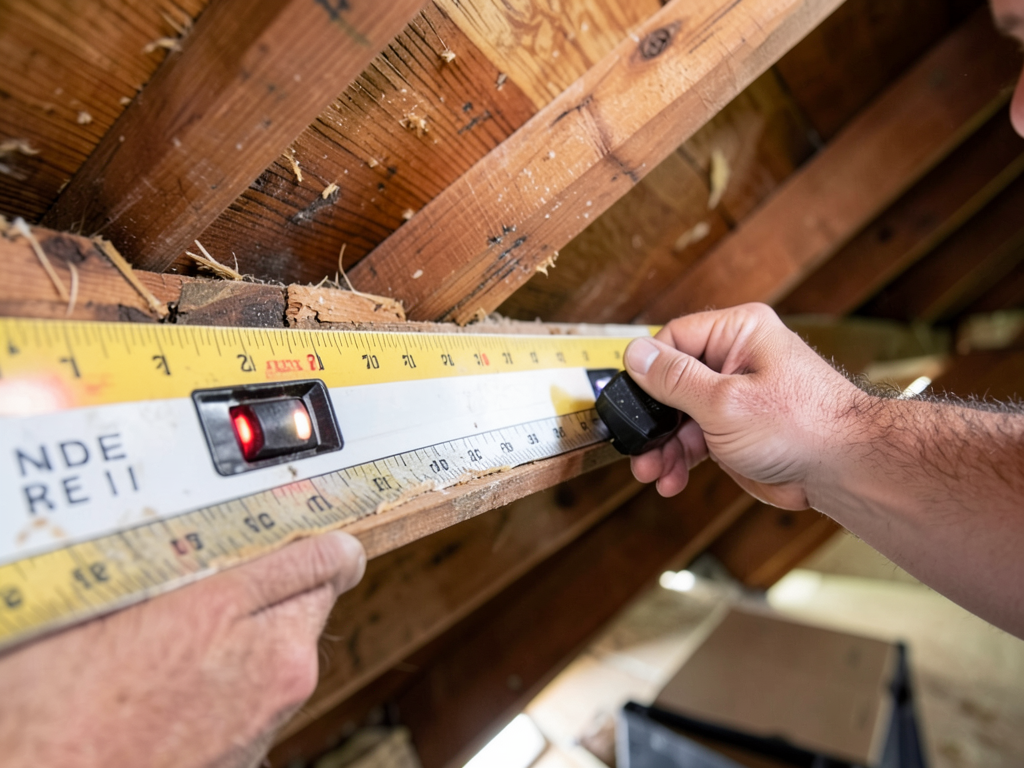
We start with a detailed attic inspection. We measure your attic square footage, check for existing vents, and calculate your actual ventilation requirements. We look for blocked soffit vents, damaged baffles, or improperly installed insulation that restricts airflow.

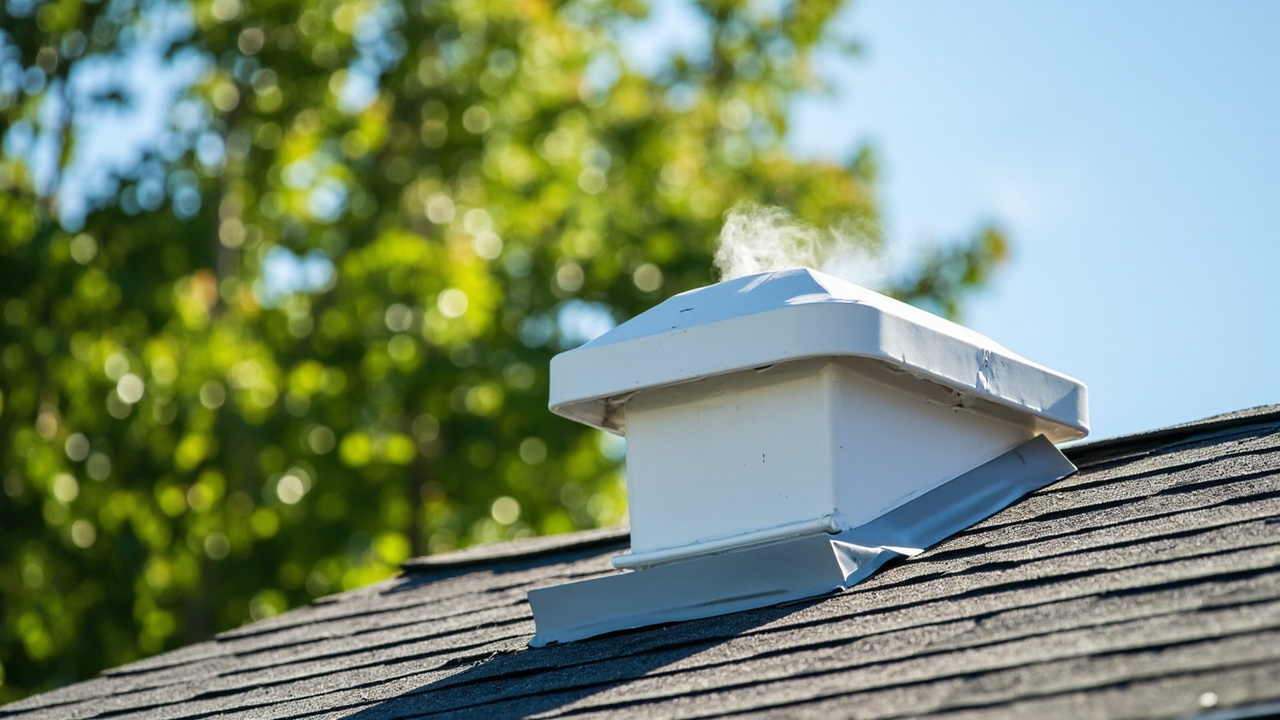
Next, we identify the best exhaust solution for your roof design. Ridge vents work well on most gable roofs. They run along the entire peak, providing consistent exhaust. Box vents or turbine vents work better on hip roofs or complex roof lines where ridge vents are not practical.

We install baffles between each rafter bay to maintain a clear air channel from the soffit to the ridge. This prevents insulation from blocking intake vents. We cut in additional soffit vents if needed to meet code requirements.

For homes with powered attic fans, we evaluate whether they are properly sized and positioned. Oversized fans can pull conditioned air from your living space, wasting energy. We also check that your attic is air-sealed at penetrations like can lights and plumbing stacks before adding mechanical ventilation.

Titan Roofing Nashville designs roof venting systems based on your specific roof geometry and local climate demands.

What Happens During Your Ventilation Upgrade

Attic Ventilation Systems in Nashville | Expert Installation That Prevents Moisture Damage and Energy Loss
01

Attic Assessment and Calculation

We measure your attic space and inspect all existing vents. You get a detailed report showing current ventilation levels compared to code requirements. We identify blocked soffits, damaged baffles, or missing intake vents. We also check for air leaks from your living space that dump moisture into the attic. This evaluation determines the exact number and type of vents your roof needs for balanced airflow.
02

Custom Vent Installation

We install the ventilation components your roof requires. Ridge vents get cut into the roof peak with proper spacing on each side of the ridge board. Soffit vents are added where intake is insufficient. Baffles go between rafters to maintain clear air channels. We seal all roof penetrations and ensure shingles overlap correctly around new exhaust vents. Every installation follows manufacturer specifications and local building codes.
03

Airflow Verification and Documentation

After installation, we verify airflow by checking temperature differentials and visual indicators. You receive documentation showing vent placement, square footage calculations, and compliance with Nashville building codes. We explain how to maintain your new system and what signs indicate problems. Your attic now has the balanced ventilation it needs to protect your roof investment and control energy costs for decades.

Why Nashville Homeowners Choose Titan Roofing for Attic Venting

You need a contractor who understands how Middle Tennessee weather affects roof performance. We have installed attic ventilation systems across Nashville for years. We know which solutions work for Craftsman bungalows in Sylvan Park, mid-century ranches in Donelson, and new construction in The Nations.

Nashville building codes require specific ventilation ratios. We stay current on Metro codes and ensure every installation meets or exceeds requirements. This matters when you sell your home or file an insurance claim.

Many roofing companies treat ventilation as an afterthought. They focus on shingles and ignore airflow. We approach every roof as a system. Shingles, underlayment, flashing, and ventilation all work together. Neglecting one component compromises the others.

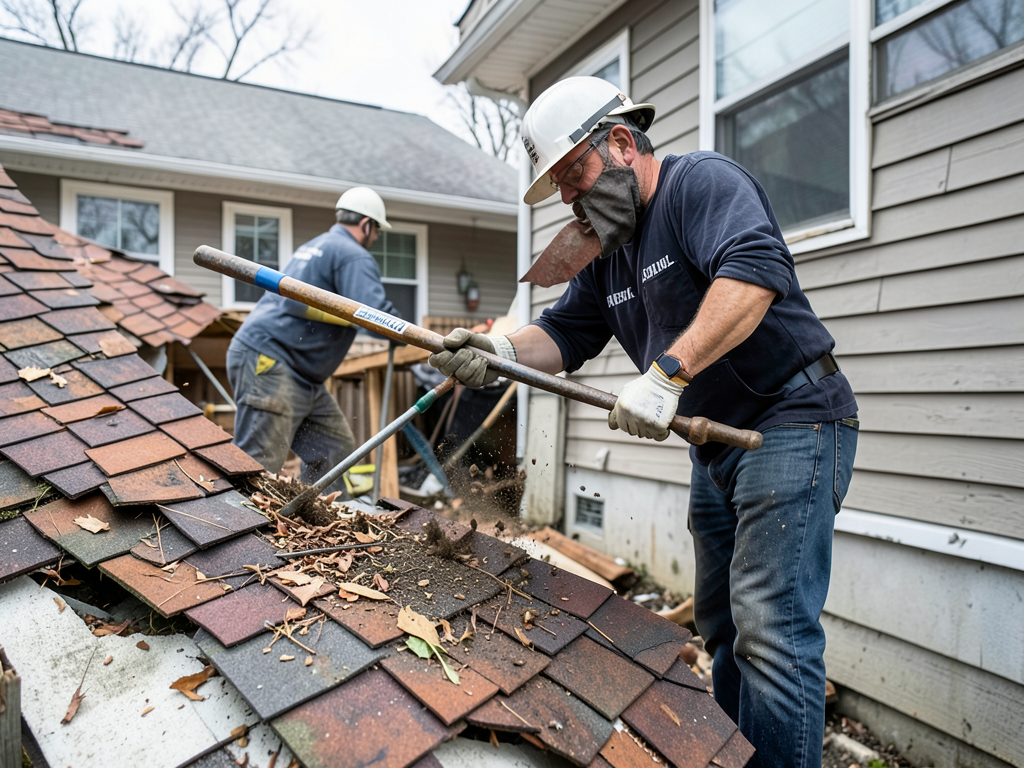
We have seen the damage poor ventilation causes. Buckled shingles on five-year-old roofs. Black mold on roof sheathing. Soaked insulation that lost all R-value. Attic framing so rotted it could not support a new roof without structural repairs first.

These problems cost thousands to fix. Proper attic exhaust systems prevent them.

When we install ridge vents, we cut the slot to the correct width and maintain proper spacing from the ridge board. When we add soffit vents, we verify the attic has adequate baffles to channel air. When we recommend powered ventilation, we size the fans correctly and ensure your attic is properly air-sealed first.

You also get straight answers. If your existing ventilation is adequate, we tell you. If you need upgrades, we explain why and show you the math. No upselling. No scare tactics.

Titan Roofing Nashville builds roof airflow systems that protect your investment and lower your energy bills.

What to Expect From Your Ventilation Project

Project Timeline and Scheduling

Most attic ventilation installations take one to two days, depending on roof complexity and the number of vents required. We schedule around your availability and Nashville weather. Spring and fall offer the best conditions, but we work year-round. If we are adding ventilation during a roof replacement, the work happens simultaneously with no additional time. You receive a start date, daily schedule, and projected completion timeline before work begins. We protect your landscaping, driveway, and property throughout the project.

Detailed Attic Evaluation

Your consultation includes a thorough attic inspection. We access the attic space, measure square footage, and document existing ventilation. We check for moisture damage, inadequate insulation, and air leaks from the living space. You get a written assessment showing current ventilation levels, code requirements, and our recommended solution. We explain the difference between passive vents and powered options. We show you photos of problem areas. This evaluation takes 30 to 45 minutes and gives you the information you need to make an informed decision.

Quality Workmanship and Materials

We install ventilation products from manufacturers proven to perform in Tennessee weather. Ridge vents use external baffles that resist wind-driven rain common during spring storms. Soffit vents include screens to block insects and debris. All roof penetrations get sealed with code-approved flashing and sealant. We match vent colors to your existing roof. Our installers follow manufacturer specifications for spacing, fastener placement, and shingle integration. The finished installation looks factory-integrated. Your roof maintains its weather protection while gaining the airflow it needs.

Ongoing Performance and Support

Properly installed attic venting requires minimal maintenance. We recommend annual inspections to verify soffit vents remain clear of insulation or debris. During routine roof inspections, we check that ridge vents are not damaged and exhaust freely. If you notice increased energy bills, ice damming in winter, or attic moisture, contact us for a follow-up evaluation. We provide documentation of your ventilation system for future reference. If you add insulation later, we verify it does not block airflow channels. Your investment in proper ventilation pays dividends for the life of your roof.

Frequently Asked Questions

You Have Questions,
We Have Answers

What is the best ventilation for an attic? +

The best ventilation for an attic balances intake and exhaust. Ridge vents paired with soffit vents create a continuous airflow loop, pulling cool air in low and pushing hot air out high. This passive system works well in Nashville's humid summers, where attic temps can hit 150 degrees. Ridge vents handle our freeze-thaw cycles better than powered fans and require zero electricity. Box vents or gable vents work for older homes without ridge lines. The key is matching intake to exhaust, typically 1 square foot of ventilation per 150 square feet of attic space to prevent moisture buildup and extend shingle life.

Why don't people use attic fans anymore? +

Attic fans fell out of favor because they often create negative pressure that pulls conditioned air from your living space through ceiling gaps. In Nashville's sticky summers, this forces your AC to work harder and drives up energy bills. Powered fans also fail when motors burn out, and many homeowners forget to maintain them. Ridge vents with proper soffit intake outperform fans without the energy cost or mechanical failure risk. Modern building science favors passive ventilation over active systems. Fans still make sense in specific cases, like attics with poor natural airflow or complex roof geometries, but they're no longer the default solution.

What is the 1:300 rule for attic ventilation? +

The 1:300 rule requires 1 square foot of net free ventilation area for every 300 square feet of attic floor space. This applies when you have a balanced intake and exhaust system. For example, a 1,500-square-foot attic needs 5 square feet of total ventilation, split between soffit intake and ridge or gable exhaust. Nashville's building code follows this standard, though the ratio drops to 1:150 if ventilation is unbalanced or poorly distributed. Most inspectors check this during new construction or reroof permits. Proper ventilation prevents mold, ice damming in rare winter freezes, and premature shingle failure in our intense summer heat.

What are the three types of attic ventilation? +

The three main attic ventilation types are exhaust, intake, and combined systems. Exhaust ventilation includes ridge vents, box vents, turbines, and gable vents that let hot air escape at the roof peak or sides. Intake ventilation uses soffit vents, drip edge vents, or low gable vents to pull fresh air into the attic floor. Combined systems pair intake with exhaust for balanced airflow, the most effective setup. In Nashville, ridge vents with continuous soffit vents handle our humidity and heat best. Avoid mixing exhaust types like combining ridge vents with turbines, which disrupts airflow patterns and reduces efficiency across both systems.

What is the 7 and 7 rule for attics? +

The 7 and 7 rule states you need 7 square inches of screened roof ventilation per 100 square feet of attic space, split between upper and lower vents. This roughly translates to a 70-square-inch requirement for a 1,000-square-foot attic. The rule assumes a balanced system with half dedicated to intake and half to exhaust. Nashville builders often exceed this minimum in new construction because our summer heat and humidity demand aggressive ventilation. The 7 and 7 rule is simpler than the 1:300 calculation but achieves similar results. Proper screening prevents insect intrusion while maintaining airflow during our humid springs and falls.

What is the rule of thumb for attic ventilation? +

The rule of thumb for attic ventilation is 1 square foot of ventilation per 150 square feet of attic floor space, split evenly between intake and exhaust. This balanced approach prevents moisture accumulation and heat buildup. In Nashville, where summer attic temps exceed 140 degrees, you want intake vents along soffits and exhaust vents at the ridge or gable peaks. Never block soffit vents with insulation. Homes with cathedral ceilings or complex roof lines may need adjustable calculations. The International Residential Code sets these standards, and local inspectors verify compliance during new construction or major roof replacements to protect structural integrity.

Why did roofers turn to ridge vents instead of attic fans? +

Roofers switched to ridge vents because they outperform powered attic fans without the energy cost or maintenance headaches. Ridge vents create natural convection, pulling hot air out as cooler air enters through soffits. In Nashville's climate, this passive system handles humidity better than fans, which can pull conditioned air from living spaces through ceiling penetrations. Ridge vents also blend with rooflines, improving curb appeal compared to bulky fan housings. They never fail mechanically, require no wiring, and distribute ventilation evenly across the entire ridge length. Modern building science proves passive systems work more efficiently than active fans for most residential applications.

What is better than an attic fan? +

Ridge vents paired with continuous soffit vents outperform attic fans for most Nashville homes. This passive system creates constant airflow without electricity, moving hot air out while pulling fresh air in low. Unlike fans, ridge vents never break down, require no maintenance, and won't suck conditioned air from your living space. They handle our humid summers and occasional winter freezes without intervention. Solar attic fans offer a middle ground if you need mechanical assistance, avoiding the energy draw of powered units. For complex roof geometries or poorly ventilated attics, a combination of ridge vents and strategic box vents beats a single fan location.

What are the downsides of attic fans? +

Attic fans create negative pressure that pulls conditioned air from your home through ceiling gaps, light fixtures, and attic access points. This forces your HVAC system to work harder in Nashville's humid summers, raising energy bills. Powered fans fail when motors burn out, often going unnoticed until moisture damage appears. They require electrical work, ongoing maintenance, and eventual replacement. Fans also create noise and can pull insulation into the blades if improperly installed. If your attic lacks adequate soffit intake, a fan draws air from inside your home instead of outside, defeating the purpose and compromising efficiency while adding operational costs year-round.

What is the cheapest way to vent an attic? +

The cheapest attic ventilation combines existing gable vents with added soffit vents. If your Nashville home has gable vents at each end, cut continuous soffit vents along the eaves for intake. This creates cross-ventilation without touching the roof deck. Box vents cost less than ridge vents for exhaust if you need roof penetrations. Install them near the peak, spacing them evenly. Avoid mixing vent types, which disrupts airflow. DIY soffit vent installation runs under $200 for materials if you have basic tools. For new construction or reroofs, ridge vents add minimal cost and deliver better long-term performance than piecemeal solutions.

How Nashville Humidity and Temperature Swings Demand Better Attic Ventilation

Nashville experiences temperature swings of 40 degrees or more between day and night during spring and fall. Your attic heats up during the day, then cools rapidly after sunset. This cycle creates condensation on the underside of your roof deck. Without adequate roof venting systems, moisture accumulates. Wood sheathing absorbs water. Mold spores colonize. Insulation compresses and loses effectiveness. The same pattern repeats all year. Summer brings extreme heat and high humidity. Winter brings freeze-thaw cycles that compound moisture damage. Balanced intake and exhaust ventilation breaks this cycle by maintaining consistent airflow that removes moisture before it condenses.

Metro Nashville building codes align with the International Residential Code, which specifies minimum ventilation requirements. Local inspectors verify compliance during new construction and major renovations. Titan Roofing Nashville works with these codes daily. We understand what inspectors look for and how to document proper installation. Our team has built relationships with suppliers, inspectors, and insurance adjusters throughout Davidson County. When storm damage requires ventilation repairs, we know how to document the claim and work with your adjuster. Local expertise matters because every neighborhood has different roof styles, age-related challenges, and code interpretation nuances.
Roofing Services in The Nashville Area

Titan Roofing Nashville is proud to serve the entire Nashville area, including surrounding communities. View our location on the map to see where our trusted services are available. We are dedicated to providing prompt, localized roofing solutions, so reach out today to confirm service in your specific neighborhood or to schedule an on-site consultation at your convenience.

Address:
Titan Roofing Nashville, 720 Music Cir E, Nashville, TN, 37203

Additional Services We Offer

Our news updates

Latest Articles & News from The Blogs

The Dangers of Leaving Old Satellite Dishes Bolted to Your Roof in Berry Hill Old satellite dishes bolted to your…

The Dangers of Leaving Old Satellite Dishes Bolted to Your Roof in Berry Hill

The Dangers of Leaving Old Satellite Dishes Bolted to Your Roof in Berry Hill Old satellite dishes bolted to your…

How to Safely Inspect Your Roof for Damage Using Just a Pair of Binoculars

The Safe Way to Inspect Your Nashville Roof: A Homeowner’s Guide Living in Nashville means your roof faces intense spring…

Creative Ways to Use Your Flat Roof for an Outdoor Living Area in 12 South

Creative Ways to Use Your Flat Roof for an Outdoor Living Area in 12 South Living in 12 South means…

Contact Us

Your roof needs proper airflow to survive Nashville weather. Contact Titan Roofing Nashville at (615) 640-4994 for a detailed attic evaluation. We measure your ventilation needs, explain your options, and provide a clear estimate. Protect your roof and lower your energy bills with a professionally designed attic ventilation system.