
The Pros and Cons of Using Drones for Roof Inspections in Nashville Neighborhoods
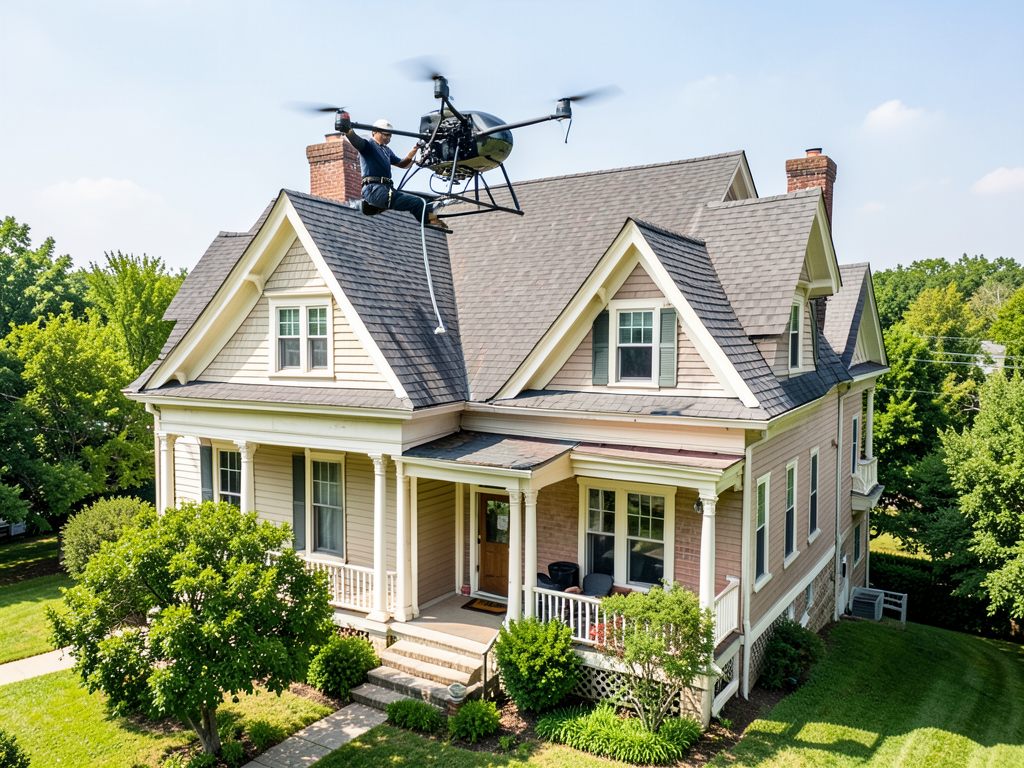
Drone roof inspections offer Nashville homeowners a safer faster and more accurate way to assess roof damage without the risks of climbing ladders or walking on fragile surfaces. This technology allows certified pilots to capture high-resolution imagery and thermal data in under 20 minutes while keeping technicians safely on the ground. However FAA regulations local building codes and weather limitations can affect when and how drones can be used effectively in Middle Tennessee. FAA Part 107 regulations.
Nashville’s mix of historic Victorian homes in East Nashville steep-roofed Craftsman bungalows in Sylvan Park and flat-roofed commercial buildings in the La Vergne industrial corridor creates unique inspection challenges that drones can address. The technology excels at spotting hail damage on asphalt shingles detecting moisture intrusion through thermal imaging and mapping complex roof geometries that would be difficult to measure manually. Yet drone inspections cannot always replace physical hands-on assessments especially for identifying soft spots under shingles or verifying flashing integrity in tight valleys. Roofing La Vergne.
Safety Advantages of Drone Roof Inspections
Traditional roof inspections require technicians to climb ladders navigate steep pitches and walk on surfaces that may have hidden damage. In Nashville’s humid climate where moss and algae growth create slippery conditions this poses real injury risks. Drones eliminate these hazards by keeping all personnel on solid ground while capturing detailed imagery from multiple angles.. Read more about Will a 15 Year Old Roof Kill Your Home Sale in the Competitive Nashville Market?.
The safety benefit becomes critical when inspecting historic homes in Germantown or Edgefield where roofs often feature steep pitches decorative elements and fragile materials. A drone can hover 20 feet away to examine intricate Victorian detailing without risking damage to century-old slate or clay tiles. This approach also protects workers from potential falls through deteriorated decking a common issue in homes built before modern building codes. Expert Slate and Tile Roof Restoration in Belle Meade.
Speed and Efficiency Gains
A comprehensive drone inspection typically takes 15-20 minutes compared to 1-2 hours for a manual assessment. This speed advantage matters most after Nashville’s frequent spring storms when homeowners need rapid damage documentation for insurance claims. The quick turnaround allows inspectors to evaluate multiple properties in a single day increasing availability for emergency assessments.. Read more about What to Do When Your Insurance Company Denies Your Nashville Hail Damage Claim.
Commercial property managers in the La Vergne industrial corridor benefit from this efficiency when managing portfolios of flat-roof warehouses. A drone can scan a 50000-square-foot roof in under 30 minutes identifying ponding areas membrane damage and HVAC penetration issues that might take days to document manually. The time savings translates to lower inspection costs and faster repair planning.
Technical Capabilities and Limitations
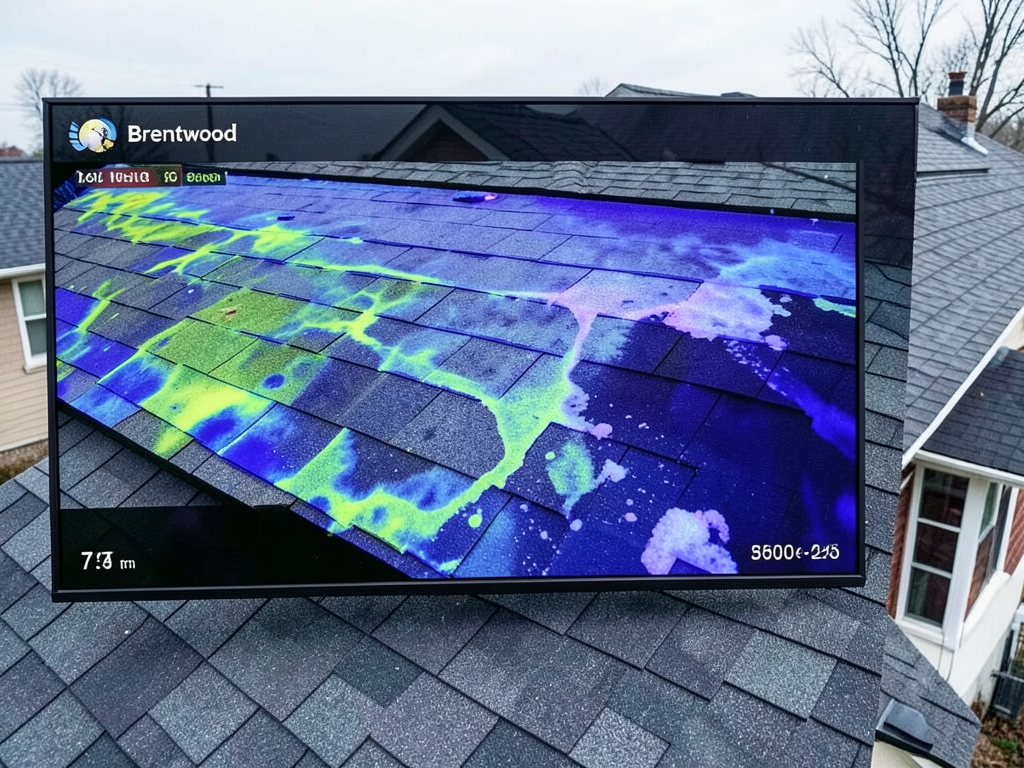
Modern inspection drones carry 4K cameras with 20-megapixel sensors capable of resolving individual shingle granules from 100 feet away. Thermal imaging sensors detect temperature variations as small as 0.1 degrees Fahrenheit revealing moisture trapped under roofing materials. These capabilities prove invaluable for identifying hail damage in Middle Tennessee where storms frequently drop ice up to golf ball size. Solving Common Flat Roof Leaks for Downtown Nashville Condos.
However drones cannot physically touch surfaces to test for softness or measure flashing gaps with calipers. They also struggle in high winds common during Nashville’s spring storm season where gusts over 20 mph create unstable footage. Dense tree cover in neighborhoods like Sylvan Park or Belmont-Hillsboro can block GPS signals making precise positioning difficult. These limitations mean drone inspections work best as supplements to traditional methods rather than complete replacements.
FAA Regulations and Nashville-Specific Compliance
All commercial drone operations in Nashville must comply with FAA Part 107 regulations requiring pilots to pass knowledge tests maintain current certificates and follow strict flight protocols. Nashville’s proximity to Nashville International Airport (BNA) creates additional restrictions where flights within 5 miles require notification to air traffic control. The city’s numerous heliports including those serving Vanderbilt University Medical Center add another layer of airspace complexity.
Titan Roofing’s FAA Part 107 certified pilots maintain current registration for all aircraft and carry $1 million liability insurance coverage exceeding FAA requirements. We document every flight including weather conditions GPS coordinates and flight paths to ensure compliance with both federal and Metro Nashville permitting requirements. This documentation proves invaluable when insurance companies question inspection methods or when disputes arise over damage assessments.
Weather Considerations in Middle Tennessee
Nashville’s climate creates both opportunities and challenges for drone operations. The region’s high humidity often produces morning fog that clears by 10 AM providing ideal flying conditions. However spring thunderstorms can develop rapidly with wind gusts exceeding 30 mph making safe drone operation impossible. Winter freeze-thaw cycles create additional concerns as ice accumulation on propellers can cause catastrophic failures.
We schedule inspections during optimal weather windows typically between 10 AM and 3 PM when thermal conditions stabilize and wind speeds remain below 15 mph. Our pilots monitor multiple weather sources including NOAA radar and local airport data to ensure safe operations. This weather-aware approach prevents wasted trips and ensures we capture the highest quality imagery possible. Choosing Between Shingles and Metal for Your New Hendersonville Roof.
Cost Comparison: Drone vs Traditional Inspections
| Factor | Drone Inspection | Traditional Inspection |
|---|---|---|
| Average Time | 15-20 minutes | 1-2 hours |
| Safety Equipment Required | None (ground-based) | Ladders safety harnesses |
| Insurance Documentation | Digital imagery + flight logs | Written reports + photos |
| Weather Limitations | Wind < 20 mph | Rain < 1 hour |
| Access to Steep Roofs | Excellent | Limited by pitch |
| Physical Testing Capability | None | Full hands-on assessment |
Insurance Claim Documentation
Insurance companies increasingly accept drone-generated documentation for hail and wind damage claims. The high-resolution imagery provides clear evidence of granular loss shingle cracking and perimeter damage that manual photos might miss. Our reports include GPS-stamped images time-stamped flight data and thermal overlays when moisture is detected.
However some insurers still require physical verification of damage extent. We address this by combining drone inspections with targeted physical assessments focusing on areas where thermal imaging indicates potential moisture intrusion. This hybrid approach satisfies insurance requirements while maximizing the efficiency benefits of drone technology.
Local Building Code Considerations
Davidson County follows the International Residential Code with local amendments affecting roof inspections. Metro Nashville requires permits for roof replacements affecting over 30 percent of the total area. Our drone inspections help homeowners understand whether their damage exceeds this threshold before filing permit applications. Davidson County building permits.
The county’s wind speed requirements of 90-110 mph depending on location affect how we document perimeter damage. We measure and document uplift damage patterns that indicate whether wind speeds exceeded design specifications. This information proves crucial when determining if manufacturers’ warranties apply or if installation deficiencies contributed to the damage.
Neighborhood-Specific Applications
In East Nashville’s historic districts where homes often feature complex roof geometries and multiple roof levels drones excel at documenting damage without disturbing original materials. The technology allows us to inspect Victorian turrets and Craftsman gables without risking damage to delicate woodwork or historic slate.
Suburban neighborhoods in Brentwood and Franklin with large ranch-style homes benefit from drone efficiency when inspecting expansive low-slope roofs. The technology quickly identifies areas of ponding water blister formation and membrane deterioration that would require extensive walking to document manually. This speed advantage proves especially valuable for homeowners association assessments across multiple properties.
Integration with Traditional Inspection Methods
The most effective inspection approach combines drone technology with traditional hands-on assessment. We use drones to identify problem areas then deploy technicians to perform physical testing where needed. This might mean using thermal imaging to locate moisture then physically removing shingles to verify decking condition or checking flashing integrity with moisture meters.
This integrated approach provides the best of both worlds: drone efficiency for initial assessment and traditional thoroughness for verification. It also allows us to train technicians in both technologies ensuring we can adapt to any inspection scenario while maintaining consistent quality standards.
Environmental and Privacy Considerations
Drones produce zero emissions during operation and require no fuel for access making them environmentally friendly compared to truck-mounted inspection equipment. However we maintain strict privacy protocols avoiding flight over neighboring properties and immediately deleting any incidental imagery captured outside the target roof area.
Nashville’s numerous tree-lined streets and mature landscaping create privacy concerns for ground-based inspections. Drones can maintain greater distance while still capturing required detail reducing the perception of intrusion. We always notify adjacent property owners before conducting drone operations and provide contact information for any questions or concerns.
Future Developments in Drone Inspection Technology
Emerging technologies promise to expand drone inspection capabilities. Artificial intelligence software can now automatically identify damage patterns flagging areas requiring closer examination. Lidar sensors provide millimeter-accurate 3D mapping allowing precise measurement of roof areas and identification of settlement issues.
Beyond visual inspection drones may soon carry acoustic sensors to detect leaks through sound analysis or air quality monitors to identify mold growth in attic spaces. These advancements will further blur the line between drone and traditional inspections while maintaining the core safety and efficiency advantages.
Making the Right Choice for Your Nashville Home
The decision to use drone technology depends on your specific situation. Homes with complex roof geometries historic materials or safety concerns benefit most from drone inspections. Properties with suspected moisture intrusion or warranty claims may require the physical verification only traditional methods provide.
We recommend drone inspections for initial assessments storm damage documentation and routine maintenance monitoring. Traditional methods remain essential for final verification detailed repair planning and warranty work. Our experienced team evaluates each situation to determine the optimal inspection approach ensuring you receive accurate thorough assessment while maximizing efficiency and safety.
Frequently Asked Questions
Are drone roof inspections as thorough as traditional methods?
Drone inspections provide excellent visual documentation and can identify many types of damage but cannot physically test materials or access tight spaces. We use them as part of a comprehensive approach combining aerial and hands-on assessment for the most thorough evaluation.
How long does a drone roof inspection take in Nashville?
A typical drone inspection takes 15-20 minutes for the flight itself plus 30-60 minutes for image processing and report generation. Weather conditions and roof complexity can affect timing but most residential inspections complete within one hour total. Reliable Residential Roofers Serving East Nashville and Inglewood.
Do I need to be home during a drone inspection?
You don’t need to be present for the actual flight but we recommend someone be available to discuss findings and access the property. Our pilots can operate independently if you provide property access instructions and contact information.
Will my insurance company accept drone inspection reports?
Most major insurance companies now accept properly documented drone inspections for hail and wind damage claims. Our reports include all required documentation including high-resolution imagery flight data and damage assessments that meet insurance industry standards.
What happens if the drone cannot complete the inspection?
If weather conditions or technical limitations prevent drone completion we immediately switch to traditional inspection methods. We maintain both capabilities ensuring you receive a complete assessment regardless of conditions.
Next Steps for Nashville Homeowners
Drone technology represents a significant advancement in roof inspection capabilities but it works best as part of a comprehensive approach. Our team evaluates each property’s specific needs considering roof age material type and damage history to determine the optimal inspection method.
We combine drone efficiency with traditional thoroughness ensuring you receive accurate damage assessments whether you’re dealing with storm damage insurance claims or routine maintenance planning. Our FAA-certified pilots maintain current certifications and carry comprehensive insurance coverage exceeding industry standards.
Don’t wait until minor damage becomes major repairs. Call (615) 640-4994 today to schedule your professional roof inspection. Whether you need drone technology traditional assessment or a combination of both we’ll provide the thorough evaluation your Nashville home deserves.
Pick up the phone and call (615) 640-4994 before the next storm hits. Our team stands ready to protect your investment with the latest inspection technology and decades of local experience serving Middle Tennessee homeowners.
You may also find this helpful. Spotting the Subtle Signs of Hail Damage on Your Siding and Gutters After a Nashville Storm.
[IMAGE_PLACEHOLDER_3>
{
“@context”: “https://schema.org”,
“@type”: “BlogPosting”,
“headline”: “The Pros and Cons of Using Drones for Roof Inspections in Nashville Neighborhoods”,
“description”: “Learn how drone roof inspections in Nashville improve safety and accuracy while navigating FAA rules and local building codes. Call (615) 640-4994 for expert service.”,
“wordCount”: 1979,
“datePublished”: “2026-05-29T15:26:00.000Z”,
“dateModified”: “2026-05-29T15:26:00.000Z”,
“inLanguage”: “en-US”,
“mainEntityOfPage”: {
“@type”: “WebPage”,
“@id”: “https://titanroofingnashville.com”
},
“publisher”: {
“@type”: “LocalBusiness”,
“name”: “Titan Roofing Nashville”,
“url”: “https://titanroofingnashville.com”
},
“author”: {
“@type”: “Organization”,
“name”: “Titan Roofing Nashville”,
“url”: “https://titanroofingnashville.com”
},
“image”: {
“@type”: “ImageObject”,
“url”: “https://titanroofingnashville.com/wp-content/uploads/2026/03/the-pros-and-cons-of-using-drones-for-roof-inspect-1.png”
}
}
{
“@context”: “https://schema.org”,
“@type”: “RoofingContractor”,
“name”: “Titan Roofing Nashville”,
“url”: “https://titanroofingnashville.com”,
“address”: {
“@type”: “PostalAddress”,
“addressLocality”: “Nashville”
},
“areaServed”: {
“@type”: “City”,
“name”: “Nashville”
}
}
{
“@context”: “https://schema.org”,
“@type”: “FAQPage”,
“mainEntity”: [
{
“@type”: “Question”,
“name”: “Are drone roof inspections as thorough as traditional methods?”,
“acceptedAnswer”: {
“@type”: “Answer”,
“text”: “Drone inspections provide excellent visual documentation and can identify many types of damage but cannot physically test materials or access tight spaces. We use them as part of a comprehensive approach combining aerial and hands-on assessment for the most thorough evaluation.”
}
},
{
“@type”: “Question”,
“name”: “How long does a drone roof inspection take in Nashville?”,
“acceptedAnswer”: {
“@type”: “Answer”,
“text”: “A typical drone inspection takes 15-20 minutes for the flight itself plus 30-60 minutes for image processing and report generation. Weather conditions and roof complexity can affect timing but most residential inspections complete within one hour total. Reliable Residential Roofers Serving East Nashville and Inglewood.”
}
},
{
“@type”: “Question”,
“name”: “Do I need to be home during a drone inspection?”,
“acceptedAnswer”: {
“@type”: “Answer”,
“text”: “You don’t need to be present for the actual flight but we recommend someone be available to discuss findings and access the property. Our pilots can operate independently if you provide property access instructions and contact information.”
}
},
{
“@type”: “Question”,
“name”: “Will my insurance company accept drone inspection reports?”,
“acceptedAnswer”: {
“@type”: “Answer”,
“text”: “Most major insurance companies now accept properly documented drone inspections for hail and wind damage claims. Our reports include all required documentation including high-resolution imagery flight data and damage assessments that meet insurance industry standards.”
}
},
{
“@type”: “Question”,
“name”: “What happens if the drone cannot complete the inspection?”,
“acceptedAnswer”: {
“@type”: “Answer”,
“text”: “If weather conditions or technical limitations prevent drone completion we immediately switch to traditional inspection methods. We maintain both capabilities ensuring you receive a complete assessment regardless of conditions.”
}
}
]
}
{
“@context”: “https://schema.org”,
“@type”: “BreadcrumbList”,
“itemListElement”: [
{
“@type”: “ListItem”,
“position”: 1,
“name”: “Home”,
“item”: “https://titanroofingnashville.com”
},
{
“@type”: “ListItem”,
“position”: 2,
“name”: “Blog”,
“item”: “https://titanroofingnashville.com/blog”
},
{
“@type”: “ListItem”,
“position”: 3,
“name”: “The Pros and Cons of Using Drones for Roof Inspections in Nashville Neighborhoods”
}
]
}
{
“@context”: “https://schema.org”,
“@type”: “Service”,
“serviceType”: “Roofing”,
“provider”: {
“@type”: “LocalBusiness”,
“name”: “Titan Roofing Nashville”,
“url”: “https://titanroofingnashville.com”
},
“areaServed”: {
“@type”: “City”,
“name”: “Nashville”
},
“description”: “Learn how drone roof inspections in Nashville improve safety and accuracy while navigating FAA rules and local building codes. Call (615) 640-4994 for expert service.”
}