menu

Sagging Roof Deck in Nashville – Expert Diagnosis and Structural Repair Before Collapse

When you spot bowing roof sheathing or warped roof plywood over your home, you need a team that understands the root cause and can engineer a safe, permanent repair before structural failure puts your family at risk.

Slider Image 1
Slider Image 2
Slider Image 3
Slider Image 4
Slider Image 5
Slider Image 7
Slider Image 8
Slider Image 9
Slider Image 10
Slider Image 11

Why Nashville Roofs Experience Sagging Deck Failure

You walk outside and notice a visible dip across your roofline. The problem is not your shingles. The problem is underneath them.

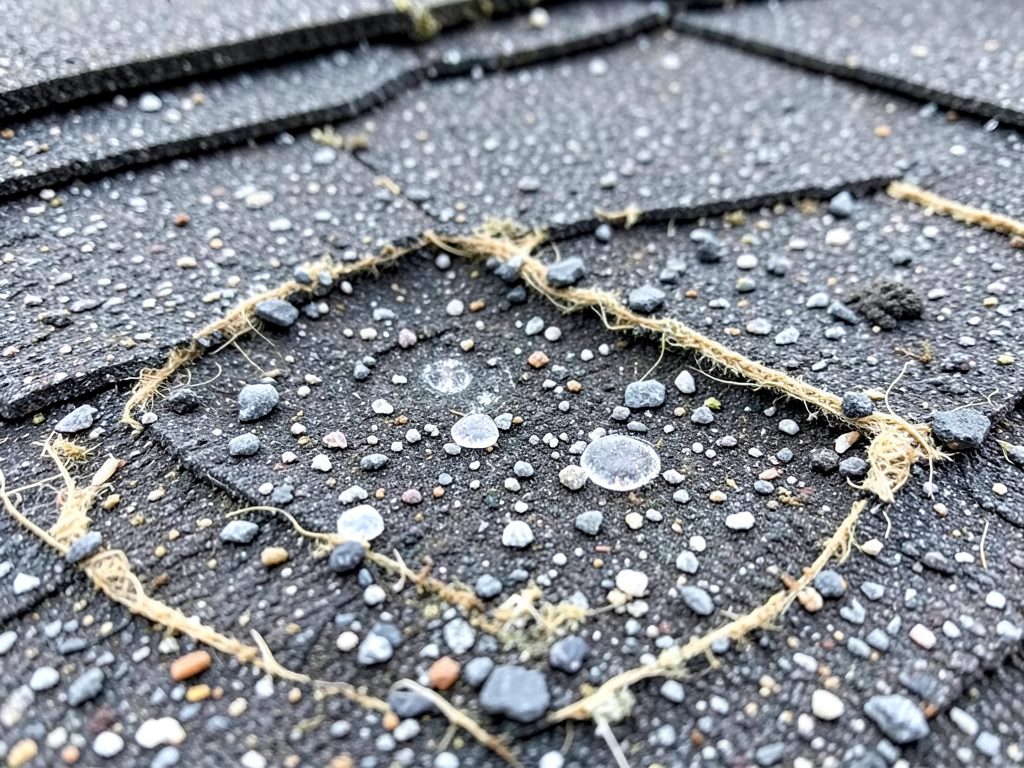
A sagging roof deck is a structural failure. The plywood or OSB boards that sit between your rafters and shingles are bowing, warping, or deflecting under load. This happens when the decking absorbs moisture, loses structural integrity, or was installed with insufficient support.

Nashville's humid subtropical climate accelerates this process. Summer humidity hovers near 70 percent, and your attic becomes a moisture trap if ventilation is inadequate. That moisture migrates into the roof sheathing, causing wood fibers to swell, warp, and lose load-bearing capacity. When the plywood weakens, you get dipping roof decking that sags between the rafters.

Freeze-thaw cycles in winter compound the damage. Water that penetrated the wood during summer expands when it freezes, creating microfractures. Over time, sunken roof boards develop. The structural plane of your roof is no longer flat or stable.

Older homes in neighborhoods like East Nashville and Germantown often have undersized rafters spaced too far apart, which means less support for the decking. When you combine wide rafter spacing with moisture infiltration, you get deflected roof sheathing that creates visible waves or dips.

Ignoring bowing roof sheathing is a mistake. The weight of your shingles, snow, and any foot traffic concentrates on weakened areas. Eventually, the decking collapses inward. You need a diagnostic inspection to determine if the problem is isolated to a few panels or if entire sections require replacement.

Why Nashville Roofs Experience Sagging Deck Failure
How We Engineer a Safe Roof Deck Replacement

How We Engineer a Safe Roof Deck Replacement

Fixing a sagging roof deck requires removing the compromised sheathing and installing new plywood that meets current load standards. This is not a patch job. You are replacing the structural foundation of your roof.

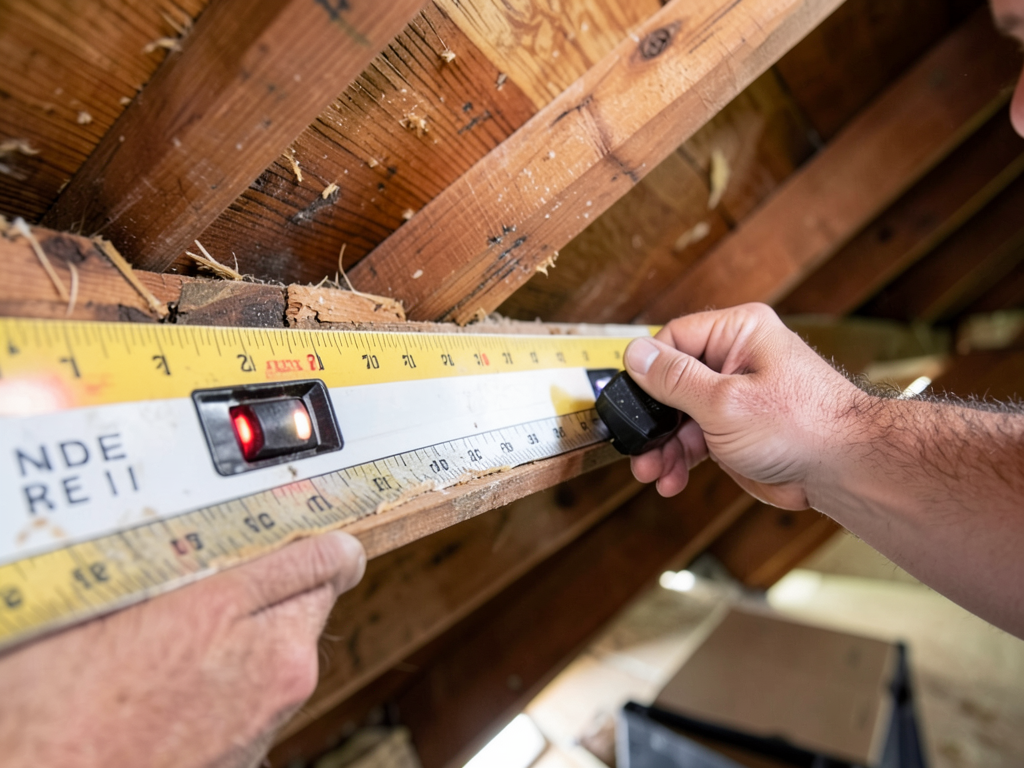
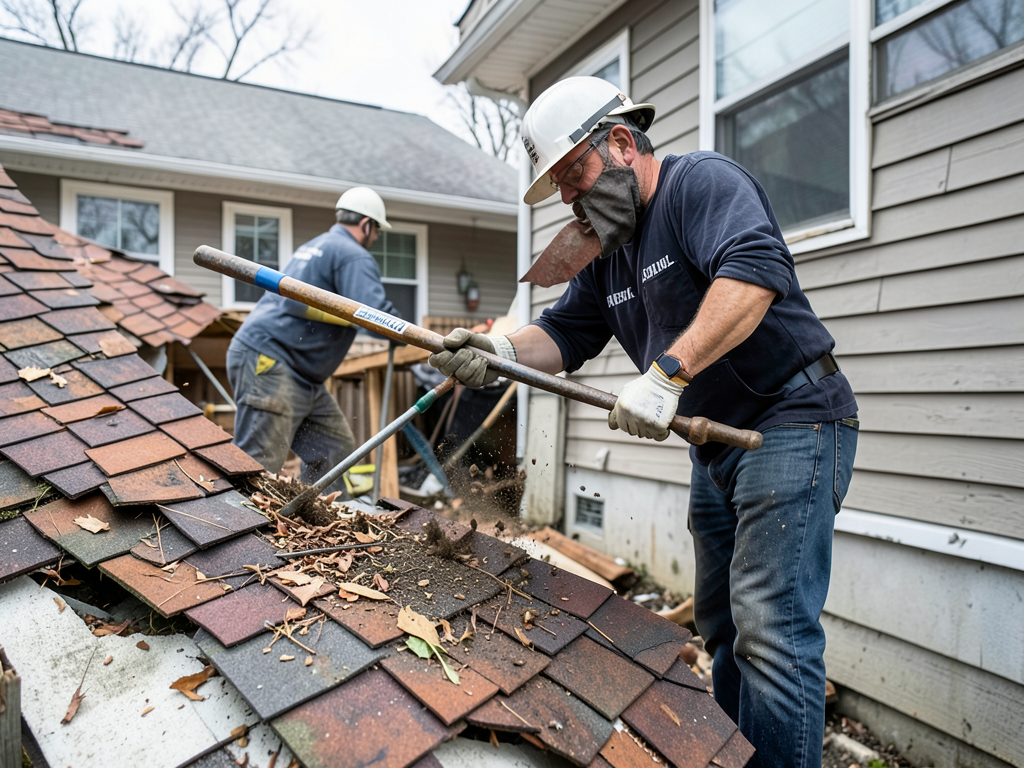
We start by stripping the shingles and underlayment over the affected area. This exposes the warped roof plywood so we can assess the extent of the damage. We measure deflection, check for rot, and inspect the rafters for structural integrity. If the rafters are damaged or undersized, we sister new lumber alongside them to restore proper support.

Next, we remove the failed decking. Sagging panels are cut out and discarded. We inspect the exposed framing for mold, wood rot, or pest damage. If the trusses or rafters show signs of moisture damage, we treat or replace them before installing new decking.

We install CDX plywood or OSB rated for roof applications, fastened with ring-shank nails at six-inch intervals along the edges and 12 inches in the field. This creates a rigid structural plane that will not bow under load. We stagger the seams between panels to distribute stress and prevent weak points.

Before we reinstall the shingles, we upgrade the ventilation system if needed. Ridge vents, soffit vents, and gable vents work together to move humid air out of the attic. This prevents future moisture buildup that leads to warped decking.

We then install new underlayment, flashing, and shingles. The final roof is structurally sound, flat, and built to handle Nashville's weather extremes without deflection or failure.

What Happens During Your Roof Deck Repair

Sagging Roof Deck in Nashville – Expert Diagnosis and Structural Repair Before Collapse
01

Structural Inspection

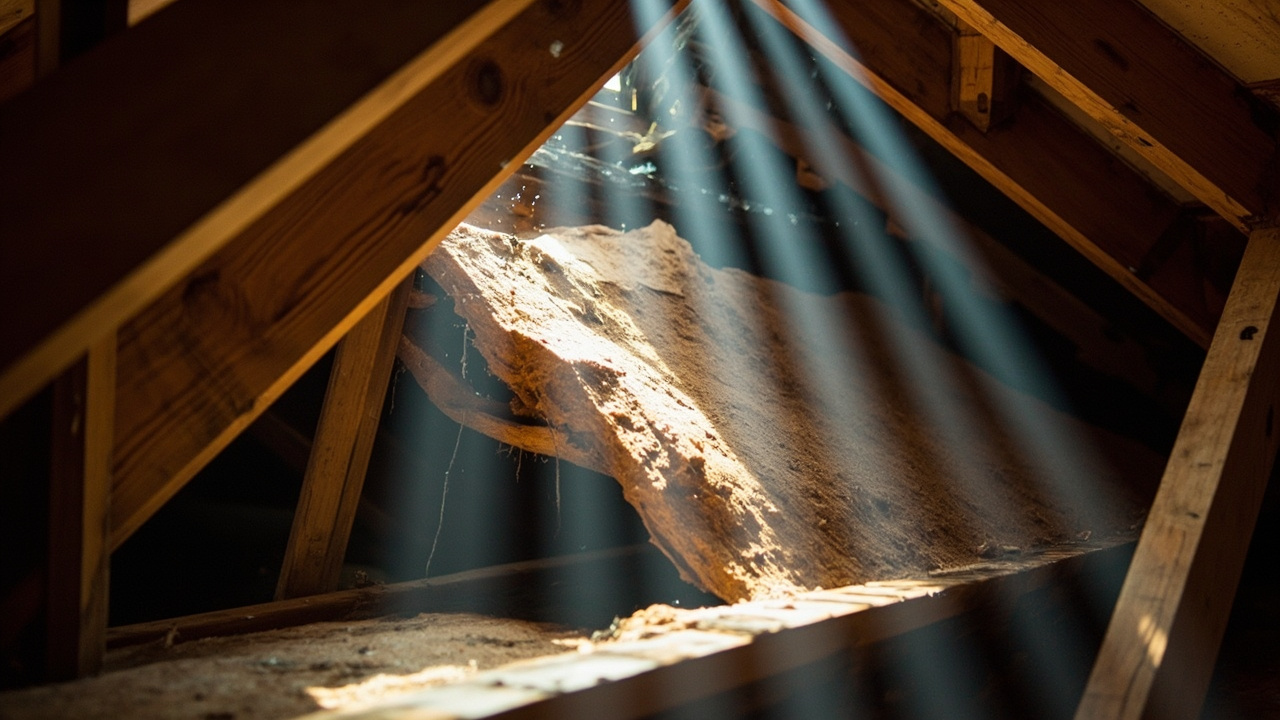
We climb onto your roof and measure the extent of the sagging. Using a straight edge and level, we identify deflected roof sheathing and mark the boundaries of the damage. We also inspect your attic from below, looking for water stains, mold, or visible bowing between rafters. This tells us if the problem is localized or systemic.
02

Decking Removal and Framing Repair

We strip the shingles and remove the warped plywood panels. If the rafters are damaged, we reinforce or replace them. Sistering new lumber alongside compromised framing restores the load-bearing capacity. We treat any wood rot and confirm the framing is square and level before installing new decking. This step ensures the structural foundation is solid.
03

New Decking Installation

We install new CDX plywood, fastening each panel with ring-shank nails at specified intervals. Seams are staggered to prevent weak points. We verify the surface is flat and rigid, then install new underlayment and shingles. The result is a roof deck that will not sag, bow, or deflect under load.

Why Nashville Homeowners Trust Titan Roofing for Structural Repairs

A sagging roof deck is a structural problem, not a cosmetic one. You need a contractor who understands load mechanics, wood behavior, and moisture dynamics.

Titan Roofing Nashville specializes in structural roof repairs for homes across Davidson County. We have worked on Historic District properties in Germantown, mid-century ranches in Donelson, and new construction in Green Hills. Every home has different framing systems, and we adapt our approach to match the architecture.

We do not guess. We measure deflection, inspect the framing, and calculate load requirements before we start work. If your rafters are spaced 24 inches on center instead of the modern 16-inch standard, we account for that when sizing the new decking. If your attic ventilation is inadequate, we upgrade it during the repair to prevent future moisture problems.

Nashville's building codes require roof decking to meet specific standards for wind uplift and load-bearing capacity. We install materials that exceed those minimums. Our plywood is rated for roof applications, and our fastening patterns follow engineer-approved specifications.

We also understand the insurance claims process. If your sagging deck is the result of storm damage or a documented leak, we can work with your adjuster to document the structural failure and advocate for proper repairs. Many insurance companies try to approve partial fixes that do not address the underlying framing issues. We push back when needed.

You will not find vague timelines or surprise change orders. We provide a written scope of work, a timeline, and a cost breakdown before we start. If we discover additional damage during the tear-off, we document it, explain the options, and get your approval before proceeding.

What You Can Expect During Roof Deck Replacement

Project Timeline and Scheduling

Most sagging deck repairs take two to four days, depending on the size of the affected area. We schedule the work during a dry weather window to prevent moisture exposure during the tear-off. Day one involves stripping shingles and removing damaged decking. Day two focuses on framing repairs and new plywood installation. Day three covers underlayment, flashing, and shingle replacement. We coordinate material deliveries to minimize delays and keep the project moving efficiently.

Initial Inspection and Damage Assessment

We start with a roof and attic inspection. From the exterior, we identify visible sagging and measure deflection. Inside the attic, we check for water stains, mold growth, and bowing between rafters. We take photos and document the damage. If you plan to file an insurance claim, we provide a detailed report with measurements and observations. The inspection takes about an hour, and you receive a written estimate within 24 hours.

Quality of the Finished Roof

When we finish, your roof deck is flat, rigid, and structurally sound. The new plywood will not sag or deflect under load. Shingles lay flat without waves or dips. Ventilation is optimized to prevent future moisture buildup. We conduct a final walkthrough to confirm the work meets your expectations. You get a roof that looks right, performs correctly, and protects your home for the long term. No callbacks, no surprises.

Post-Repair Follow-Up

We provide documentation of all materials used, including plywood grade, fastener type, and ventilation upgrades. If you file an insurance claim, this paperwork is critical. We also offer guidance on attic ventilation maintenance to prevent future moisture problems. If you notice any issues after the repair, we return to inspect and address them. Our goal is a permanent fix, not a temporary patch. You should not need another roof deck repair for decades.

Frequently Asked Questions

You Have Questions,
We Have Answers

What is a sagging roof deck? +

A sagging roof deck is when the plywood or OSB sheathing between your rafters or trusses dips or bows downward. You see visible low spots or waves when you look at your roofline. This happens when water damages the wood, trusses weaken, or the deck wasn't properly fastened during construction. Nashville's high humidity and frequent storms accelerate wood rot in older decks. If you spot sagging from the ground or inside your attic, the structural integrity is compromised. Ignoring it leads to leaks, mold, and potential collapse during heavy snow or wind events.

How much roof sagging is acceptable? +

No amount of roof sagging is acceptable. Even a small dip signals structural failure. A healthy roof deck stays flat and rigid between supports. If you see a visible sag or feel soft spots when walking the roof, the decking is failing. Nashville's freeze-thaw cycles and summer heat stress weakened decking faster. What starts as a minor dip quickly worsens as water pools in the low spot, rotting more wood. Get a professional inspection immediately. Waiting turns a deck replacement into a full truss repair, costing you thousands more.

Can a sagging deck be fixed? +

Yes, a sagging deck can be fixed, but the method depends on the cause. Minor sagging from loose sheathing requires refastening and adding support. Severe sagging from rot or broken trusses needs full deck replacement and structural reinforcement. Nashville roofers assess whether the trusses, rafters, or just the plywood failed. You cannot patch a rotted deck. The damaged sections get torn out and replaced with new plywood or OSB, then properly fastened to code. Fixing it early prevents interior water damage and keeps your home safe during storms.

Is it expensive to fix a sagging roof? +

Fixing a sagging roof depends on the damage extent. Replacing a few damaged plywood sheets costs less than rebuilding entire sections with truss repairs. Factors include square footage affected, accessibility, and whether water damaged your insulation or framing. Nashville homes with older decks often need more extensive work due to prolonged moisture exposure. Labor and materials vary, but delaying repairs increases costs exponentially. A small sag today becomes a full structural failure tomorrow. Get multiple inspections to understand the true scope before committing to repairs.

How Nashville's Humidity and Poor Attic Ventilation Cause Roof Deck Failure

Nashville's average summer humidity reaches 68 percent, and poorly ventilated attics trap that moisture against the underside of your roof decking. When plywood absorbs humid air over months and years, the wood fibers swell and lose rigidity. This creates bowing roof sheathing that sags between rafters. Older homes in East Nashville and Sylvan Park often lack adequate soffit or ridge vents, which accelerates moisture buildup. Combine that with Nashville's occasional winter freezes, and you get a cycle of expansion and contraction that weakens the wood structure. Deflected roof sheathing is the result, and it worsens every season until you replace the compromised panels.

Davidson County building codes require proper roof ventilation and structural decking that meets wind uplift standards. Titan Roofing Nashville follows those codes and upgrades older homes to modern specifications during repairs. We understand the framing systems common to Nashville's housing stock, from post-war bungalows to 1980s subdivisions. When you hire a local contractor who knows the architectural quirks of your neighborhood, you get a repair that accounts for rafter spacing, truss design, and the ventilation limitations of older construction. That local knowledge prevents repeat failures and ensures your new roof deck performs correctly in Nashville's climate.
Roofing Services in The Nashville Area

Titan Roofing Nashville is proud to serve the entire Nashville area, including surrounding communities. View our location on the map to see where our trusted services are available. We are dedicated to providing prompt, localized roofing solutions, so reach out today to confirm service in your specific neighborhood or to schedule an on-site consultation at your convenience.

Address:
Titan Roofing Nashville, 720 Music Cir E, Nashville, TN, 37203

Additional Services We Offer

Our news updates

Latest Articles & News from The Blogs

The Dangers of Leaving Old Satellite Dishes Bolted to Your Roof in Berry Hill Old satellite dishes bolted to your…

The Dangers of Leaving Old Satellite Dishes Bolted to Your Roof in Berry Hill

The Dangers of Leaving Old Satellite Dishes Bolted to Your Roof in Berry Hill Old satellite dishes bolted to your…

How to Safely Inspect Your Roof for Damage Using Just a Pair of Binoculars

The Safe Way to Inspect Your Nashville Roof: A Homeowner’s Guide Living in Nashville means your roof faces intense spring…

Creative Ways to Use Your Flat Roof for an Outdoor Living Area in 12 South

Creative Ways to Use Your Flat Roof for an Outdoor Living Area in 12 South Living in 12 South means…

Contact Us

A sagging roof deck will not fix itself. The longer you wait, the more expensive the repair becomes. Call Titan Roofing Nashville at (615) 640-4994 to schedule a structural inspection. We will assess the damage, explain your options, and provide a written estimate.