menu

Condensation & Moisture Issues in Nashville – Expert Diagnosis and Permanent Fixes for Roof Sweating

Stop moisture damage before it spreads. Our trained specialists identify the root cause of condensation and moisture issues in your attic and roof space, then deliver targeted solutions that eliminate trapped moisture, prevent mold growth, and protect your Nashville home.

Slider Image 1
Slider Image 2
Slider Image 3
Slider Image 4
Slider Image 5
Slider Image 7
Slider Image 8
Slider Image 9
Slider Image 10
Slider Image 11

Why Nashville Roofs Struggle with Moisture Buildup

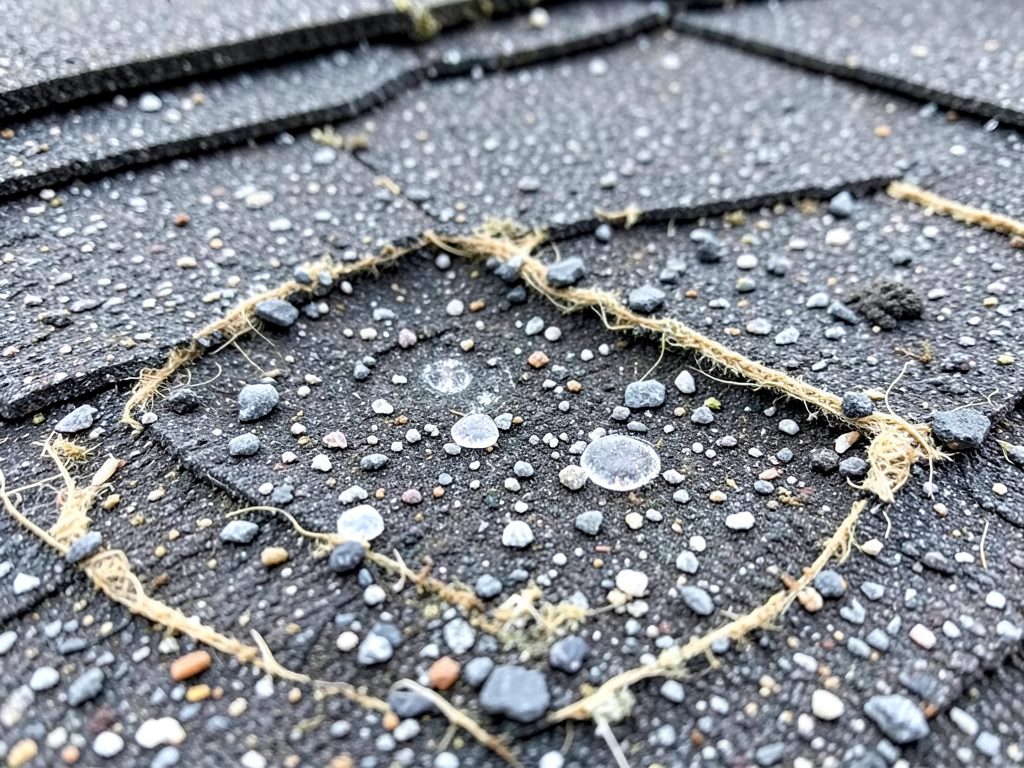
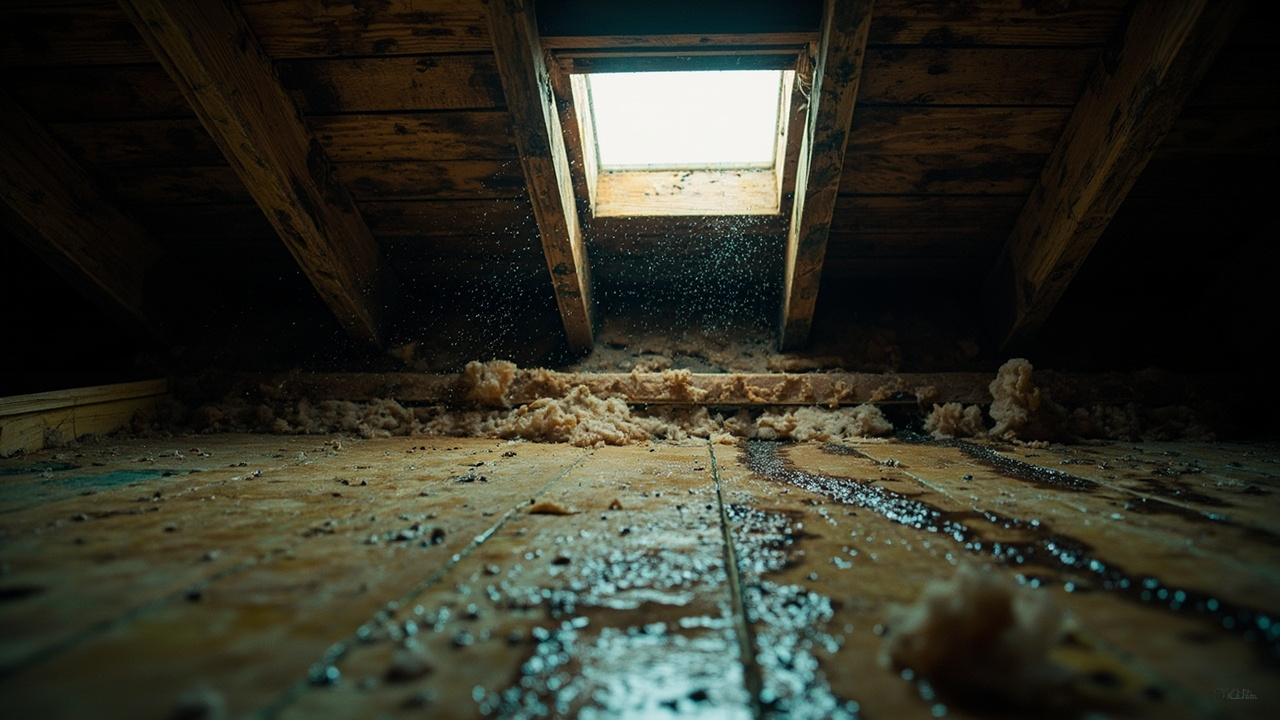
You notice water droplets clinging to the underside of your roof deck. Maybe you see dark stains spreading across your attic insulation. This is roof sweating, and Nashville's climate makes it a constant threat.

Nashville sits in a humid subtropical zone where summer dew points regularly hit 70 degrees or higher. When hot, moisture-laden air infiltrates your attic and meets the cooler surface of your roof deck, condensation forms. This trapped moisture in roof assemblies creates the perfect conditions for mold, wood rot, and structural decay.

The problem gets worse during spring and fall when day-to-night temperature swings amplify the effect. Your HVAC system running in cooling mode can actually make attic moisture buildup more severe if your home lacks proper vapor barriers or ventilation. Many older Nashville homes, particularly those in East Nashville and Germantown, were built before modern building science understood how to manage roof space condensation.

You might also notice roof dampness after heavy rainstorms, but the real damage happens slowly. Water vapor migrates through ceiling penetrations, can lights, and attic hatches. Once it reaches the cold roof deck, it condenses and drips back down onto insulation. Wet insulation loses its R-value and becomes a breeding ground for microbial growth.

The humidity does not just come from outside. Everyday activities like cooking, showering, and laundry pump moisture into your home's air. Without adequate exhaust ventilation and a balanced attic ventilation system, that moisture migrates upward and gets trapped.

Why Nashville Roofs Struggle with Moisture Buildup
How We Eliminate Moisture at the Source

How We Eliminate Moisture at the Source

Most contractors slap in a few more soffit vents and call it fixed. That approach fails because condensation and moisture issues stem from a system imbalance, not a single defect.

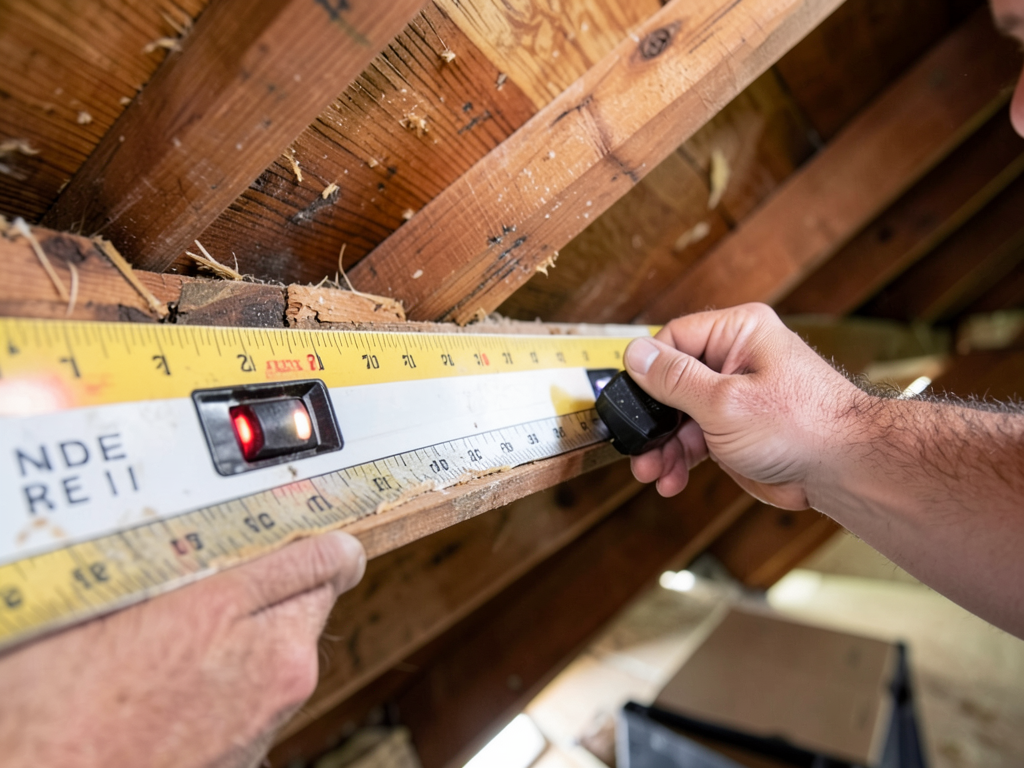
We start with a thermal imaging inspection of your attic space and roof deck. The infrared camera reveals temperature differentials that indicate where moisture is accumulating and where your ventilation system is failing. We measure attic temperature, relative humidity, and airflow patterns using calibrated hygrometers and anemometers.

Next, we trace the moisture pathway. We check for bypasses where conditioned air escapes into the attic. Common culprits include unsealed top plates, gaps around plumbing stacks, and improperly installed recessed lighting. We also inspect your existing soffit intake vents and ridge or gable exhaust vents to calculate your net free ventilation area. Building codes require one square foot of net free area per 150 square feet of attic space, but many Nashville homes fall short.

If your roof has inadequate ventilation, we design a balanced system using continuous ridge vents paired with properly sized soffit vents. This creates a natural convection current that pulls fresh air in low and exhausts hot, humid air out high. For complex roof geometries, we may recommend powered attic ventilators or solar-powered fans.

We also address the air barrier. We seal all penetrations between your living space and attic using fire-rated caulk or expanding foam. We install baffles between rafters to maintain a clear airflow channel from soffit to ridge. If your insulation is wet or compressed, we remove it and install fresh material after the attic has dried completely.

The goal is simple. Create a dry, well-ventilated attic that stays within a few degrees of outdoor temperature.

Our Moisture Diagnostic Process

Condensation & Moisture Issues in Nashville – Expert Diagnosis and Permanent Fixes for Roof Sweating
01

Comprehensive Attic Assessment

We begin with a detailed attic inspection using thermal imaging and moisture meters to map temperature variations and identify wet areas. Our technicians measure ambient conditions, examine insulation integrity, and document all roof penetrations and ventilation components. This diagnostic phase reveals exactly where moisture enters, where it accumulates, and what system failures are causing the problem in your specific roof assembly.
02

Ventilation and Airflow Analysis

We calculate your attic's net free ventilation area and compare it against code requirements for your square footage. Using smoke pencils and airflow measurements, we test whether your intake and exhaust vents create proper convection. We identify obstructed soffit vents, inadequate ridge venting, or unbalanced systems that trap humid air. This step determines what ventilation upgrades your roof needs to eliminate condensation and moisture issues permanently.
03

Air Sealing and Prevention

After addressing ventilation, we seal all air leakage points between your conditioned space and attic. We foam around plumbing stacks, seal top plates, install can light covers, and weatherstrip attic hatches. This creates an effective air barrier that prevents warm, humid air from migrating into your attic space. Combined with proper ventilation, this dual approach stops roof sweating at its source and protects your home from future moisture damage.

Why Nashville Homeowners Trust Our Moisture Solutions

Roof moisture problems require building science expertise, not guesswork. Many Nashville contractors misdiagnose condensation as a roof leak and patch perfectly good shingles. Others add ventilation without addressing air leakage, which makes the problem worse by pulling more humid air into the attic.

Titan Roofing Nashville approaches moisture issues with diagnostic precision. We understand how Nashville's climate interacts with your building envelope. We know that homes in neighborhoods like Belmont-Hillsboro and Green Hills often have complex rooflines with inadequate ventilation. We recognize that older homes in The Nations may lack vapor barriers entirely.

Our team stays current with building code requirements and advanced building science principles. We follow the guidelines established by organizations like the Air Barrier Association of America and the Roof Ventilation Institute. We size ventilation systems using actual calculations, not rules of thumb.

We also understand the insurance implications. Moisture damage often starts as a small problem but escalates into major mold remediation and structural repair. Our documentation includes thermal images, moisture readings, and detailed reports that provide a clear record of conditions. If you need to file a claim, you have professional evidence.

Local knowledge matters when diagnosing condensation and moisture issues. We know which Nashville HVAC contractors properly seal duct penetrations and which ones leave gaps. We understand how Davidson County's building inspection process works. We can navigate the permitting requirements if your ventilation upgrades require structural modifications.

You get transparent communication throughout the process. We explain what we find, why it matters, and what your options are. We provide written estimates with line-item pricing. No surprises, no pressure, just professional guidance that helps you make informed decisions about protecting your investment.

What to Expect When You Call Us

Rapid Response and Scheduling

We typically schedule diagnostic inspections within two to three business days of your call. Our inspection appointments run 60 to 90 minutes depending on your home's size and attic accessibility. We perform most condensation investigations during daylight hours when attic conditions are easiest to evaluate. If you notice active dripping or severe moisture accumulation, we can prioritize your inspection. Emergency moisture situations get same-day or next-day response to prevent ongoing damage while we develop a comprehensive repair plan.

Detailed Diagnostic Evaluation

Your inspection begins with a conversation about when you first noticed moisture, what symptoms you see, and whether the problem varies by season. We then enter your attic to conduct thermal imaging, take moisture readings, and photograph problem areas. We test your ventilation system's performance and check for air leakage paths. You receive a written report with thermal images, moisture data, and our findings. We review everything with you in plain language, explaining what is causing your roof sweating or attic moisture buildup and what fixes will resolve it.

Professional Installation Standards

Once you approve our proposal, we schedule installation based on weather and material availability. Most ventilation upgrades and air sealing work take one to three days. We protect your home with drop cloths and containment barriers. Our crews remove wet insulation if necessary, install ventilation components, seal all air bypasses, and install fresh insulation to proper R-values. You receive a clean, dry attic with balanced airflow and a properly sealed thermal boundary. We leave your property clean and provide documentation of all work completed for your records.

Ongoing Monitoring Recommendations

After we resolve your moisture issue, we provide guidance on monitoring your attic conditions. We recommend checking your attic quarterly, especially before and after summer. Look for any return of condensation, verify that soffit vents remain clear of insulation, and confirm that exhaust vents are not blocked by debris. We offer follow-up inspections if you notice any recurring symptoms. Most properly designed and installed ventilation systems require minimal maintenance, but Nashville's humidity means vigilance pays off. We are always available if you have questions or concerns about your attic environment.

Frequently Asked Questions

You Have Questions,
We Have Answers

How do you fix excessive condensation? +

Fix excessive condensation by improving ventilation and controlling indoor humidity. Install exhaust fans in bathrooms and kitchens to remove moist air. Check that attic vents are clear and functioning. In Nashville's humid climate, run a dehumidifier to keep indoor humidity between 30-50%. Seal air leaks around windows and doors to prevent warm, moist air from meeting cold surfaces. Insulate cold water pipes to prevent surface condensation. If condensation forms on windows during winter months, upgrade to double-pane glass. Address any roof leaks or plumbing issues that add moisture to your home.

What are signs of excessive condensation? +

Watch for water droplets forming on windows, especially during Nashville's humid summer mornings. You may see damp spots on walls or ceilings that feel cold to the touch. Musty odors signal trapped moisture in hidden areas. Black mold or mildew growing on window frames, bathroom walls, or ceiling corners indicates ongoing condensation problems. Peeling paint or wallpaper shows moisture penetrating surfaces. You might notice rust forming on metal fixtures or hardware. In attics, look for wet insulation or dark staining on roof decking. Warped wood trim or soft drywall also signals excessive moisture accumulation.

How to solve moisture problems in a house? +

Solve moisture problems by identifying the source first. Check your roof for leaks, especially after Nashville's heavy spring storms. Inspect crawl spaces and basements for standing water or dampness. Install vapor barriers in crawl spaces to block ground moisture. Fix plumbing leaks immediately. Improve ventilation by adding exhaust fans or opening windows during dry weather. Use dehumidifiers in problem areas. Ensure your HVAC system drains properly and change filters regularly. Grade soil away from your foundation to prevent water pooling. Clean gutters and downspouts so water flows away from the house. Address any foundation cracks.

What causes a house to have too much moisture? +

Houses gain excess moisture from daily activities like cooking, showering, and laundry. Poor ventilation traps this humid air inside. In Nashville, high outdoor humidity infiltrates through gaps and cracks. Plumbing leaks from pipes, toilets, or water heaters add hidden moisture. Roof leaks allow rain to penetrate attics and walls. Crawl spaces without vapor barriers absorb ground moisture that rises into living areas. Improperly vented dryers pump moisture indoors. Foundation cracks let groundwater seep into basements. Inadequate attic insulation causes warm air to condense on cold surfaces. HVAC systems that are too large cycle too quickly.

Why is my house getting so much condensation? +

Your house gets condensation when warm, humid air meets cold surfaces. Nashville's temperature swings between seasons create ideal conditions for this. In winter, indoor heat meets cold windows or exterior walls. In summer, humid outdoor air contacts cold AC vents or pipes. Poor insulation allows surface temperatures to drop below the dew point. Inadequate ventilation traps moisture from cooking, bathing, and breathing. Too many people or plants in a small space raises humidity. Your HVAC system may not be properly sized for your home. Blocked soffit vents prevent attic air circulation.

Can moisture in walls be fixed? +

Yes, moisture in walls can be fixed once you identify the source. First, locate and repair any roof leaks, plumbing issues, or foundation cracks allowing water entry. Remove wet insulation and let wall cavities dry completely using fans or dehumidifiers. In Nashville's humid climate, this may take several weeks. Cut out and replace any damaged drywall or moldy materials. Install proper vapor barriers before refinishing. Add ventilation to prevent future moisture buildup. If condensation caused the problem, improve insulation to keep wall surfaces warm. For persistent issues, consult a professional to check for hidden leaks or structural problems.

Does condensation mean my house is too cold? +

Condensation does not necessarily mean your house is too cold. It means you have a temperature difference between air and surfaces combined with high humidity. In Nashville winters, warm indoor air hits cold window glass and forms droplets. The solution is not always raising the heat. Instead, reduce indoor humidity with ventilation or dehumidifiers. Add insulation to keep surface temperatures closer to room temperature. Upgrade single-pane windows to double-pane. The goal is eliminating the temperature gap where moisture condenses. Sometimes condensation appears because your home is too airtight without proper ventilation for moisture escape.

Will a dehumidifier get rid of condensation? +

A dehumidifier helps reduce condensation by lowering moisture in the air. It works best when you also improve ventilation and address the moisture source. In Nashville's humid climate, dehumidifiers are effective for basements, crawl spaces, and rooms with persistent dampness. Set the device to maintain 30-50% relative humidity. Empty the collection tank regularly or connect a drain hose. However, dehumidifiers alone will not fix condensation from roof leaks, plumbing problems, or poor insulation. They manage symptoms but you must still correct the root cause. Use them as part of a complete moisture control strategy.

What causes too much moisture in a house? +

Houses accumulate too much moisture from everyday living activities combined with poor ventilation. Cooking releases steam into the air. Showers generate large amounts of vapor. Washing and drying clothes adds humidity. People and pets exhale moisture with every breath. In Nashville, outdoor humidity infiltrates through leaks and gaps. Wet basements or crawl spaces allow ground moisture to migrate upward. Plumbing leaks behind walls or under floors go unnoticed. Improperly vented bathroom or kitchen exhaust fans recirculate moist air. New energy-efficient homes trap moisture without adequate air exchange. Your HVAC system may not effectively remove humidity.

What absorbs moisture quickly? +

Desiccants like silica gel, calcium chloride, and activated charcoal absorb moisture quickly in small spaces. For whole rooms, dehumidifiers work fastest. Open boxes of baking soda help in closets or cabinets. Cat litter placed in containers pulls moisture from basements. Moisture-absorbing products like DampRid work for localized problems. However, in Nashville's humid climate, these are temporary fixes for small areas. For serious moisture issues, you need mechanical dehumidification and proper ventilation. Fans speed evaporation by moving air. The most effective approach combines immediate absorption with long-term humidity control through ventilation and source elimination.

How Nashville's Humidity and Temperature Swings Drive Roof Condensation

Nashville experiences some of the most challenging conditions for attic moisture control in the Southeast. Summer humidity regularly exceeds 70 percent, while winter cold snaps push nighttime temperatures below freezing. These temperature swings create severe condensation potential. When your attic hits 90 degrees during a July afternoon and then your air conditioning cools the roof deck from below, moisture-laden air condenses instantly on cold surfaces. Spring and fall bring dramatic day-to-night temperature changes that cycle moisture through condensation and evaporation repeatedly, causing cumulative damage to roof decking and insulation.

Nashville homes need contractors who understand local building performance. Older homes in East Nashville, Germantown, and Lockeland Springs were built before modern ventilation standards existed. Many have inadequate soffit intake or blocked gable vents. Newer construction in areas like Sylvan Park sometimes cuts corners on air sealing, leaving gaps that pump humid air into attics. We work throughout Davidson County and understand the building stock in each neighborhood. Our approach combines proven building science with practical knowledge of how Nashville homes actually perform, ensuring your moisture solution works long-term in our specific climate.
Roofing Services in The Nashville Area

Titan Roofing Nashville is proud to serve the entire Nashville area, including surrounding communities. View our location on the map to see where our trusted services are available. We are dedicated to providing prompt, localized roofing solutions, so reach out today to confirm service in your specific neighborhood or to schedule an on-site consultation at your convenience.

Address:
Titan Roofing Nashville, 720 Music Cir E, Nashville, TN, 37203

Additional Services We Offer

Our news updates

Latest Articles & News from The Blogs

Why Your 100-Year-Old East Nashville Home Might Need Structural Reinforcement Before a New Roof Your 1920s Craftsman in East Nashville…

Why Your 100-Year-Old East Nashville Home Might Need Structural Reinforcement Before a New Roof

Why Your 100-Year-Old East Nashville Home Might Need Structural Reinforcement Before a New Roof Your 1920s Craftsman in East Nashville…

Understanding the Tear-Off Process and What Happens to Your Property During a Roof Replacement

Understanding the Tear-Off Process and What Happens to Your Property During a Roof Replacement Replacing a roof in Nashville involves…

What to Do When Your Insurance Company Denies Your Nashville Hail Damage Claim

What to Do When Your Insurance Company Denies Your Nashville Hail Damage Claim Your roof insurance claim was denied. You…

Contact Us

Condensation damage gets worse every day you wait. Call Titan Roofing Nashville at (615) 640-4994 right now to schedule your diagnostic inspection. We will identify the source of your moisture problem and provide a clear fix that protects your home.