
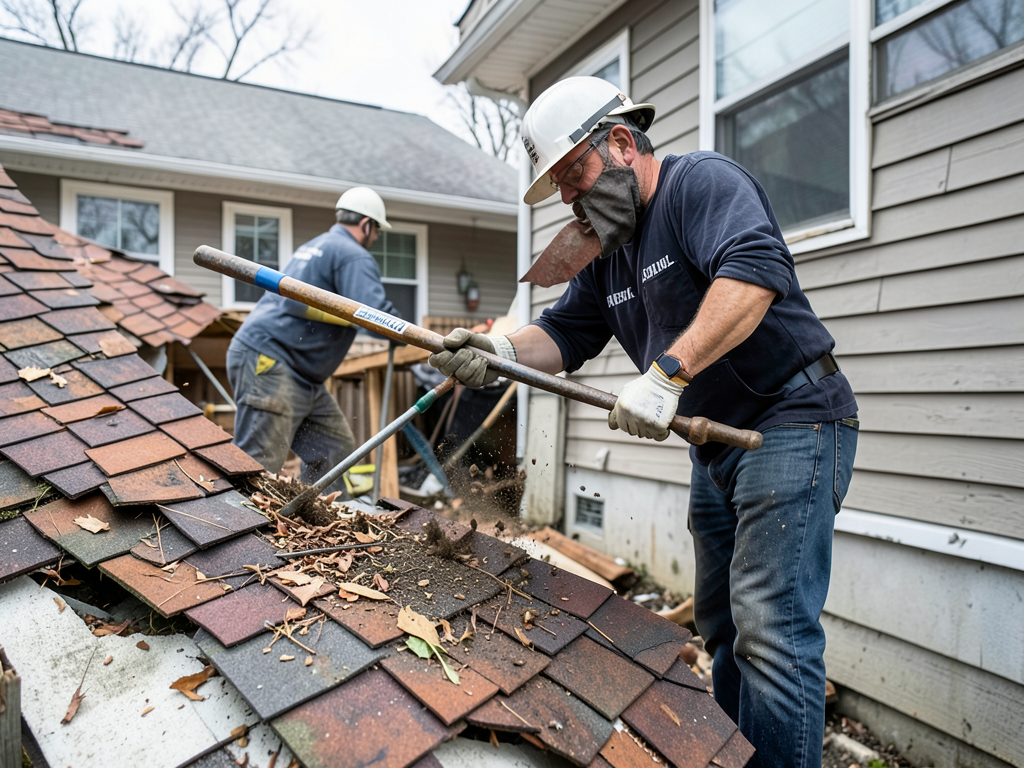
Understanding the Tear-Off Process and What Happens to Your Property During a Roof Replacement
Replacing a roof in Nashville involves more than just installing new shingles. The tear-off process removes every layer down to the wood deck exposing your home to weather and debris for several days. Property protection starts before the first shingle is lifted and continues through final cleanup.
Homeowners in areas like Donelson and Hermitage often ask what actually happens during this noisy multi-day process. The tear-off reveals the true condition of your roof deck showing water damage rot or structural issues that were hidden under old materials. This inspection phase determines if decking needs replacement which can affect your timeline and budget.
Nashville’s humid climate and frequent storms make proper tear-off procedures critical. Old shingles must be removed completely to install proper ice and water shield underlayment that protects against ice damming in winter. The process also includes replacing flashing around chimneys and vents which prevents leaks at these vulnerable points.
Property protection measures include Catch-All systems that catch falling debris and plywood barriers over windows and HVAC units. Magnetic sweeping removes nails from your yard and driveway preventing flat tires and injuries. Davidson County building permits require specific inspection points during the tear-off process ensuring code compliance. Davidson County Building Permits.
Why Nashville Homes Need Complete Tear-Offs Not Just Overlay
Many Nashville neighborhoods including Sylvan Park and 12 South have homes built before 2000 with multiple shingle layers. Building codes in Davidson County now prohibit more than two layers of roofing material. A complete tear-off becomes necessary when existing layers show signs of failure. Roofing La Vergne.
Old shingles trap moisture against the decking creating perfect conditions for wood rot and mold growth. Nashville’s high humidity accelerates this deterioration especially on north-facing slopes that receive less sun. The tear-off process exposes these problems allowing proper repairs before new materials go on.
Overlay installations may seem cheaper but they add weight to roof structures not designed for extra load. Many Nashville homes have 2×4 rafters spaced 24 inches apart typical of homes built in the 1970s and 1980s. These structures cannot support the additional weight of a second shingle layer.
The tear-off also reveals flashing conditions around chimneys skylights and wall intersections. These metal components deteriorate over time especially at soldered joints. Replacing them during the tear-off prevents future leaks that could damage interior finishes and insulation.
Property Protection Steps Before Tear-Off Begins
Professional roofing crews start by laying protective tarps over landscaping shrubs and flower beds. Nashville’s mature trees and established gardens in neighborhoods like Green Hills require careful coverage to prevent damage from falling debris. Tarps extend beyond the roof edge to catch granules and nails.. Read more about Why We Recommend Mod-Bit Roofing for Older Commercial Buildings in North Nashville.
Windows doors and exterior light fixtures get covered with plywood sheets to prevent impact damage. This protection proves essential in older Nashville neighborhoods where original wood windows and historic details cannot be easily replaced. Catch-All systems consisting of reinforced netting attach to the roof edge creating a debris-catching barrier.
Vehicles must be moved from driveways and the street in front of your home. Shingle granules falling from the roof can damage car paint and windshields. Crews also protect AC units by covering them with plywood and securing the covers against wind.
Dumpsters positioned for debris removal require driveway protection. Crews lay down plywood sheets to prevent dents and cracks in concrete or asphalt. The dumpster placement affects your property access so discuss this with your contractor before work starts.
The Complete Tear-Off Process Step by Step
The tear-off begins at the ridge cap and works downward. Roofers use roofing shovels and pry bars to lift shingles exposing the underlayment below. This process typically starts around 8 AM after property protection is complete.
Underlayment removal reveals the wood deck condition. Crews inspect each sheet of plywood or OSB for signs of rot soft spots or water damage. Areas near chimneys and valleys often show the worst deterioration due to water channeling.
Flashing removal requires careful cutting of sealant and prying up metal pieces. Chimney flashing especially needs gentle handling to avoid damaging the masonry. Valley flashing removal often reveals hidden rot where water has pooled over years.
Drip edge along eaves and rakes comes off next. This metal edging protects the decking edges from water infiltration. Its removal often shows whether previous installations followed proper building codes which affects current permit requirements.
Decking inspection happens immediately after tear-off. Crews walk the entire roof surface checking for soft spots that indicate rot. They also look for nail pops that create bumps under new shingles. Any damaged decking gets marked for replacement.
Decking Inspection and Replacement Requirements
Wood decking inspection follows specific guidelines from the International Residential Code adopted by Davidson County. Sections showing rot or delamination must be replaced. The code requires replacing any decking that cannot support new roofing materials. Reliable Residential Roofers Serving East Nashville and Inglewood.
Common issues in Nashville homes include water damage near chimneys where flashing failed. The moisture causes OSB decking to swell and delaminate creating an unstable surface for new shingles. These areas require complete replacement not just patching. Solving Common Flat Roof Leaks for Downtown Nashville Condos.
Roof pitch affects decking requirements. Steeper roofs over 7:12 pitch need closer fastener spacing to prevent shingle blow-off. Crews check existing fastener patterns during inspection to ensure they meet current wind load requirements for Middle Tennessee. Tennessee Board for Licensing Contractors.
Ventilation assessment happens during decking inspection. Soffit vents ridge vents and gable vents must provide proper airflow to prevent moisture buildup in the attic. Poor ventilation causes premature shingle failure and ice dam formation in winter.
Ice and Water Shield Installation Requirements
Tennessee building codes require ice and water shield in specific areas of the roof. Davidson County follows International Residential Code Section R905.1.8 which mandates shield in valleys and along eaves extending 24 inches past the exterior wall.
Nashville’s winter weather creates ice damming conditions where melting snow refreezes at roof edges. This ice backup forces water under shingles causing interior damage. Ice and water shield provides self-sealing protection around nails preventing this infiltration.
Valley areas require shield along the entire length. These low points channel water and debris creating wear patterns that can lead to leaks. The shield also protects against wind-driven rain that can blow up under shingles at the roof edge.
Chimney and skylight perimeters need shield installation. These roof penetrations represent the highest risk areas for water intrusion. The shield extends up the sidewalls and across the top creating a waterproof barrier.
New Underlayment and Material Installation
Synthetic underlayment replaces traditional felt paper on most Nashville homes. This material resists tearing provides better traction for workers and withstands UV exposure longer. The underlayment overlaps according to manufacturer specifications creating a water-shedding surface.
Drip edge installation follows underlayment. This metal edging directs water into gutters preventing it from seeping under shingles at the roof edge. Proper overlap at corners prevents water infiltration at these vulnerable points.
Starter shingles install along the eaves before field shingles. These specialized pieces have adhesive strips that bond to the first course preventing wind uplift. Proper alignment ensures straight shingle courses across the entire roof.
Field shingles install from bottom to top working left to right. Each course overlaps the previous one according to manufacturer specifications. Hip and ridge caps install last covering the roof peak and providing wind resistance.
Cleanup and Final Inspection Process
Cleanup begins as soon as the last shingle goes on. Crews remove all tarps and protective coverings. They collect debris in the dumpster and sweep the roof surface to remove loose granules and nails.
Magnetic sweeping covers the entire property. Crews use industrial magnets to pick up nails from grass driveways and flower beds. This process often finds nails in unexpected places like shrub branches and gutter downspouts.
Gutter cleaning happens after magnetic sweeping. Debris from the tear-off often fills gutters requiring removal to ensure proper drainage. Crews check downspout connections and repair any that came loose during the process.
Final inspection checks all penetrations flashings and transitions. Crews verify that all vents are properly sealed and that no nails are visible on the roof surface. They also check that all equipment like satellite dishes is properly remounted.
Nashville-Specific Building Code Requirements
Davidson County requires building permits for all roof replacements. The permit process includes submitting roof plans showing materials and ventilation details. Inspections happen at different stages including after tear-off and before final payment.
Wind load requirements for Middle Tennessee specify minimum fastener patterns for different roof zones. Areas near the Cumberland River and in West Nashville face higher wind speeds requiring additional fasteners in the field.
Fire ratings affect material choices in certain Nashville neighborhoods. Homes in historic districts may require Class A fire-rated materials matching original construction. The Metro Historic Zoning Commission reviews plans for properties in these areas.
Energy code compliance includes minimum attic insulation levels and proper ventilation calculations. Nashville’s hot summers make proper attic ventilation critical for preventing heat buildup that can damage shingles from below.
Weather Considerations for Nashville Roof Replacement
Nashville’s weather patterns affect tear-off scheduling. Spring thunderstorms can interrupt work requiring temporary tarping of exposed decking. Crews monitor weather forecasts closely and adjust schedules to avoid leaving roofs open during severe weather.
Summer heat affects worker safety and material installation. Asphalt shingles become soft in temperatures over 90 degrees making them prone to scuffing. Crews often start earlier in summer months to avoid afternoon heat.
Fall provides ideal conditions for roof replacement. Moderate temperatures allow proper sealant activation and worker comfort. However, falling leaves can clog gutters and create slip hazards requiring additional cleanup.
Winter installations require special considerations. Shingles need temperatures above 40 degrees for proper sealing. Ice and water shield becomes critical for preventing ice damming in Nashville’s occasional freezing conditions.
Cost Factors Specific to Nashville Market
Tear-off costs in Nashville vary based on roof complexity and decking condition. Simple gable roofs cost less per square than complex designs with multiple valleys and penetrations. Older Nashville homes often have hidden damage increasing final costs.
Decking replacement adds significant cost to roof projects. Each sheet of plywood or OSB costs between $25 and $40 plus labor for removal and installation. Homes built before 1980 often need extensive decking replacement due to moisture damage. Choosing Between Shingles and Metal for Your New Hendersonville Roof.
Flashing replacement costs depend on material type. Aluminum flashing costs less than copper but may not last as long. Chimney flashing replacement often requires masonry work if the brick or mortar has deteriorated.
Permit fees in Davidson County range from $150 to $300 depending on roof size. Additional inspections for complex roofs may add to the total cost. Historic district properties may require design review fees.
Timeline Expectations for Nashville Roof Replacement
Most Nashville homes complete tear-off and replacement in two to three days. Weather delays can extend this timeline especially during spring storm season. Simple gable roofs finish faster than complex designs with multiple dormers and valleys.
Day one involves property protection tear-off and decking inspection. Crews work from morning until evening removing old materials and assessing deck condition. Any necessary decking replacement happens this day.
Day two installs underlayment ice and water shield and flashings. Shingle installation begins if weather permits. Complex roofs may need a third day for complete shingle installation.
Day three completes shingle installation and cleanup. Final inspection happens this day with permit inspector if required. Crews remove all equipment and complete magnetic sweeping of the property.
Noise and Disruption During the Process
Tear-off creates significant noise from shingle removal and debris falling into dumpsters. Homeowners should expect continuous hammering and scraping sounds throughout the day. The noise level makes working from home difficult during the process.
Debris falling from the roof creates vibrations that may affect interior items. Pictures on walls and items on shelves may shift during the tear-off. Removing valuable or fragile items from walls provides protection.
Roof access affects daily routines. Crews need driveway access for equipment and material delivery. This may prevent parking in your driveway for several days. Discuss access needs with your contractor before work starts.
Pet safety requires planning during roof replacement. The noise and activity can stress animals. Consider boarding pets or keeping them in a quiet interior room away from the work area.
Choosing the Right Contractor in Nashville
Tennessee requires roofing contractors to hold specific licenses. The Tennessee Board for Licensing Contractors issues roofing licenses after testing and insurance verification. Always verify contractor licenses before signing contracts.
Local experience matters in Nashville’s unique market. Contractors familiar with Davidson County codes and Middle Tennessee weather patterns provide better results. They understand local material suppliers and building inspector preferences.
Insurance verification protects homeowners from liability. Contractors must carry workers’ compensation and liability insurance. Request certificates of insurance and verify coverage with the insurance companies.
References from Nashville neighborhoods similar to yours provide insight into contractor quality. Ask for references from homes built in the same era as yours to understand how they handle similar challenges.
Frequently Asked Questions
How long does a roof tear-off take in Nashville?
Most residential tear-offs in Nashville take one day for removal and inspection. Weather delays or extensive decking replacement may extend this timeline. The complete replacement process including new installation typically finishes in two to three days.
Will my landscaping get damaged during the tear-off?
Professional crews use protective tarps and Catch-All systems to prevent damage to landscaping. Mature shrubs and flower beds in Nashville neighborhoods like Green Hills require special protection. Some minor debris may fall through but serious damage is rare with proper precautions.
What happens if rotten decking is found during the tear-off?
Rotten decking gets replaced before new shingles install. The International Residential Code requires replacement of any decking that cannot support new roofing materials. This additional work increases costs but prevents future problems and ensures warranty coverage.
Do I need permits for roof replacement in Nashville?
Yes Davidson County requires building permits for all roof replacements. The permit process includes inspections at different stages. Permit fees range from $150 to $300 depending on roof size. Historic district properties may need additional approvals.
How do crews protect my property during the tear-off?
Crews use plywood to cover windows and exterior fixtures. Tarps protect landscaping and Catch-All systems catch falling debris. Magnetic sweeping removes nails from your property after completion. AC units and other equipment get covered and protected throughout the process.
Can I stay in my home during the roof replacement?
Most homeowners stay during roof replacement. The noise makes working from home difficult but it’s not dangerous. Consider staying elsewhere if you have young children or pets sensitive to noise. The process typically finishes in two to three days.
What type of underlayment should be used in Nashville?
Synthetic underlayment provides better protection than traditional felt in Nashville’s climate. It resists tearing handles foot traffic better and withstands UV exposure longer. The material also provides better traction for workers reducing accident risk.
How does Nashville’s weather affect the tear-off schedule?
Spring thunderstorms can interrupt work requiring temporary tarping of exposed decking. Summer heat affects worker safety and material handling. Fall provides ideal conditions but falling leaves create cleanup needs. Winter installations require temperature considerations for proper shingle sealing.
What areas of Nashville have the most complex roof replacements?
Historic districts like 12 South and East Nashville often have complex roof designs with multiple valleys and dormers. Homes in areas like Belle Meade may have slate or tile requiring specialized handling. Older homes built before 1980 often need extensive decking replacement. Expert Slate and Tile Roof Restoration in Belle Meade.
How do I prepare my home for the tear-off process?
Move vehicles from driveways and the street in front of your home. Remove wall decorations that could fall from vibrations. Cover items in attic spaces where dust may enter. Discuss access needs with your contractor and plan for noise disruption during the process.
Ready to Start Your Roof Replacement
Understanding the tear-off process helps you prepare for your roof replacement in Nashville. The process protects your property while revealing hidden damage that needs repair. Proper preparation and choosing the right contractor ensures your new roof performs well for years to come.
Call (615) 640-4994 today to schedule your roof inspection and get a detailed estimate for your tear-off and replacement project. Our experienced crews understand Nashville’s specific building codes and weather challenges ensuring your roof replacement meets all local requirements.
Don’t wait until leaks damage your home’s interior. Pick up the phone and call (615) 640-4994 before the next storm hits. We’ll help you understand exactly what to expect during your roof replacement and protect your Nashville home throughout the entire process.
{
“@context”: “https://schema.org”,
“@type”: “BlogPosting”,
“headline”: “Understanding the Tear-Off Process and What Happens to Your Property During a Roof Replacement”,
“description”: “Learn the complete roof tear-off process in Nashville. See how your property is protected, what happens to your decking, and local building code requirements for Middle Tennessee.”,
“wordCount”: 2806,
“datePublished”: “2026-06-11T15:48:00.000Z”,
“dateModified”: “2026-06-11T15:48:00.000Z”,
“inLanguage”: “en-US”,
“mainEntityOfPage”: {
“@type”: “WebPage”,
“@id”: “https://titanroofingnashville.com”
},
“publisher”: {
“@type”: “LocalBusiness”,
“name”: “Titan Roofing Nashville”,
“url”: “https://titanroofingnashville.com”
},
“author”: {
“@type”: “Organization”,
“name”: “Titan Roofing Nashville”,
“url”: “https://titanroofingnashville.com”
},
“image”: {
“@type”: “ImageObject”,
“url”: “https://titanroofingnashville.com/wp-content/uploads/2026/03/understanding-the-tear-off-process-and-what-happen-1.png”
}
}
{
“@context”: “https://schema.org”,
“@type”: “RoofingContractor”,
“name”: “Titan Roofing Nashville”,
“url”: “https://titanroofingnashville.com”,
“address”: {
“@type”: “PostalAddress”,
“addressLocality”: “Nashville”
},
“areaServed”: {
“@type”: “City”,
“name”: “Nashville”
}
}
{
“@context”: “https://schema.org”,
“@type”: “FAQPage”,
“mainEntity”: [
{
“@type”: “Question”,
“name”: “How long does a roof tear-off take in Nashville?”,
“acceptedAnswer”: {
“@type”: “Answer”,
“text”: “Most residential tear-offs in Nashville take one day for removal and inspection. Weather delays or extensive decking replacement may extend this timeline. The complete replacement process including new installation typically finishes in two to three days.”
}
},
{
“@type”: “Question”,
“name”: “Will my landscaping get damaged during the tear-off?”,
“acceptedAnswer”: {
“@type”: “Answer”,
“text”: “Professional crews use protective tarps and Catch-All systems to prevent damage to landscaping. Mature shrubs and flower beds in Nashville neighborhoods like Green Hills require special protection. Some minor debris may fall through but serious damage is rare with proper precautions.”
}
},
{
“@type”: “Question”,
“name”: “What happens if rotten decking is found during the tear-off?”,
“acceptedAnswer”: {
“@type”: “Answer”,
“text”: “Rotten decking gets replaced before new shingles install. The International Residential Code requires replacement of any decking that cannot support new roofing materials. This additional work increases costs but prevents future problems and ensures warranty coverage.”
}
},
{
“@type”: “Question”,
“name”: “Do I need permits for roof replacement in Nashville?”,
“acceptedAnswer”: {
“@type”: “Answer”,
“text”: “Yes Davidson County requires building permits for all roof replacements. The permit process includes inspections at different stages. Permit fees range from $150 to $300 depending on roof size. Historic district properties may need additional approvals.”
}
},
{
“@type”: “Question”,
“name”: “How do crews protect my property during the tear-off?”,
“acceptedAnswer”: {
“@type”: “Answer”,
“text”: “Crews use plywood to cover windows and exterior fixtures. Tarps protect landscaping and Catch-All systems catch falling debris. Magnetic sweeping removes nails from your property after completion. AC units and other equipment get covered and protected throughout the process.”
}
},
{
“@type”: “Question”,
“name”: “Can I stay in my home during the roof replacement?”,
“acceptedAnswer”: {
“@type”: “Answer”,
“text”: “Most homeowners stay during roof replacement. The noise makes working from home difficult but it’s not dangerous. Consider staying elsewhere if you have young children or pets sensitive to noise. The process typically finishes in two to three days.”
}
},
{
“@type”: “Question”,
“name”: “What type of underlayment should be used in Nashville?”,
“acceptedAnswer”: {
“@type”: “Answer”,
“text”: “Synthetic underlayment provides better protection than traditional felt in Nashville’s climate. It resists tearing handles foot traffic better and withstands UV exposure longer. The material also provides better traction for workers reducing accident risk.”
}
},
{
“@type”: “Question”,
“name”: “How does Nashville’s weather affect the tear-off schedule?”,
“acceptedAnswer”: {
“@type”: “Answer”,
“text”: “Spring thunderstorms can interrupt work requiring temporary tarping of exposed decking. Summer heat affects worker safety and material handling. Fall provides ideal conditions but falling leaves create cleanup needs. Winter installations require temperature considerations for proper shingle sealing.”
}
},
{
“@type”: “Question”,
“name”: “What areas of Nashville have the most complex roof replacements?”,
“acceptedAnswer”: {
“@type”: “Answer”,
“text”: “Historic districts like 12 South and East Nashville often have complex roof designs with multiple valleys and dormers. Homes in areas like Belle Meade may have slate or tile requiring specialized handling. Older homes built before 1980 often need extensive decking replacement. Expert Slate and Tile Roof Restoration in Belle Meade.”
}
}
]
}
{
“@context”: “https://schema.org”,
“@type”: “BreadcrumbList”,
“itemListElement”: [
{
“@type”: “ListItem”,
“position”: 1,
“name”: “Home”,
“item”: “https://titanroofingnashville.com”
},
{
“@type”: “ListItem”,
“position”: 2,
“name”: “Blog”,
“item”: “https://titanroofingnashville.com/blog”
},
{
“@type”: “ListItem”,
“position”: 3,
“name”: “Understanding the Tear-Off Process and What Happens to Your Property During a Roof Replacement”
}
]
}
{
“@context”: “https://schema.org”,
“@type”: “Service”,
“serviceType”: “Roofing”,
“provider”: {
“@type”: “LocalBusiness”,
“name”: “Titan Roofing Nashville”,
“url”: “https://titanroofingnashville.com”
},
“areaServed”: {
“@type”: “City”,
“name”: “Nashville”
},
“description”: “Learn the complete roof tear-off process in Nashville. See how your property is protected, what happens to your decking, and local building code requirements for Middle Tennessee.”
}