menu

Does Insurance Cover Roof Leaks in Nashville? – Get Clear Answers on Homeowners Coverage and Claim Requirements

Understanding does insurance cover roof leaks in Nashville means knowing what types of damage qualify, what policy exclusions exist, and how to document your claim correctly to maximize your coverage and avoid denials.

Slider Image 1
Slider Image 2
Slider Image 3
Slider Image 4
Slider Image 5
Slider Image 7
Slider Image 8
Slider Image 9
Slider Image 10
Slider Image 11

Why Nashville Homeowners Struggle With Roof Leak Insurance Claims

You discover water stains spreading across your ceiling after a storm. You call your insurance agent, confident your policy will cover the repair. Then you hear the words no homeowner wants to hear: claim denied.

Does home insurance cover leaking roofs? The answer depends on how the leak started. Homeowners insurance roof leak coverage typically applies when sudden, accidental events cause the damage. A tree branch punching through shingles during a severe thunderstorm usually qualifies. Gradual deterioration from years of neglect does not.

Nashville's weather pattern creates a perfect storm for coverage confusion. Our area sees an average of 47 inches of rain annually, combined with humid summers that accelerate shingle degradation and winter freeze-thaw cycles that crack flashing. When a leak appears, determining whether it resulted from a covered peril or normal wear becomes the battleground between you and your adjuster.

Insurance companies deny roof leak water damage insurance claims for three main reasons. First, they classify the damage as maintenance-related rather than storm-related. Second, they argue your roof exceeded its expected lifespan. Third, they claim you failed to mitigate further damage after discovering the leak.

The line between covered and excluded damage often comes down to documentation. A leak appearing immediately after high winds looks very different on a claim than one you noticed months after a storm. Is a leaking roof covered by homeowners insurance? Only if you can prove the proximate cause was sudden and accidental, not the result of deferred maintenance or natural aging.

Understanding these distinctions before water pours into your living room makes the difference between a successful claim and an expensive out-of-pocket repair.

Why Nashville Homeowners Struggle With Roof Leak Insurance Claims
What Your Policy Actually Covers and What It Excludes

What Your Policy Actually Covers and What It Excludes

Home insurance coverage for roof leaks follows a clear framework, though insurance companies rarely explain it in plain language. Your policy covers sudden and accidental direct physical loss to your roof. This includes wind damage, hail impact, falling objects, and fire. It excludes damage from wear and tear, lack of maintenance, or gradual deterioration.

The critical distinction lies in the proximate cause. If a storm with documented 60 mph winds lifts your shingles and rain enters through the exposed decking, you have a covered claim. If your 22-year-old shingles finally gave out during a light rain because they reached the end of their service life, you do not.

Most Nashville policies include an Actual Cash Value or Replacement Cost Value clause for roof damage. Actual Cash Value pays for your roof's depreciated value based on age and condition. A 15-year-old roof with a 20-year lifespan receives 25% less than replacement cost. Replacement Cost Value pays the full amount to install a new comparable roof, minus your deductible, but often requires you to complete the work before receiving full payment.

Your policy also carries a wind and hail deductible separate from your standard deductible. While your regular deductible might be $1,000, your wind and hail deductible could be 1% to 5% of your dwelling coverage. On a home insured for $300,000, a 2% deductible means you pay the first $6,000 of repairs.

Water damage to your interior from a covered roof leak typically falls under your dwelling and personal property coverage. Your policy pays to repair the ceiling, walls, and flooring damaged by water intrusion. It covers damaged furniture and belongings under your contents coverage, subject to your deductible.

The exclusion that catches most homeowners off guard is the maintenance clause. If the adjuster determines your roof needed repair before the storm, they can deny the entire claim based on lack of maintenance, even if storm damage clearly contributed to the leak.

How to Navigate Your Roof Leak Insurance Claim

Does Insurance Cover Roof Leaks in Nashville? – Get Clear Answers on Homeowners Coverage and Claim Requirements
01

Document the Damage Immediately

Take photos and videos of the leak, interior water damage, and visible roof damage from the ground before any contractor touches your property. Capture images showing the water intrusion point, stains on ceilings and walls, and damaged belongings. Check your weather app or local news for storm reports documenting wind speeds and hail on the date damage occurred. This evidence establishes the timeline and cause before the insurance adjuster arrives to evaluate your claim.
02

Get a Professional Inspection

Schedule a roof inspection with a licensed contractor familiar with insurance claims before filing. The inspector examines your roof deck, underlayment, flashing, and shingles to identify all storm damage, not just the obvious leak source. They document wind-lifted shingles, hail impact points, and compromised penetrations. This inspection report provides technical evidence supporting your claim and prevents the adjuster from limiting the scope to a small patch when the entire roof system sustained damage.
03

File and Advocate Your Claim

Submit your claim with all documentation, including photos, contractor reports, and weather data. Meet the insurance adjuster on site with your contractor present to walk through the damage together. Your contractor can point out damage the adjuster might miss or downplay. If the insurance company denies your claim or offers inadequate payment, request a reinspection or hire a public adjuster to negotiate on your behalf. Most denials result from incomplete documentation, not uncovered damage.

Why Nashville Homeowners Need Local Roofing Expertise for Insurance Claims

Insurance adjusters work for the insurance company, not for you. Their job is to evaluate your claim fairly, but also to protect their employer from paying invalid or inflated claims. When you pair an out-of-town adjuster unfamiliar with Nashville's specific roofing challenges with a homeowner who does not understand policy language, you get underpaid or denied claims.

Titan Roofing Nashville understands the local factors that affect homeowners insurance roof leak coverage in our area. We know that Nashville's humidity accelerates organic growth on north-facing roof slopes, creating conditions where moss and algae retention can trap moisture and deteriorate shingles faster than in drier climates. We recognize that our region's severe thunderstorm frequency means wind damage often appears as subtle shingle creasing or tab lifting rather than obvious missing sections.

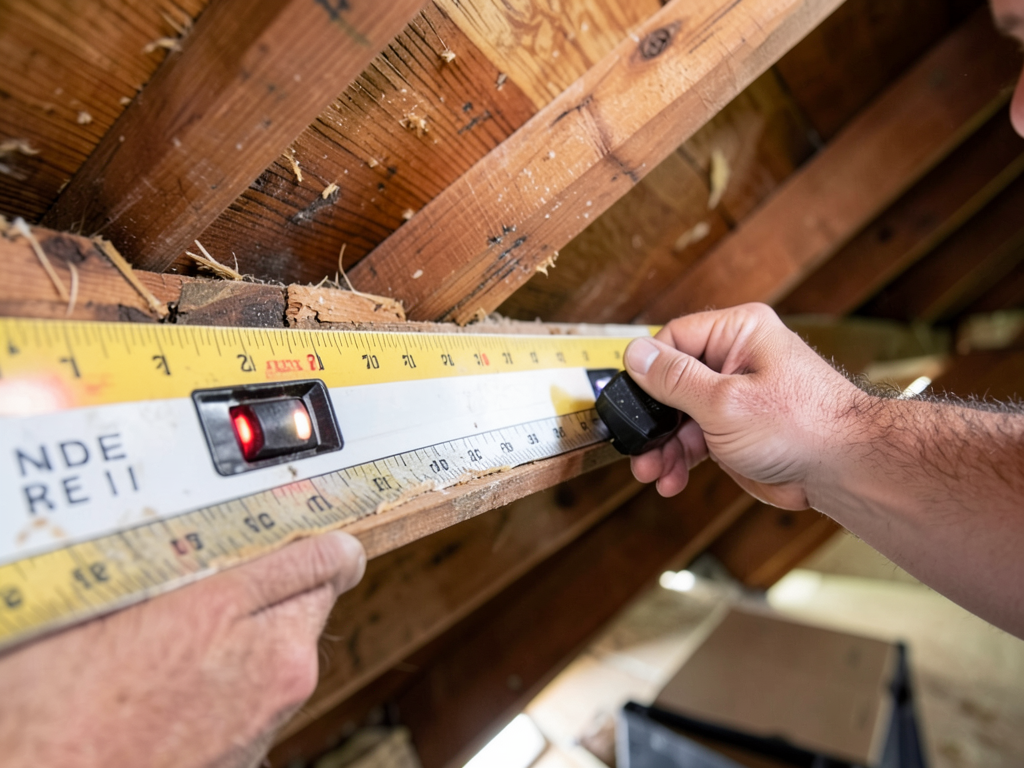
Our team documents roof damage using the same assessment methods insurance adjusters use, but we work for you. We photograph wind damage patterns, measure hail impact diameters using calibrated gauges, and document all code-required flashing failures that contribute to leaks. When we find storm damage, we provide detailed reports that speak the adjuster's language while advocating for complete repairs.

We also understand Tennessee building codes and local permit requirements for roof repairs in Davidson County. Insurance companies sometimes deny claims by arguing that recommended repairs exceed what codes require, attempting to limit their payout. Our familiarity with local code officials and inspection requirements ensures your claim includes all necessary work to bring your roof into compliance.

The difference between a successful claim and a denial often comes down to having someone who knows how to identify, document, and communicate storm damage in terms insurance companies must acknowledge. Generic roof inspections miss nuances. Local expertise catches them.

Choosing a Nashville roofing contractor experienced in insurance claims means you get an advocate who understands both roofing systems and insurance policy language, not just someone who can hammer shingles.

What to Expect During the Insurance Claim Process

Claim Timeline and Response Speed

Most insurance companies require you to report roof leaks within 60 days of discovering the damage, though reporting immediately after a storm produces better outcomes. The insurer typically schedules an adjuster inspection within 7 to 10 business days of your claim filing. After the inspection, you should receive a coverage decision within 15 to 30 days, depending on your carrier and claim complexity. Complex claims involving structural damage or disputes over cause may take 45 to 60 days to resolve. During this period, you must mitigate further damage by placing tarps or performing emergency repairs, keeping all receipts for reimbursement.

The Adjuster Inspection Process

The insurance adjuster examines your roof from the ground using binoculars and by walking the roof surface if safely accessible. They photograph damaged areas, measure affected sections, and document pre-existing conditions like worn shingles or damaged flashing. The adjuster inspects your attic for water stains, rot, or mold indicating long-term leaks versus recent storm damage. They review interior damage to ceilings, walls, and belongings. After the inspection, the adjuster prepares a scope of loss detailing covered damages and estimated repair costs. Having your roofing contractor present during this inspection ensures nothing gets overlooked and all storm damage gets documented in the initial report.

Payment Structure and Repair Completion

Insurance companies typically issue payment in two checks for roof claims. The first check covers Actual Cash Value, which is the depreciated value of your roof based on age and condition, minus your deductible. You receive this initial payment after your claim approval. The second check, called recoverable depreciation, gets issued after you complete repairs and submit paid invoices and final inspection certificates to your insurer. If your mortgage company appears on your policy, both checks will include their name, requiring you to obtain their endorsement before depositing funds. This payment structure protects the lender's interest and ensures repairs actually get completed rather than homeowners pocketing insurance money without fixing the damage.

Post-Repair Documentation and Future Coverage

After completing your roof repair or replacement, maintain all documentation including paid invoices, material receipts, permit records, and final inspection certificates. Your insurance company requires these documents to release recoverable depreciation payments. Keep copies for your records as proof of repair completion and material quality. This documentation becomes critical if you file future claims, as it establishes a maintenance history showing you properly addressed previous damage. Some policies include claim-free discounts or penalty clauses affecting your rates after multiple claims within a three or five year period. Understanding your policy's claim frequency provisions helps you make informed decisions about filing smaller claims versus paying out of pocket for minor repairs.

Frequently Asked Questions

You Have Questions,
We Have Answers

How do I make a successful roof leak insurance claim? +

Document the damage immediately with photos and videos before moving anything. Contact your insurance company within 24 hours to file a claim. In Nashville, sudden storm damage from hail or high winds gets approved faster than gradual wear. Request a professional roof inspection to identify all damage, not just visible leaks. Keep receipts for emergency repairs like tarping. Provide your adjuster with the inspection report, photos, and any documentation of previous roof maintenance. Do not make permanent repairs before the adjuster visits, or you risk denial. Nashville's humid climate can worsen water damage quickly, so file fast.

Is it worth claiming roof damage on insurance? +

Yes, if the damage results from a covered peril like storm damage, fallen trees, or fire. Most Nashville homeowners policies cover sudden, accidental damage but exclude wear and tear. Your claim becomes worth it when repair costs exceed your deductible. A denied claim stays on your record and can raise premiums, so only file for legitimate storm damage. Nashville experiences severe thunderstorms and occasional tornadoes that create insurable roof damage. Minor leaks from poor maintenance will get denied and potentially flag your account. Consult a roofing contractor before filing to verify you have covered damage.

What type of roof damage is covered by insurance? +

Insurance typically covers storm damage from hail, wind, falling trees, fire, lightning strikes, and vandalism. Nashville homes often sustain wind damage from severe thunderstorms and hail from spring storm systems. Sudden roof punctures from fallen limbs qualify as covered damage. Your policy excludes gradual deterioration, improper installation, lack of maintenance, and normal aging. Missing shingles from high winds get covered. Missing shingles from old age do not. Water damage from a storm-related leak is covered, but mold from an ignored leak is not. Always review your specific policy declarations for coverage limits.

Is a ceiling leak covered by insurance? +

Yes, but only if the ceiling leak results from a covered peril like storm damage or a burst pipe. Nashville humidity can create water stains that look like leaks but stem from condensation, which insurance does not cover. If a hailstorm damages your roof and water leaks through the ceiling, both the roof and ceiling repairs qualify for coverage. If the leak comes from poor roof maintenance or old flashing, your claim gets denied. Document the source of the leak with professional photos. Insurance pays for resulting damage, not pre-existing conditions or deferred maintenance.

Will insurance companies pay for a leaking roof? +

Yes, insurance companies pay for leaking roofs when the leak stems from a covered event like storm damage. Nashville homes damaged by fallen trees, hail, or wind-driven rain qualify for coverage. The policy covers sudden, unexpected damage but excludes neglect. If your roof leaked during a thunderstorm because wind tore off shingles, you get paid. If your roof leaked because you ignored cracked flashing for three years, you do not. Adjusters investigate the cause thoroughly. They check maintenance records and age of materials. Document storm dates and keep records of roof upkeep.

What not to say to a roof insurance adjuster? +

Never admit fault, downplay damage, or speculate about causes. Do not say your roof is old or needed replacement anyway. Avoid phrases like "it has leaked before" or "I meant to fix that." Nashville adjusters look for reasons to deny claims based on deferred maintenance. Stick to facts about the storm event and resulting damage. Do not accept a lowball settlement on the spot without getting a second opinion from a roofing contractor. Never sign a release or final paperwork until repairs are complete. Adjusters work for the insurance company, not you.

What happens if you don't fix your roof with insurance money? +

You violate your insurance policy terms if you do not repair covered damage. Most policies require you to prevent further damage and maintain the property. Not fixing a leaking roof in Nashville's humid climate leads to mold, structural damage, and interior water damage that insurance will not cover later. If you spend insurance money on something other than repairs, the company can deny future claims, drop your coverage, or even sue you for fraud. Some policies include a recovery clause requiring repayment of funds not used for repairs. Always complete approved repairs promptly.

How much does a leak in the roof cost to fix? +

Leak repairs in Nashville range from 200 dollars for minor flashing fixes to several thousand for extensive water damage repairs. A simple shingle replacement costs 300 to 500 dollars. Repairing damaged decking under the leak adds 500 to 1,500 dollars depending on the area affected. Interior ceiling and drywall repairs add more cost. Emergency tarping services during storms run 200 to 600 dollars. Full roof replacement starts around 5,000 dollars for small homes. Nashville's humid climate often creates hidden water damage that inflates final costs. Get multiple estimates before filing an insurance claim.

Can I claim a water leak on home insurance? +

Yes, if the water leak results from sudden, accidental damage like a burst pipe or storm damage. Nashville homeowners policies cover water damage from roof leaks caused by covered perils like wind or hail. You cannot claim leaks from gradual problems like old caulking or deteriorated seals. Policies exclude flood damage, which requires separate flood insurance. Document the water source immediately with photos. If a storm tears off shingles and rain leaks into your home, both the roof repair and water damage qualify for coverage. Slow leaks from maintenance neglect get denied every time.

How often will insurance replace a roof? +

Insurance does not replace roofs on a schedule. They only pay when covered damage makes replacement necessary. A roof damaged beyond repair by a tornado or severe hail gets replaced regardless of age. Nashville homes with 15-year-old roofs in good condition do not qualify for insurance replacement just because they are old. Some policies limit coverage on roofs over 20 years old, paying only actual cash value instead of replacement cost. You can file multiple claims over a roof's lifetime if separate storm events cause damage. Repeated claims may trigger non-renewal of your policy.

How Nashville's Storm Patterns and Building Codes Affect Roof Leak Coverage

Nashville sits in a region experiencing an average of 47 thunderstorm days per year, with peak severe weather occurring during spring months when warm Gulf moisture collides with cold fronts. Our area sees straight-line winds exceeding 60 mph several times annually, and the National Weather Service documents multiple hail events each year with stone sizes ranging from pea to golf ball diameter. These weather patterns create legitimate covered claims, but they also accelerate normal roof aging, making it harder to distinguish between storm damage and wear-related deterioration. Insurance adjusters scrutinize Nashville roof claims carefully because our climate causes organic growth, granule loss, and thermal cycling that ages roofs faster than in temperate regions. Proving your leak resulted from a specific storm rather than cumulative weather exposure requires detailed documentation and often professional advocacy from contractors who understand how local weather affects different roofing materials.

Davidson County requires building permits for roof replacements and repairs exceeding 100 square feet, with inspections verifying proper installation and code compliance. Tennessee adopted the 2018 International Residential Code with state amendments affecting wind uplift requirements, underlayment specifications, and valley installation methods. Insurance companies sometimes reference these codes when evaluating claims, arguing that certain repairs do not meet the minimum required by law and therefore should not be covered. Working with a Nashville roofing contractor familiar with local building officials and inspection requirements ensures your insurance claim includes all code-required repairs, not just cosmetic fixes. Local expertise matters because Davidson County inspectors enforce specific details about flashing, ventilation, and fastener patterns that adjusters from other regions might not recognize as mandatory compliance issues rather than optional upgrades.
Roofing Services in The Nashville Area

Titan Roofing Nashville is proud to serve the entire Nashville area, including surrounding communities. View our location on the map to see where our trusted services are available. We are dedicated to providing prompt, localized roofing solutions, so reach out today to confirm service in your specific neighborhood or to schedule an on-site consultation at your convenience.

Address:
Titan Roofing Nashville, 720 Music Cir E, Nashville, TN, 37203

Additional Services We Offer

Our news updates

Latest Articles & News from The Blogs

Why Your 100-Year-Old East Nashville Home Might Need Structural Reinforcement Before a New Roof Your 1920s Craftsman in East Nashville…

Why Your 100-Year-Old East Nashville Home Might Need Structural Reinforcement Before a New Roof

Why Your 100-Year-Old East Nashville Home Might Need Structural Reinforcement Before a New Roof Your 1920s Craftsman in East Nashville…

Understanding the Tear-Off Process and What Happens to Your Property During a Roof Replacement

Understanding the Tear-Off Process and What Happens to Your Property During a Roof Replacement Replacing a roof in Nashville involves…

What to Do When Your Insurance Company Denies Your Nashville Hail Damage Claim

What to Do When Your Insurance Company Denies Your Nashville Hail Damage Claim Your roof insurance claim was denied. You…

Contact Us

Do not let your insurance company deny your claim or underpay your roof damage. Call Titan Roofing Nashville at (615) 640-4994 for a free inspection and insurance claim consultation. We document storm damage correctly and advocate for the full coverage you deserve.