
What to Do When Your Insurance Company Denies Your Nashville Hail Damage Claim
Your roof insurance claim was denied. You are not alone. Nashville homeowners face this frustration after every major storm. The good news is that a denial is not the end of the road. Tennessee law provides specific protections and there are proven steps to overturn an insurance company’s decision. Tennessee Department of Commerce and Insurance.
This guide walks you through exactly what to do next. We explain why claims get denied in Middle Tennessee, what your legal rights are under Tennessee insurance statutes, and how to build a strong appeal case. You will also learn when to bring in a public adjuster or attorney and how to use Tennessee’s appraisal clause to your advantage. A Homeowner’s Guide to Roof Replacement Costs in Brentwood.
Time matters. Most Tennessee policies have strict reporting deadlines. If you wait too long you may lose your right to appeal. Read this guide then take action. Your next step could mean the difference between a full roof replacement and paying thousands out of pocket. Choosing Between Shingles and Metal for Your New Hendersonville Roof.
Why Insurance Companies Deny Roof Claims in Nashville
Understanding the reason for denial is the first step toward getting your claim approved. Insurance adjusters in Tennessee look for specific signs of damage and often deny claims based on common misconceptions about storm versus wear and tear. Solving Common Flat Roof Leaks for Downtown Nashville Condos.
Wear and Tear vs. Storm Damage
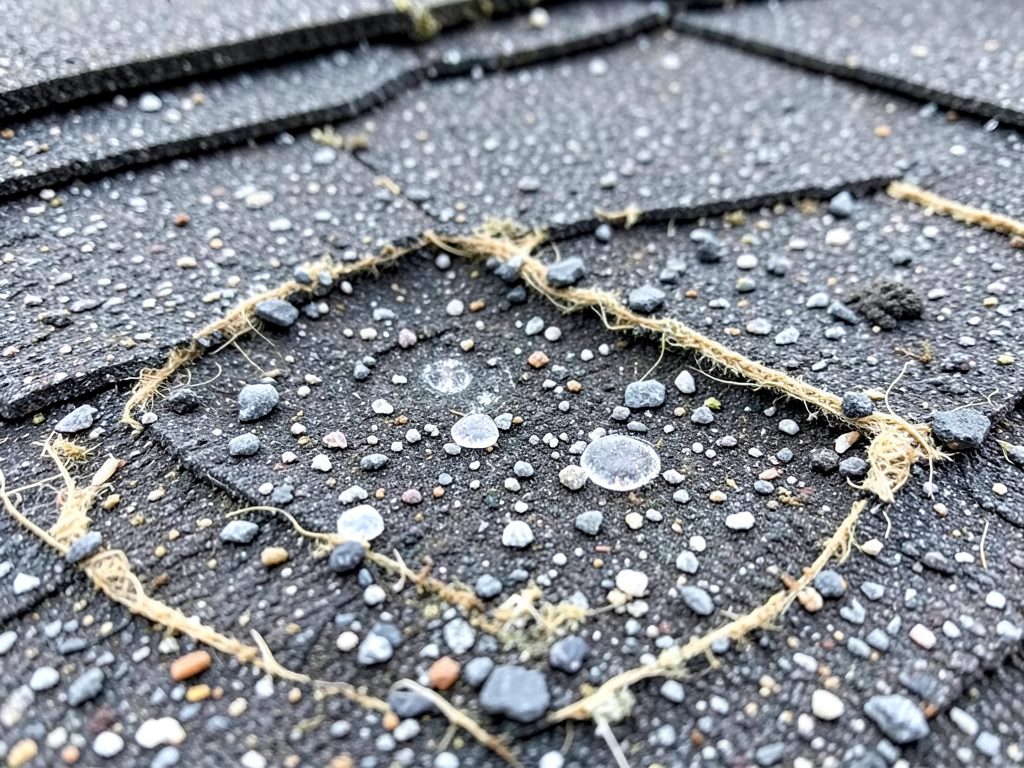
Insurance companies frequently deny claims by classifying hail damage as normal aging. They point to curled shingles or granule loss and claim it happened gradually over years. But hail damage looks different. It creates circular impact marks with missing granules and sometimes exposes the fiberglass mat underneath.
A trained inspector can tell the difference in minutes. The key is proving the damage is new and storm-related. That means getting a second inspection from a HAAG-certified roofing contractor who documents the exact date of the storm and the specific damage pattern.
The Late Reporting Trap
Many Nashville homeowners discover roof damage weeks or months after a storm. By then the insurance company may argue you waited too long to file. Tennessee policies often require reporting damage within 30 to 60 days of the loss.
This creates a problem in Middle Tennessee where storms can damage roofs without obvious interior leaks. Hail can bruise shingles and crack flashing without immediate water intrusion. If you suspect storm damage but see no leaks get an inspection immediately. Document the date and keep all photos.
Manufacturing Defects
Some denials cite manufacturing issues rather than storm damage. CertainTeed and IKO shingles have had known defects in past years that cause premature cracking or curling. If your roof is under 10 years old and shows widespread damage the insurance company may argue it is a product failure not a covered peril.
The solution is a forensic inspection. A roofing expert can determine if damage patterns match known manufacturing defects or if they align with hail impact marks from a specific weather event. This distinction matters for your appeal. Expert Slate and Tile Roof Restoration in Belle Meade.
Pre-Existing Damage
Insurance companies also deny claims by claiming damage existed before the storm. They may point to rusted flashing or minor wear as proof the roof was already compromised. This is common in older Nashville homes especially in historic districts like East Nashville where original materials are still in place.
The key is proving new damage occurred. A pre-storm inspection report or dated photos can establish a baseline. If you do not have those a contractor can often show how recent storm damage differs from normal aging patterns.
Tennessee Insurance Laws You Need to Know
Tennessee has specific statutes that protect homeowners during the claims process. Knowing these laws gives you leverage when appealing a denial.
Tennessee’s Bad Faith Statute
Tennessee Code Annotated Section 56-7-105 defines insurance bad faith. It requires insurers to handle claims fairly and promptly. If an insurance company denies your claim without a reasonable investigation or proper explanation you may have grounds for a bad faith complaint.
This law also requires insurers to respond to inquiries within 15 business days. If your carrier is ignoring your calls or delaying responses you can file a complaint with the Tennessee Department of Commerce and Insurance. This often prompts faster action on your claim.
The Matching Law in Tennessee
Tennessee has an unusual roof matching requirement. If your insurer replaces part of your roof they must match the existing materials in quality and appearance. If matching is not possible they must replace the entire roof.
This law works in your favor. If hail damaged only one slope of your roof but matching the existing shingles is impossible the insurance company must pay for a full replacement. This often applies to older roofs where the exact shingle style is no longer available.
The Appraisal Clause
Most Tennessee homeowner policies include an appraisal clause. This allows you to demand a neutral appraisal if you and your insurer disagree on the cost of repairs. Each side picks an appraiser then those two select a third umpire. The decision is binding.
Appraisal is faster and cheaper than litigation. It is especially useful when the dispute is about the scope of damage rather than coverage itself. If your claim was denied based on insufficient damage an appraisal can force the insurer to accept a second opinion.
Statute of Limitations
Tennessee gives you three years from the date of loss to file a lawsuit against your insurance company. This is longer than many states but waiting has risks. Evidence degrades over time and witnesses become harder to locate. File your appeal as soon as possible.
If your claim involves a recent storm check the exact date of loss. Tennessee courts have ruled that the statute runs from when damage occurred not when you discovered it. This makes timely inspections critical.
The Step-by-Step Appeal Process for Nashville Homeowners
Follow these steps in order to maximize your chances of overturning a denial. Each step builds on the last and creates a paper trail that strengthens your case.
Step 1: Review the Denial Letter
Your first move is to read the denial letter carefully. Insurance companies must state the specific reason for denial. Common reasons include wear and tear, lack of maintenance, pre-existing damage, or late reporting.
Look for technical terms like ACV versus RCV. Actual Cash Value pays for the roof’s current worth minus depreciation. Replacement Cost Value pays for a new roof. If your policy includes RCV but the insurer only offered ACV that is grounds for appeal.
Step 2: Request a Re-inspection
Under Tennessee law you have the right to request a re-inspection. Do this in writing and cite the specific reason for your disagreement. Include any new evidence you have such as photos from a second contractor or weather reports from the storm date.
Be present during the re-inspection. Tennessee allows you to have your roofing contractor meet the insurance adjuster on site. This is critical. A contractor can point out damage the adjuster may miss and explain why it is storm-related not wear and tear.
Step 3: File a Complaint with TDCI
If the re-inspection does not resolve the issue file a complaint with the Tennessee Department of Commerce and Insurance. This is the state agency that regulates insurance companies. You can file online and must include copies of all correspondence with your insurer.
TDCI will investigate and may mediate between you and the insurance company. While they cannot force a payout they often prompt insurers to reconsider claims to avoid regulatory scrutiny. This step alone resolves many denials.
Step 4: Consider Appraisal
If TDCI cannot resolve the dispute invoke your policy’s appraisal clause. This requires the insurance company to participate. Each side hires an appraiser then those two select a neutral umpire. The umpire reviews damage estimates and makes a binding decision.
Appraisal costs are split between you and the insurer. It typically takes 30 to 60 days. This is much faster than litigation and often results in a higher payout because the umpire sees both sides’ evidence.
Step 5: Legal Action as Last Resort
If appraisal fails or the insurer refuses to participate you may need an attorney. Tennessee has many lawyers who specialize in insurance bad faith. They typically work on contingency meaning they only get paid if you win.
Legal action is expensive and time-consuming. Use it only after exhausting other options. By then you should have a strong paper trail including inspection reports, photos, weather data, and correspondence with your insurer.
How to Use a Public Adjuster vs. an Attorney in TN
Knowing when to escalate your claim is critical. Public adjusters and attorneys serve different roles and cost structures.
Public Adjuster
A public adjuster works for you not the insurance company. They inspect damage, estimate repair costs, and negotiate with your insurer. In Tennessee they charge a percentage of the final settlement typically 10 to 15 percent.
Use a public adjuster when you believe the damage estimate is too low but coverage is not in question. They are especially useful for large claims where their fee is offset by a higher settlement. They cannot file lawsuits or handle bad faith claims.
Attorney
An insurance attorney handles legal disputes. They can file bad faith complaints, interpret policy language, and sue your insurer if necessary. Most work on contingency taking 33 to 40 percent of any recovery.
Use an attorney when you suspect bad faith, coverage is being wrongly denied, or the insurer is ignoring your rights. They are also necessary if you need to file a lawsuit before the statute of limitations expires.
Cost Comparison
Public Adjuster: 10-15% of settlement. No upfront cost. Faster resolution. Cannot sue.
Attorney: 33-40% of recovery. No upfront cost. Can sue. Slower process.
Choose based on your situation. If the dispute is about damage scope a public adjuster is usually enough. If it is about coverage or bad faith you need an attorney.
Evidence Collection: What You Need to Win
Strong evidence is the foundation of a successful appeal. Start collecting immediately and organize everything by date.
Photos and Videos
Take clear photos of all damage from multiple angles. Include close-ups of impact marks, missing granules, and cracked flashing. Take wide shots showing the entire roof slope. Videos can capture details photos miss.
Time-stamp your photos if possible. If you have pre-storm photos showing the roof’s condition before the loss keep those as well. They prove new damage occurred.
Weather Reports
Obtain official weather reports for the storm date. The National Weather Service and local news stations track hail size, wind speed, and storm paths. This data proves your area experienced conditions capable of causing the damage you documented. National Weather Service storm reports.
For Nashville check the Middle Tennessee Weather Service or local TV station archives. They often have storm maps showing hail tracks through specific neighborhoods.
Inspection Reports
Have a HAAG-certified inspector examine your roof. They produce detailed reports with damage assessments, photos, and repair estimates. This carries more weight than a general roofing estimate because HAAG certification proves storm damage expertise.
Ask the inspector to note the exact date of the storm and describe how damage patterns match known hail impact signatures. This makes it harder for the insurer to argue wear and tear.
Contractor Estimates
Get written estimates from reputable Nashville roofing contractors. Make sure they include the same line items the insurance company used. If the insurer’s estimate only allows for spot repairs but your contractor recommends full replacement explain why in writing.
Include material specifications and code requirements. If Tennessee or Nashville building codes require upgrades those costs should be covered under law and ordinance provisions.
Middle Tennessee Storm Patterns and Your Claim
Understanding local weather patterns helps you build a stronger case. Middle Tennessee experiences specific storm types that create unique damage patterns.
Hail Characteristics
Nashville sits in Dixie Alley a region prone to large hail. Stones often exceed one inch in diameter and can reach golf ball size or larger. These create circular impact marks with crushed granules and sometimes penetrate the shingle mat.
Hail damage concentrates on roof slopes facing the storm’s path. South and west-facing slopes often show more damage in spring and summer storms. This directional pattern proves storm-related loss rather than uniform wear.
Wind Damage
Middle Tennessee experiences frequent straight-line winds and occasional tornadoes. These can lift shingles, damage flashing, and tear off ridge caps. Wind damage often appears as creased shingles or exposed nail heads where sealant failed.
Wind damage concentrates on roof edges and ridges. If your entire roof shows uniform wear but only the rake edges are damaged that suggests wind not aging caused the loss.
Seasonal Timing
Storm season runs March through August in Nashville. Most hail claims occur April through June. If your damage appears during this window and matches known storm tracks your case for storm-related loss is stronger.
Document the exact storm date. Tennessee courts have ruled that the date of loss controls the statute of limitations not when you discovered the damage. This makes timely inspections critical.
Code Upgrades and Your Claim
Tennessee law requires insurance companies to cover code-compliant repairs. This includes upgrades required by current building codes even if the original roof did not have them.
Roof Deck Protection
Current Nashville building codes require synthetic underlayment on new roofs. If your policy only covers replacing existing felt paper you may need to invoke the code upgrade provision to get the better material.
Check the International Residential Code and Davidson County amendments. These specify current requirements for underlayment, ice and water shield, and ventilation that may exceed your original roof’s specifications. Reliable Residential Roofers Serving East Nashville and Inglewood.
Impact-Resistant Shingles
If you live in a high-risk hail area Tennessee may require Class 4 impact-resistant shingles for new construction. If your damaged roof had standard shingles but code now requires impact-resistant products the insurance company must cover the upgrade.
This applies even if the upgrade increases your premium. The insurer cannot force you to accept a lesser product than current codes require.
Ventilation Requirements
Modern codes require specific ventilation ratios to prevent moisture damage. If your original roof had inadequate ventilation the insurance company must bring it up to current standards when replacing the roof.
This includes adding ridge vents, soffit vents, or improving existing ventilation. These upgrades protect your new roof and are required under Tennessee’s matching law if matching the old system is impossible.
Recent Nashville Hail Events and Their Impact
Understanding recent storm history helps you contextualize your claim. Nashville has experienced several significant hail events in recent years that damaged thousands of roofs.
2023 Spring Storms
The March 2023 storm system produced baseball-sized hail in parts of Davidson County. Damage was concentrated in areas near I-65 and I-24 corridors. Many homeowners discovered damage weeks later when leaks appeared.
If your damage matches the March 2023 hail path and you have photos from that timeframe your claim has strong storm-related evidence. Weather service reports from that event are still available online.
2022 Summer Events
July 2022 brought multiple severe thunderstorm warnings to Nashville. Hail up to one inch fell in Brentwood and Franklin. These storms damaged roofs but caused less widespread destruction than spring events.
Check your roof’s orientation and damage pattern against known storm tracks. If damage aligns with a documented hail path that proves storm-related loss.
2021 Tornado Outbreak
The March 2021 tornado outbreak damaged thousands of Middle Tennessee structures. While most damage was from wind some areas experienced hail before the tornadoes arrived. This created complex damage patterns insurers sometimes use to deny claims.
If your roof shows both wind and hail damage document each separately. Insurance companies must cover all covered perils not just the most obvious one.
Frequently Asked Questions
How long do I have to appeal a denied roof claim in Tennessee?
Tennessee gives you three years from the date of loss to file a lawsuit. However insurance policies often have shorter deadlines for appeals typically 30 to 60 days. Check your policy and file your appeal as soon as possible.
Can I get a second opinion on hail damage?
Yes. Tennessee law allows you to request a re-inspection and have your roofing contractor present. This is often the fastest way to overturn a denial. Choose a HAAG-certified inspector for the most credible second opinion.
What if my roof is too old for coverage?
Age alone does not disqualify a claim. If storm damage is proven the insurer must cover repairs regardless of roof age. They may only pay Actual Cash Value which accounts for depreciation but cannot deny coverage solely based on age.
Should I sign a contract with a contractor before appealing?
No. Wait until you have a settlement offer or appeal decision. Signing a contract before resolving your claim can complicate negotiations and may void certain consumer protections.
How much does a public adjuster cost in Nashville?
Public adjusters in Tennessee typically charge 10 to 15 percent of the final settlement. They work on contingency so you pay nothing upfront. Their fee is often offset by higher settlements they negotiate.
Take Action Today
A denied roof insurance claim is frustrating but not final. Tennessee law provides multiple paths to appeal and overturn an insurer’s decision. The key is acting quickly and building a strong evidence case.
Start by reviewing your denial letter and requesting a re-inspection with your roofing contractor present. If that fails file a complaint with the Tennessee Department of Commerce and Insurance. Consider invoking your policy’s appraisal clause if the dispute is about damage scope.
Time matters. Evidence degrades and witnesses become harder to locate. Do not wait months to take action. Your next step could mean the difference between a full roof replacement and paying thousands out of pocket.
Call (615) 640-4994 today to schedule your inspection. Our HAAG-certified inspectors will document your damage and help you build the strongest possible appeal case. We have helped hundreds of Nashville homeowners overturn denied claims and get the coverage they deserve.
Pick up the phone and call (615) 640-4994 before the next storm hits. Your roof protects everything you own. Do not let an insurance company’s mistake leave you exposed.
You may also find this helpful. Comparing 5-Inch and 6-Inch Gutters for Heavy Rainfall in Crieve Hall.
{
“@context”: “https://schema.org”,
“@type”: “BlogPosting”,
“headline”: “What to Do When Your Insurance Company Denies Your Nashville Hail Damage Claim”,
“description”: “Your roof insurance claim was denied in Tennessee? Learn the 5-step appeal process, TN-specific laws, and how to work with public adjusters to get your claim approved.”,
“wordCount”: 3072,
“datePublished”: “2026-06-10T07:42:00.000Z”,
“dateModified”: “2026-06-10T07:42:00.000Z”,
“inLanguage”: “en-US”,
“mainEntityOfPage”: {
“@type”: “WebPage”,
“@id”: “https://titanroofingnashville.com”
},
“publisher”: {
“@type”: “LocalBusiness”,
“name”: “Titan Roofing Nashville”,
“url”: “https://titanroofingnashville.com”
},
“author”: {
“@type”: “Organization”,
“name”: “Titan Roofing Nashville”,
“url”: “https://titanroofingnashville.com”
},
“image”: {
“@type”: “ImageObject”,
“url”: “https://titanroofingnashville.com/wp-content/uploads/2026/03/what-to-do-when-your-insurance-company-denies-your-1.png”
}
}
{
“@context”: “https://schema.org”,
“@type”: “RoofingContractor”,
“name”: “Titan Roofing Nashville”,
“url”: “https://titanroofingnashville.com”,
“address”: {
“@type”: “PostalAddress”,
“addressLocality”: “Nashville”
},
“areaServed”: {
“@type”: “City”,
“name”: “Nashville”
}
}
{
“@context”: “https://schema.org”,
“@type”: “FAQPage”,
“mainEntity”: [
{
“@type”: “Question”,
“name”: “How long do I have to appeal a denied roof claim in Tennessee?”,
“acceptedAnswer”: {
“@type”: “Answer”,
“text”: “Tennessee gives you three years from the date of loss to file a lawsuit. However insurance policies often have shorter deadlines for appeals typically 30 to 60 days. Check your policy and file your appeal as soon as possible.”
}
},
{
“@type”: “Question”,
“name”: “Can I get a second opinion on hail damage?”,
“acceptedAnswer”: {
“@type”: “Answer”,
“text”: “Yes. Tennessee law allows you to request a re-inspection and have your roofing contractor present. This is often the fastest way to overturn a denial. Choose a HAAG-certified inspector for the most credible second opinion.”
}
},
{
“@type”: “Question”,
“name”: “What if my roof is too old for coverage?”,
“acceptedAnswer”: {
“@type”: “Answer”,
“text”: “Age alone does not disqualify a claim. If storm damage is proven the insurer must cover repairs regardless of roof age. They may only pay Actual Cash Value which accounts for depreciation but cannot deny coverage solely based on age.”
}
},
{
“@type”: “Question”,
“name”: “Should I sign a contract with a contractor before appealing?”,
“acceptedAnswer”: {
“@type”: “Answer”,
“text”: “No. Wait until you have a settlement offer or appeal decision. Signing a contract before resolving your claim can complicate negotiations and may void certain consumer protections.”
}
},
{
“@type”: “Question”,
“name”: “How much does a public adjuster cost in Nashville?”,
“acceptedAnswer”: {
“@type”: “Answer”,
“text”: “Public adjusters in Tennessee typically charge 10 to 15 percent of the final settlement. They work on contingency so you pay nothing upfront. Their fee is often offset by higher settlements they negotiate.”
}
}
]
}
{
“@context”: “https://schema.org”,
“@type”: “BreadcrumbList”,
“itemListElement”: [
{
“@type”: “ListItem”,
“position”: 1,
“name”: “Home”,
“item”: “https://titanroofingnashville.com”
},
{
“@type”: “ListItem”,
“position”: 2,
“name”: “Blog”,
“item”: “https://titanroofingnashville.com/blog”
},
{
“@type”: “ListItem”,
“position”: 3,
“name”: “What to Do When Your Insurance Company Denies Your Nashville Hail Damage Claim”
}
]
}
{
“@context”: “https://schema.org”,
“@type”: “Service”,
“serviceType”: “Roofing”,
“provider”: {
“@type”: “LocalBusiness”,
“name”: “Titan Roofing Nashville”,
“url”: “https://titanroofingnashville.com”
},
“areaServed”: {
“@type”: “City”,
“name”: “Nashville”
},
“description”: “Your roof insurance claim was denied in Tennessee? Learn the 5-step appeal process, TN-specific laws, and how to work with public adjusters to get your claim approved.”
}