menu

Emergency Flat Roof Patching in Nashville – 24/7 Response Teams Dispatched in Under 90 Minutes

When water is actively pouring through your commercial flat roof or ponding is destroying your membrane, you need emergency flat roof patching that stops the damage now. We deploy certified crews around the clock to protect your property before the situation gets worse.

Slider Image 1
Slider Image 2
Slider Image 3
Slider Image 4
Slider Image 5
Slider Image 7
Slider Image 8
Slider Image 9
Slider Image 10
Slider Image 11

Why Flat Roof Emergencies Escalate Fast in Nashville

You walked into standing water. You heard the drip. You saw the stain spreading across your ceiling. Flat roof failures do not announce themselves politely. They happen fast, and in Nashville's humid subtropical climate, a small breach becomes a catastrophe in hours, not days.

Nashville gets 47 inches of rain per year, concentrated in violent spring storms that dump two inches in thirty minutes. Flat roofs are designed to shed water through drains and scuppers, but when a membrane puncture, failed seam, or clogged drain blocks that system, water pools. Ponding water weighs 5.2 pounds per square foot per inch of depth. A 10x10 area with two inches of standing water adds over 1,000 pounds of dead load to your decking. That weight tears seams, collapses saturated insulation, and turns a fixable leak into a structural emergency.

You need urgent flat roof leak repair before the damage spreads to inventory, equipment, or interior finishes. Every hour of delay allows water to migrate horizontally through insulation layers, soaking areas far from the visible breach. By the time you see the stain, the unseen damage is already triple the size.

Same day flat roof repair is not a convenience. It is damage control. The longer water sits on a flat roof, the more it degrades the membrane, swells the insulation, and promotes mold colonization in cavities you cannot see. Emergency flat roof repair stops the clock on compounding losses. We respond to immediate flat roof leak fix calls because we understand that in Nashville's spring and summer storm cycles, waiting until tomorrow means waiting too long.

Why Flat Roof Emergencies Escalate Fast in Nashville
How We Execute Emergency Flat Roof Patching Under Pressure

How We Execute Emergency Flat Roof Patching Under Pressure

Emergency flat roof patching is not about slapping tar on a hole. It is about rapid triage, surgical intervention, and buying you time until a permanent repair can be engineered.

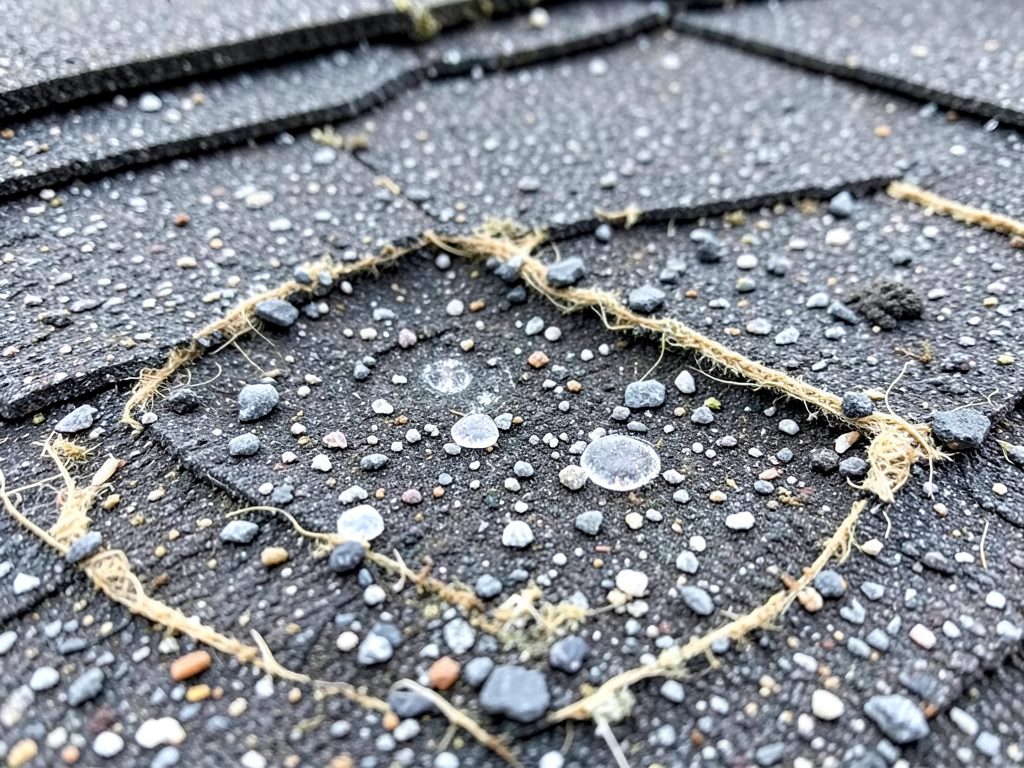
We start with source isolation. Our crews use moisture meters and infrared cameras to trace the active leak path back to the breach point. Flat roofs leak far from where water enters. A punctured membrane near the parapet may show up as a ceiling stain 20 feet away because water follows the slope plane under the membrane. We do not guess. We map the migration path and locate the true failure point.

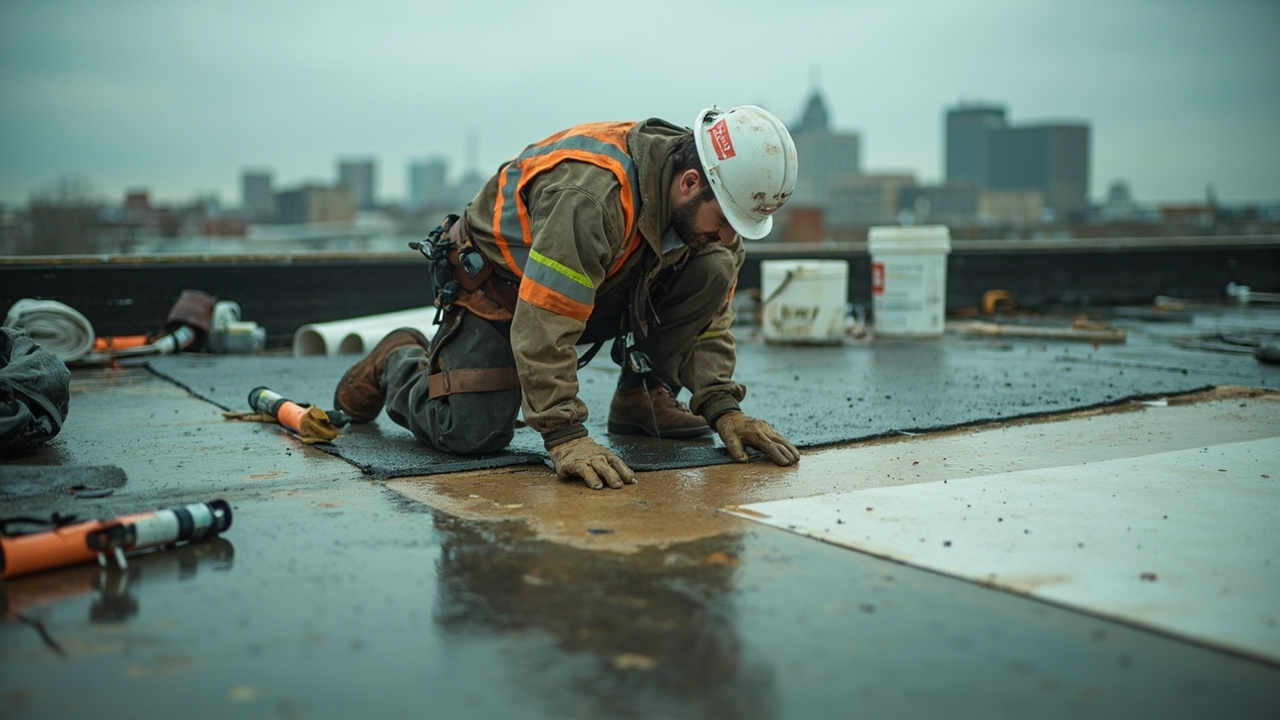
Once identified, we execute a staged patch sequence. For TPO or PVC single-ply membranes, we clean the breach area with solvent, apply compatible primer, and heat-weld a reinforced patch that bonds at the molecular level. For EPDM rubber roofs, we use peel-and-stick patches with aggressive adhesive and mechanical fastening at the perimeter to resist wind uplift. For modified bitumen or built-up roofs, we torch-apply a multi-ply patch with granulated cap sheet that matches the existing surface.

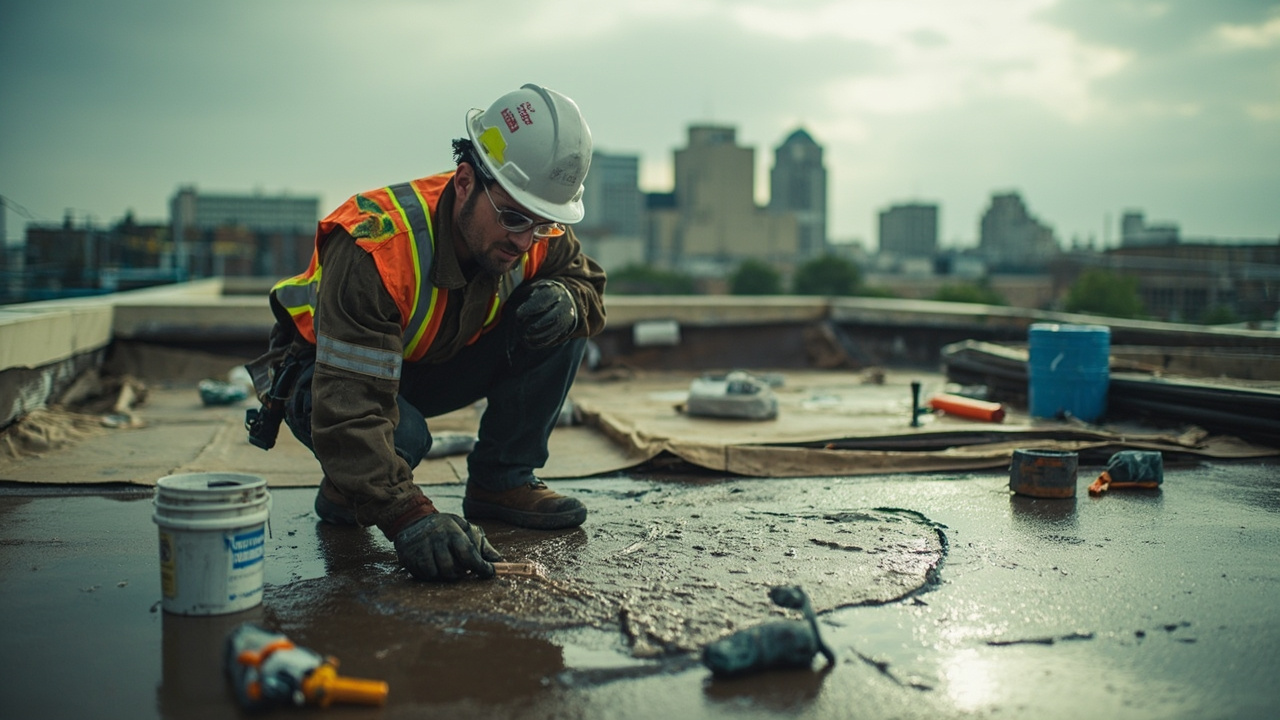
We also address the secondary damage. Standing water gets extracted with pumps or shop vacs. Saturated insulation gets marked for removal during the permanent repair. Drains and scuppers get cleared of debris that caused the backup in the first place.

Our 24/7 flat roof patching service includes temporary tarping when weather prevents immediate patching. We deploy 20-mil reinforced poly tarps with sandbag anchors and perimeter fastening to keep additional rain out while we wait for conditions to allow permanent work. This is not a long-term fix. It is a holding action that prevents a second wave of damage while we schedule the real repair.

What Happens When You Call for Emergency Flat Roof Patching

Emergency Flat Roof Patching in Nashville – 24/7 Response Teams Dispatched in Under 90 Minutes
01

Immediate Dispatch and Assessment

Your call triggers an immediate crew dispatch. We gather critical information while en route: building type, roof membrane type, leak location, and whether water is actively entering. Our trucks carry TPO, EPDM, modified bitumen, and BUR patching materials so we arrive prepared for any system. We assess the failure, confirm the breach source with diagnostic tools, and brief you on the temporary fix before we start cutting or welding.
02

Patch Application and Water Extraction

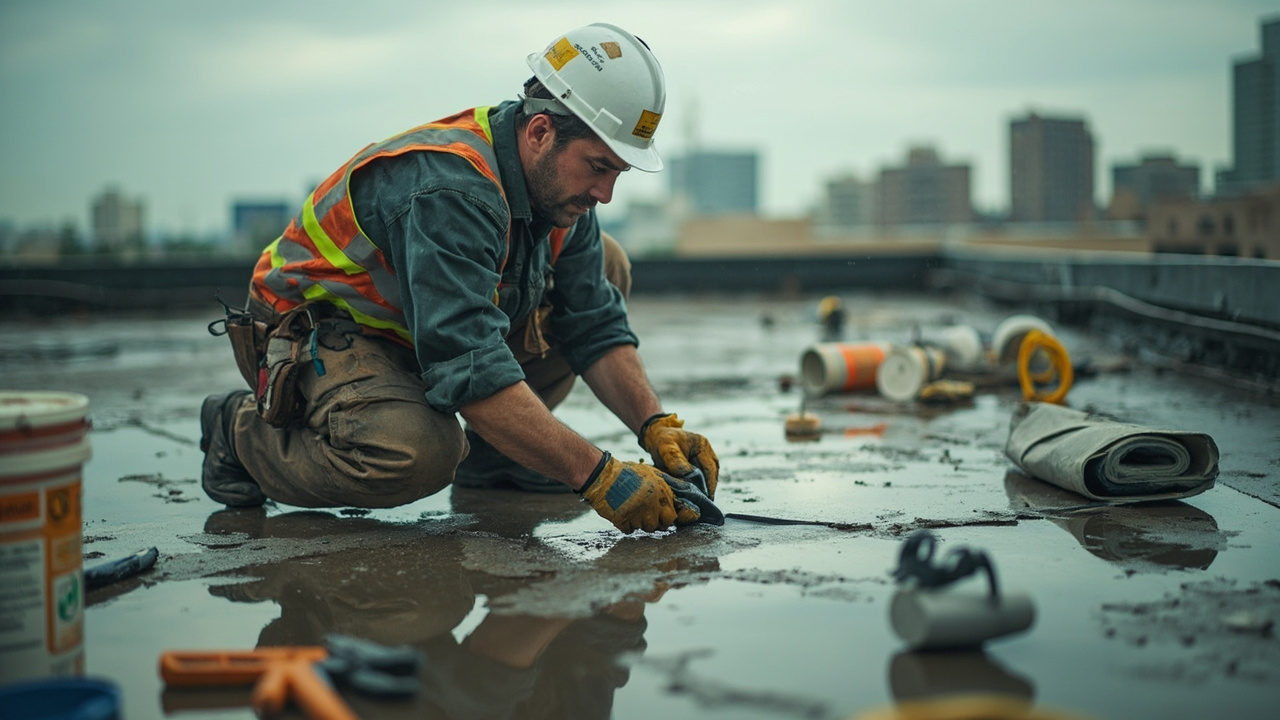
We execute the patch using system-specific materials and techniques. TPO and PVC get heat-welded. EPDM gets adhesive-bonded. Modified bitumen gets torch-applied. We do not mix incompatible materials. The patch is mechanically fastened or chemically bonded depending on substrate and conditions. Standing water gets removed, drains get cleared, and any debris contributing to the failure gets eliminated. You get a watertight seal that holds until permanent repairs are scheduled.
03

Documentation and Permanent Repair Planning

We document the failure with photos and written notes for your insurance claim. You receive a detailed assessment of what failed, why it failed, and what permanent repair is required. We provide a written estimate for the full repair, including insulation replacement and membrane restoration. The emergency patch buys you time, but it is not a substitute for engineered repair. We schedule follow-up work and provide maintenance recommendations to prevent recurrence.

Why Nashville Building Owners Call Titan Roofing Nashville for Flat Roof Emergencies

Flat roof emergencies require specialized knowledge that generic roofers do not possess. Titan Roofing Nashville has spent years working on Nashville's commercial flat roofs, and we understand the specific challenges this city presents.

Nashville's building stock includes everything from 1970s low-slope warehouses in Antioch to modern TPO-covered retail centers in Cool Springs. Each building has different membrane systems, insulation types, and drainage configurations. We have patched them all. We know that older BUR roofs in East Nashville leak at flashing terminations. We know that newer single-ply roofs in Franklin fail at seams when installers rushed the heat-weld during construction. We know which buildings have structural decking issues and which have undersized drains that cannot handle Nashville's intense spring storms.

We also understand Nashville's permitting and code environment. The Metropolitan Nashville Building Codes Department requires permits for structural repairs, and while emergency patching typically falls under maintenance exemptions, permanent repairs trigger plan review. We navigate that process daily and know what documentation survives scrutiny and what gets red-tagged.

Our response time separates us from competitors who promise 24/7 service but dispatch crews from regional hubs 90 minutes away. We stage trucks in Nashville, and our average response time to commercial emergencies is under 90 minutes from initial call to boots on the roof. When your warehouse is flooding at 2 AM, that gap between promise and performance is the difference between salvageable inventory and total loss.

We also maintain relationships with Nashville's commercial insurance adjusters and third-party administrators. We know what documentation they require for emergency mitigation claims, and we provide it without you having to ask. That familiarity accelerates claims processing and reimbursement.

What You Can Expect When We Arrive for Emergency Flat Roof Patching

Response Time and Availability

We answer emergency calls 24 hours a day, 365 days a year. When you call, you speak to a dispatcher who immediately assigns a crew and provides an estimated arrival time. Our trucks are staged throughout the Nashville metro, and we typically arrive within 90 minutes of your call. If weather prevents safe roof access, we deploy temporary interior containment and tarping until conditions improve. You will know when we are arriving, who is coming, and what equipment they are bringing before they pull into your parking lot.

On-Site Assessment Process

Our crew leader conducts a visual inspection, uses moisture detection tools to map water intrusion, and identifies the breach source. You receive a verbal briefing on what failed, what caused the failure, and what temporary fix we recommend. We explain the patch materials, application method, and expected performance before we start work. If the damage requires tarping instead of immediate patching due to weather or darkness, we explain that process and provide a timeline for permanent repair. You are never left guessing what we are doing or why.

Quality of the Temporary Fix

Emergency patches are engineered to last weeks or months, not days. We use manufacturer-approved materials that bond chemically or mechanically to your existing membrane. TPO patches are heat-welded with overlap seams that meet ASTM D6693 peel strength standards. EPDM patches use pressure-sensitive adhesives with 20-pound peel adhesion. Modified bitumen patches are multi-ply torch applications with granulated cap sheets. These are not temporary band-aids. They are interim repairs that hold until you can schedule engineered restoration during normal business hours without the emergency premium.

Documentation and Follow-Up Planning

You receive written documentation of the failure, including photos, moisture readings, and a description of the temporary repair. We provide a separate estimate for permanent repair that includes insulation replacement, membrane restoration, and any structural work required. This documentation is formatted for insurance submission and includes itemized costs and technical specifications. We also schedule a follow-up inspection within 7 to 10 days to verify the patch is holding and to begin planning the permanent fix. You are not abandoned after the emergency is contained.

Frequently Asked Questions

You Have Questions,
We Have Answers

How to temporarily patch a flat roof? +

Clean the damaged area and remove all debris, dirt, and standing water. Cut away any blistered or damaged membrane using a utility knife. Apply roofing cement generously around the edges and press a patch of EPDM rubber or matching membrane material firmly over the leak. Seal all edges with additional cement and press down to eliminate air pockets. For Nashville's humid climate, work on a dry day and ensure the surface is completely dry before patching. This is a temporary fix. Call a professional immediately to prevent water intrusion from causing structural damage to your decking.

How to repair a flat roof without replacing it? +

Most flat roofs can be repaired without full replacement if damage is localized. Small leaks, blisters, and membrane tears respond well to targeted patching. For EPDM roofs, use rubber patches with bonding adhesive. TPO membranes require heat-welded patches. Modified bitumen needs torch-down or cold-applied repairs. If damage covers less than 30 percent of the roof surface and the substrate remains solid, repair is viable. Nashville's temperature swings can accelerate aging, so inspect regularly. Ponding water issues require drainage correction, not just patching. A professional assessment determines if repair extends your roof life cost-effectively.

How to temporarily cover a flat roof? +

Use a heavy-duty tarp rated for outdoor use. Secure it across the damaged section, extending at least three feet beyond the problem area on all sides. Anchor edges with 2x4 lumber boards, sandbags, or roof-safe weights. Never nail through healthy membrane. For Nashville wind conditions, double-layer the tarp and use ratchet straps if possible. This protects against rain until professional repair arrives. Do not walk excessively on wet flat roofs, the membrane becomes slippery and you risk further damage. Temporary covers work for days, not weeks. Schedule permanent repair immediately to avoid deck rot.

What is the best way to repair a leaking flat roof? +

Identify the exact leak source first. Water travels along the decking before dripping inside. Clean and dry the area completely. Apply a two-part repair system using primer, then a compatible patching membrane or elastomeric coating. For punctures, cut away damaged material and install a reinforced patch that extends six inches beyond the hole. Seal with roofing cement or specialized adhesive matched to your membrane type. Nashville's humidity demands proper adhesion, so follow manufacturer dry times. If you see widespread cracking, ponding water, or multiple leaks, patching alone will fail. You need professional assessment and potentially a roof coating system or replacement.

Does flex seal really work on roofs? +

Flex Seal works as a very short-term emergency stop-gap on small leaks, but it is not a professional roofing solution. It does not bond permanently to EPDM, TPO, or aged modified bitumen in Nashville's temperature extremes. The product lacks UV stability and fails within months on horizontal surfaces exposed to ponding water. It also voids most roofing warranties. For actual flat roof repair, use manufacturer-approved patching materials matched to your membrane type. If you are in an emergency, Flex Seal might buy you 24 hours until a contractor arrives, but do not consider it a repair.

How can I temporarily cover a hole in my roof? +

Cover the hole immediately with a tarp weighted down securely. Do not use nails or screws, they create new penetrations. For a more durable temporary fix, cut a piece of plywood slightly larger than the hole and secure it from inside the attic if accessible, then tarp the exterior. If the hole is small (under six inches), apply roofing cement and press a rubber patch over it from the outside. Nashville storms can worsen quickly. Get professional help within 24 hours. Exposed decking absorbs moisture fast in our humid climate, leading to mold and structural rot that multiplies repair costs.

What is the average cost to repair a flat roof? +

Flat roof repairs in Nashville typically range based on damage scope, membrane type, and accessibility. Small patch jobs for minor leaks start lower, while widespread membrane replacement or structural deck repair costs significantly more. Factors include roof size, material (EPDM, TPO, modified bitumen), slope corrections for ponding water, and permit requirements. Emergency repairs cost more than scheduled service. Most contractors offer free inspections to provide accurate estimates. Do not delay repairs to save money. A small leak becomes a deck replacement fast in Nashville's humid climate. Insurance may cover storm damage, reducing your out-of-pocket expense.

Is flat roof repair covered by insurance? +

Insurance typically covers flat roof damage from sudden events like storms, hail, fallen trees, or vandalism. Gradual wear, aging, poor maintenance, or pre-existing conditions are usually excluded. Document damage immediately with photos and contact your insurer within 24 hours. Nashville storm damage claims require proof the event caused the leak, not normal deterioration. Your adjuster will inspect and determine coverage. Deductibles apply. If your roof was already past its service life, expect denial or depreciated payout. Keep maintenance records to strengthen claims. A professional inspection report helps verify storm damage versus wear and improves approval odds.

Can I apply roof Maxx myself? +

Roof Maxx is a soy-based rejuvenation treatment applied by certified contractors only. It is not a DIY product. The application requires specific equipment, training, and knowledge of shingle conditions and chemistry. Improper application wastes money and voids any potential benefit. Roof Maxx works on asphalt shingles, not flat roofing membranes like EPDM or TPO common on Nashville commercial buildings. If you have a flat roof leak, Roof Maxx is irrelevant to your problem. You need membrane repair or coating. Focus on getting a qualified flat roof contractor to assess your leak and provide the correct repair solution immediately.

Is rubber or felt better for a flat roof? +

Rubber (EPDM) outperforms felt for flat roofs in Nashville. EPDM offers superior durability, lasting 20 to 30 years with minimal maintenance. It resists UV damage, handles temperature swings, and remains flexible in cold weather. Felt (built-up roofing with tar and gravel) requires more maintenance, is prone to cracking, and typically lasts 15 to 20 years. Felt is heavier and harder to repair. For low-slope applications, EPDM or TPO membranes provide better waterproofing and energy efficiency. Felt is outdated technology. Modern single-ply membranes like EPDM deliver better performance and lower lifecycle costs for Nashville's climate conditions.

Why Nashville's Storm Patterns Make Flat Roof Patching a Time-Critical Service

Nashville sits in a weather convergence zone where Gulf moisture collides with Appalachian cold fronts, creating sudden, violent thunderstorms that dump two to three inches of rain in less than an hour. Flat roofs depend on functioning drainage systems to shed water at a rate faster than rainfall intensity. When a drain clogs with debris from Nashville's heavy tree canopy or a seam fails during thermal cycling, that drainage capacity disappears. Water pools, weight accumulates, and membranes tear. The city's spring storm season runs March through May, with secondary severe weather in November. These are the months when emergency flat roof repair calls spike because small vulnerabilities become catastrophic failures under sustained rainfall.

Titan Roofing Nashville has been patching flat roofs across Davidson County for years, and we understand the specific failure modes common to this region. We know that buildings near Percy Priest Lake experience higher humidity and faster membrane degradation. We know that roofs in the Gulch and downtown face wind uplift challenges from urban canyon effects during storms. We know that older industrial buildings in Bordeaux and North Nashville have undersized drainage systems that cannot handle modern rainfall intensity. This local knowledge allows us to diagnose failures faster and apply patches that account for the environmental stressors unique to Middle Tennessee.
Roofing Services in The Nashville Area

Titan Roofing Nashville is proud to serve the entire Nashville area, including surrounding communities. View our location on the map to see where our trusted services are available. We are dedicated to providing prompt, localized roofing solutions, so reach out today to confirm service in your specific neighborhood or to schedule an on-site consultation at your convenience.

Address:
Titan Roofing Nashville, 720 Music Cir E, Nashville, TN, 37203

Additional Services We Offer

Our news updates

Latest Articles & News from The Blogs

Warning Signs of Sagging Roof Rafters in Older Bordeaux Ranch Homes Living in a Bordeaux Ranch home built in the…

Warning Signs of Sagging Roof Rafters in Older Bordeaux Ranch Homes

Warning Signs of Sagging Roof Rafters in Older Bordeaux Ranch Homes Living in a Bordeaux Ranch home built in the…

The Reality of Installing a Rooftop Garden on Your Gulch Penthouse

The Reality of Installing a Rooftop Garden on Your Gulch Penthouse Adding a rooftop garden to your Gulch penthouse sounds…

Why Your Backyard Fire Pit Might Be a Secret Hazard to Your Nashville Roof

Why Your Backyard Fire Pit Might Be a Secret Hazard to Your Nashville Roof Backyard fire pits create a cozy…

Contact Us

Water does not wait, and neither should you. Call (615) 640-4994 right now to dispatch an emergency flat roof patching crew to your Nashville property. We answer 24/7, and we arrive ready to stop the leak and protect your building.