menu

Leaking Pipe Boot & Vents in Nashville – Expert Diagnosis and Permanent Repair Solutions

Titan Roofing Nashville specializes in identifying and fixing leaking pipe boot and vents caused by cracked plumbing vent boots, deteriorated seals, and weathering unique to Middle Tennessee's extreme climate swings.

Slider Image 1
Slider Image 2
Slider Image 3
Slider Image 4
Slider Image 5
Slider Image 7
Slider Image 8
Slider Image 9
Slider Image 10
Slider Image 11

Why Pipe Boots and Vent Flashings Fail on Nashville Roofs

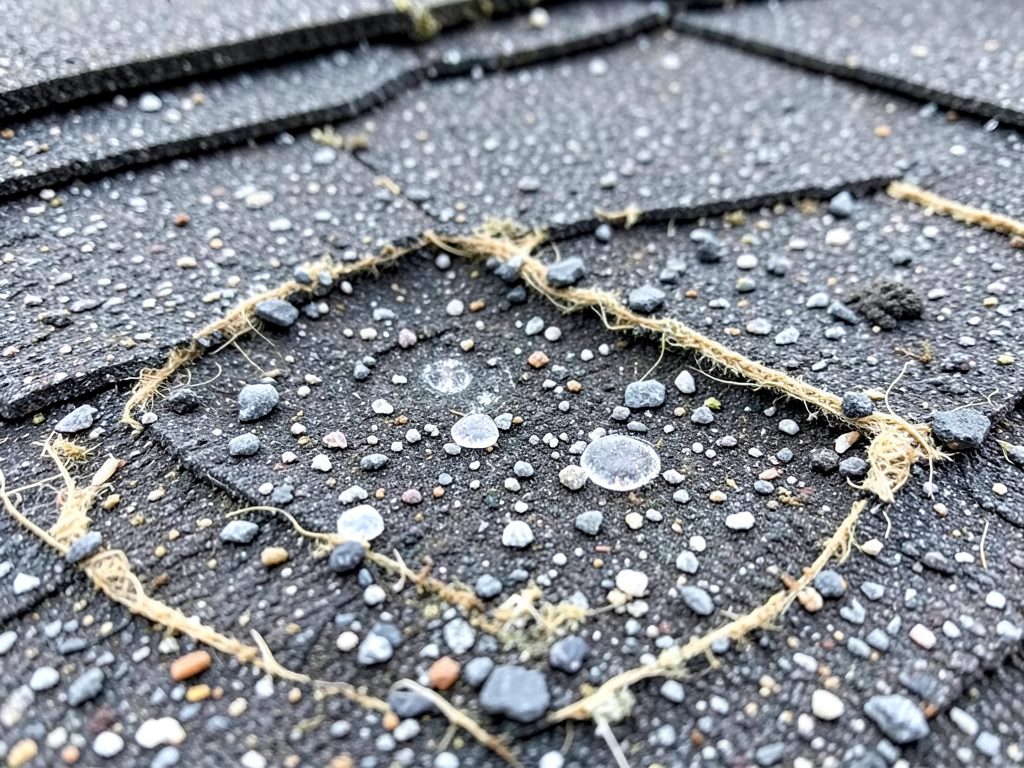
Nashville's weather puts enormous stress on your roof penetrations. You experience dramatic temperature swings between summer heat that pushes 95 degrees and winter lows that dip below freezing. This freeze-thaw cycling causes rubber collars to crack, neoprene gaskets to dry rot, and metal flanges to separate from their seals.

When you notice water stains on your ceiling around bathroom or kitchen vents, the problem usually starts at the pipe boot. These small rubber sleeves surround plumbing vent pipes that protrude through your roof. They create a watertight seal between your roofing material and the pipe itself.

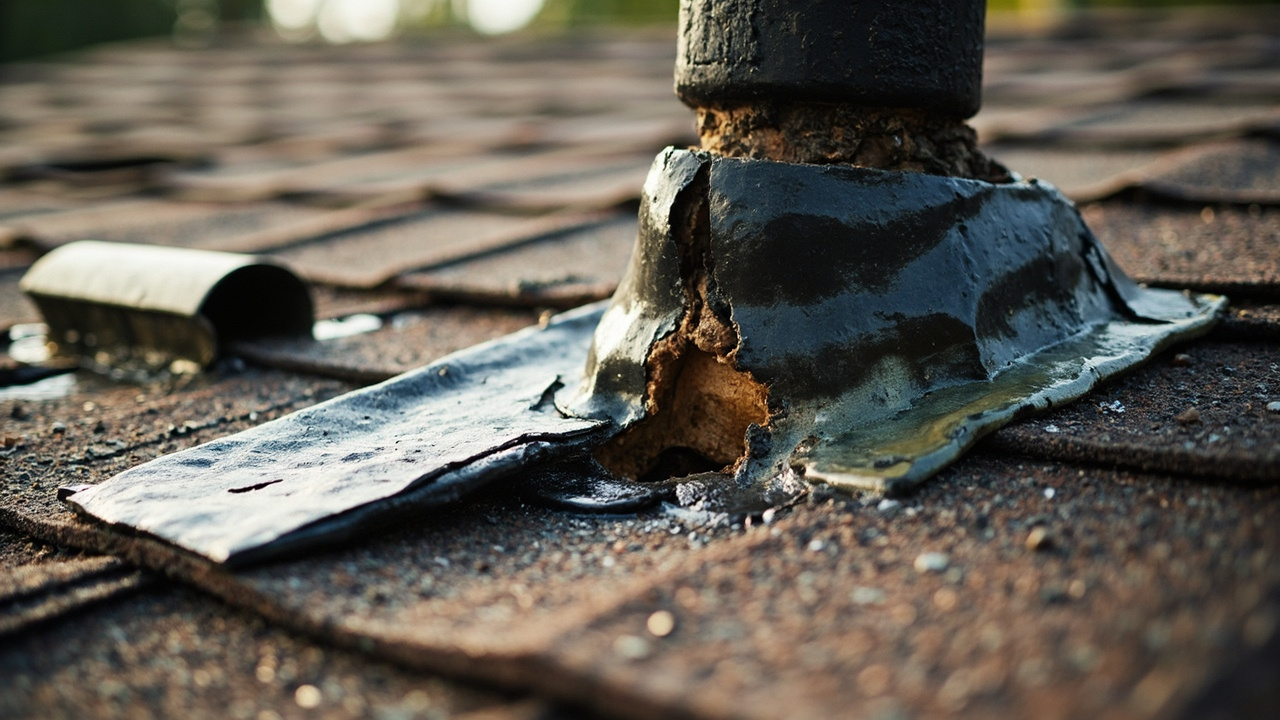
Over time, UV exposure from Tennessee's intense summer sun deteriorates the rubber. The material becomes brittle and develops cracks. A cracked plumbing vent boot allows water to seep down the pipe and into your attic during heavy rain. Nashville averages 47 inches of rain annually, and our spring thunderstorms dump water fast.

A deteriorated rubber roof collar around HVAC vents or bathroom exhaust pipes creates the same problem. The metal flange might still be intact, but the rubber boot that wraps the pipe breaks down. You might also have a damaged pipe flashing seal where the metal base plate has lifted due to thermal expansion. When shingles heat up and cool down repeatedly, the sealant bond fails.

A dry rotted neoprene gasket is common on roofs over 10 years old. The material simply ages out. Broken roof stack flashing happens when the metal itself corrodes or when ice dams form during rare Nashville snow events and tear the flashing loose.

These failures look minor but cause major damage to your decking, insulation, and interior finishes.

Why Pipe Boots and Vent Flashings Fail on Nashville Roofs
How Titan Roofing Nashville Fixes Leaking Pipe Boots and Vent Penetrations

How Titan Roofing Nashville Fixes Leaking Pipe Boots and Vent Penetrations

Most roofers slap a tube of caulk around a leaking pipe boot and call it fixed. That repair fails within months because it does not address the underlying material failure. We remove the compromised boot assembly completely and install a new, code-compliant replacement.

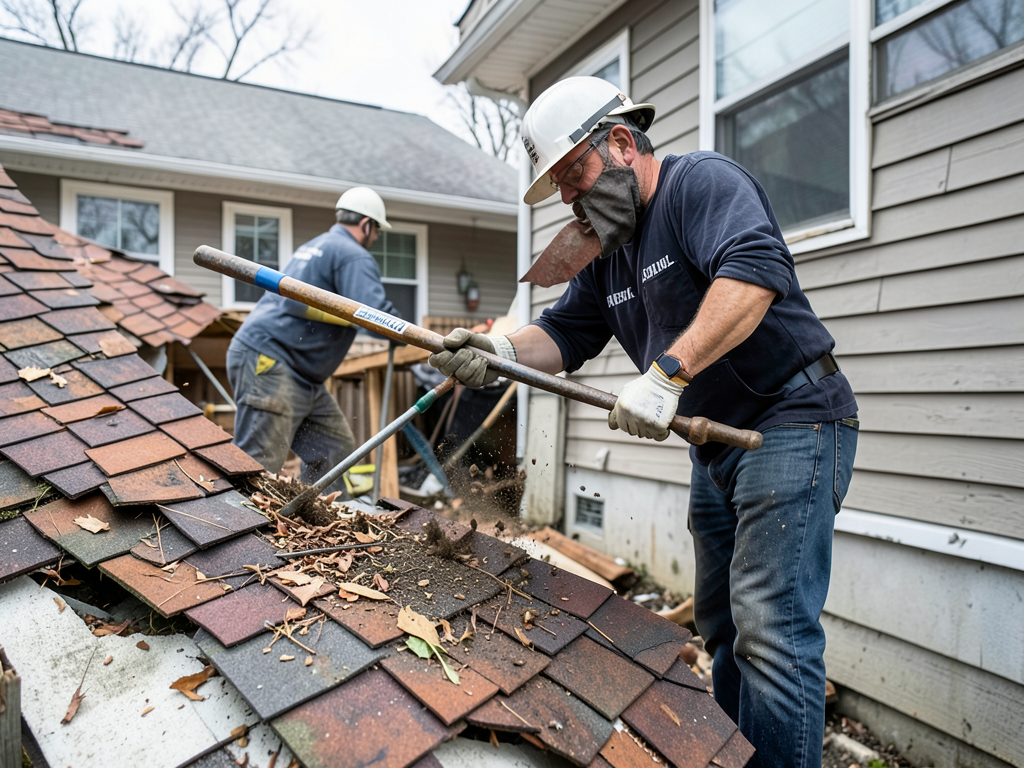
Our process starts with removing the shingles surrounding the penetration. We lift 3 to 4 courses above the flashing to expose the entire pipe boot assembly. This reveals whether the problem is limited to the rubber collar or if the metal base flange has also corroded. On many Nashville homes built in the 1980s and 1990s, builders used galvanized steel flanges that rust through.

We inspect the pipe itself for damage. A loose or cracked PVC vent pipe wobbles inside the boot and tears the seal. We stabilize the pipe if needed before installing new flashing. For rubber boot replacements, we use EPDM boots rated for high UV exposure. These last significantly longer than standard neoprene in Tennessee's climate.

For metal vent flashings around larger HVAC penetrations, we install two-piece flashing systems with a separate storm collar. The base flange integrates under your shingles. The storm collar fits around the pipe and sheds water away from the penetration. We seal both components with polyurethane sealant, not silicone, because it maintains flexibility through temperature changes.

We replace any water-damaged decking before installing the new flashing. If your sheathing has soft spots or visible rot, we cut out the compromised section and sister in new OSB or plywood. Leaving damaged decking invites mold growth and structural problems.

After installing the new boot and reflashing the shingles, we perform a water test. We run a hose directly on the repair for 15 minutes while someone checks the attic for leaks.

What Happens During Your Pipe Boot Repair

Leaking Pipe Boot & Vents in Nashville – Expert Diagnosis and Permanent Repair Solutions
01

Roof and Attic Inspection

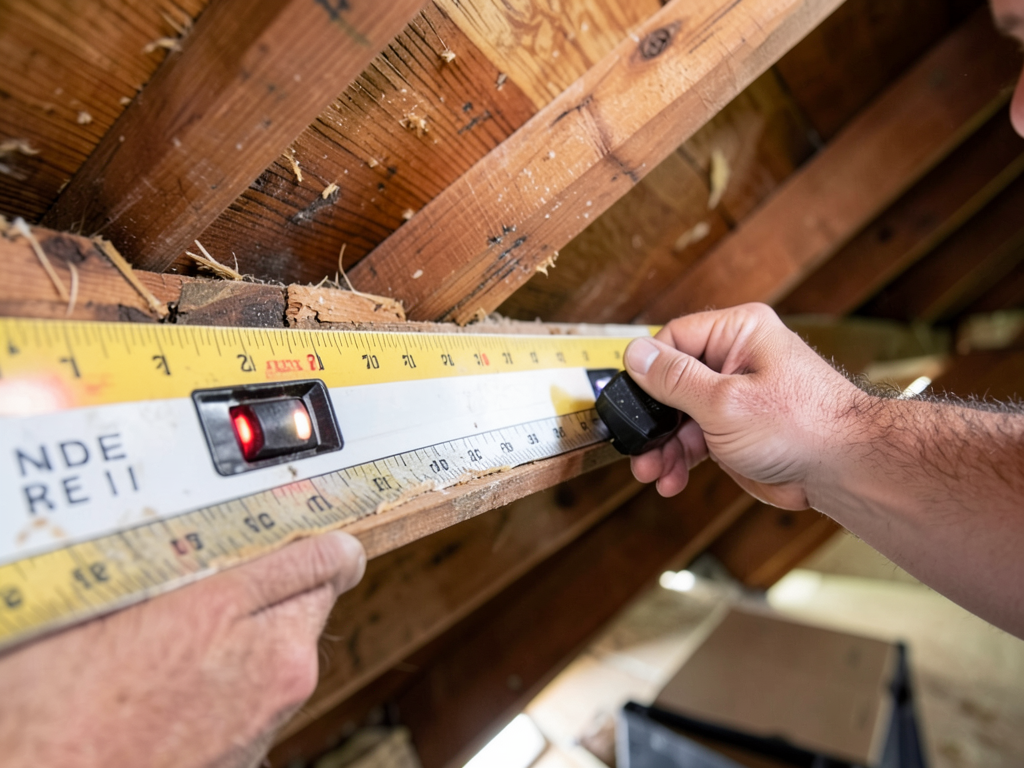
We examine your roof from both above and below. On the roof, we check every pipe penetration for cracks, separation, and deterioration. Inside your attic, we trace water stains to confirm which boot is failing. We document damage to insulation and framing. We photograph everything so you understand exactly what needs repair and why the leak developed.
02

Complete Boot Replacement

We remove the damaged flashing assembly and surrounding shingles. We replace rotted decking if present. We install a new EPDM pipe boot or two-piece metal flashing system depending on the penetration type. We integrate the new flashing properly into your shingle courses using the step-flashing method. We seal all edges with polyurethane sealant and reinstall your shingles to match the existing roof pattern.
03

Water Test and Verification

After completing the installation, we perform an on-site water test. We saturate the repair area with a hose while monitoring your attic space for moisture penetration. This immediately verifies the repair holds under realistic conditions. We do not leave until we confirm the leak is eliminated. You receive documentation of the repair and photos of the completed work for your records.

Why Nashville Homeowners Trust Titan Roofing for Pipe Boot Repairs

Pipe boot leaks are diagnostic problems. The water stain on your ceiling might be 6 feet away from the actual roof failure. Water travels along rafters and through insulation before it drips into your living space. Inexperienced roofers fix the wrong spot because they do not understand how water moves through an attic.

Titan Roofing Nashville has repaired pipe boot failures across Davidson County for years. We have worked on every roof type common to this area, including the steep-pitch roofs on East Nashville bungalows, the low-slope sections on split-level homes in Donelson, and the complex hip roofs in Brentwood subdivisions. We know how builders detailed these penetrations originally, and we know where they cut corners.

We understand Nashville's building codes and inspection requirements. If your pipe boot repair requires decking replacement, we pull permits when necessary and coordinate inspections. This protects your homeowner's insurance coverage and maintains your home's compliance.

We also recognize weather patterns that accelerate boot failure. Homes with south-facing roof slopes experience more UV damage. Properties near Percy Priest Lake or the Cumberland River deal with higher humidity that promotes rubber deterioration. Roofs shaded by oak trees in Sylvan Park accumulate moisture and organic debris that trap water against the boot.

Our crews carry multiple boot styles and sizes on every truck. We stock 1.5-inch, 2-inch, 3-inch, and 4-inch boots in both rubber and metal configurations. We do not need to order parts and return later. We complete most pipe boot repairs in a single visit.

You receive straightforward communication about what failed, why it failed, and what we did to fix it. We do not upsell you on whole-roof replacements when a targeted repair solves the problem.

What to Expect When You Call Titan Roofing for Pipe Boot Repair

Fast Response Time

We schedule inspections within 24 to 48 hours of your call. Pipe boot leaks worsen quickly because water enters your home with every rain event. We prioritize these repairs to prevent further damage to your insulation, drywall, and ceiling finishes. Most repairs are completed within 3 to 5 business days after the initial inspection, depending on weather conditions and material availability. If we discover extensive decking damage, we provide a timeline before starting work.

Thorough Leak Diagnosis

Our inspection process identifies every contributing factor to your leak. We do not assume the stain location matches the roof failure point. We inspect all penetrations in the affected area, check your underlayment condition, and examine valley flashing and ridge vents that might also be compromised. You receive a written assessment that explains what failed and what repair strategy we recommend. We differentiate between emergency temporary repairs and permanent solutions so you can make an informed decision.

Quality Material Installation

We install professional-grade EPDM rubber boots and galvanized steel or aluminum base flanges. We do not use generic hardware store boots that fail prematurely. Our materials are rated for the temperature extremes and UV exposure common to Middle Tennessee. The sealants we use remain flexible through freeze-thaw cycles and do not crack or separate. Your new pipe boot integrates seamlessly with your existing shingles and matches the roof's aesthetic. The repair is invisible from the ground.

Workmanship Guarantee

We stand behind every pipe boot repair. If your leak persists after our repair, we return to diagnose the issue at no additional charge. Our goal is permanent elimination of the leak, not temporary bandages. We also provide guidance on maintaining your roof penetrations. This includes clearing debris from around pipes, monitoring boot condition annually, and recognizing early signs of seal failure. Proper maintenance extends the life of your repair and prevents future leaks.

Frequently Asked Questions

You Have Questions,
We Have Answers

How much does it cost to replace a vent pipe boot? +

Replacement costs vary based on roof pitch, accessibility, and material quality. Rubber boots are the most affordable option, while neoprene or lead alternatives cost more but last longer. The complexity increases if underlying decking or flashing needs repair. Nashville's humidity accelerates rubber degradation, which can affect long-term value. You should factor in whether you need one boot or multiple replacements during the same service call. Most contractors provide estimates after a roof inspection. Avoid the cheapest materials in our climate. They fail faster under Tennessee's temperature swings and storm exposure.

How to seal a roof vent boot? +

Clean the area around the vent pipe and remove old caulk or sealant. Apply roofing cement under the boot flange, pressing it firmly against the shingles. Secure the flange with roofing nails, then apply another layer of cement over the nail heads and edges. Some boots feature clamp systems that tighten around the pipe for a waterproof seal. In Nashville, silicone-based sealants handle our temperature fluctuations better than standard caulk. Check that the rubber collar fits snugly around the pipe without gaps. Loose collars let water migrate underneath during heavy rain.

How to fix a leaking vent pipe? +

Identify whether the leak originates from a cracked boot, failed flashing, or improper installation. Remove shingles around the pipe to access the boot and flashing. Replace the boot if the rubber is cracked or brittle. Apply roofing cement under new flashing, ensuring proper overlap with surrounding shingles. Seal all edges and nail holes. In Nashville, summer heat makes rubber boots brittle faster, while winter freeze-thaw cycles crack compromised seals. If decking shows water damage, replace those sections before installing new materials. Address leaks immediately to prevent attic insulation damage and mold growth.

How long does a vent pipe boot last? +

Rubber pipe boots typically last 10 to 15 years under normal conditions. Nashville's climate shortens this timeline because high humidity and UV exposure degrade rubber faster. Lead boots can last 50 years or more but cost significantly more upfront. Neoprene boots offer a middle ground with 20 to 25 years of service life. Poor installation reduces lifespan regardless of material quality. Boots on south-facing roof sections wear out faster from sun exposure. Inspect boots during routine roof maintenance every few years. Replace them proactively if you notice cracks or hardening around the collar.

Will homeowners insurance cover a leaky roof? +

Homeowners insurance covers sudden and accidental damage, like storm damage that causes a roof leak. Policies typically exclude gradual deterioration from lack of maintenance. If a fallen tree damages your roof and water enters through compromised boot flashing, your claim will likely be approved. Nashville storm damage from high winds or hail often qualifies. However, if the adjuster finds dry rot, cracked boots, or evidence of deferred maintenance, expect a denial. Document your roof maintenance history. Take photos after storms. File claims promptly and provide clear evidence linking the leak to a covered peril.

What are signs of a bad roof boot? +

Water stains on your ceiling near vent pipes signal boot failure. Check your attic during or after rain for active dripping around the pipe penetration. Cracked, torn, or brittle rubber around the pipe collar indicates the boot has deteriorated. You might notice gaps between the boot flange and shingles. Shingles surrounding the boot may curl or show granule loss from persistent moisture. In Nashville attics, mold or mildew near vent pipes confirms chronic water intrusion. Rusted vent pipes suggest long-term exposure to moisture. Missing or loose nails around the boot flange compromise the waterproof seal.

How to fix a leaking boot? +

Remove shingles overlapping the boot to expose the entire flange. Pull out old nails and lift the damaged boot off the pipe. Clean debris from the area and inspect the flashing underneath. Slide a new boot over the pipe, ensuring the collar fits tightly. Position the flange under upper shingles and over lower courses. Nail the flange down, then apply roofing cement over nail heads and edges. Reinstall shingles, sealing them with additional cement. Nashville's temperature swings require quality sealant that remains flexible. Test the repair during the next rainfall by checking your attic for drips.

Is it common for roof vents to leak? +

Roof vents leak when installation is improper or materials degrade over time. Pipe boot failures are common because rubber deteriorates in Nashville's humid climate. Flashing around turbine vents or ridge vents can separate from shingles during high winds. Sealant around vent edges cracks from freeze-thaw cycles. Poor attic ventilation creates condensation that mimics leak symptoms. Some vents lack adequate underlayment or ice-and-water shield protection. You should expect leaks if your roof is over 15 years old and vents have never been serviced. Regular inspections catch small problems before they cause ceiling damage or insulation loss.

What is the difference between a roof vent and a boot? +

A boot is the rubber or metal sleeve that seals around a plumbing vent pipe penetrating your roof. It prevents water from entering where the pipe breaks the roofline. A roof vent is a separate component designed to exhaust attic air, like ridge vents, turbine vents, or box vents. Vents improve airflow and reduce heat buildup in Nashville summers. Both require proper flashing and waterproofing, but they serve different functions. Pipe boots protect plumbing penetrations. Roof vents regulate attic temperature and moisture. Both can leak if installed incorrectly or if materials fail from age and weather exposure.

Does homeowners insurance cover water pipe repair? +

Homeowners insurance generally excludes plumbing leaks from wear and tear or freezing in unheated spaces. Coverage applies if a pipe bursts suddenly from a covered peril, like a tree falling on your home. Nashville freeze events can cause pipes to burst, but insurers may deny claims if you failed to winterize exposed pipes. Water damage from the burst is often covered, but not the pipe repair itself. Sewer backups require separate endorsements. Review your policy declarations page for water damage exclusions. Maintain your plumbing system to avoid denial based on deferred maintenance or gradual deterioration.

How Nashville's Climate Accelerates Pipe Boot Failure

Nashville sits in a humid subtropical zone with hot summers and unpredictable winters. Your roof experiences 200-plus days of temperatures above 70 degrees, combined with high humidity that keeps rubber materials damp. This accelerates dry rot in neoprene gaskets. Winter brings occasional ice storms that form damaging ice dams around penetrations. The temperature swing between a 95-degree July afternoon and a 25-degree January morning causes repeated expansion and contraction that cracks rubber collars and separates sealant bonds. This climate combination makes pipe boot maintenance critical.

Titan Roofing Nashville knows how local builders installed pipe flashings across different decades. Homes built during Nashville's 1990s construction boom often used economy-grade rubber boots that age out after 15 years. Newer builds in areas like Hermitage and Antioch sometimes have improperly sized boots where the installer forced a 2-inch boot over a 3-inch pipe. We correct these original installation errors during our repairs. Our familiarity with Davidson County's building inspection standards ensures your repair meets code requirements if you ever sell your home or file an insurance claim.
Roofing Services in The Nashville Area

Titan Roofing Nashville is proud to serve the entire Nashville area, including surrounding communities. View our location on the map to see where our trusted services are available. We are dedicated to providing prompt, localized roofing solutions, so reach out today to confirm service in your specific neighborhood or to schedule an on-site consultation at your convenience.

Address:
Titan Roofing Nashville, 720 Music Cir E, Nashville, TN, 37203

Additional Services We Offer

Our news updates

Latest Articles & News from The Blogs

The Dangers of Leaving Old Satellite Dishes Bolted to Your Roof in Berry Hill Old satellite dishes bolted to your…

The Dangers of Leaving Old Satellite Dishes Bolted to Your Roof in Berry Hill

The Dangers of Leaving Old Satellite Dishes Bolted to Your Roof in Berry Hill Old satellite dishes bolted to your…

How to Safely Inspect Your Roof for Damage Using Just a Pair of Binoculars

The Safe Way to Inspect Your Nashville Roof: A Homeowner’s Guide Living in Nashville means your roof faces intense spring…

Creative Ways to Use Your Flat Roof for an Outdoor Living Area in 12 South

Creative Ways to Use Your Flat Roof for an Outdoor Living Area in 12 South Living in 12 South means…

Contact Us

Call Titan Roofing Nashville at (615) 640-4994 right now. We will schedule your inspection, identify the exact failure point, and provide a clear repair solution. Every day you wait allows more water into your attic.