menu

Granules in Gutter in Nashville – Expert Diagnosis Prevents Thousands in Roof Damage

If you are seeing granules in gutter around your Nashville home, your roof is sending a distress signal. We identify whether you need repair or replacement before water damage starts.

Slider Image 1
Slider Image 2
Slider Image 3
Slider Image 4
Slider Image 5
Slider Image 7
Slider Image 8
Slider Image 9
Slider Image 10
Slider Image 11

Why Nashville Roofs Shed Granules Faster Than You Think

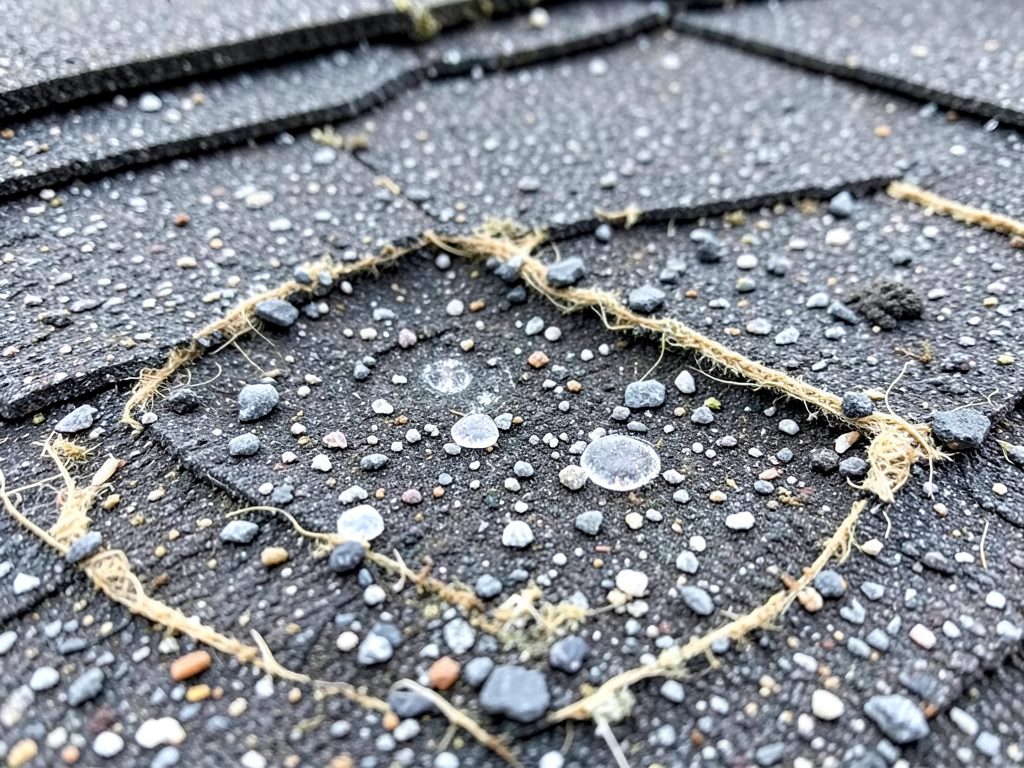
You cleaned your gutters and found what looks like coarse black sand. That is shingle grit, and it is not normal in large quantities. Asphalt shingle particles protect your roof from UV rays and water penetration. When you find roof sand in gutters by the handful, your shingles are either aging rapidly or failing prematurely.

Nashville's climate accelerates granule loss. Our hot, humid summers combined with rapid temperature swings in spring and fall cause asphalt shingles to expand and contract. Add in the occasional hailstorm rolling through Davidson County, and you have a perfect recipe for premature granule shedding. The limestone and clay soil common in East Nashville and Germantown does not cause the problem, but the weather does.

Loose granules in downspouts mean the protective ceramic coating is gone. Once that happens, UV radiation breaks down the asphalt mat underneath. Water begins penetrating the shingle, then the underlayment, then your decking. You might not see a leak for months, but the damage is happening.

Shingle sediment accumulation is not always an emergency. New roofs shed excess granules during the first year. That is normal. But if your roof is five years old or older and you are filling buckets with granule debris, you need a professional assessment. The question is not if your roof will fail, but when. We help you answer that question with accuracy so you can plan instead of panic.

Why Nashville Roofs Shed Granules Faster Than You Think
How We Determine If Granule Loss Means Replacement or Repair

How We Determine If Granule Loss Means Replacement or Repair

Most roofers look at granules in your gutters and immediately quote you a full replacement. We do not work that way. Titan Roofing Nashville conducts a systematic roof inspection to determine the cause, extent, and urgency of granule loss before recommending a solution.

We start with a visual inspection of your gutter system and downspouts. We measure the volume of shingle grit and examine the particle size. Large, irregular chunks often indicate impact damage from hail or falling branches. Fine, uniform granules suggest aging or manufacturing defects. We also inspect your roof from the ground using binoculars to identify bald spots, shingle curling, or color inconsistencies.

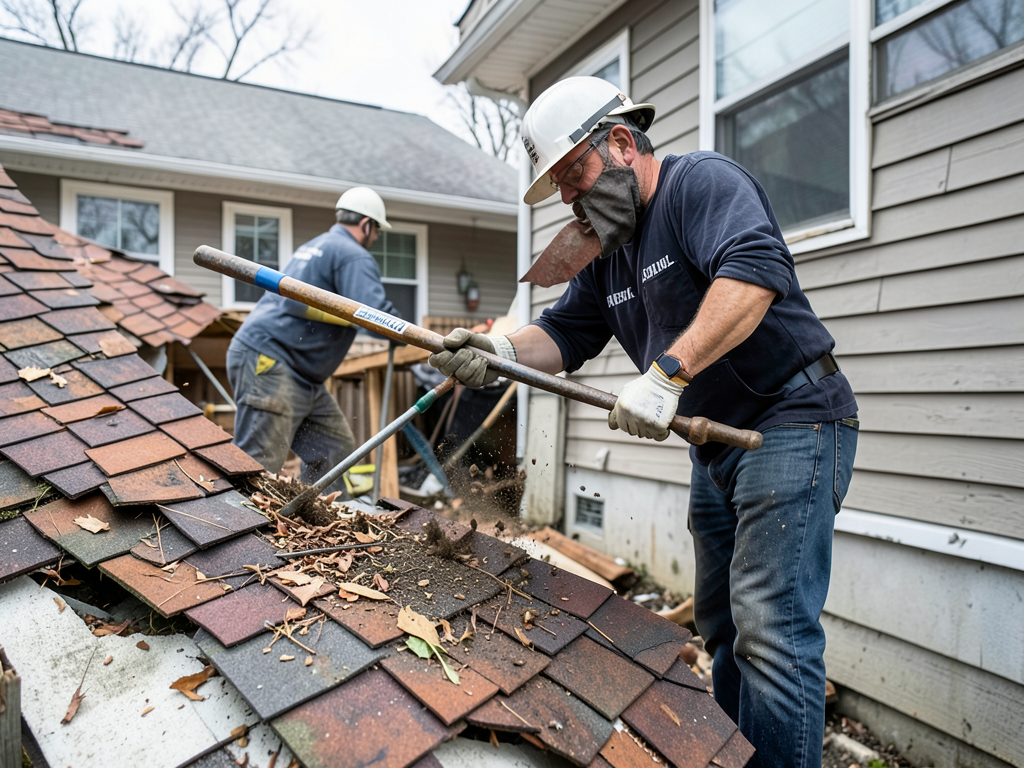
Next, we access your roof to conduct a hands-on assessment. We check for soft spots in the decking, which indicate water infiltration. We examine flashing around chimneys, vents, and skylights. We inspect the valleys where two roof planes meet, because these areas shed granules first due to concentrated water flow. We also check your attic for signs of moisture, mold, or daylight penetration through the roof deck.

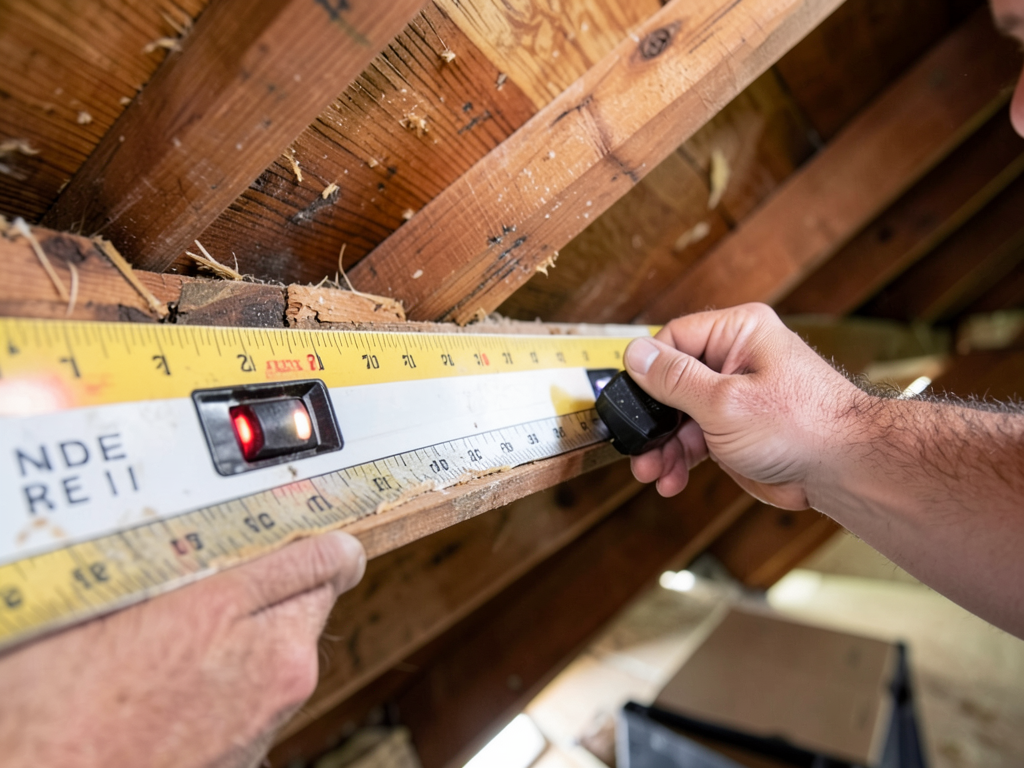
We use a moisture meter to detect hidden water damage in your sheathing. We test shingle adhesion by gently lifting tabs to see if the sealant strip is still bonded. We document everything with photos and measurements so you can see exactly what we see. This diagnostic process separates legitimate roof failure from normal wear or isolated damage that can be repaired. You get a clear answer about whether you need a patch, a section replacement, or a full tear-off.

What Happens During Your Granule Loss Inspection

Granules in Gutter in Nashville – Expert Diagnosis Prevents Thousands in Roof Damage
01

Initial Gutter Assessment

We examine your gutters and downspouts to collect and measure granule accumulation. We photograph the debris and identify patterns that indicate specific failure modes. This step takes 15 minutes and gives us critical baseline data about the severity and distribution of granule loss across your roof system.
02

Roof Surface Evaluation

We walk your roof to inspect shingle condition, check for bald spots, and test adhesion. We measure the remaining granule coverage using industry-standard visual grading. We also inspect flashing, valleys, and penetrations for signs of water intrusion. This hands-on assessment reveals the true condition of your roofing system.
03

Diagnostic Report Delivery

We compile our findings into a written report with photos, measurements, and clear recommendations. You will know whether your granule loss is normal aging, storm damage, or manufacturing defect. We explain your options, including repair, partial replacement, or full replacement, with no pressure to decide immediately. You get clarity, not a sales pitch.

Why Nashville Homeowners Trust Our Granule Loss Assessments

Nashville has hundreds of roofing contractors, but most cannot distinguish between normal granule loss and actual roof failure. They see debris in your gutters and default to selling you a new roof because it is easier than conducting a proper diagnosis. That approach costs you thousands unnecessarily.

Titan Roofing Nashville specializes in forensic roof inspections. We understand how different shingle manufacturers design their products and how Nashville's weather patterns affect each brand differently. We know that architectural shingles shed granules differently than three-tab shingles. We recognize the difference between hail damage and wind damage. We identify manufacturing defects that may qualify you for warranty claims.

We have worked on roofs across Green Hills, East Nashville, Sylvan Park, and the Gulch. We understand the architectural diversity in Nashville, from ranch homes with low-slope roofs to Victorian homes with complex hip and valley systems. Each roof type sheds granules differently, and we account for that in our assessments.

Our inspections have saved Nashville homeowners from unnecessary replacements dozens of times. We have also identified severe damage that other contractors missed, preventing catastrophic leaks during Tennessee's heavy spring rains. Our goal is accuracy, not upselling. If your roof needs replacement, we will show you why. If it does not, we will explain what maintenance or repairs will extend its life.

We also help you navigate insurance claims when storm damage causes granule loss. We document everything to insurance industry standards and provide detailed reports that adjusters respect. You do not need to guess whether you have a legitimate claim. We give you the evidence to make your case.

What You Can Expect From Your Granule Loss Inspection

Same-Week Availability

We schedule inspections within three to five business days of your call. Granule loss typically does not require emergency response unless you already have an active leak. We prioritize urgent cases, but most granule loss issues can be assessed on a routine schedule. Our inspections take 60 to 90 minutes depending on roof size and complexity. You will have answers before the week ends.

Comprehensive Roof Assessment

We inspect your entire roofing system, not just the areas with visible granule loss. We check your attic ventilation, examine your underlayment where accessible, and assess your flashing integrity. We use moisture meters to detect hidden water damage in your roof deck. You get a complete picture of your roof's health, not just a surface-level glance.

Detailed Written Report

You receive a written report with photos, measurements, and clear recommendations within 24 hours of your inspection. We explain what we found, what it means, and what your options are. If we recommend repairs, we provide a detailed scope of work. If we recommend replacement, we explain why repair is not viable. You get transparency, not guesswork.

Follow-Up Consultation

We schedule a follow-up call or meeting to review our findings and answer your questions. If you need time to decide, we remain available for consultation. If you choose to move forward with repairs or replacement, we provide a detailed estimate with material options and timelines. If you decide to monitor the situation, we advise you on what warning signs to watch for.

Frequently Asked Questions

You Have Questions,
We Have Answers

Is it normal to have shingle granules in the gutter? +

Yes, finding some shingle granules in your gutter is normal, especially on a new roof. Manufacturers apply excess granules during production, and loose ones wash off during the first few rainstorms. You will also see granules after Nashville's heavy spring storms. However, if you notice large amounts consistently or bare patches on your shingles, that signals accelerated wear. Nashville's intense summer sun and humidity cycles speed up granule loss over time. Check your downspouts after storms. A few granules are fine. Piles of grit mean your shingles are failing and need professional inspection.

How much granule loss is too much? +

Minimal granule loss is normal aging. Too much means trouble. If you see bald spots on shingles, large amounts of granules collecting in gutters after every rain, or color variations where granules have worn away, you have excessive loss. A good test is to run your hand across a shingle. If granules come off easily, the protective layer is failing. In Nashville, roofs aged 15 years or older often show heavy granule loss due to our UV exposure and storm cycles. When granules fill your gutters consistently, schedule an inspection. Bare shingles absorb water and fail fast.

Why is there gravel in my gutters? +

The gravel in your gutters is not gravel. It is asphalt shingle granules. These mineral granules protect the asphalt layer from UV rays and weathering. They wear off over time, especially after storms. Nashville experiences frequent heavy rain and hail, which accelerates this process. New roofs shed excess granules initially. Older roofs lose granules as shingles deteriorate. If you see black asphalt showing through on your roof or heavy granule accumulation in downspouts, your shingles are wearing out. The granule layer is your roof's first defense. When it is gone, water damage follows quickly.

Does granular loss mean I need a new roof? +

Not always, but often. Light granule loss on an older roof is expected wear. Heavy granule loss means your shingles are near the end of their lifespan. If you see widespread bald spots, curling edges, or granules washing down every time it rains, replacement is coming soon. Nashville roofs typically last 20 to 25 years, but our heat and storm exposure can shorten that. A professional inspection will assess the extent of damage. If more than 30 percent of your roof shows granule loss or bare spots, plan for replacement within one to two years.

Is granular loss covered by insurance? +

It depends on the cause. Insurance covers granule loss from storm damage, hail impact, or wind events. Normal aging and wear are not covered. If a recent hailstorm in Nashville caused sudden granule loss, document it with photos and file a claim quickly. Insurance adjusters look for impact marks and timestamp the damage. Gradual granule loss from UV exposure over 15 years will not qualify. Your policy likely excludes wear and tear. If you suspect storm damage, get a professional roof inspection before filing. Documentation strengthens your claim and prevents denial.

How to tell if a roofer is lying? +

Watch for red flags. A roofer who pushes for immediate full replacement without a thorough inspection is suspect. Ask for proof of granule loss with photos showing bald spots or missing shingles. Honest roofers explain what they find and why repairs or replacement matter. Be cautious if they offer to waive your insurance deductible or guarantee claim approval. In Nashville, storms bring out opportunistic contractors. Verify their local business license and check references. A trustworthy roofer provides a detailed written estimate, explains material options, and never pressures you to sign same-day contracts.

How do you fix granule loss on shingles? +

You cannot fix granule loss on existing shingles. Once granules wear off, the asphalt layer is exposed and vulnerable. The only solution is shingle replacement. For minor localized damage, you can replace individual shingles or small sections. For widespread granule loss across your roof, full replacement is necessary. Coating products claim to restore shingles, but they are temporary at best and void most manufacturer warranties. Nashville's UV intensity and humidity make coatings ineffective long-term. If your roof shows significant granule loss, budget for replacement. Delaying it leads to leaks, wood rot, and interior water damage.

How old may a roof be before insurance claims it's too old? +

Most insurance companies consider roofs older than 20 years too old for full replacement coverage. Policies often switch to actual cash value after 15 to 20 years, meaning they depreciate your roof's value and pay less. In Nashville, some insurers will not write new homeowner policies if your roof is over 15 years old without an inspection. If your roof is approaching 20 years and still functional, document its condition with photos. Some carriers offer full coverage if the roof passes inspection. Check your policy terms. Replacing your roof before it hits 20 years protects your insurability.

How to tell if your shingles need replacing? +

Look for these signs. Curling or cupping shingle edges indicate aging. Missing shingles after storms mean the adhesive has failed. Heavy granule loss in gutters or bald spots on shingles signal the end of their lifespan. Check your attic for daylight coming through roof boards or water stains on wood. Sagging sections mean structural damage. In Nashville, roofs aged 18 to 22 years typically need replacement. If your roof is over 15 years old and shows multiple symptoms, schedule an inspection. Waiting too long turns a roof replacement into a roof and decking replacement.

Is gutter damage covered by insurance? +

Gutter damage is covered if caused by a covered peril like storm winds, falling trees, or hail. Normal wear, rust, or clogging from neglect are not covered. If a Nashville storm rips your gutters off or a tree branch crushes them, insurance will pay for repairs or replacement. Document damage with photos immediately after the event. Insurance adjusters need proof the damage occurred suddenly, not gradually. If your gutters sag from years of debris buildup, you pay out of pocket. Regular maintenance protects your coverage. Clean gutters twice a year to prevent avoidable damage.

How Nashville's Weather Patterns Accelerate Granule Loss

Nashville experiences extreme temperature fluctuations between seasons, with summer highs reaching the mid-90s and winter lows dipping into the teens. This freeze-thaw cycle causes asphalt shingles to expand and contract repeatedly, weakening the bond between granules and the asphalt mat. Add in high humidity during summer months, and you get accelerated aging. Nashville also sits in a region prone to severe thunderstorms and occasional hail, which can strip granules instantly. If your roof is south-facing, UV exposure is even more intense, speeding up granule degradation.

Choosing a local Nashville roofing contractor means working with someone who understands these climate-specific challenges. We know which shingle brands hold up best in Middle Tennessee. We understand the building codes enforced by Metro Nashville's codes department. We have relationships with local suppliers, which means faster turnaround on materials if repairs are needed. National chains and out-of-state contractors cannot provide that level of local knowledge or accountability.
Roofing Services in The Nashville Area

Titan Roofing Nashville is proud to serve the entire Nashville area, including surrounding communities. View our location on the map to see where our trusted services are available. We are dedicated to providing prompt, localized roofing solutions, so reach out today to confirm service in your specific neighborhood or to schedule an on-site consultation at your convenience.

Address:
Titan Roofing Nashville, 720 Music Cir E, Nashville, TN, 37203

Additional Services We Offer

Our news updates

Latest Articles & News from The Blogs

The Dangers of Leaving Old Satellite Dishes Bolted to Your Roof in Berry Hill Old satellite dishes bolted to your…

The Dangers of Leaving Old Satellite Dishes Bolted to Your Roof in Berry Hill

The Dangers of Leaving Old Satellite Dishes Bolted to Your Roof in Berry Hill Old satellite dishes bolted to your…

How to Safely Inspect Your Roof for Damage Using Just a Pair of Binoculars

The Safe Way to Inspect Your Nashville Roof: A Homeowner’s Guide Living in Nashville means your roof faces intense spring…

Creative Ways to Use Your Flat Roof for an Outdoor Living Area in 12 South

Creative Ways to Use Your Flat Roof for an Outdoor Living Area in 12 South Living in 12 South means…

Contact Us

Do not guess about your roof's condition. Call Titan Roofing Nashville at (615) 640-4994 to schedule your inspection. We will assess your granule loss and give you a clear, honest answer about what needs to happen next.