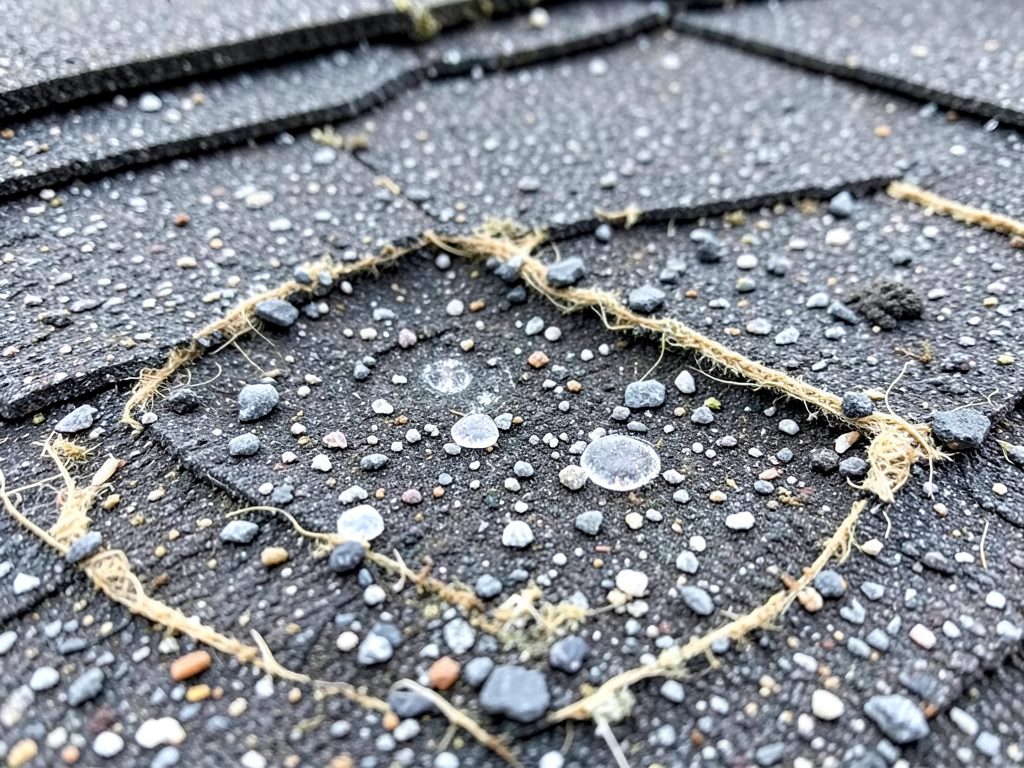
Middle Tennessee's humidity levels remain above 70 percent for much of the year, creating conditions where moisture never fully evaporates from roof surfaces. This constant dampness promotes biological growth and accelerates coating degradation if you select the wrong system. Silicone-based coatings outperform acrylics in these conditions because they maintain adhesion even when wet. Spring and fall storm systems dump heavy rain in short periods, overwhelming inadequate drainage and creating ponding conditions on flat roofs. Commercial facilities near the Cumberland River or in low-lying areas like Antioch face additional moisture challenges. Coating specifications must account for these local conditions or you get premature failure and a wasted investment.
Nashville's commercial building boom means many facility managers are dealing with aging roofs on structures built during rapid expansion periods. Metro codes require proper permitting for coating projects that modify the roof assembly or add significant dead load. Local inspectors look for proper drainage, adequate ventilation, and fire-rated assemblies on multi-tenant buildings. Working with a contractor who understands these requirements prevents compliance issues that delay projects or create liability. Titan Roofing Nashville maintains relationships with local inspectors and suppliers, which means faster permit turnaround and access to materials that meet regional performance standards. This local knowledge directly impacts project success and long-term coating performance.