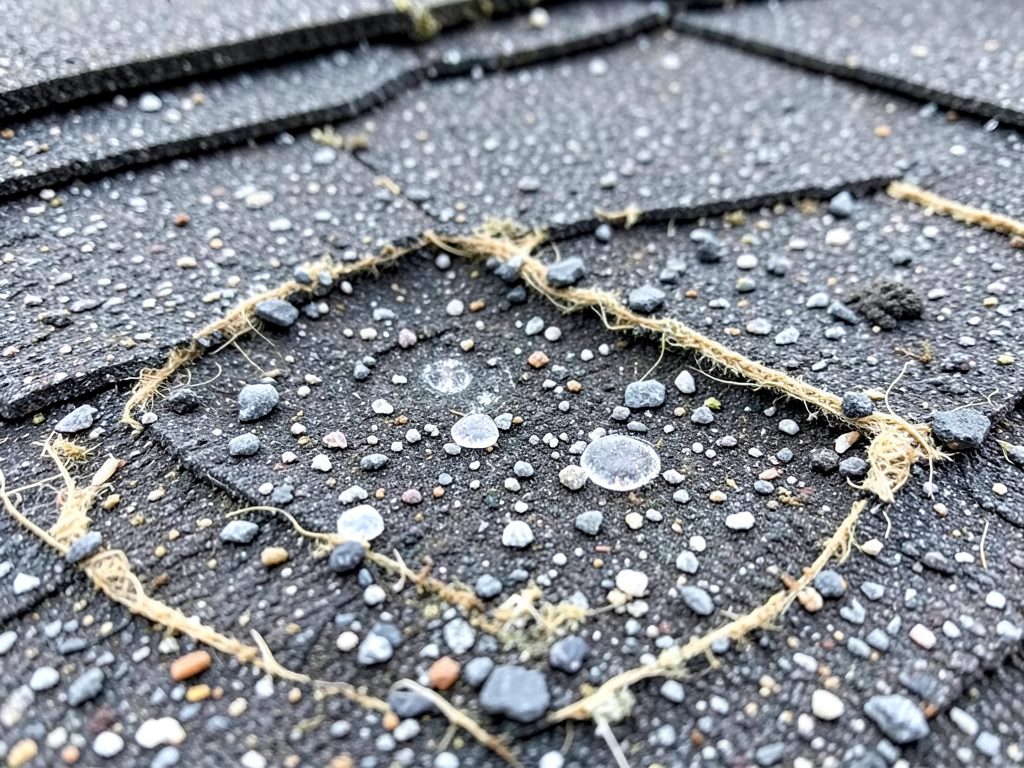
Nashville sits in a humidity trap created by the Cumberland River valley and surrounding ridges. Summer dew points regularly hit 70 degrees, and morning fog lingers until 10 a.m. in neighborhoods near Radnor Lake and Percy Warner Park. This persistent dampness keeps roofs wet long after rain stops. Gloeocapsa magma and algae need only four hours of moisture to reproduce. Our afternoon thunderstorm pattern delivers that moisture almost daily from May through September. North-facing roof slopes in areas like Belle Meade and Forest Hills never fully dry because they get limited direct sun. Moss growth accelerates in these zones. Understanding Nashville's microclimate patterns is critical for timing treatments and predicting regrowth cycles.
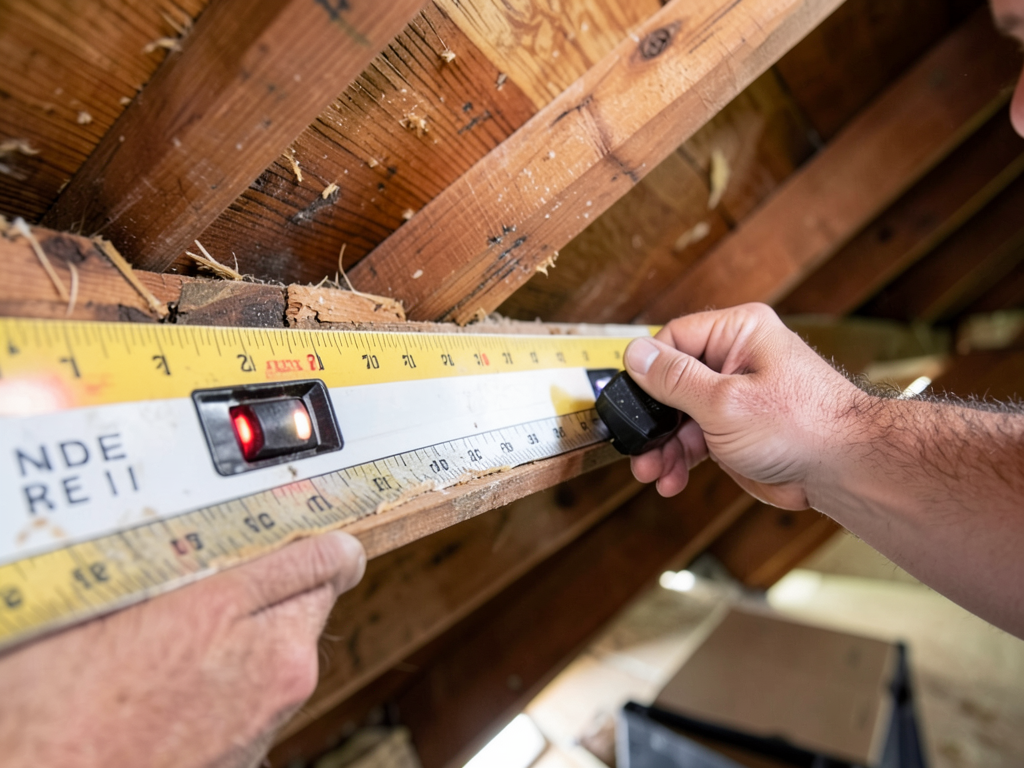
Davidson County building codes require proper roof ventilation, but many older homes built before 1990 lack adequate ridge vents or soffit intake. Poor ventilation traps heat and moisture in attic spaces, which radiates through shingles and creates condensation on the underside. This internal moisture source feeds organism growth even during dry weather. Local roofing contractors familiar with Nashville's housing stock recognize these ventilation deficiencies and address them during maintenance visits. Choosing a provider who understands how Nashville homes are built means getting solutions that account for both external climate factors and internal structural issues. Our crews know the difference between a 1950s ranch in Inglewood and a 2010 build in Bellevue, and we adjust our approach accordingly.