menu

Commercial Roof Replacement in Nashville – Minimize Downtime, Maximize Asset Protection

Titan Roofing Nashville delivers industrial-grade commercial roof replacement and commercial reroofing solutions engineered for Middle Tennessee's extreme weather cycles, keeping your operations running while protecting your bottom line.

Slider Image 1
Slider Image 2
Slider Image 3
Slider Image 4
Slider Image 5
Slider Image 7
Slider Image 8
Slider Image 9
Slider Image 10
Slider Image 11

Why Nashville's Climate Destroys Commercial Roofing Systems Faster

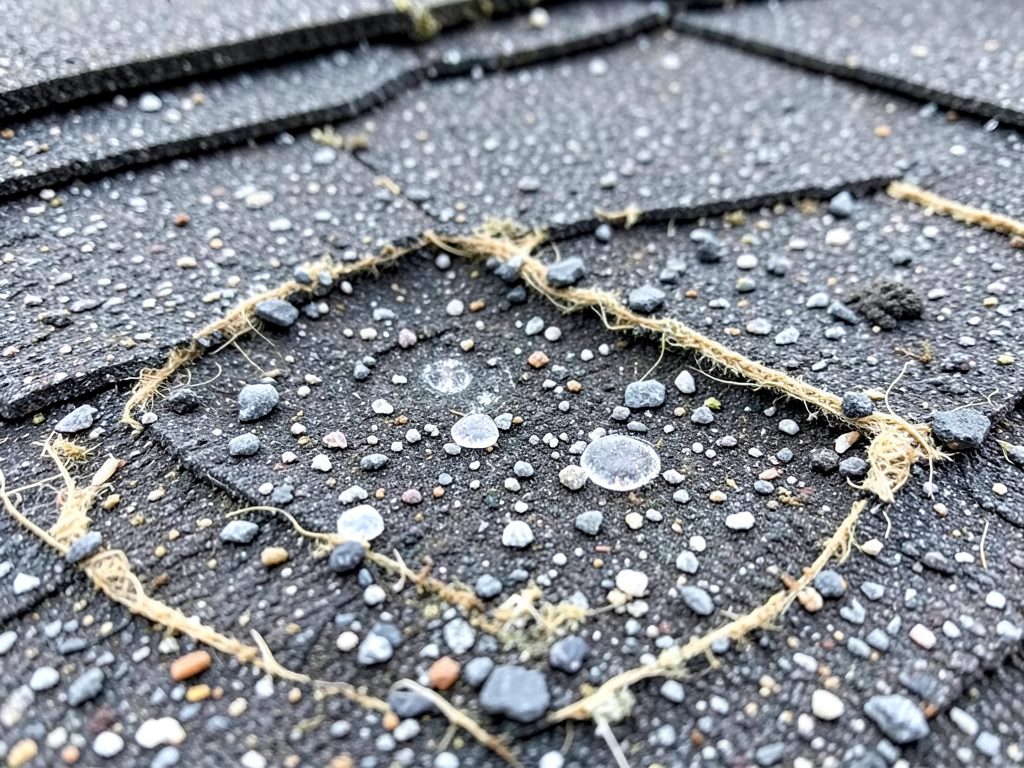
Nashville's commercial buildings face a hostile roofing environment. The city experiences over 120 freeze-thaw cycles annually, causing thermal expansion and contraction that splits seams and degrades membrane integrity. Summer heat pushes surface temperatures on flat commercial roofs past 160 degrees, accelerating UV degradation and oxidation of roofing materials.

The city's humid subtropical climate creates persistent moisture problems. Commercial buildings in the Wedgewood-Houston warehouse district and along Dickerson Pike industrial corridor face condensation issues that rot decking and promote mold growth in insulation layers. Spring storms deliver hail and high winds that puncture single-ply membranes and tear metal panel systems.

Commercial building roof replacement becomes critical when these factors compound. A warehouse roof in Antioch or an office building near Nashville International Airport experiences different stress patterns than residential structures. Industrial roof replacement timelines must account for inventory protection, production schedules, and tenant obligations. Commercial roof installation cannot disrupt business operations or violate lease agreements.

The average commercial roof in Davidson County lasts 15 to 22 years depending on material and maintenance. Buildings near the Cumberland River face additional moisture exposure. Distribution centers and manufacturing facilities require commercial reroofing that accounts for HVAC loads, equipment penetrations, and structural loading capacity. Deferred maintenance turns minor repairs into full tear-offs, multiplying costs and business interruption.

Why Nashville's Climate Destroys Commercial Roofing Systems Faster
The Titan Roofing Approach to Commercial Roof Replacement

The Titan Roofing Approach to Commercial Roof Replacement

Commercial roof installation demands precision that residential work does not require. Titan Roofing Nashville begins with infrared thermography and core sampling to map moisture infiltration and insulation deficiencies. We document existing conditions with drone surveys and create detailed CAD drawings for permitting and project coordination.

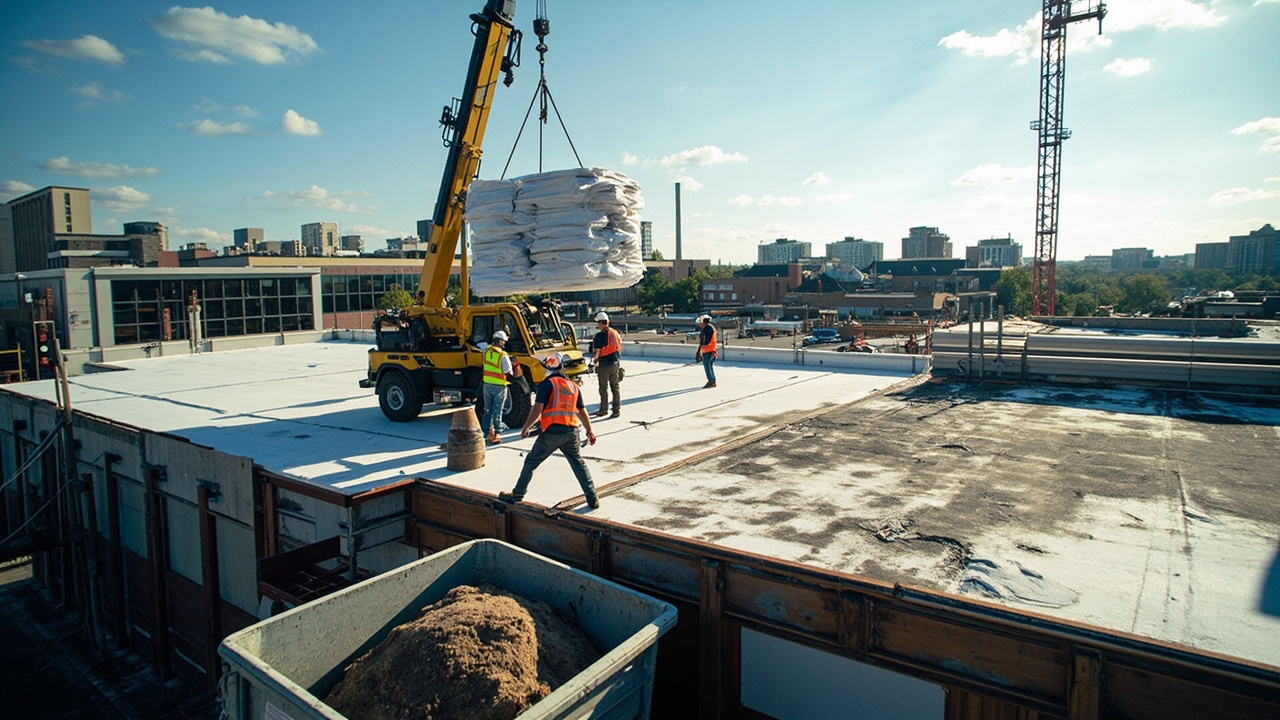
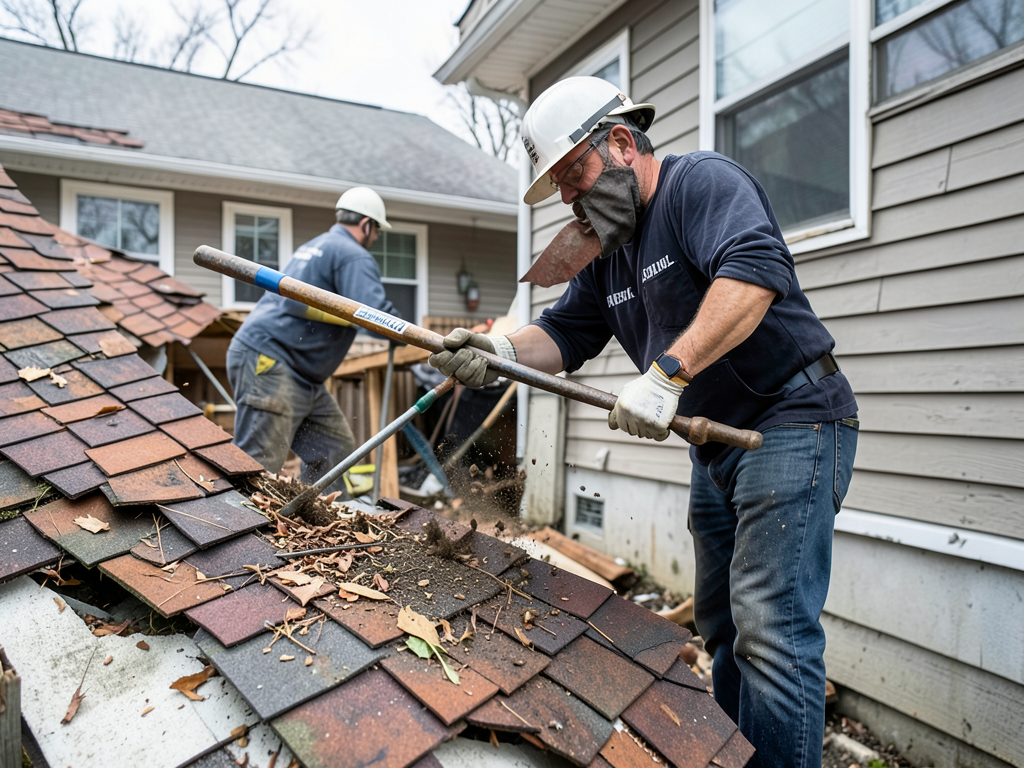
Our commercial building roof replacement methodology prioritizes business continuity. We phase tear-off and installation to maintain building weatherproofing. Work zones get isolated with temporary barriers to control dust and debris. Scheduling accommodates your operational hours, whether that means night shifts for retail locations or weekend work for office buildings.

Material selection drives long-term performance. We specify TPO, EPDM, or modified bitumen based on your building's use, existing structural capacity, and maintenance budget. Industrial roof replacement for manufacturing facilities often requires chemical-resistant membranes and reinforced walkway pads for equipment access. Warehouse projects need enhanced puncture resistance and higher R-value insulation to reduce HVAC costs.

Commercial reroofing includes critical details that determine system longevity. We install tapered insulation systems to eliminate ponding water, detail all penetrations with prefabricated pitch pockets or boot flashings, and coordinate with mechanical contractors to properly flash HVAC curbs. Parapet walls and copings get rebuilt with continuous cleat systems to prevent blow-offs during severe weather events common to Middle Tennessee.

Every project includes building code compliance verification and coordination with Metro Nashville building inspectors. We handle permit applications, fire marshal requirements, and final inspections to keep your project on schedule.

How Commercial Roof Replacement Actually Works

Commercial Roof Replacement in Nashville – Minimize Downtime, Maximize Asset Protection
01

Building Assessment and Planning

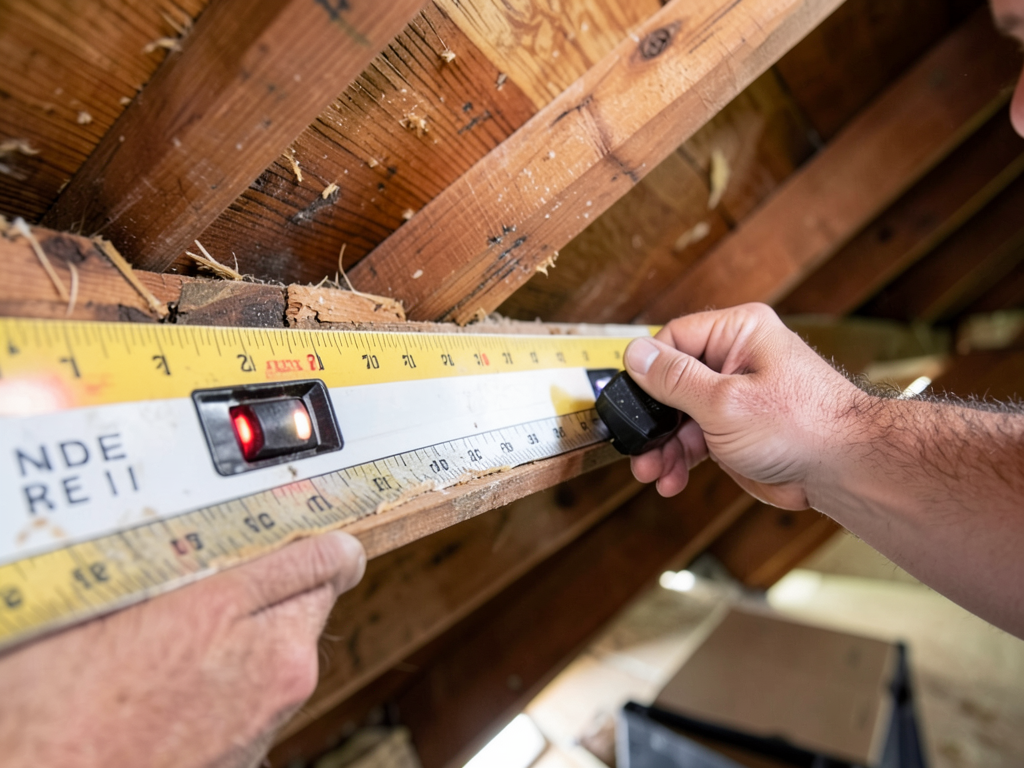
We conduct a comprehensive roof inspection using moisture meters and infrared scanning to identify hidden damage in the existing system. Structural engineers evaluate decking and framing capacity for new material loads. You receive a detailed scope document with material specifications, phasing plans, and a construction timeline that accounts for your business operations and weather windows typical to Nashville's climate patterns.
02

Controlled Tear-Off and Installation

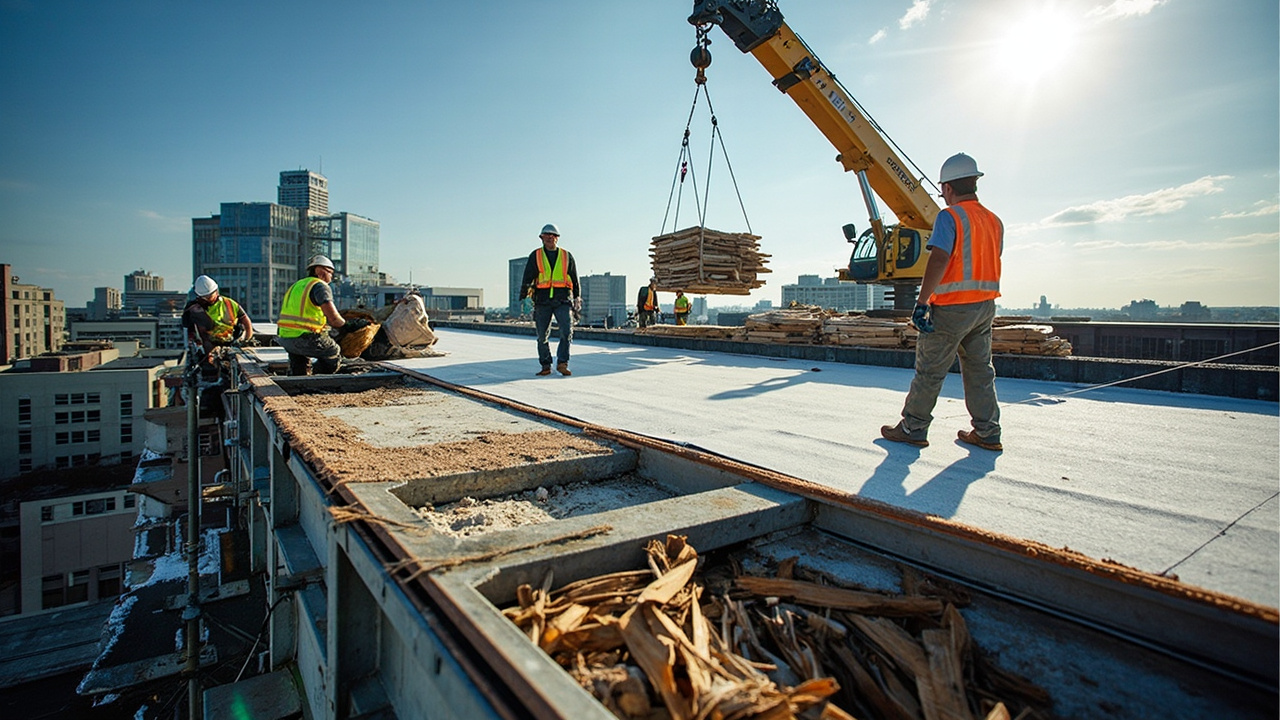
Crews remove existing roofing materials in sections, maintaining weathertight integrity across the rest of your building. Damaged decking gets replaced and structural repairs completed before new insulation installation. We install your new membrane system with heat-welded seams or mechanically fastened assemblies depending on your building's wind load requirements and warranty specifications. All penetrations get properly flashed and equipment curbs rebuilt to manufacturer standards for Nashville's weather exposure.
03

Testing and Documentation

Every seam gets tested with electronic leak detection or visual flood testing to verify waterproof integrity. Metro Nashville inspectors verify code compliance before final approval. You receive complete documentation including material certifications, warranty registrations, photos of completed details, and a maintenance guide specific to your new roofing system. We create an asset file with specifications and installation dates for your facility management records and future maintenance planning.

Why Nashville Facility Managers Choose Titan Roofing

Commercial roof replacement requires contractors who understand building science and construction logistics. Titan Roofing Nashville has completed industrial roof replacement projects across Davidson County, from multi-building industrial parks in Donelson to single-facility warehouses along I-40. We know Metro Nashville's commercial building codes and maintain relationships with local inspectors who expedite permit approvals.

Our crews have experience with occupied buildings. We understand that manufacturing downtime costs thousands per hour and retail closures impact revenue. Commercial reroofing projects get scheduled around your peak seasons and operational constraints. Property managers receive daily progress updates and photo documentation to share with ownership groups and tenants.

We carry commercial general liability coverage appropriate for large-scale projects and maintain builder's risk policies that protect your investment during construction. Subcontractors get vetted for licensing and insurance compliance before setting foot on your property. Safety protocols meet OSHA requirements for commercial construction sites.

Material supplier relationships give us access to commercial-grade products at competitive pricing. We source directly from GAF, Carlisle, and Firestone, securing manufacturer warranties that transfer with property sales. Our purchasing volume allows bulk discounts that reduce your project costs without compromising quality.

Nashville's commercial real estate market demands documentation for due diligence and property valuations. We provide detailed specifications and warranty documentation that satisfy lender requirements and facilitate insurance renewals. Facility managers get maintenance schedules calibrated to Nashville's climate cycles to maximize roof service life and protect your capital investment.

What Your Commercial Roof Replacement Includes

Project Timeline and Phasing

Commercial building roof replacement typically requires two to six weeks depending on building size and complexity. We schedule around Nashville's weather patterns, avoiding late winter ice storms and July thunderstorm season when possible. Work gets phased to maintain operations. Retail locations often see night crews. Office buildings get weekend installation schedules. Manufacturing facilities receive custom timing to avoid production conflicts. You get a detailed Gantt chart showing daily activities, delivery schedules, and inspection milestones. Weather delays trigger automatic notifications with revised completion dates.

Pre-Construction Site Assessment

Initial consultation includes roof access evaluation and material sampling. We verify electrical capacity for hot-air welders and assess crane access for material hoisting. Existing roof systems get photographed and conditions documented with moisture mapping reports. You receive a written proposal detailing tear-off scope, insulation upgrades, drainage improvements, and flashing details. The estimate breaks down material and labor costs separately for budget planning. We identify code compliance issues that impact permitting and schedule pre-construction meetings with your facility team to coordinate logistics.

Installation Quality and Performance

Every commercial roof installation follows manufacturer specifications to maintain warranty validity. Seam welders get calibrated daily and test welds performed on scrap material before production work begins. Fastener patterns meet Nashville's wind uplift requirements based on building height and exposure category. Insulation gets installed in multiple layers with staggered joints to eliminate thermal bridging. Edge details receive reinforced attachment at parapets and roof edges where wind forces concentrate. Final walkthrough identifies any deficiencies before project closeout and payment release.

Warranty Coverage and Maintenance Programs

Commercial reroofing projects include manufacturer material warranties ranging from 10 to 30 years depending on system selection. Installation workmanship carries separate coverage for labor and leak repairs. We offer maintenance agreements that include twice-yearly inspections timed to Nashville's spring storm season and fall preparation. Scheduled maintenance involves drain cleaning, sealant renewal at penetrations, and minor repairs before small problems escalate. Maintenance documentation satisfies insurance requirements and protects warranty coverage. Annual inspections identify problems early, extending roof service life and preventing emergency repairs.

Frequently Asked Questions

You Have Questions,
We Have Answers

How much does a 2000 sq ft roof cost? +

Commercial roof replacement costs vary by system type, building configuration, and access. For a 2000 sq ft flat roof in Nashville, TPO or EPDM single-ply membranes run lower per square foot than modified bitumen or built-up systems. Add costs for structural repairs, drainage upgrades, and parapet work. Nashville's humidity demands proper insulation and ventilation to prevent premature failure. Factor in tear-off, disposal, and code compliance. Request detailed line-item bids from licensed contractors. Compare material warranties, labor guarantees, and project timelines. Cost per square foot means nothing without understanding scope.

What is the 25% rule in roofing? +

The 25% rule states that if more than 25% of your commercial roof area requires repair or replacement within a 12-month period, many jurisdictions require you to bring the entire roof system up to current building code. In Nashville, this triggers compliance with energy code requirements, drainage standards, and fire ratings. The rule prevents piecemeal repairs that compromise system integrity. It impacts your budget planning and forces a full roof assessment rather than temporary fixes. Consult with your contractor before exceeding this threshold to avoid unexpected code enforcement and expense escalation.

Does commercial insurance cover roof replacement? +

Commercial insurance typically covers roof replacement if damage results from a covered peril like wind, hail, or fire. Wear and tear, poor maintenance, or age-related deterioration are excluded. Nashville's severe thunderstorms and occasional hail make wind and impact damage common claims. Your policy may include depreciation that reduces payout based on roof age. Document damage immediately with photos and professional inspection reports. Business interruption coverage may offset revenue loss during replacement. Review your policy's replacement cost versus actual cash value provisions. Maintain inspection records to prove proper maintenance and strengthen claims.

How to replace a commercial roof? +

Commercial roof replacement begins with a structural assessment and moisture survey to identify hidden damage. Remove the existing membrane, insulation, and damaged decking. Inspect and repair the substrate. Install new insulation to meet current energy codes. Apply base sheets or vapor barriers depending on system type. Install the primary roofing membrane using mechanical attachment, adhesive, or ballast. Flash penetrations, edges, and transitions. Install new drains, scuppers, and edge metal. Nashville's clay soil movement requires attention to expansion joints. Final inspection confirms code compliance. Schedule work during dry seasons to minimize business disruption.

Is $30,000 too much for a roof? +

Context determines if $30,000 is reasonable for commercial roof replacement. For a small retail building or office, this figure may cover a standard TPO or EPDM system. For larger facilities or complex multi-level structures common in Nashville's commercial districts, $30,000 represents a fraction of total cost. Evaluate cost per square foot, not total price. Compare material quality, warranty length, contractor experience, and project scope. Cheap bids often signal shortcuts in substrate prep, insulation, or flashing details. Request itemized proposals. Low initial cost frequently leads to premature failure and higher lifecycle expense.

What is the most expensive part of replacing a roof? +

Labor and substrate preparation represent the highest costs in commercial roof replacement. Tear-off and disposal of old roofing materials require significant manpower and equipment. Repairing damaged decking, joists, or structural supports adds expense. In Nashville's older commercial buildings, you frequently encounter rot from prolonged moisture exposure and inadequate ventilation. Proper substrate prep prevents future failures but increases upfront investment. Membrane material cost is secondary. Flashing and edge metal fabrication demands skilled tradespeople. Shortcuts in substrate work void warranties and lead to callbacks. Invest in preparation to extend roof lifespan and protect building integrity.

How to tell if a roofer is lying? +

Red flags include refusing to provide proof of insurance, pushing for full payment upfront, or claiming insurance will cover everything without inspection. A dishonest roofer avoids written contracts, provides vague scope descriptions, or pressures immediate decisions. In Nashville, verify Tennessee contractor licensing and local permits. Check references and review history with the Better Business Bureau. Legitimate contractors provide detailed material specifications, labor warranties, and project timelines. Be wary of significant low bids that undercut competitors. Request moisture surveys and substrate inspections before signing. Professional roofers document findings and explain repair necessity with evidence.

How old may a roof be before insurance claims it's too old? +

Most commercial insurers flag roofs over 20 years old for increased scrutiny or coverage limitations. Policies may switch from replacement cost to actual cash value once a roof exceeds 15 years. In Nashville's climate, flat roofs deteriorate faster due to UV exposure, thermal cycling, and standing water. Insurance companies require professional inspections for older roofs and may demand upgrades before renewal. Some carriers non-renew properties with roofs over 25 years regardless of condition. Maintain documented inspection records and prompt repairs to demonstrate proper stewardship and preserve coverage eligibility.

How do I bid a roof? +

Bidding a commercial roof requires accurate square footage measurement, system type selection, and substrate condition assessment. Calculate material costs including membrane, insulation, fasteners, and flashing. Estimate labor hours for tear-off, disposal, substrate prep, and installation. Factor in equipment rental, permits, and insurance. Nashville projects require additional consideration for drainage redesign due to intense summer storms. Include contingencies for hidden damage discovered during tear-off. Account for access challenges, protection of occupied spaces, and phased installation to minimize business disruption. Review manufacturer specifications to ensure warranty compliance. Submit detailed scope breakdowns, not lump-sum figures.

Are commercial roof repairs tax deductible? +

Commercial roof repairs are tax deductible as ordinary business expenses if they restore the roof to its previous condition. Replacement or improvements that extend roof life beyond one year must be capitalized and depreciated over 39 years for commercial property. The IRS distinguishes between repairs that maintain function and improvements that add value. Nashville business owners should document repair necessity with inspection reports. Consult your tax advisor to properly classify expenditures. Emergency repairs after storm damage follow different rules than planned replacements. Section 179 and bonus depreciation may apply in specific circumstances.

Nashville's Temperature Swings Accelerate Commercial Roof Failure

Middle Tennessee experiences 40-degree temperature swings within 24-hour periods during spring and fall transitions. Commercial flat roofs expand and contract with these thermal cycles, stressing seams and fasteners. Buildings in the Opryland area and along Briley Parkway face full sun exposure that intensifies surface temperature extremes. Single-ply membranes become brittle during cold snaps, then soften during summer heat waves. This constant movement fatigues materials faster than stable climates. Industrial roof replacement intervals shorten by three to five years compared to moderate climate zones. Proper material selection and installation techniques account for Nashville's thermal stress patterns.

Metro Nashville requires commercial roof permits for any replacement exceeding 100 square feet. Building inspectors verify insulation R-values meet current energy code, often requiring upgrades during reroofing projects. Commercial buildings constructed before 2010 typically need insulation added to meet current standards. Titan Roofing Nashville maintains relationships with Metro permit offices and understands expedited review processes for time-sensitive projects. We handle engineering letters for structural loading and coordinate with fire marshals on buildings requiring roof access compliance. Local expertise prevents permit delays that idle crews and extend project timelines.
Roofing Services in The Nashville Area

Titan Roofing Nashville is proud to serve the entire Nashville area, including surrounding communities. View our location on the map to see where our trusted services are available. We are dedicated to providing prompt, localized roofing solutions, so reach out today to confirm service in your specific neighborhood or to schedule an on-site consultation at your convenience.

Address:
Titan Roofing Nashville, 720 Music Cir E, Nashville, TN, 37203

Additional Services We Offer

Our news updates

Latest Articles & News from The Blogs

Why Your 100-Year-Old East Nashville Home Might Need Structural Reinforcement Before a New Roof Your 1920s Craftsman in East Nashville…

Why Your 100-Year-Old East Nashville Home Might Need Structural Reinforcement Before a New Roof

Why Your 100-Year-Old East Nashville Home Might Need Structural Reinforcement Before a New Roof Your 1920s Craftsman in East Nashville…

Understanding the Tear-Off Process and What Happens to Your Property During a Roof Replacement

Understanding the Tear-Off Process and What Happens to Your Property During a Roof Replacement Replacing a roof in Nashville involves…

What to Do When Your Insurance Company Denies Your Nashville Hail Damage Claim

What to Do When Your Insurance Company Denies Your Nashville Hail Damage Claim Your roof insurance claim was denied. You…

Contact Us

Commercial roof failure means business interruption, inventory loss, and liability exposure. Get a professional roof assessment before minor problems become emergency tear-offs. Call Titan Roofing Nashville at (615) 640-4994 for a detailed building evaluation and project proposal tailored to your operational requirements.