

menu

Roof Inspection Checklist Nashville – Protect Your Home Before Small Issues Become Expensive Repairs

Get a proven roof assessment form designed for Nashville's climate challenges so you can catch damage early, extend your roof's lifespan, and avoid emergency repairs during the next storm season.

Slider Image 1
Slider Image 2
Slider Image 3
Slider Image 4
Slider Image 5
Slider Image 7
Slider Image 8
Slider Image 9
Slider Image 10
Slider Image 11

Why Nashville Roofs Need Regular Inspection

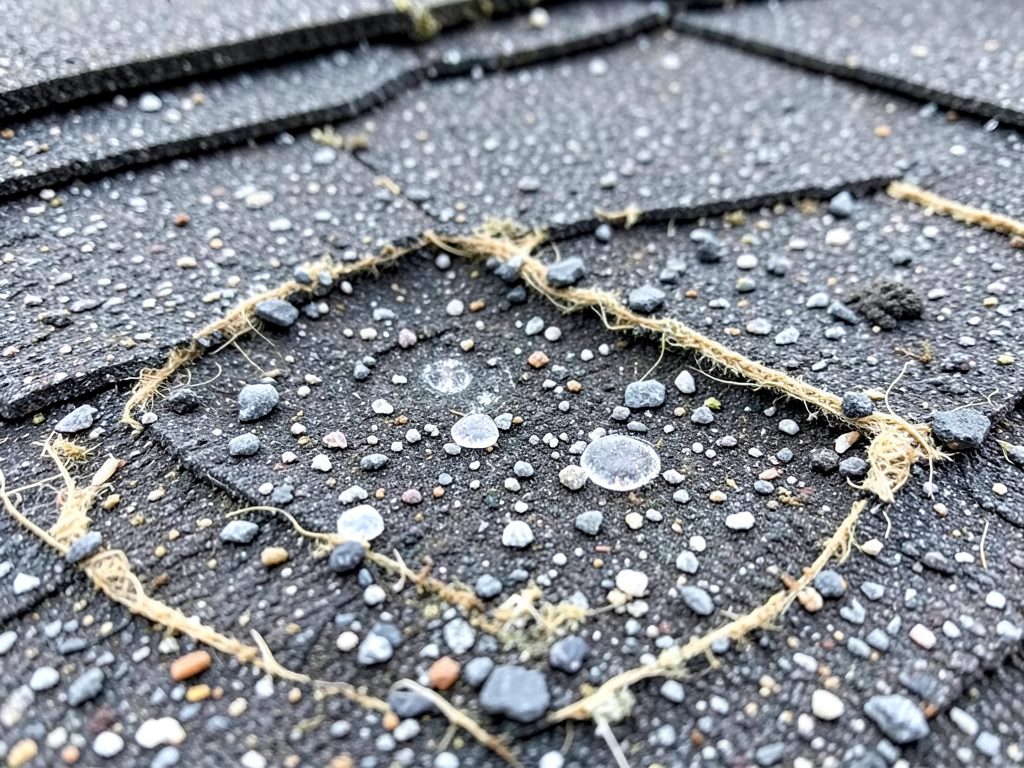
Nashville's weather is a roof's worst enemy. You get scorching summers that bake shingles brittle, severe thunderstorms that rip flashing loose, and freeze-thaw cycles that crack sealant and lift edges. Humidity sits heavy year-round, feeding algae growth and accelerating granule loss on asphalt shingles. The rapid temperature swings between December and March cause expansion and contraction that weakens fasteners and creates gaps.

Most homeowners in East Nashville, Green Hills, and Sylvan Park wait until they see water stains on the ceiling. By then, the damage has spread to the decking and insulation. A residential roof inspection guide keeps you ahead of the problem. You need a roof maintenance checklist that matches the specific stressors your roof faces in Middle Tennessee.

A proper roofing inspection template covers what matters here: storm damage from straight-line winds, hail impact craters on shingles, and algae streaking that signals moisture retention. The roof check sheet you use should account for the architectural styles common to Nashville, from historic bungalows with complex valley systems to newer builds with low-slope sections that trap debris.

You cannot rely on generic checklists from other climates. Nashville roofs fail in predictable patterns. Catching those patterns early means repair instead of replacement. A roof assessment form tailored to local conditions gives you clarity and control before the next severe weather warning hits Davidson County.

Why Nashville Roofs Need Regular Inspection
What a Professional Roof Inspection Covers

What a Professional Roof Inspection Covers

A real roof inspection checklist starts at the drip edge and works systematically across every plane. You need someone who checks starter strips for adhesion failure, examines hip and ridge caps for cracking, and inspects every penetration point like vent pipes, chimneys, and satellite mounts. Those are the failure zones where water infiltration begins.

The inspection moves to flashing. Step flashing along chimneys, counter flashing at walls, and valley flashing where two roof planes meet. These metal components corrode faster in Nashville's humidity. A thorough roof maintenance checklist documents rust spots, missing sealant, and gaps where wind-driven rain can enter.

Shingle condition gets documented by zone. You need to know granule loss percentage, the presence of algae or moss, curling edges, missing tabs, and soft spots that indicate decking rot below. The inspector walks the roof when safe or uses drone imaging for steep pitches. They check attic ventilation because improper airflow cooks shingles from below and creates condensation that rots framing.

The final section of a roofing inspection template covers drainage. Gutters clogged with leaves and sediment cause water to back up under the edge. Downspouts that dump too close to the foundation create settling issues that stress the roof structure. You get a roof assessment form with photos, measurements, and priority rankings. That document becomes your action plan. It separates urgent repairs from routine maintenance and gives you leverage when talking to insurance adjusters after storm damage.

How the Roof Inspection Process Works

Roof Inspection Checklist Nashville – Protect Your Home Before Small Issues Become Expensive Repairs
01

Initial Assessment and Documentation

The inspector arrives with a digital roof check sheet and begins with a ground-level visual scan. They photograph all four elevations, noting visible damage like missing shingles or sagging sections. You discuss any known issues like leaks or ice dam history. They review your roof's age, the last replacement date, and past repair records to establish a baseline before the detailed inspection begins.
02

Detailed Roof Surface Inspection

The inspector accesses the roof safely and works through every section of the roof maintenance checklist. They examine shingle integrity, flashing condition, and fastener security. They test soft spots by feel, measure granule loss, and document storm damage with geo-tagged photos. Vent boots, pipe collars, and chimney cricket joints get checked for cracks. This phase captures the precise condition of every roof component.
03

Report Delivery and Action Plan

You receive a completed roof assessment form with annotated photos, damage severity ratings, and recommended repairs ranked by urgency. The report separates immediate safety concerns from preventive maintenance items. You get a timeline for addressing each issue and documentation suitable for insurance claims if storm damage is present. This becomes your reference tool for planning repairs and budgeting future roof work.

Why Nashville Homeowners Trust Titan Roofing Nashville

You need someone who knows how roofs fail in this climate. Titan Roofing Nashville has inspected thousands of roofs across Davidson, Williamson, and Rutherford counties. We recognize storm damage patterns specific to this region. We know which shingle brands hold up in Nashville heat and which fail early. We understand local building codes and can spot work that does not meet current standards.

Our residential roof inspection guide reflects years of experience with Nashville's architectural variety. We have worked on historic homes in Germantown with original slate, mid-century ranches in Donelson with composition shingles, and new construction in Spring Hill with architectural profiles. Each roof type has unique vulnerabilities. We document them all with the same systematic roof maintenance checklist.

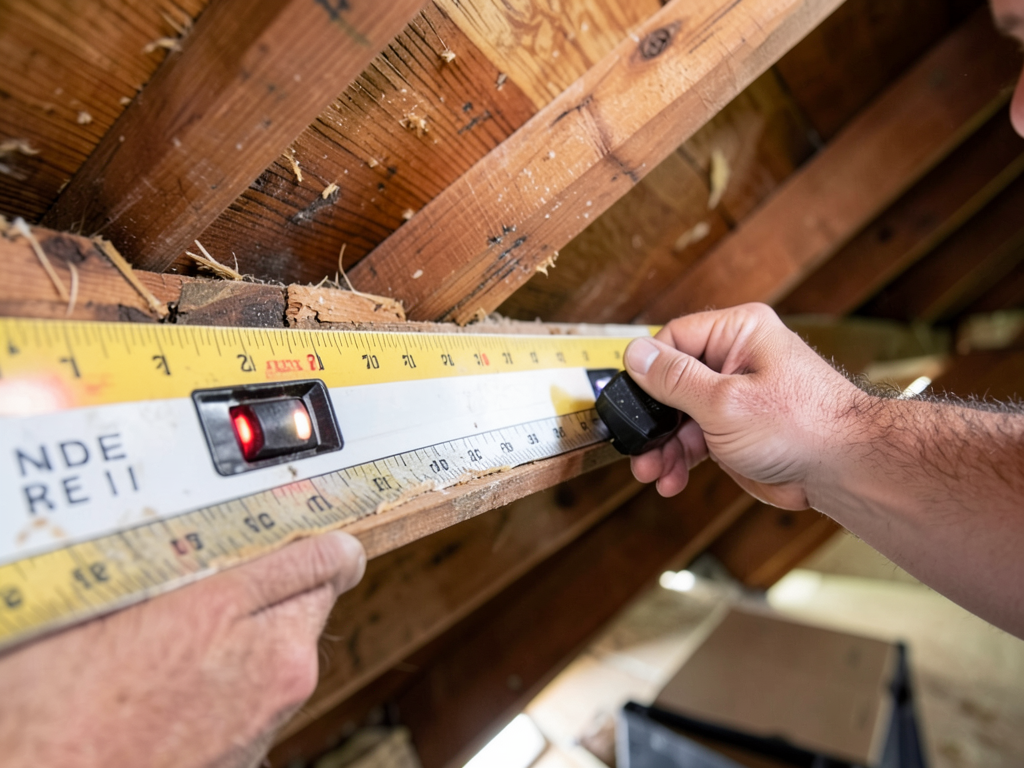
When you call Titan Roofing Nashville, you get an inspector who climbs your roof, not someone who waves a camera from the driveway. We walk every slope when conditions allow. We check attic spaces for ventilation problems and moisture intrusion. We measure decking deflection and look for truss damage invisible from the surface.

Our roof assessment form gives you answers. You know what needs fixing now and what can wait. You understand why certain repairs matter and what happens if you delay them. We do not upsell unnecessary work. We document conditions and let you decide how to proceed. That honesty has built our reputation across the Nashville metro. Homeowners trust our roofing inspection template because it tells the truth about their roof's condition without exaggeration or scare tactics.

What to Expect from Your Roof Inspection

Scheduling and Timing

Most roof inspections take 45 to 90 minutes depending on roof size and complexity. We schedule inspections within three to five days of your call. You do not need to be present during the physical inspection, but we recommend a walkthrough afterward so you understand the findings. Weather delays happen. We will not inspect a wet roof because it creates safety risks and hides damage. We reschedule immediately when conditions improve and keep you updated by text or phone.

The Inspection Process

The inspector uses a standardized roof check sheet that covers structural integrity, surface condition, flashing and penetrations, drainage, and ventilation. They take dozens of photos with notes attached. You get a digital copy of the completed roof maintenance checklist within 24 hours. The report includes close-up images of problem areas, measurements of damaged sections, and explanations written in plain language. You see exactly what the inspector saw. No guessing. No jargon you cannot understand.

The Completed Report

Your roof assessment form breaks damage into three categories: immediate repairs needed to prevent further damage, recommended maintenance to extend roof life, and items to monitor over time. Each item includes a severity rating, estimated scope of work, and potential consequences of delay. The report format works for insurance claims. Adjusters accept our documentation because it follows industry standards. You can use the roof inspection checklist to get repair bids from contractors or plan future replacements with accurate information.

Follow-Up and Maintenance Planning

After you receive the report, we schedule a follow-up call to answer questions and discuss repair priorities. We can provide estimates for any work Titan Roofing Nashville performs, but you are free to use other contractors. We recommend annual inspections after severe weather and every three years for routine maintenance. The roofing inspection template becomes your baseline for tracking roof condition over time. Comparing year-to-year reports shows deterioration trends and helps you time replacement before emergency failure.

Frequently Asked Questions

You Have Questions,
We Have Answers

What to look for on a roof inspection? +

Look for damaged or missing shingles, worn flashing around chimneys and vents, and signs of water intrusion in the attic. Check gutters for granule buildup, which signals shingle deterioration. In Nashville, inspect for storm damage from hail or high winds, and look for moss or algae growth caused by humidity. Examine sagging areas, cracked caulking, and deteriorated boots around vent pipes. Inspect the soffit and fascia for rot or pest damage. Check for proper ventilation to prevent moisture buildup. Document any issues with photos for insurance claims or contractor estimates.

What are the 4 types of inspections? +

The four main types are visual inspections, infrared inspections, drone inspections, and physical inspections. Visual inspections involve walking the roof to check for visible damage. Infrared inspections use thermal imaging to detect hidden moisture or insulation problems. Drone inspections capture high-resolution images of hard-to-reach areas without climbing. Physical inspections include hands-on testing of materials and penetration points. In Nashville, drone inspections help assess storm damage after severe weather events without safety risks. Each type serves different purposes depending on roof age, accessibility, and suspected problems.

What are the red flags for roofing contractors? +

Watch for contractors who demand full payment upfront or push you to sign immediately. Avoid those who offer door-to-door services after storms without verifiable credentials. Red flags include no physical address, missing license information, or pressure to file inflated insurance claims. Be cautious of lowball bids that seem too good compared to other estimates. Steer clear of contractors who refuse written contracts or warranties. In Nashville, verify they carry workers' compensation insurance and check references from recent local projects. Legitimate contractors provide detailed written estimates and never rush your decision.

What are 5 very important things that are inspected in a home inspection? +

Home inspectors focus on the roof condition, foundation integrity, electrical systems, plumbing, and HVAC function. The roof is checked for leaks, damage, and remaining lifespan. Foundation walls are examined for cracks or settling. Electrical panels are inspected for safety hazards and code compliance. Plumbing is tested for leaks and proper drainage. HVAC systems are evaluated for operation and maintenance needs. In Nashville, inspectors pay close attention to moisture issues from humidity, foundation movement in clay soil, and roof damage from storms. These five areas reveal the most expensive potential repairs.

What is the biggest red flag in a home inspection? +

Foundation problems represent the biggest red flag because repairs can cost tens of thousands of dollars. Cracks, bowing walls, or uneven settling indicate serious structural issues. Water intrusion in basements or crawl spaces signals drainage problems. In Nashville, clay soil expands and contracts with moisture changes, causing foundation movement. Other major red flags include active roof leaks, outdated electrical panels, failed HVAC systems, and mold growth. Foundation issues affect the entire structure and often worsen over time. They can make properties difficult to insure or finance, making them deal-breakers for buyers.

How long does a roof inspection usually take? +

A thorough roof inspection takes 45 minutes to two hours depending on roof size, pitch, and complexity. Simple ranch homes with easy access take less time than multi-story homes with steep pitches or multiple valleys. Inspectors spend time examining shingles, flashing, vents, and gutters. They also check attic spaces for leaks or ventilation problems. In Nashville, inspectors may spend extra time documenting storm damage for insurance purposes. Larger commercial buildings require several hours. Rush inspections that take 15 minutes miss critical details. Quality inspectors take the time needed to identify all issues.

What are the 7 steps of the inspection process? +

Start with a visual ground-level assessment to spot obvious damage. Next, climb onto the roof to inspect shingles, flashing, and penetrations up close. Third, examine the attic for leaks, moisture stains, and proper ventilation. Fourth, check gutters and downspouts for granule accumulation and drainage. Fifth, inspect chimneys, vents, and skylights for proper sealing. Sixth, test flashing around all roof penetrations. Seventh, document findings with photos and measurements. In Nashville, include storm damage assessment after severe weather. This systematic approach ensures nothing gets missed and provides a complete roof condition report.

What is an inspection checklist? +

An inspection checklist is a structured document that lists every component to examine during a roof assessment. It ensures consistency and prevents inspectors from overlooking critical areas. Checklists include items like shingle condition, flashing integrity, ventilation adequacy, and gutter function. They provide a standardized method to document findings and track roof condition over time. In Nashville, checklists should include storm damage categories and moisture-related issues common to the region. Homeowners can use simplified checklists for basic maintenance checks between professional inspections. Detailed checklists help communicate findings to insurance adjusters or contractors.

What is a 7 point inspection? +

A seven-point inspection typically refers to a multi-trade property assessment covering roof, foundation, electrical, plumbing, HVAC, windows, and structural components. Some roofing companies use seven-point checklists specific to roofs, examining shingles, flashing, gutters, ventilation, valleys, ridge caps, and penetrations. The term varies by industry and company. In Nashville, seven-point roof inspections help identify storm damage and age-related wear. These focused assessments provide homeowners with a clear picture of roof health without the cost of a full home inspection. Ask contractors what their seven points include before scheduling.

How to tell if a roofer is lying? +

A roofer may be lying if their assessment drastically differs from other estimates without clear explanation. Be suspicious if they claim you need a full replacement when others suggest repairs. Watch for scare tactics about immediate danger without evidence. Verify storm damage claims with your own photos and a second opinion. In Nashville, some contractors exaggerate hail damage to justify insurance claims. Check if they can show you the specific problems they describe. Legitimate roofers provide detailed explanations, photos, and written documentation. Trust contractors who educate rather than pressure you into quick decisions.

How Nashville's Severe Weather Demands Better Roof Inspection Standards

Nashville sits in a severe weather corridor. You get straight-line winds above 60 mph several times per year, hail storms that crater shingles in minutes, and tornado warnings that send debris flying across neighborhoods. The April storms and December ice events create inspection surges when everyone realizes their roof took damage. A residential roof inspection guide completed before storm season gives you documentation for insurance claims and identifies weak points that fail first during high winds. Waiting until you see a leak means you missed earlier warning signs like lifted shingles, cracked flashing, or loose fasteners that storm winds exploit.

Titan Roofing Nashville operates under Tennessee building codes and understands Davidson County permit requirements for roof work. Our inspectors recognize the difference between normal wear and storm damage, which matters when filing insurance claims. We have worked with every major carrier operating in Middle Tennessee. Our roof assessment form format meets adjuster expectations. Local expertise matters because roof failure patterns here differ from other regions. We know what Nashville roofs face and how they respond. That knowledge makes our roof maintenance checklist more accurate and useful than generic templates from national companies unfamiliar with this market.
Roofing Services in The Nashville Area

Titan Roofing Nashville is proud to serve the entire Nashville area, including surrounding communities. View our location on the map to see where our trusted services are available. We are dedicated to providing prompt, localized roofing solutions, so reach out today to confirm service in your specific neighborhood or to schedule an on-site consultation at your convenience.

Address:
Titan Roofing Nashville, 720 Music Cir E, Nashville, TN, 37203

Additional Services We Offer

Our news updates

Latest Articles & News from The Blogs

Why Your 100-Year-Old East Nashville Home Might Need Structural Reinforcement Before a New Roof Your 1920s Craftsman in East Nashville…

Why Your 100-Year-Old East Nashville Home Might Need Structural Reinforcement Before a New Roof

Why Your 100-Year-Old East Nashville Home Might Need Structural Reinforcement Before a New Roof Your 1920s Craftsman in East Nashville…

Understanding the Tear-Off Process and What Happens to Your Property During a Roof Replacement

Understanding the Tear-Off Process and What Happens to Your Property During a Roof Replacement Replacing a roof in Nashville involves…

What to Do When Your Insurance Company Denies Your Nashville Hail Damage Claim

What to Do When Your Insurance Company Denies Your Nashville Hail Damage Claim Your roof insurance claim was denied. You…

Contact Us

Do not wait for water stains to appear. Call Titan Roofing Nashville at (615) 640-4994 to schedule your roof inspection. Get the roof assessment form you need to make informed repair decisions and protect your home.