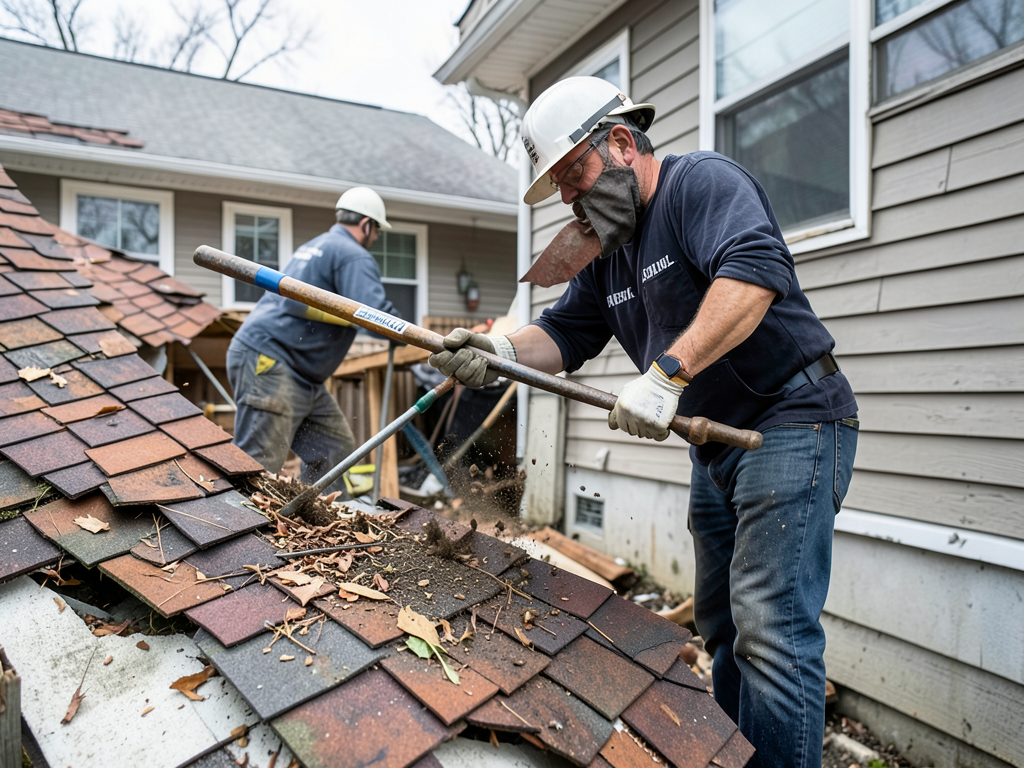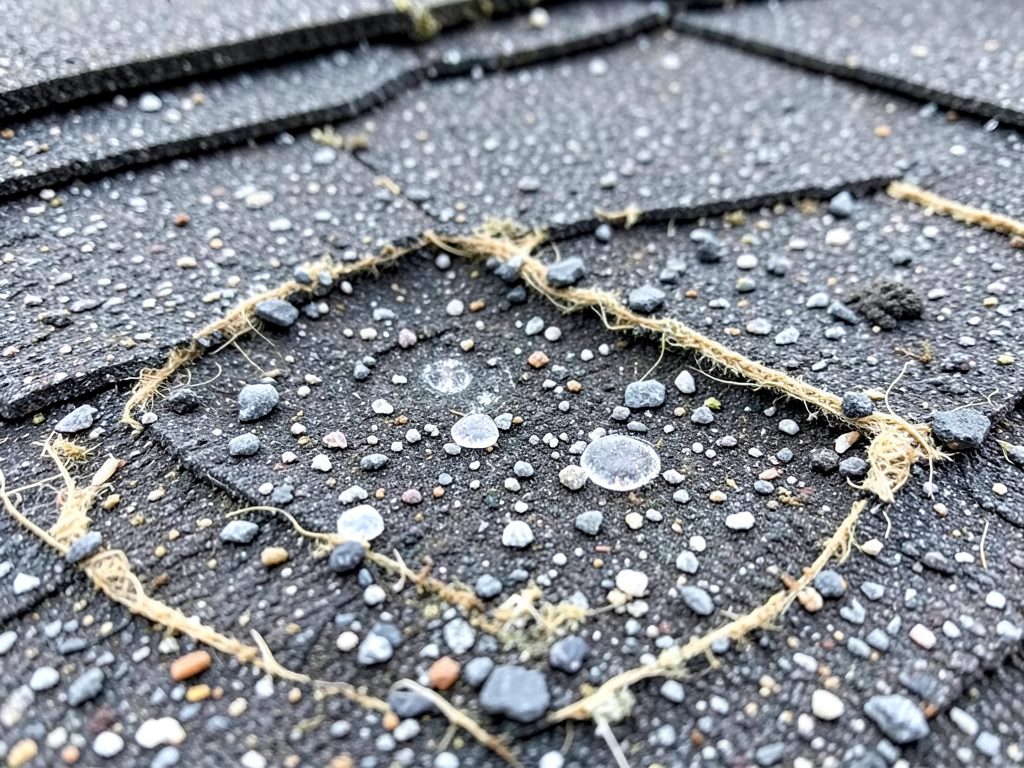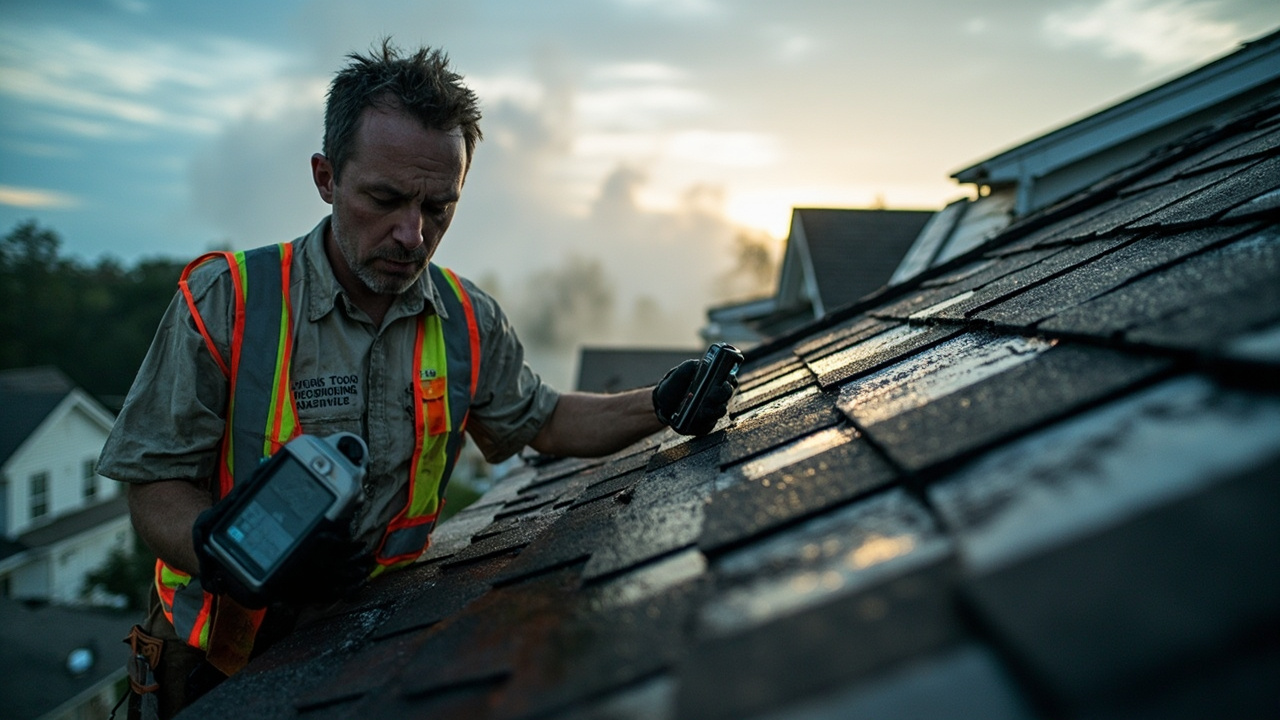

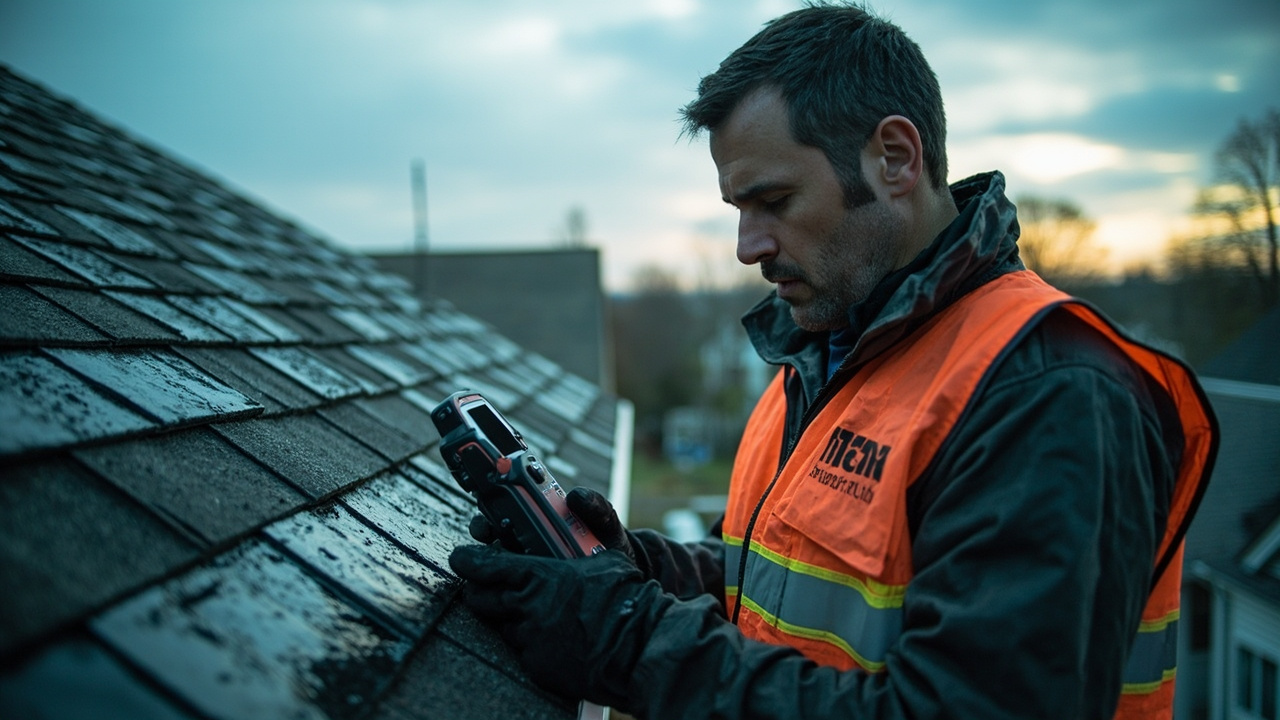
Nashville receives 47 inches of annual rainfall, much of it arriving in intense thunderstorm cells from March through May and again in November. These downpours overwhelm marginal flashing details that survive light rain. Wind-driven rain pushes water under shingle edges and through gaps in counterflashing. Our location along the Cumberland River adds humidity that slows attic drying, allowing small leaks to saturate insulation before you see ceiling stains. Same day roof leak detection matters because hidden moisture causes progressive damage between storms. Thermal imaging reveals these concealed wet zones before they rot sheathing or grow mold colonies.
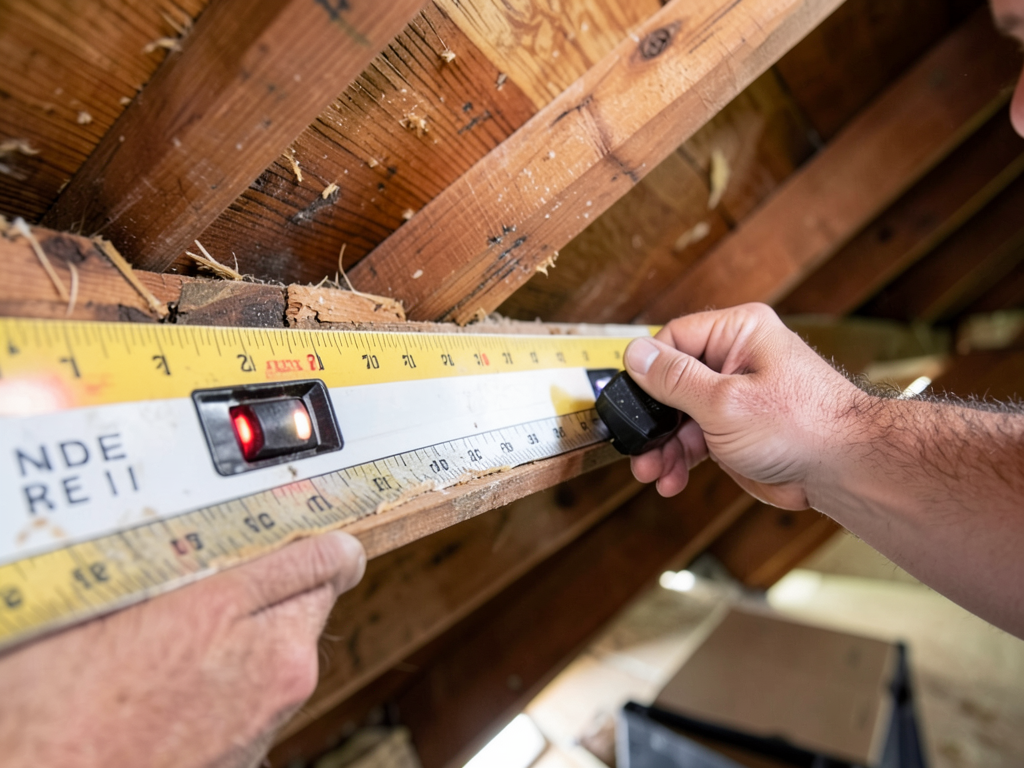
Middle Tennessee building codes require ice and water barrier in valleys and at eaves, but older homes predate these requirements. Many properties in East Nashville, Germantown, and 12 South were built between 1920 and 1960, before synthetic underlayment and improved flashing materials became standard. We understand these older roof assemblies and where they fail first. Our 24/7 roof leak diagnosis accounts for construction methods common to specific Nashville neighborhoods, from balloon framing in Eastwood to post-war rafter-and-joist systems in Donelson. This local knowledge separates accurate leak tracing from trial-and-error repairs that waste your money and leave damage unresolved.