


Gallatin sits in the heart of Middle Tennessee's severe weather corridor, where your roof takes a beating year after year. Spring brings violent thunderstorms with golf ball sized hail that cracks shingles and damages flashing. Summer heat and humidity create extreme thermal expansion that loosens fasteners and accelerates wear. Fall winds tear at aging materials, while winter freeze thaw cycles crack compromised areas and create ice dam problems along eaves.
The region's clay rich soil also creates foundation settling that affects roof structure over time. Homes near Old Hickory Lake face additional moisture challenges, while properties in historic downtown Gallatin often have older roof systems that require specialized repair approaches. The combination of severe weather patterns and Tennessee's humid subtropical climate means roofs here age faster than in many parts of the country.
Local building codes require proper ventilation and moisture barriers to combat humidity problems, but older homes may lack these protections. When storms roll through from the northwest across the Cumberland River valley, they pick up speed and intensity, hitting Gallatin neighborhoods with particular force. Understanding these local conditions makes the difference between a repair that lasts and one that fails within months.
Titan Roofing Nashville has built its reputation by showing up when it matters and delivering work that holds up against whatever Middle Tennessee weather throws at it. We understand that a roofing emergency creates real stress. Water pouring through your ceiling or wind damage exposing your home to the elements demands immediate action, not next week appointments or vague promises.
Our team knows Gallatin roofing inside and out because we work here every day. We understand which materials perform best in this climate, how to navigate Sumner County permit requirements, and what insurance companies need to process storm damage claims efficiently. When you call our emergency line, you reach a real person who can dispatch a crew to assess damage and implement emergency protection measures, often within hours.
What sets us apart is our commitment to doing the complete job correctly. We do not slap patches over problems and hope they hold. Our roof inspections identify underlying issues that caused the visible damage. We document everything for insurance purposes with detailed photos and measurements. Our repairs integrate seamlessly with your existing roof system, matching materials and following manufacturer specifications to maintain warranty coverage.
We have relationships with local suppliers that let us get quality materials fast, even during busy storm seasons when everyone else is scrambling. Our crews understand Tennessee building codes and know how inspectors in this area evaluate work. We handle permits, coordinate with adjusters, and keep you informed at every step. When we finish a repair, you get documentation showing exactly what we did and why, along with guidance on maintaining your roof between inspections.

Roof emergencies do not wait for business hours. Our 24/7 response team can secure your property quickly when storms strike, preventing secondary water damage that costs thousands to repair. We arrive equipped with tarps, temporary patching materials, and the expertise to stabilize damage until permanent repairs can be completed. Fast action saves money and stress.

Navigating insurance claims after storm damage frustrates homeowners who do not speak the language adjusters use. We document damage thoroughly with photos, measurements, and detailed reports that insurance companies accept. Our team can meet with your adjuster, explain what repairs are needed, and ensure your claim covers all necessary work, not just visible damage.
Proper repairs follow manufacturer specifications to maintain your roof warranty and ensure long term performance. Our crews train on correct installation techniques for every major roofing system. We use approved materials, follow fastener patterns, and implement proper flashing details that prevent future leaks. Shortcuts void warranties and create callbacks. We do it right the first time.
Working exclusively in Middle Tennessee means we understand local building codes, know which permit processes apply to different repairs, and maintain relationships with inspectors who evaluate our work. We stock materials that perform well in this climate and understand architectural styles common to Gallatin neighborhoods. Local expertise translates to faster service and better results.
Titan Roofing Nashville handles the full spectrum of roofing needs in Gallatin, from emergency storm repairs to planned replacements and routine maintenance. Every roof situation demands a different approach. Hail damage requires careful inspection to identify compromised shingles before leaks develop. Wind damage needs immediate securing to prevent further deterioration. Chronic leaks require investigation to find the true source, which often hides far from visible water stains.
We organize our services around the actual problems homeowners face. Emergency repairs stop active damage and protect your property until permanent solutions can be implemented. Restoration work addresses storm damage comprehensively, coordinating with insurance to rebuild your roof correctly. Preventive services catch small issues before they become expensive emergencies. This structure ensures you get the right solution for your specific situation, not a one size fits all approach that may not address underlying problems.
Our roof repair specialists evaluate damage based on factors including roof age, material condition, extent of damage, and your long term plans for the property. Sometimes targeted patching makes sense. Other situations call for section replacement or complete roof restoration. We explain your options honestly, including what insurance typically covers and what upgrades might benefit you. The goal is protecting your investment with solutions that make sense for your situation and budget.
When severe weather damages your roof, minutes matter. Our emergency team secures your property fast with professional tarping, temporary patching, and water mitigation to prevent secondary damage to ceilings, insulation, and belongings. We arrive equipped to handle common storm damage scenarios and stabilize your roof until permanent repairs can be scheduled. Emergency service includes damage documentation for insurance purposes and a clear plan for restoration. Available 24/7 when you need us most.
Hail and wind damage often affects larger roof areas than homeowners realize. Our restoration process begins with comprehensive inspection to identify all compromised materials, not just obvious damage. We document everything for insurance claims, coordinate with adjusters, and execute repairs that restore your roof to pre storm condition. This includes matching existing materials, replacing damaged flashing and ventilation components, and ensuring proper integration with undamaged sections. Complete restoration protects your home and maintains property value.
Water stains on ceilings rarely appear directly below the actual roof leak. Water travels along rafters and sheathing before dripping into living spaces, making leak detection challenging for untrained eyes. Our diagnostic process traces water back to its entry point, identifying failed flashing, damaged shingles, or compromised penetrations. We fix the actual problem, not just visible symptoms. Leak repair includes addressing any secondary damage to decking or structure and ensuring proper water shedding to prevent recurrence.
Middle Tennessee weather creates specific patterns of roof damage that Gallatin homeowners encounter repeatedly. Understanding these common problems helps you recognize when your roof needs professional attention before minor issues become major expenses. Many homeowners miss early warning signs until water appears inside, by which time damage has spread to sheathing, insulation, and framing.
Spring storms bring the most dramatic damage with high winds and large hail, but chronic problems develop more gradually from Tennessee's humidity and temperature swings. Attic ventilation issues trap moisture that rots decking from underneath. Poor installation on older roofs creates vulnerable spots where wind lifts shingles. Thermal cycling loosens fasteners over years of expansion and contraction. Properties near Old Hickory Lake face additional moisture exposure that accelerates material degradation.
The clay soil common throughout Sumner County causes subtle foundation movement that stresses roof structures over time. Homes in established neighborhoods like Dobbins Pike or Lock Four Road may have outdated roof systems installed before modern ventilation requirements. New construction in growing areas east of town sometimes suffers from rushed installation that creates premature failures. Recognizing these area specific challenges helps homeowners protect their investment with proactive maintenance and timely repairs.
Golf ball sized hail common in Gallatin thunderstorms cracks shingle granules and creates fractures that may not leak immediately but compromise weatherproofing. Over months, these damaged areas allow water penetration that rots decking. Insurance claims require documentation within specific timeframes, making prompt professional inspection after storms important. Hail damage often affects entire roof surfaces, not just obvious impact points visible from ground level.
High winds during severe weather lift shingle tabs, breaking sealant bonds and bending tabs that then crack when temperature drops. Lifted shingles expose underlayment to direct weather, creating immediate leak risk. Wind damage concentrates on roof edges, ridges, and corners where uplift forces are strongest. Properties on exposed hilltops or open areas face greater wind vulnerability than sheltered locations, requiring more frequent inspection after storms.
Flashing around chimneys, vents, and valleys fails from thermal movement and Tennessee's freeze thaw cycles. Sealants dry out and crack, metal corrodes, and step flashing separates from masonry. These vulnerable transition areas are where most chronic leaks originate. Proper flashing repair requires removing surrounding shingles, installing new counter flashing integrated with existing materials, and sealing joints with appropriate products for Middle Tennessee climate conditions.
Inadequate attic ventilation traps humid air that condenses on cold sheathing during winter, rotting decking from inside. Tennessee's humid climate makes proper ventilation critical for roof longevity. Homes with finished attics or older construction may lack sufficient intake and exhaust venting. Moisture problems show as dark staining on sheathing, mold growth, or premature shingle deterioration. Solving ventilation issues during repairs prevents recurring damage and extends roof life significantly.
Roofing projects create stress. Someone working on your roof means noise, disruption, and worry about quality and cost. Titan Roofing Nashville reduces that stress with clear communication, transparent processes, and respect for your property. From initial contact through final inspection, you know what is happening, why it matters, and what comes next.
We answer phones with real people, not voicemail systems. When you call about roof damage, we gather information to assess urgency and schedule inspection quickly. Emergency situations get immediate response. Non emergency inspections happen within days, not weeks. During inspection, our team examines your entire roof system, not just the obvious problem area, because underlying issues often hide near visible damage.
You receive detailed documentation including photos, measurements, and clear explanation of what repairs are needed and why. If insurance is involved, we provide everything adjusters require and can meet with them to explain damage. Our estimates break down costs clearly with no hidden fees. Once approved, we schedule work promptly and complete repairs efficiently while protecting your property from construction debris. Communication continues throughout the project, and we address concerns immediately rather than leaving you wondering what is happening.
Some contractors push complete replacement when targeted repairs would solve the problem. Others minimize damage to get quick approval, then discover "additional issues" mid project. We evaluate your roof honestly based on age, condition, extent of damage, and realistic lifespan. If repairs make sense, we explain what that involves and how long results should last. If replacement is the better value, we show you why. You get truthful assessment focused on your best interest, not maximizing project size or minimizing effort.
Waiting for repairs while tarps cover your roof or leaks threaten your home creates anxiety. We provide realistic timelines based on current workload, weather windows, and material availability. Emergency repairs happen fast. Larger projects get scheduled promptly with specific start dates we commit to meeting. If weather delays work, we communicate immediately and reschedule. You are never left wondering when crews will arrive or how long work will take. Reliable scheduling shows respect for your time and peace of mind.
When repairs are complete, you receive documentation showing exactly what we did, materials used, and warranty information. Photos document work quality and proper installation methods. If insurance covered repairs, you get copies of everything submitted to your carrier. We explain maintenance steps that protect your investment and extend roof life. Our workmanship warranty covers installation quality, and manufacturer warranties on materials remain valid because we follow approved methods. Complete documentation protects you if questions arise later.
Roof repairs should not be complicated or mysterious. Our process follows logical steps that ensure quality results while keeping you informed and in control of decisions.
We examine your entire roof system, not just obvious damage, using proven inspection methods to identify all issues. Photos document conditions from multiple angles. We check shingles, flashing, ventilation, gutters, and underlying structure where accessible. You receive clear explanation of findings including what needs immediate repair, what should be monitored, and what can wait. If insurance will cover damage, we document everything adjusters need to process your claim efficiently.
Our crews arrive on schedule with materials selected for your specific roof system and Tennessee climate. We protect landscaping and property with drop cloths and careful material handling. Repairs follow manufacturer specifications to maintain warranties. We match existing materials and integrate new work seamlessly with surrounding areas. Each repair gets quality verification before crews leave. Debris is removed completely, not left scattered across your property. The job is not done until your roof is watertight and your yard is clean.
We walk you through completed repairs, explaining what we did and showing quality details. You receive photos of finished work, documentation of materials used, and warranty information. We provide guidance on maintenance steps and signs to watch for that might indicate future issues. If follow up inspection is needed after insurance processing or material settling, we schedule that before leaving. You have direct contact information if questions arise later. Complete documentation protects your investment and provides peace of mind.
Quality roofing work in Tennessee requires understanding both International Residential Code requirements adopted by Sumner County and manufacturer specifications for materials used in humid subtropical climates. The IRC mandates specific ventilation ratios, underlayment types, and fastener schedules that vary based on roof slope and wind exposure. Gallatin falls in IRC Wind Zone 2, requiring enhanced fastening in high wind areas and specific edge securement methods.
Tennessee's climate creates unique challenges for roofing materials. Asphalt shingles must meet ASTM D3462 standards with adequate thermal stability for summer temperatures that can reach 140 degrees on dark roofs. Underlayment selection matters because standard felt paper degrades faster in humidity than synthetic alternatives rated for extended exposure. Ventilation calculations must account for moisture loads from humid air, requiring proper intake to exhaust ratios that many older homes lack.
Proper roof repair integration requires matching existing materials while upgrading vulnerable details to current standards. Flashing installations must follow SMACNA or NRCA guidelines, using appropriate metals for Middle Tennessee's climate. Copper and coated steel outperform aluminum in corrosion resistance. Step flashing around chimneys requires two inch headlap and integration with counter flashing embedded in mortar joints, not surface applied with sealant alone.
Ice and water shield application along eaves protects against ice dam damage during Tennessee's periodic ice storms. Code requires coverage extending 24 inches inside exterior walls, but best practice extends protection up valleys and around all penetrations. Valley installations must use either closed cut or California style methods with proper underlayment overlap, not the shortcut woven method that fails prematurely. These technical details separate repairs that last from those that fail within years.
Shingle manufacturers specify exact fastener placement typically one inch below adhesive strip with specific edge distances. Wind Zone 2 requirements increase fastener quantity to six per shingle in high wind areas. Overdriven fasteners tear shingle material while underdriven fasteners allow wind lifting. Proper pneumatic nailer adjustment and crew training ensure consistent installation. Fastener placement affects warranty coverage and wind resistance ratings that determine storm performance.
Repair costs reflect damage extent, material quality, accessibility, and complexity of proper integration. Small isolated repairs cost less per square foot than multiple scattered damage areas requiring careful matching. Steep slopes, multiple stories, and complex architecture increase labor requirements. Quality materials cost more but last longer in Tennessee climate. Insurance typically covers storm damage but may depreciate based on roof age. Full replacement cost coverage depends on policy terms and maintenance history.
Emergency tarping happens within hours. Permanent repairs require dry conditions for proper adhesive activation and sealant curing. Small repairs take hours while larger restoration projects span days. Material ordering, permit processing, and insurance coordination add time before work begins. Spring storm seasons create backlogs when everyone needs service simultaneously. Weather delays are common in Tennessee where afternoon thunderstorms interrupt work. Quality contractors won't rush installations in marginal conditions that compromise performance.
Sumner County requires permits for roof replacement but may exempt minor repairs depending on scope. Permitted work receives inspection to verify code compliance. Unpermitted work can complicate insurance claims and home sales. Building officials verify proper ventilation, flashing details, and fastener schedules. Historical properties may face additional requirements. Working with contractors familiar with local permit processes ensures compliance and protects property value. Permit costs are minor compared to problems caused by unpermitted work.
Titan Roofing Nashville serves homeowners throughout Gallatin and the greater Sumner County area with the same commitment to quality and responsiveness. Our service area includes established neighborhoods along Dobbins Pike where mature trees create shade but also drop debris that clogs gutters and damages shingles. We work extensively in the historic downtown Gallatin district where older homes often need specialized repair approaches that respect architectural character while upgrading protection.
Properties near Old Hickory Lake face unique moisture exposure from proximity to water and the humid microclimate around the lake basin. These homes benefit from enhanced ventilation and moisture resistant materials that prevent premature deterioration. New developments east of town along Highway 109 and in the Station Camp Creek area feature modern construction but sometimes suffer from rushed installation during building booms. We help these homeowners address premature failures and ensure repairs meet manufacturer specifications.
The communities around Lock Four Road and the Cumberland River corridor experience some of the area's most intense weather exposure when storms track across open water. Wind speeds increase and hail intensity concentrates in these areas, creating higher damage frequency. Homes on the north side near Bledsoe Creek State Park and Portland face weather patterns coming down from Kentucky that bring different storm characteristics than southern approaches.
Castalian Springs and the rural areas toward Westmoreland require contractors willing to travel for service. We maintain the same response standards and quality commitments regardless of location. Whether your home sits in a newer subdivision off Long Hollow Pike or on acreage in the countryside, you get the same thorough inspection, quality materials, and skilled installation that has built our reputation throughout Middle Tennessee.
We understand how Gallatin's position in the Nashville metro area creates specific challenges. You need contractors who respond quickly without the long delays common with companies stretched thin across multiple counties. Our focused service area lets us provide faster response times and better availability than regional companies trying to cover territory from Nashville to Bowling Green. Local expertise matters when weather patterns, building practices, and material performance vary by location.
Titan Roofing Nashville is proud to serve the entire Nashville area, including surrounding communities. View our location on the map to see where our trusted services are available. We are dedicated to providing prompt, localized roofing solutions, so reach out today to confirm service in your specific neighborhood or to schedule an on-site consultation at your convenience.
Address:
Gallatin, TN, 37066
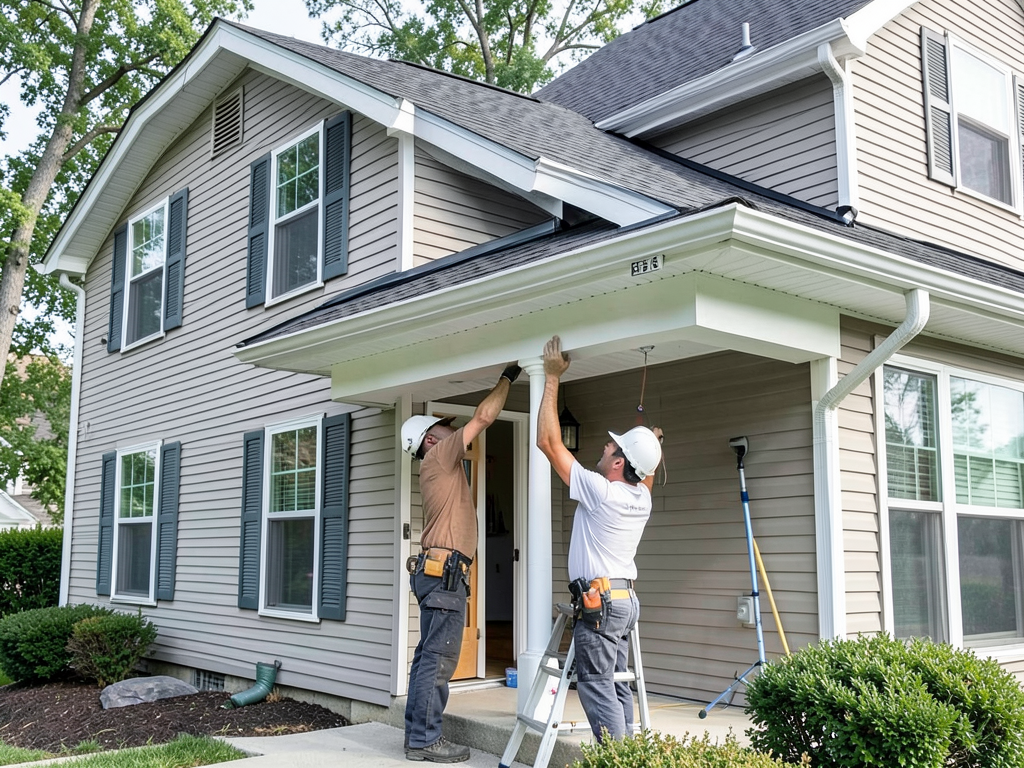
Comparing 5-Inch and 6-Inch Gutters for Heavy Rainfall in Crieve Hall Nashville's annual rainfall averages 47 inches, with spring thunderstorms dumping several inches in hours. That water volume determines whether your home stays dry or…
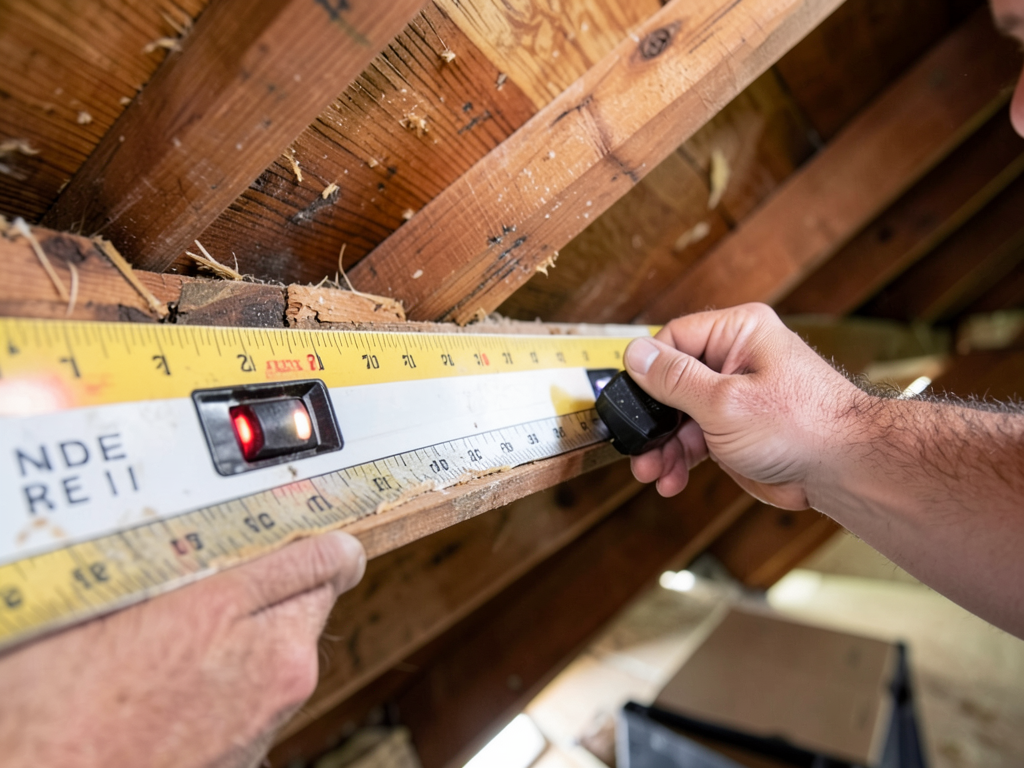
Why Your 100-Year-Old East Nashville Home Might Need Structural Reinforcement Before a New Roof Your…
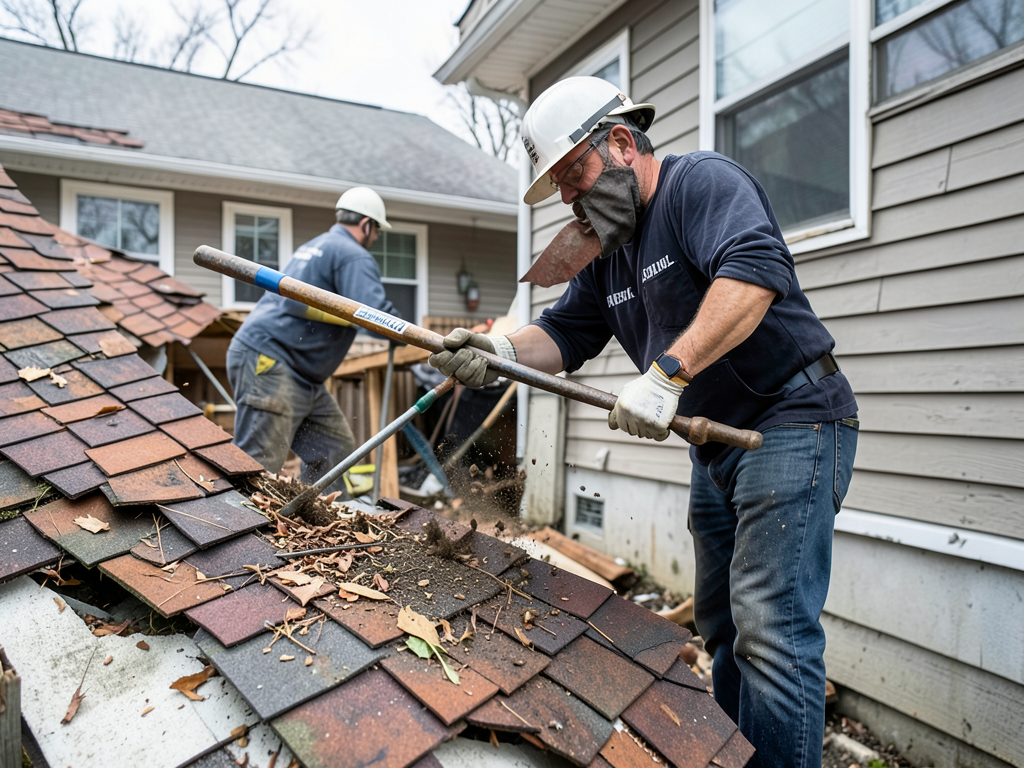
Understanding the Tear-Off Process and What Happens to Your Property During a Roof Replacement Replacing…
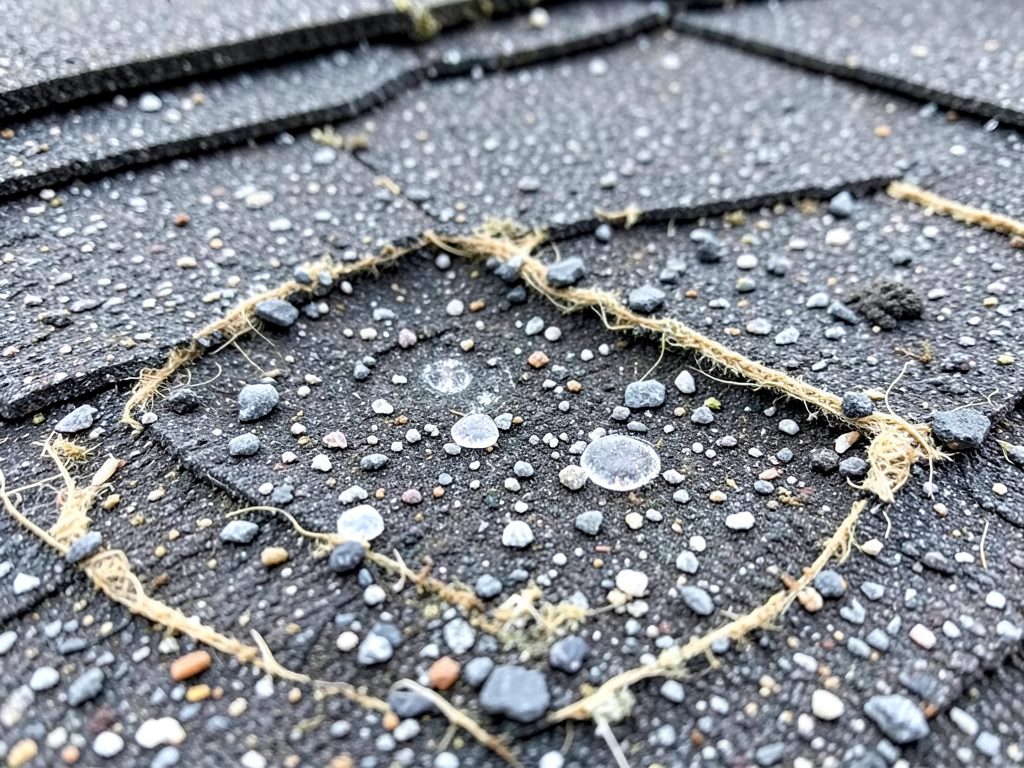
What to Do When Your Insurance Company Denies Your Nashville Hail Damage Claim Your roof…
Do not wait for small problems to become expensive emergencies. Call Titan Roofing Nashville at (615) 640-4994 right now for fast inspection and reliable repairs. Our team is ready to protect your Gallatin home with quality workmanship that lasts.