
Essential Steps to Winterize Your Roof Before the First Nashville Freeze
Nashville’s winter freeze-thaw cycles can wreak havoc on your roof if you’re not prepared. The combination of ice accumulation and sudden temperature swings creates perfect conditions for ice dams, cracked shingles, and water infiltration. Before the first freeze hits Middle Tennessee, you need to take specific steps to protect your home.. Read more about Hidden Signs of Roof Water Damage That Melrose Homeowners Often Miss.
Middle Tennessee experiences rapid temperature fluctuations during winter months, with daytime highs often dropping 30-40 degrees overnight. This thermal cycling causes materials to expand and contract repeatedly, stressing every component of your roofing system. The freeze-thaw effect is particularly brutal on asphalt shingles, flashing joints, and gutter connections. Roofing La Vergne.
The good news is that most winter roof damage is preventable with proper preparation. A comprehensive winterization process takes just a few hours but can save you thousands in emergency repairs. You’ll need to address five critical areas: gutter clearing, flashing inspection, attic ventilation, tree trimming, and professional assessment.. Read more about Are Gutter Guards Actually Worth the Investment for Your Wooded Property?.
Let’s walk through each step so you can protect your home before Nashville’s winter weather arrives.. Read more about Why Rare Nashville Ice Storms Can Cause Serious Leaks Even on Newer Roofs.
Why Nashville Winters Demand Specific Roof Prep
Nashville’s climate creates unique challenges for roofing systems. The city sits in a transition zone where cold Canadian air masses collide with warm Gulf moisture, creating unpredictable winter weather patterns. This combination produces ice storms that coat everything in a quarter-inch of ice, followed by rapid warming that causes immediate melting and refreezing. Roofing Columbia.
The freeze-thaw cycle is particularly damaging because water expands approximately 9% when it freezes. When water seeps into tiny cracks in your roofing materials and freezes overnight, it forces those cracks wider. This process repeats daily during winter months, gradually destroying your roof’s integrity.
According to the National Weather Service, Nashville averages 3-4 significant ice events each winter, with the heaviest accumulation typically occurring in January and February. The 2021 winter storm that paralyzed Texas also impacted Middle Tennessee, causing widespread roof collapses due to ice weight and subsequent thawing. National Weather Service winter storm safety.
Ice dams form when heat escaping from your attic melts snow on the roof surface. The meltwater runs down to the colder eaves and refreezes, creating a dam that traps additional water. This backed-up water can seep under shingles and into your home, causing ceiling stains, wall damage, and mold growth.
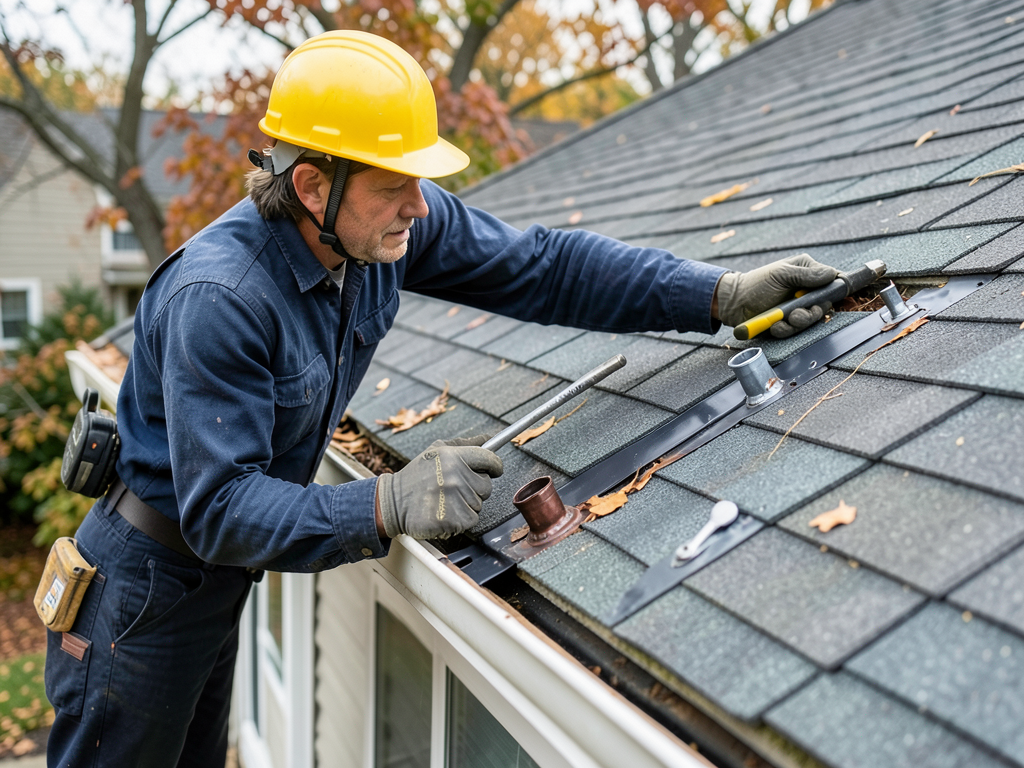
Proper winterization addresses these specific Nashville challenges by ensuring your roof can handle ice accumulation, rapid temperature changes, and the heavy moisture loads common during Middle Tennessee winters. Solving Common Flat Roof Leaks for Downtown Nashville Condos.
The 5-Point Nashville Winterization Checklist
Following this systematic approach will protect your roof from the most common winter damage patterns in Middle Tennessee. Each step builds on the previous one to create comprehensive protection.
1. Gutter Clearing and Downspout Alignment
Clogged gutters are the primary cause of ice dam formation and roof edge damage during Nashville winters. When gutters fill with leaves, pine needles, and debris, they cannot properly channel water away from your roof. Standing water in clogged gutters freezes solid, creating heavy ice blocks that can pull gutters away from your fascia boards.
Start by removing all visible debris from your gutters using a small garden trowel or gloved hands. Pay special attention to downspout outlets where leaves tend to accumulate. After clearing debris, flush each gutter section with a garden hose to ensure proper water flow. Look for areas where water pools or drains slowly, as these indicate low spots that need adjustment.
Check that all downspouts extend at least 3-4 feet away from your foundation. Water dumping directly at your foundation wall can freeze and create ice lenses that damage both your foundation and roof edge. Add downspout extensions if needed to direct water to appropriate drainage areas.
Inspect gutter hangers and brackets for signs of rust or deterioration. Loose gutters cannot support the weight of ice accumulation and will fail during the first major winter storm. Tighten all fasteners and replace any damaged hardware.
2. Inspection of Flashing and Pipe Boots
Flashing creates waterproof barriers at roof penetrations and transitions. In Nashville’s climate, flashing failures are responsible for approximately 40% of winter roof leaks. The constant expansion and contraction of materials causes flashing seals to break down over time.
Examine all roof penetrations including chimneys, vent pipes, skylights, and wall intersections. Look for cracked caulk, rusted metal, or separated seams. Pay special attention to areas where different roofing materials meet, such as where a dormer wall meets the main roof surface.
Pipe boots, the rubber seals around plumbing vent pipes, deteriorate faster than other flashing components due to constant exposure to UV radiation and temperature extremes. Check for cracks, splits, or areas where the rubber has pulled away from the pipe. Even small gaps allow water infiltration that becomes catastrophic when frozen.
Replace any damaged flashing or pipe boots immediately. The cost of materials and basic installation is minimal compared to the expense of repairing water damage inside your home. Use roofing-grade sealant that remains flexible in cold temperatures.
3. Attic Ventilation and Insulation Check
Proper attic ventilation prevents ice dam formation by maintaining consistent roof temperatures. When your attic is too warm, it melts snow on the roof surface even when outdoor temperatures are below freezing. This meltwater runs to the cold eaves and refreezes, creating ice dams.. Read more about Maintaining the Unique Roof Lines of Victorian Homes in Historic Edgehill.
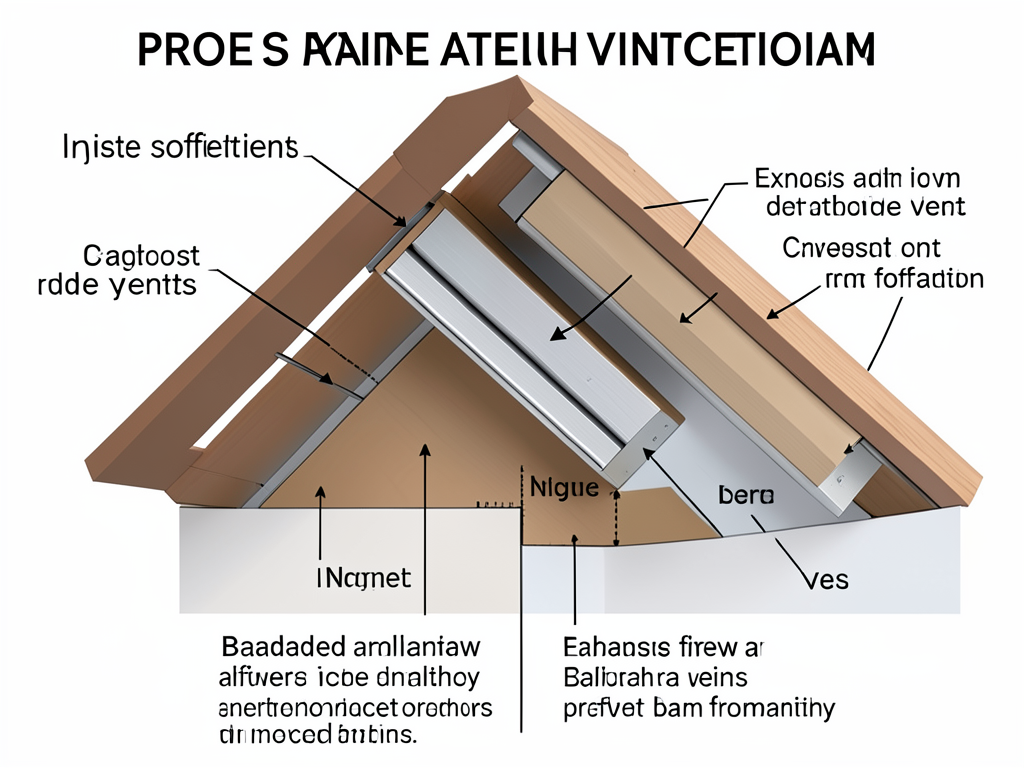
Check that your attic has balanced ventilation with intake vents in the soffits and exhaust vents near the ridge. The general rule is 1 square foot of ventilation for every 150 square feet of attic floor space, divided equally between intake and exhaust. Blocked soffit vents prevent proper air circulation and trap heat in your attic. Choosing Between Shingles and Metal for Your New Hendersonville Roof.
Inspect attic insulation levels. Nashville homes should have at least R-38 insulation in the attic, which translates to approximately 12-14 inches of fiberglass batts or blown-in material. Insulation should not block soffit vents or cover recessed light fixtures unless they are rated for insulation contact. Expert Slate and Tile Roof Restoration in Belle Meade.
Look for signs of moisture or condensation on the underside of your roof deck. Dark spots, water stains, or mold growth indicate ventilation problems that will worsen during winter when warm, moist air from your living space rises into the cold attic.
4. Trimming Overhanging Tree Limbs
Middle Tennessee’s winter storms often combine ice accumulation with high winds, creating perfect conditions for tree damage. Ice weighs down branches, and wind causes them to sway and break. Limbs overhanging your roof pose multiple threats during winter weather.
Ice accumulation adds significant weight to tree branches. A quarter-inch of ice can add 500 pounds of weight to a single tree limb. When combined with wind, this weight often causes branches to snap and fall onto roofs, damaging shingles and creating penetration points for water.
Trim back any branches within 6 feet of your roof surface. This distance prevents leaves from accumulating on your roof and reduces the risk of ice-laden branches falling during storms. Pay special attention to dead or diseased branches, which are more likely to fail under ice loads.
Consider the species of trees near your home. Oak and maple trees, common in Nashville neighborhoods, hold their leaves longer into winter, increasing the risk of ice accumulation on branches. Pine trees shed needles year-round, which can clog gutters if branches overhang your roof.
5. Professional Shingle Assessment
While DIY inspections catch obvious problems, professional assessment identifies hidden issues that could become major problems during winter. A qualified roofing contractor can spot early signs of deterioration that homeowners often miss.
Professional inspectors check for granule loss on asphalt shingles, which indicates advanced wear. They examine the condition of underlayment, which provides secondary waterproofing if shingles fail. They also assess the overall roof deck condition, looking for soft spots that indicate water damage or rot.. Read more about Why Synthetic Underlayment is a Better Choice Than Felt for Tennessee Weather.
The National Roofing Contractors Association recommends annual professional inspections, with special emphasis on pre-winter assessments. These inspections typically take 30-45 minutes but can identify problems that would cost thousands to repair if discovered after winter damage occurs. National Roofing Contractors Association.
Professional assessment also includes checking for proper fastener installation and roof deck attachment. In Nashville’s wind-prone climate, inadequate fastening can allow shingles to lift during winter storms, creating entry points for water and ice.
When to Call a Nashville Roofing Pro
DIY roof maintenance has limitations, especially for steep-slope roofs common in Nashville’s historic neighborhoods. The risk of falls and injuries makes professional intervention necessary for certain situations.
Call a professional if you notice any of these warning signs: multiple missing or damaged shingles, sagging roof sections, water stains on interior ceilings or walls, or visible light through your roof boards in the attic. These indicate problems beyond basic maintenance needs.
Safety concerns also warrant professional help. If your roof pitch exceeds 6:12 (a rise of 6 inches for every 12 inches of horizontal run), walking on it becomes dangerous even in dry conditions. Add ice, snow, or wet leaves, and the risk increases dramatically.
Professional roofers have specialized equipment including safety harnesses, roof brackets, and fall protection systems. They also carry insurance that protects both them and you from liability if accidents occur during repairs.
Time constraints matter too. If you discover problems during a cold snap or immediately before a predicted storm, professional crews can complete repairs faster than most homeowners can source materials and complete the work safely.
Consider the scope of work needed. Simple gutter cleaning or minor shingle replacement might be DIY-appropriate, but comprehensive winterization involving multiple systems benefits from professional expertise and efficiency.. Read more about Why Your Backyard Fire Pit Might Be a Secret Hazard to Your Nashville Roof.
Local Data Points for Nashville Homeowners
Understanding Nashville’s specific winter patterns helps you prepare appropriately. Middle Tennessee experiences approximately 10-15 days per year with temperatures below 32°F, with most freezing events occurring between December and February.
Ice accumulation events happen on average 3-4 times annually in the Nashville area. These events typically produce between 0.10 and 0.25 inches of ice, though major storms can deliver up to 0.50 inches. The weight of this ice can exceed 10 pounds per square foot on roof surfaces.
Preventative maintenance costs in Nashville typically range from $200 to $600 for comprehensive winterization services. This investment is minimal compared to emergency repair costs, which often exceed $2,000 for water damage from ice dams or roof leaks.
Roof lifespan in Middle Tennessee averages 20-25 years for asphalt shingles, though this varies significantly based on maintenance quality and exposure to severe weather. Homes in areas with heavy tree cover may experience shorter lifespans due to organic debris accumulation and moisture retention.
Nashville’s building code requires ice and water shield installation along eaves in new construction, but many older homes lack this protection. Ice and water shield costs approximately $0.75 to $1.50 per square foot installed but provides crucial protection against ice dam damage.
Comparing DIY vs Professional Winterization
| Task | DIY Cost | Professional Cost | Time Required | Risk Level |
|---|---|---|---|---|
| Gutter Cleaning | $50-100 | $150-300 | 2-4 hours | Medium |
| Flashing Inspection | $0 | $100-200 | 30-60 minutes | Low |
| Attic Assessment | $0 | $75-150 | 30 minutes | Low |
| Tree Trimming | $75-200 | $300-800 | 4-8 hours | High |
| Complete Winterization | $200-400 | $600-1,200 | 1-2 days | Variable |
Winterization Timeline for Nashville Homes
Timing your winterization efforts correctly maximizes their effectiveness. Middle Tennessee’s weather patterns create specific windows for different tasks.
Late October through mid-November represents the ideal window for comprehensive winterization. During this period, temperatures remain moderate enough for safe outdoor work, but the risk of early freezes increases. Most Nashville homeowners should aim to complete all winterization tasks by November 15.
Gutter cleaning should occur after most leaves have fallen but before the first freeze. In Nashville, this typically means late October to early November. Waiting until after the first freeze makes the work more difficult and dangerous.
Attic ventilation improvements can be completed throughout the year, but fall inspections allow you to address problems before winter moisture issues develop. Check attic conditions on a cool morning when temperature differences between your living space and attic are most apparent.
Tree trimming is best completed during the dormant season, which begins in late fall. However, avoid trimming immediately before predicted ice storms, as fresh cuts can create weak points where branches are more likely to break under ice loads.
Professional inspections should be scheduled at least two weeks before your target completion date. Quality roofing contractors often book up during the fall rush, and you want time to address any problems they identify.
Common Winter Roof Problems in Nashville
Understanding the most frequent winter roof failures helps you focus your prevention efforts. Nashville’s specific climate creates predictable failure patterns.
Ice dam formation ranks as the most common winter roof problem in Middle Tennessee. These occur when attic heat melts snow on the roof surface, creating meltwater that refreezes at the colder eaves. The resulting ice dam traps additional water, which can back up under shingles and into your home.
Gutter detachment from ice weight represents the second most frequent failure. When gutters fill with debris and water, they cannot drain properly. The resulting ice blocks can weigh hundreds of pounds, pulling gutters away from fascia boards and creating roof edge damage.
Flashing seal failures increase during winter months due to thermal cycling. The constant expansion and contraction of materials causes caulk and sealant to crack, allowing water infiltration that becomes more problematic when frozen.
Tree limb damage from ice accumulation and wind is particularly common in Nashville’s mature neighborhoods with large oak and maple trees. A single falling limb can damage multiple shingles and create immediate leak points.
Attic condensation problems worsen during winter when warm, moist air from your living space rises into the cold attic. This moisture can condense on the underside of your roof deck, leading to rot and mold growth if ventilation is inadequate.
Emergency Winter Roof Repair Tips
Despite your best prevention efforts, emergencies can still occur. Knowing how to respond quickly minimizes damage until professional repairs can be completed.
If you discover an active leak during a winter storm, your immediate priority is containing water damage. Place buckets under drips and move furniture away from affected areas. For ceiling leaks, puncture a small hole in the center of the bulge to release trapped water and prevent ceiling collapse.
Temporary tarping can prevent additional water infiltration. Use at least 6-mil polyethylene sheeting, which provides adequate protection for 30-60 days. Secure the tarp with 2×4 boards rather than nails, which can create additional roof penetrations.
Document all damage with photos and videos before making any repairs. This documentation is crucial for insurance claims and helps contractors understand the full scope of problems.
Avoid walking on your roof during or immediately after winter storms. Ice makes roof surfaces extremely slippery, and the weight of a person can cause additional damage to already stressed materials.
Keep emergency contact numbers readily available. Quality roofing contractors often provide 24/7 emergency services, but response times may be longer during major weather events when multiple homes experience problems simultaneously.
Long-term Roof Protection Strategies
Winterization represents just one aspect of comprehensive roof protection. Developing a long-term maintenance strategy extends your roof’s lifespan and reduces the likelihood of winter emergencies.
Schedule bi-annual roof inspections, with emphasis on pre-winter and post-winter assessments. Spring inspections identify damage from winter weather, while fall inspections prepare your roof for upcoming challenges.
Keep trees trimmed year-round, not just before winter. Regular maintenance prevents the buildup of organic debris on your roof and reduces the risk of storm damage from overhanging limbs.
Address minor repairs promptly rather than waiting for complete roof replacement. Small problems like damaged shingles or minor flashing issues typically cost 10-20% of what emergency repairs cost after major damage occurs.
Consider upgrading to impact-resistant shingles if your home experiences frequent hail damage. These shingles cost approximately 20% more than standard shingles but can withstand hail up to 1.5 inches in diameter.
Install gutter guards to prevent debris accumulation. While the initial cost ranges from $1,500 to $3,000 for most homes, gutter guards eliminate the need for annual cleaning and prevent many ice dam formation scenarios.
Frequently Asked Questions
How much does professional roof winterization cost in Nashville?
Professional winterization services in Nashville typically cost between $300 and $800, depending on your home’s size and the specific services needed. This investment is minimal compared to potential emergency repair costs, which often exceed $2,000 for water damage from ice dams or roof leaks.
When should I start winterizing my Nashville roof?
Begin winterization efforts in late October through mid-November, before the first freeze typically occurs in Middle Tennessee. Complete all tasks by November 15 to ensure your roof is prepared for winter weather. Waiting until after the first freeze makes the work more difficult and dangerous.
Can I winterize my roof myself or should I hire a professional?
Basic tasks like gutter cleaning and minor shingle replacement can be DIY projects if you’re comfortable with heights and have proper safety equipment. However, professional assessment is recommended for comprehensive winterization, especially for steep-slope roofs or if you notice signs of existing damage like water stains or sagging sections.
What are the most common winter roof problems in Nashville?
The most common winter roof problems in Nashville include ice dam formation, gutter detachment from ice weight, flashing seal failures due to thermal cycling, tree limb damage from ice accumulation, and attic condensation issues. These problems are directly related to Middle Tennessee’s freeze-thaw climate patterns.
How do I know if my attic has proper ventilation for winter?
Proper attic ventilation requires balanced intake and exhaust vents. Check that soffit vents are not blocked by insulation and that ridge or gable vents provide adequate exhaust. Signs of poor ventilation include moisture or condensation on the underside of your roof deck, uneven roof temperatures, and ice dam formation at the eaves.
Winterizing your Nashville roof requires attention to specific local conditions and timely action before the first freeze. By following this comprehensive checklist and understanding Middle Tennessee’s unique winter challenges, you can protect your home from costly damage and ensure your roof withstands whatever winter weather arrives.
Don’t wait until the first ice storm to discover problems with your roof. Take action now to protect your home and family from winter’s worst. The peace of mind that comes from knowing your roof is prepared for winter is worth every minute of preparation time.
Ready to protect your Nashville home before winter arrives? Call (615) 640-4994 today to schedule your professional roof inspection and winterization service. Our experienced team understands Middle Tennessee’s unique weather challenges and can identify problems that DIY inspections often miss. Don’t let winter catch you unprepared – make that call now while scheduling is still easy.
Pick up the phone and call (615) 640-4994 before the next storm hits. Your roof protects everything you value most, and winter preparation is the smartest investment you can make in your home’s long-term protection.
{
“@context”: “https://schema.org”,
“@type”: “BlogPosting”,
“headline”: “Essential Steps to Winterize Your Roof Before the First Nashville Freeze”,
“description”: “Protect your Nashville home from winter damage with our 5-point roof winterization checklist. Learn how to prevent ice dams, clear gutters, and schedule your professional inspection before the freeze.”,
“wordCount”: 3157,
“datePublished”: “2026-05-04T10:45:00.000Z”,
“dateModified”: “2026-05-04T10:45:00.000Z”,
“inLanguage”: “en-US”,
“mainEntityOfPage”: {
“@type”: “WebPage”,
“@id”: “https://titanroofingnashville.com”
},
“publisher”: {
“@type”: “LocalBusiness”,
“name”: “Titan Roofing Nashville”,
“url”: “https://titanroofingnashville.com”
},
“author”: {
“@type”: “Organization”,
“name”: “Titan Roofing Nashville”,
“url”: “https://titanroofingnashville.com”
},
“image”: {
“@type”: “ImageObject”,
“url”: “https://titanroofingnashville.com/wp-content/uploads/2026/03/essential-steps-to-winterize-your-roof-before-the-1.png”
}
}
{
“@context”: “https://schema.org”,
“@type”: “RoofingContractor”,
“name”: “Titan Roofing Nashville”,
“url”: “https://titanroofingnashville.com”,
“address”: {
“@type”: “PostalAddress”,
“addressLocality”: “Nashville”
},
“areaServed”: {
“@type”: “City”,
“name”: “Nashville”
}
}
{
“@context”: “https://schema.org”,
“@type”: “FAQPage”,
“mainEntity”: [
{
“@type”: “Question”,
“name”: “How much does professional roof winterization cost in Nashville?”,
“acceptedAnswer”: {
“@type”: “Answer”,
“text”: “Professional winterization services in Nashville typically cost between $300 and $800, depending on your home’s size and the specific services needed. This investment is minimal compared to potential emergency repair costs, which often exceed $2,000 for water damage from ice dams or roof leaks.”
}
},
{
“@type”: “Question”,
“name”: “When should I start winterizing my Nashville roof?”,
“acceptedAnswer”: {
“@type”: “Answer”,
“text”: “Begin winterization efforts in late October through mid-November, before the first freeze typically occurs in Middle Tennessee. Complete all tasks by November 15 to ensure your roof is prepared for winter weather. Waiting until after the first freeze makes the work more difficult and dangerous.”
}
},
{
“@type”: “Question”,
“name”: “Can I winterize my roof myself or should I hire a professional?”,
“acceptedAnswer”: {
“@type”: “Answer”,
“text”: “Basic tasks like gutter cleaning and minor shingle replacement can be DIY projects if you’re comfortable with heights and have proper safety equipment. However, professional assessment is recommended for comprehensive winterization, especially for steep-slope roofs or if you notice signs of existing damage like water stains or sagging sections.”
}
},
{
“@type”: “Question”,
“name”: “What are the most common winter roof problems in Nashville?”,
“acceptedAnswer”: {
“@type”: “Answer”,
“text”: “The most common winter roof problems in Nashville include ice dam formation, gutter detachment from ice weight, flashing seal failures due to thermal cycling, tree limb damage from ice accumulation, and attic condensation issues. These problems are directly related to Middle Tennessee’s freeze-thaw climate patterns.”
}
},
{
“@type”: “Question”,
“name”: “How do I know if my attic has proper ventilation for winter?”,
“acceptedAnswer”: {
“@type”: “Answer”,
“text”: “Proper attic ventilation requires balanced intake and exhaust vents. Check that soffit vents are not blocked by insulation and that ridge or gable vents provide adequate exhaust. Signs of poor ventilation include moisture or condensation on the underside of your roof deck, uneven roof temperatures, and ice dam formation at the eaves.”
}
}
]
}
{
“@context”: “https://schema.org”,
“@type”: “BreadcrumbList”,
“itemListElement”: [
{
“@type”: “ListItem”,
“position”: 1,
“name”: “Home”,
“item”: “https://titanroofingnashville.com”
},
{
“@type”: “ListItem”,
“position”: 2,
“name”: “Blog”,
“item”: “https://titanroofingnashville.com/blog”
},
{
“@type”: “ListItem”,
“position”: 3,
“name”: “Essential Steps to Winterize Your Roof Before the First Nashville Freeze”
}
]
}
{
“@context”: “https://schema.org”,
“@type”: “Service”,
“serviceType”: “Roofing”,
“provider”: {
“@type”: “LocalBusiness”,
“name”: “Titan Roofing Nashville”,
“url”: “https://titanroofingnashville.com”
},
“areaServed”: {
“@type”: “City”,
“name”: “Nashville”
},
“description”: “Protect your Nashville home from winter damage with our 5-point roof winterization checklist. Learn how to prevent ice dams, clear gutters, and schedule your professional inspection before the freeze.”
}