
Why Your Backyard Fire Pit Might Be a Secret Hazard to Your Nashville Roof
Backyard fire pits create a cozy gathering spot but they can also send radiant heat and stray embers toward your roof structure. In Nashville’s humid climate, heat exposure accelerates shingle aging and can even void manufacturer warranties. Understanding local fire codes and safe clearance distances is essential to protecting your investment.
Nashville Fire Codes and Legal Requirements for Covered Patios
The Metro Nashville Fire Marshal enforces strict rules on open flames near structures. Under Section 307.4.2 of the International Fire Code adopted by Nashville, any open-flame device must be at least 10 feet from combustible construction. That includes wooden decks, vinyl siding, and asphalt shingles. Propane fire tables must also meet these clearances, and wood-burning pits require a spark arrestor screen.
Before installing a fire pit under a covered patio, check with the Nashville Fire Department for permit requirements. Violating clearance rules can result in fines and force removal of the unit. Insurance companies may also deny claims if a fire starts from an unpermitted installation.
Critical Safety Clearances: Vertical and Horizontal Requirements
Heat rises and can damage roofing materials even without direct flame contact. For wood-burning pits, maintain a minimum 10-15 feet of vertical clearance from the fire bowl to the roof underside. Gas fire tables with lower BTU output may allow slightly less clearance, but always follow the manufacturer’s specifications.
Horizontal clearance matters just as much. Keep the fire pit at least 10 feet from the home’s exterior walls to prevent heat buildup against siding and soffits. If your patio has a pergola or covered roof, measure from the fire bowl to the nearest combustible surface, not just to the ground.
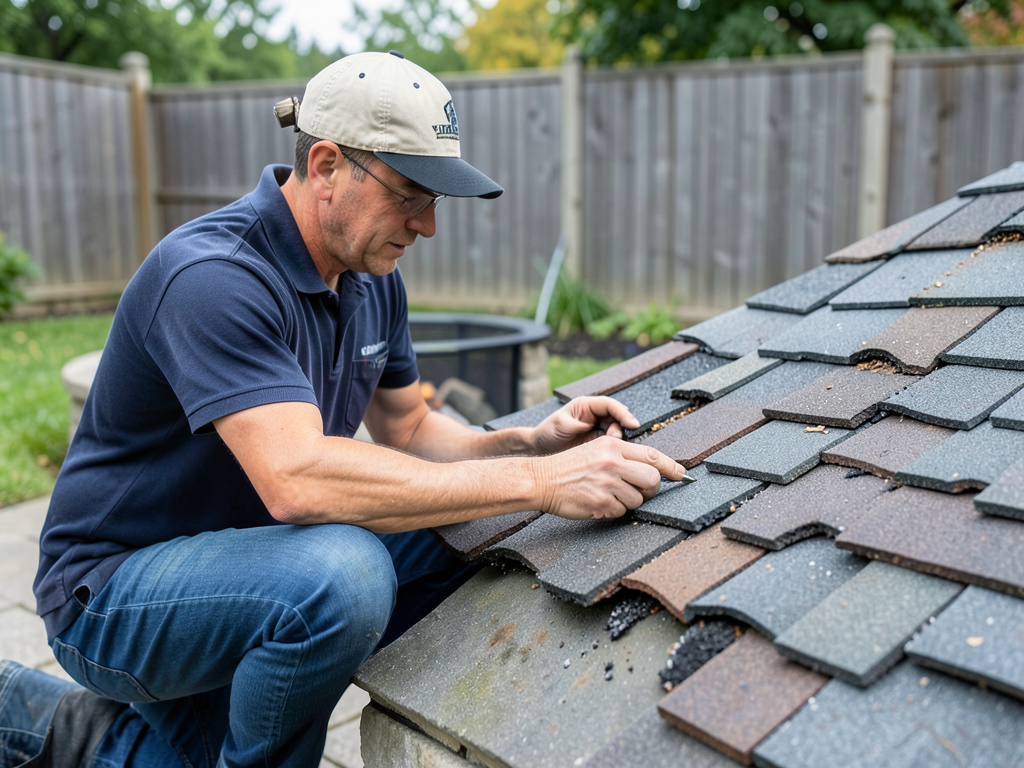
Diagram showing required vertical and horizontal clearance distances for fire pits near residential structures
Roofing Materials and Fire Resistance Ratings
Not all roofing materials handle heat exposure the same way. Asphalt shingles are classified by fire resistance: Class A offers the highest protection, while Class C provides the least. Metal roofing and clay tiles are non-combustible and better suited for areas near fire features. Polycarbonate panels used in patio covers can warp under sustained heat.
Even Class A shingles can degrade from repeated radiant heat exposure. Look for signs like granule loss, curling edges, and discoloration directly above the fire pit. These indicate the material is breaking down faster than normal and may need replacement sooner than expected.
Five Essential Safety Features for Under-Roof Fire Pits
- Spark Arrestor Screen – Prevents embers from escaping wood-burning pits
- Heat Shield – Non-combustible barrier between fire bowl and roof structure
- Ventilation Fan – Removes smoke and reduces heat buildup under covers
- Non-Combustible Base – Fire-rated pavers or concrete pad under the pit
- Automatic Shutoff – For gas units, prevents fuel flow if flame is extinguished
Gas fire tables generally produce less radiant heat than wood fires, but they still require proper clearances. Wood fires can exceed 1,000 degrees Fahrenheit at the bowl surface, while propane units typically stay under 400 degrees. Always check BTU ratings and match them to your available clearance height.
Heat Damage Signs and When to Call a Nashville Roofer
Heat damage often appears gradually. Watch for curling shingle tabs, melted granule surfacing, or discolored metal panels directly above the fire pit area. Soffit vents may also show heat stress through melted or warped plastic louvers.
If you notice these signs, stop using the fire pit immediately and call a professional. A roofer can assess whether the damage is cosmetic or structural and recommend repairs before leaks develop. In Nashville’s climate, even small heat-related cracks can expand during freeze-thaw cycles, leading to costly water damage. 24/7 Emergency Roof Repair.
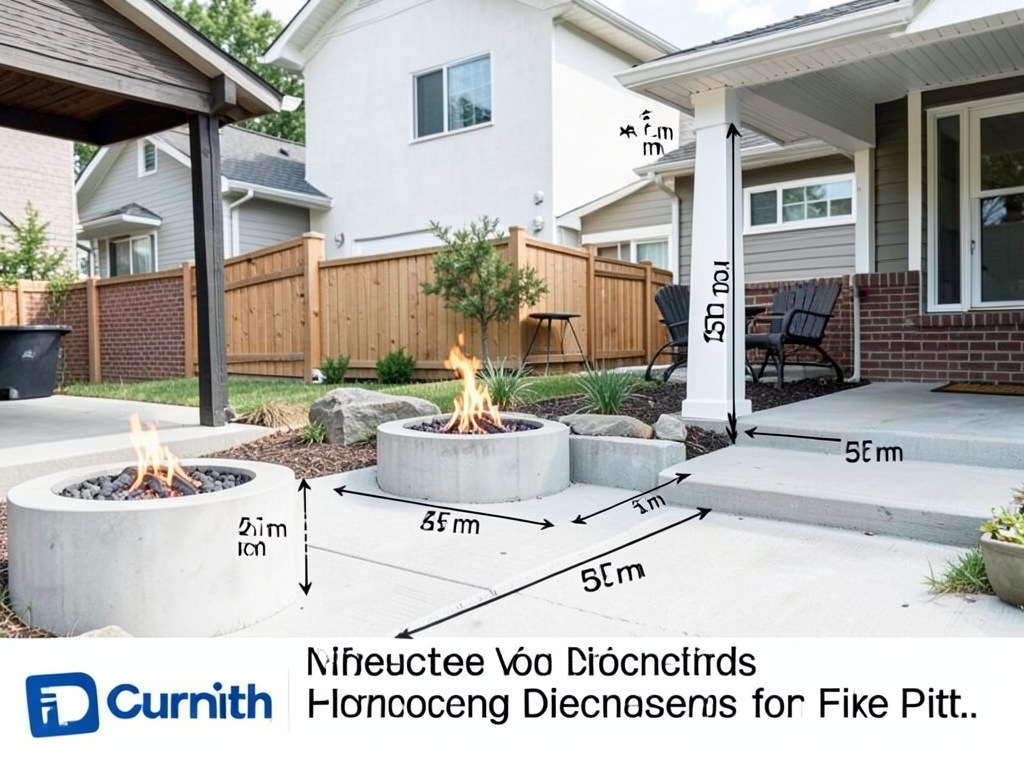
Photo showing heat-damaged asphalt shingles with curled edges and granule loss
Protecting Your Roof Investment in Nashville’s Climate
Nashville’s high humidity and frequent storms make roofs more vulnerable to heat-related degradation. Moisture trapped under damaged shingles accelerates rot in the roof deck. Combine that with summer heat waves, and minor damage can become a major leak within months.
Consider installing a Class A fire-rated roof if you plan to use outdoor fire features regularly. Metal roofing with a reflective coating can reduce heat absorption and extend the life of your roof deck. Proper attic ventilation also helps dissipate heat that rises from below.
Don’t forget about insurance. Some policies exclude damage from unpermitted fire features or require specific safety installations. Document your fire pit setup with photos and keep receipts for safety equipment to support any future claims.
Frequently Asked Questions
Can I install a fire pit under my covered patio in Nashville?
Yes, but only if you meet Metro Nashville’s 10-foot clearance rule from combustible materials and follow manufacturer safety guidelines. Check with the Nashville Fire Department for permit requirements before installation. A Homeowner’s Guide to Roof Replacement Costs in Brentwood.
What’s the safest roofing material near a fire pit?
Metal roofing and clay tiles offer the best fire resistance. If you have asphalt shingles, choose Class A rated products and maintain maximum clearance from the fire source. Roofing La Vergne.
How much vertical clearance do I need for a wood-burning fire pit?
A minimum of 10-15 feet from the fire bowl to the roof underside is recommended for wood-burning pits. Gas fire tables may allow slightly less clearance depending on BTU output.
Will using a fire pit void my roof warranty?
Heat damage from a fire pit can void manufacturer warranties on roofing materials. Always follow clearance guidelines and document your installation to protect your coverage. Roofing Columbia.
What are signs of heat damage to my roof?
Look for curled shingle edges, melted granule surfacing, discolored metal panels, and warped soffit vents. These indicate heat stress that requires professional inspection.
Call a Nashville Roofing Professional Today
Heat damage from backyard fire pits can start small but lead to major roof repairs if ignored. If you notice curling shingles, melted surfaces, or want a safety inspection before installing a fire feature, call the experts who understand Nashville’s unique climate challenges. Expert Slate and Tile Roof Restoration in Belle Meade.
Call (615) 640-4994 today to schedule your inspection. Our team provides thorough assessments and recommends solutions to keep your roof safe and your outdoor gatherings worry-free.
Technician performing roof inspection near a residential fire pit installation For more information, visit International Fire Code Section 307.4.2.
{
“@context”: “https://schema.org”,
“@type”: “BlogPosting”,
“headline”: “Why Your Backyard Fire Pit Might Be a Secret Hazard to Your Nashville Roof”,
“description”: “Discover the hidden dangers backyard fire pits pose to your Nashville roof. Learn local codes, safety clearances, and how heat damage can void warranties. Call (615) 640-4994.”,
“wordCount”: 1069,
“datePublished”: “2026-05-19T06:48:00.000Z”,
“dateModified”: “2026-05-19T06:48:00.000Z”,
“inLanguage”: “en-US”,
“mainEntityOfPage”: {
“@type”: “WebPage”,
“@id”: “https://titanroofingnashville.com”
},
“publisher”: {
“@type”: “LocalBusiness”,
“name”: “Titan Roofing Nashville”,
“url”: “https://titanroofingnashville.com”
},
“author”: {
“@type”: “Organization”,
“name”: “Titan Roofing Nashville”,
“url”: “https://titanroofingnashville.com”
},
“image”: {
“@type”: “ImageObject”,
“url”: “https://titanroofingnashville.com/wp-content/uploads/2026/03/why-your-backyard-fire-pit-might-be-a-secret-hazar-1.png”
}
}
{
“@context”: “https://schema.org”,
“@type”: “RoofingContractor”,
“name”: “Titan Roofing Nashville”,
“url”: “https://titanroofingnashville.com”,
“address”: {
“@type”: “PostalAddress”,
“addressLocality”: “Nashville”
},
“areaServed”: {
“@type”: “City”,
“name”: “Nashville”
}
}
{
“@context”: “https://schema.org”,
“@type”: “FAQPage”,
“mainEntity”: [
{
“@type”: “Question”,
“name”: “Can I install a fire pit under my covered patio in Nashville?”,
“acceptedAnswer”: {
“@type”: “Answer”,
“text”: “Yes, but only if you meet Metro Nashville’s 10-foot clearance rule from combustible materials and follow manufacturer safety guidelines. Check with the Nashville Fire Department for permit requirements before installation. A Homeowner’s Guide to Roof Replacement Costs in Brentwood.”
}
},
{
“@type”: “Question”,
“name”: “What’s the safest roofing material near a fire pit?”,
“acceptedAnswer”: {
“@type”: “Answer”,
“text”: “Metal roofing and clay tiles offer the best fire resistance. If you have asphalt shingles, choose Class A rated products and maintain maximum clearance from the fire source. Roofing La Vergne.”
}
},
{
“@type”: “Question”,
“name”: “How much vertical clearance do I need for a wood-burning fire pit?”,
“acceptedAnswer”: {
“@type”: “Answer”,
“text”: “A minimum of 10-15 feet from the fire bowl to the roof underside is recommended for wood-burning pits. Gas fire tables may allow slightly less clearance depending on BTU output.”
}
},
{
“@type”: “Question”,
“name”: “Will using a fire pit void my roof warranty?”,
“acceptedAnswer”: {
“@type”: “Answer”,
“text”: “Heat damage from a fire pit can void manufacturer warranties on roofing materials. Always follow clearance guidelines and document your installation to protect your coverage. Roofing Columbia.”
}
},
{
“@type”: “Question”,
“name”: “What are signs of heat damage to my roof?”,
“acceptedAnswer”: {
“@type”: “Answer”,
“text”: “Look for curled shingle edges, melted granule surfacing, discolored metal panels, and warped soffit vents. These indicate heat stress that requires professional inspection.”
}
}
]
}
{
“@context”: “https://schema.org”,
“@type”: “BreadcrumbList”,
“itemListElement”: [
{
“@type”: “ListItem”,
“position”: 1,
“name”: “Home”,
“item”: “https://titanroofingnashville.com”
},
{
“@type”: “ListItem”,
“position”: 2,
“name”: “Blog”,
“item”: “https://titanroofingnashville.com/blog”
},
{
“@type”: “ListItem”,
“position”: 3,
“name”: “Why Your Backyard Fire Pit Might Be a Secret Hazard to Your Nashville Roof”
}
]
}
{
“@context”: “https://schema.org”,
“@type”: “Service”,
“serviceType”: “Roofing”,
“provider”: {
“@type”: “LocalBusiness”,
“name”: “Titan Roofing Nashville”,
“url”: “https://titanroofingnashville.com”
},
“areaServed”: {
“@type”: “City”,
“name”: “Nashville”
},
“description”: “Discover the hidden dangers backyard fire pits pose to your Nashville roof. Learn local codes, safety clearances, and how heat damage can void warranties. Call (615) 640-4994.”
}