
Maintaining the Unique Roof Lines of Victorian Homes in Historic Edgehill
Victorian homes in Nashville’s Edgehill neighborhood feature intricate roof lines with steep gables turrets and decorative cresting that require specialized maintenance to preserve their historic character. These architectural masterpieces demand expertise in handling slate tiles copper flashing and cedar shakes while navigating Metro Nashville’s historic preservation requirements. The high humidity rapid temperature changes and severe storms common to Middle Tennessee create unique challenges for maintaining these delicate roofing systems. Metro Historic Zoning Commission.
Edgehill’s Victorian homes built between 1880 and 1920 showcase craftsmanship rarely seen in modern construction. The complex roof geometries with multiple intersecting planes decorative dormers and ornate finials create numerous potential failure points that generic roofing contractors often miss. Understanding the specific maintenance needs of these materials and the regulatory framework protecting them ensures your historic home remains both beautiful and structurally sound for generations. Choosing Between Shingles and Metal for Your New Hendersonville Roof.
Understanding Victorian Roof Architecture in Edgehill
Victorian homes in Edgehill feature distinctive roof elements that define their character. Turrets rise from corners creating circular roof sections that require custom-fabricated copper flashing. Steep gables with 12:12 pitch or greater shed water quickly but also create significant wind load during storms. Decorative cresting along ridge lines adds visual interest but can become loose over time creating safety hazards.
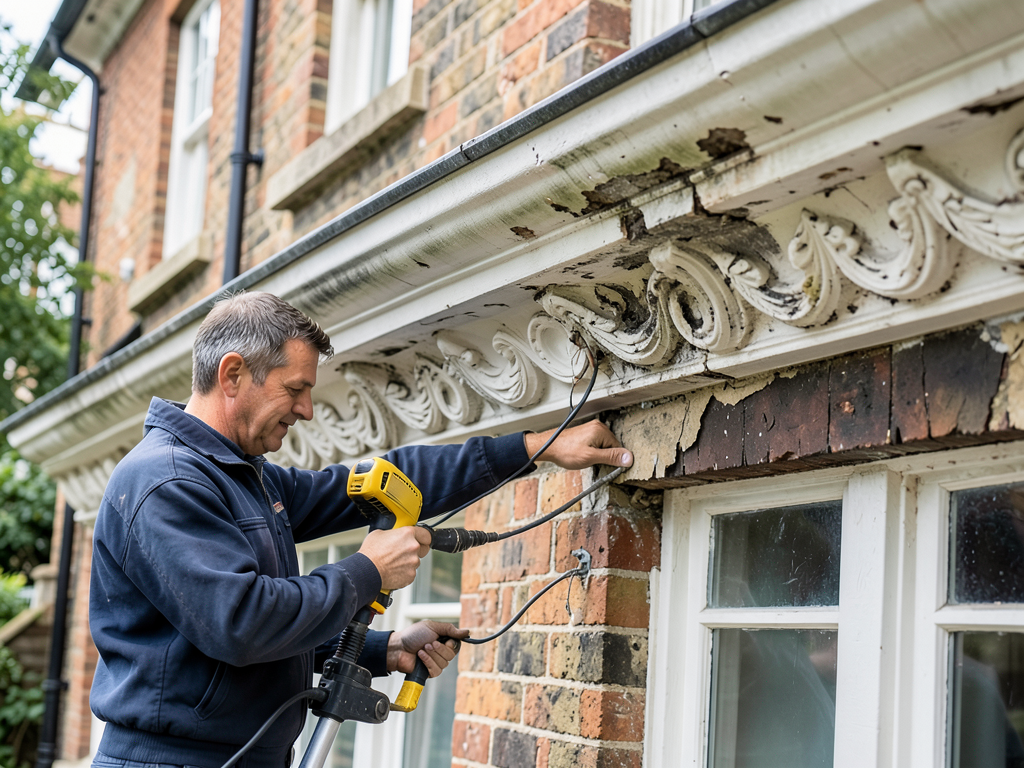
The box gutters common to Victorian construction differ significantly from modern systems. These built-in gutters hidden behind ornate cornices channel water through complex internal drainage paths. When box gutters fail they can cause extensive hidden damage to fascia and soffit before homeowners notice exterior signs. The decorative finials and lightning rods that crown many Victorian roofs require careful inspection as their mounting points often deteriorate first. Solving Common Flat Roof Leaks for Downtown Nashville Condos.
Edgehill’s specific microclimate affects these historic roofs differently than other Nashville neighborhoods. The area’s mature tree canopy creates shade patterns that promote moss growth on north-facing slopes. The proximity to downtown creates a slight heat island effect that accelerates material aging especially on south-facing surfaces. Understanding these local factors helps predict where problems will develop.. Read more about Roofing Material Requirements for Historic Homes in North Nashville.

Material-Specific Care for Historic Roofing
Slate Tile Maintenance and Repair
Slate roofs on Edgehill Victorians typically use Pennsylvania black slate or Vermont unfading green slate both common in late 19th century construction. These tiles last 75 to 100 years but require specific maintenance to reach their full lifespan. The key indicator of slate health is the sound when tapped with a rubber mallet. Sound tiles produce a clear ringing tone while delaminating slate sounds dull or dead. Expert Slate and Tile Roof Restoration in Belle Meade.
Individual slate replacement requires matching the original thickness width and color. Modern synthetic slate may match visually but lacks the weight and thermal properties of natural slate affecting the roof’s performance. The nail beds where slates connect to the roof deck often deteriorate before the slate itself requiring careful evaluation during maintenance. Using copper nails instead of galvanized prevents rust staining that can streak down roof faces.
Slate installation on Victorian roofs requires understanding the specific headlap and sidelap patterns used historically. Deviating from these patterns even slightly creates visual discontinuities that detract from the home’s historic character. The weight of slate approximately 800 to 1000 pounds per square requires ensuring the roof structure can support this load during any repairs or replacements.
Copper Flashing and Valley Systems
Copper flashing on Victorian roofs develops a green patina over 15 to 20 years that protects the metal while creating the characteristic weathered appearance. This patina layer approximately 0.001 inches thick prevents further corrosion but also masks underlying deterioration. Using a copper chloride test kit can reveal active corrosion before visual signs appear.
The soldered joints common in historic copper work require different maintenance than modern mechanical fasteners. Heat from summer sun can cause expansion that stresses solder joints. During maintenance technicians should check all joints by gently probing with a non-marring tool. Finding soft spots indicates solder failure that requires immediate attention.
Valley flashing in Victorian roofs often uses woven copper rather than open metal valleys creating a more seamless appearance. These woven sections trap debris requiring more frequent cleaning than exposed valleys. The standing water in valleys during heavy rain creates ideal conditions for copper erosion particularly where acidic leaves accumulate.
Cedar Shake Preservation
Cedar shakes on Victorian dormers and gables require different treatment than the main slate roof. These shakes typically use eastern white cedar chosen for its straight grain and natural decay resistance. The shakes should maintain 5/8 to 3/4 inch thickness at the butt with a 10 to 12 inch exposure for proper weathering.
Modern wood preservatives containing copper azole or alkaline copper quaternary can extend shake life by 15 to 20 years. However these treatments must be applied carefully to avoid runoff onto slate surfaces which can cause staining. The natural oils in cedar migrate to the surface over time creating a gray weathered appearance that many homeowners find desirable.. Read more about What Every Homeowner Needs to Know About Nashville Roofing Permits and Codes.
Shake installation requires leaving 1/8 inch gaps between shakes for expansion. The underlayment beneath shakes typically uses 30-pound felt rather than modern synthetic materials to maintain historical accuracy. The felt also allows the roof to breathe preventing moisture accumulation that leads to rot.. Read more about Choosing Between Open and Closed Valleys for Your New Roof.
Navigating Metro Nashville Historic Zoning Requirements
The Metro Historic Zoning Commission (MHZC) oversees all exterior modifications to contributing structures in historic districts including Edgehill. Any roofing work visible from a public right-of-way requires a Certificate of Appropriateness before work begins. This process typically takes 15 to 30 days depending on the complexity of the proposed changes. Roofing La Vergne.
MHZC guidelines require maintaining original material types when feasible. Replacing slate with asphalt shingles or copper with aluminum violates these standards even if the new materials offer better performance. The commission evaluates proposals based on the Secretary of the Interior’s Standards for Rehabilitation which emphasize preserving historic character while allowing necessary upgrades. A Homeowner’s Guide to Roof Replacement Costs in Brentwood.
Documentation requirements for MHZC approval include detailed material specifications color samples and photographs of existing conditions. The commission particularly scrutinizes proposals affecting decorative elements like cresting finials and turret caps. Working with contractors familiar with MHZC processes prevents costly redesigns and delays.. Read more about Choosing the Right Roof Material to Preserve the Character of Your Lockeland Springs Craftsman.
Edgehill’s historic district boundaries extend from 12th Avenue South to Wedgewood Avenue and from Blair Boulevard to the railroad tracks. Homes within these boundaries face stricter requirements than those in non-designated areas. The MHZC maintains a database of contributing and non-contributing structures with specific guidelines for each property type.
Nashville Weather Impact on Victorian Roofs
Middle Tennessee’s climate creates specific challenges for historic roofing materials. The region experiences 50 to 60 inches of annual rainfall concentrated in spring and winter months. This heavy precipitation particularly affects box gutters which can overflow during intense storms causing interior water damage before exterior signs appear.
Summer humidity levels averaging 70 to 80 percent promote moss and algae growth on shaded roof surfaces. These organisms retain moisture accelerating deterioration of underlying materials. Copper flashing develops green streaks from runoff during the first five years after installation which some homeowners mistake for damage.
Winter in Nashville brings freeze-thaw cycles that stress roofing materials. Water entering hairline cracks in slate freezes and expands creating larger fractures. The occasional ice storm can overload Victorian roof structures not designed for these loads. The rapid temperature changes common to Middle Tennessee cause expansion and contraction that loosens fasteners over time.
Severe storms including the potential for tornadoes create wind loads that historic roofs may not withstand. The complex geometries of Victorian roofs create uplift forces at different roof areas than simple gable roofs. The decorative elements particularly cresting and finials can become windborne debris during extreme events.. Read more about Fixing Complex Drainage Problems on Steep Sloped Roofs in Grassland.
Annual Victorian Roof Maintenance Checklist
- Spring Inspection After Winter Weather
Examine all roof surfaces for winter damage including cracked slate ice dam damage and loose flashing. Check box gutters for debris accumulation from fall and winter. Test all decorative elements for stability using a rubber mallet to detect delamination.
- Summer Moss and Algae Control
Apply zinc or copper strips near roof peaks to prevent moss growth through natural runoff. Clean debris from valleys and behind chimneys where organic material accumulates. Check ventilation in attic spaces to prevent heat buildup that accelerates material aging.
- Fall Gutter and Drainage Preparation
Clean all box gutters and downspouts removing leaf litter and debris. Ensure all drainage paths remain clear to handle fall rains. Check that all gutter supports remain secure as box gutters can pull away from the structure when full.
- Winter Weather Readiness
Inspect all flashing joints and solder connections for potential leak points. Verify that all heating cables function if installed for ice dam prevention. Check that attic insulation prevents heat loss that creates ice dam conditions.
Professional inspection should occur every two to three years for Victorian roofs under 20 years old and annually for older roofs. These inspections should include drone photography to examine steep slopes and high areas safely. The cost of professional inspection typically ranges from $300 to $500 but prevents thousands in damage from missed problems.
Documentation of all maintenance activities helps track roof condition over time. Photographing problem areas with dated images shows deterioration patterns that help predict future maintenance needs. This documentation also proves valuable when working with insurance companies or the MHZC on future projects.
Finding Specialized Victorian Roofing Contractors
Not all roofing contractors possess the skills required for Victorian home maintenance. Look for contractors with specific experience in historic preservation demonstrated through previous projects in Edgehill or similar historic districts. The ability to work with slate copper and cedar requires different tools and techniques than standard asphalt roofing.
Proper insurance coverage becomes critical when working on historic homes. Standard roofing policies often exclude slate work due to the specialized nature and liability concerns. Ask potential contractors for proof of coverage that specifically includes historic material restoration.
References from other Edgehill homeowners provide valuable insight into a contractor’s reliability and quality. Ask to see examples of their work on similar homes particularly regarding how they handled decorative elements and material matching. The best contractors maintain relationships with specialty suppliers for hard-to-find materials like matching slate or custom copper flashing.
Communication skills matter when working with historic homes. Contractors should explain their processes clearly including how they plan to protect landscaping and historic features during work. They should also demonstrate understanding of MHZC requirements and willingness to handle the approval process.
Cost Considerations for Victorian Roof Maintenance
Maintaining a Victorian roof typically costs 30 to 50 percent more than standard roofing due to material costs and specialized labor. Slate replacement costs approximately $1500 to $2500 per square compared to $400 to $600 for asphalt shingles. Copper flashing installation costs $25 to $35 per linear foot versus $8 to $12 for aluminum alternatives.
However the longevity of historic materials often provides better long-term value. Slate roofs properly maintained last 75 to 100 years while copper flashing can function for 50 to 75 years. The initial investment spreads over these extended lifespans creating lower annual costs than frequent replacement of standard materials.
Emergency repairs on Victorian roofs typically cost 40 to 60 percent more than scheduled maintenance due to the urgency and specialized skills required. Planning maintenance during off-peak seasons can reduce costs by 15 to 20 percent as contractors have more availability and material suppliers offer better pricing.
Insurance considerations affect overall costs for historic homes. Some insurers offer premium discounts for well-maintained historic roofs while others charge more due to replacement costs. Documenting all maintenance activities with photographs and professional reports helps support insurance claims when needed.
Preserving Your Investment in Historic Architecture
Victorian homes in Edgehill represent significant investments both financially and culturally. The median home value in Edgehill has increased 85 percent over the past decade with well-maintained historic homes appreciating faster than the overall market. The unique character of these homes provides insulation from market fluctuations that affect standard construction.
The environmental benefits of preserving historic materials align with modern sustainability goals. Manufacturing new roofing materials creates significant carbon emissions while maintaining existing materials produces minimal environmental impact. The thermal mass of slate and the reflective properties of copper provide natural energy efficiency benefits.
Community value extends beyond individual properties. Edgehill’s Victorian streetscape creates a distinctive neighborhood identity that attracts residents who value historic preservation. This community character supports local businesses and creates a sense of place that modern developments struggle to replicate.
The knowledge gained through maintaining a historic home transfers to future owners increasing the property’s value. Detailed maintenance records demonstrate the care invested in the property while identifying potential issues before they become major problems. This transparency reduces uncertainty for potential buyers.
Frequently Asked Questions
How often should I have my Victorian roof inspected?
Professional inspection every two to three years for roofs under 20 years old and annually for older roofs helps catch problems early. Additional inspections should follow severe weather events particularly storms with high winds or hail.
Can I use modern materials that look like slate or copper?
While synthetic alternatives exist they rarely match the performance and longevity of authentic materials. The Metro Historic Zoning Commission typically requires using original material types for visible roof elements to maintain historical accuracy.
What’s the biggest threat to Victorian roofs in Nashville?
Water damage from improper drainage particularly in box gutters causes the most significant problems. The heavy rainfall and occasional ice accumulation stress these historic drainage systems beyond their original design capacity.
How much does it cost to maintain a Victorian roof annually?
Annual maintenance typically costs $1000 to $2500 depending on roof size and condition. This includes professional inspections cleaning and minor repairs that prevent larger problems from developing.
Do I need permits for roof repairs on my historic home?
Yes any exterior modification visible from a public right-of-way requires a Certificate of Appropriateness from the Metro Historic Zoning Commission. This includes repairs that change the appearance of roofing materials or decorative elements.
Protecting Your Historic Edgehill Home
Your Victorian home in Edgehill represents a unique piece of Nashville’s architectural heritage. The intricate roof lines decorative elements and historic materials require specialized knowledge to maintain properly. Understanding the specific challenges of Middle Tennessee’s climate and navigating Metro Nashville’s historic preservation requirements ensures your home remains beautiful and structurally sound.
Regular maintenance prevents costly emergency repairs while preserving the historic character that makes Edgehill special. The investment in proper care pays dividends through increased property values energy efficiency and the satisfaction of preserving architectural history for future generations.
Don’t wait for visible problems to appear. Many roofing issues develop hidden from view for months or years before causing interior damage. Professional inspection can identify these problems early when repairs cost a fraction of emergency restoration.
Call (615) 640-4994 today to schedule your Victorian roof inspection. Our specialists understand the unique requirements of Edgehill’s historic homes and can help preserve your investment for generations to come. Pick up the phone and call (615) 640-4994 before the next storm hits and causes hidden damage to your historic roof. For more information, visit National Park Service Preservation Briefs.
You may also find this helpful. What to Do When Woodpeckers Start Pecking Holes in Your Belle Meade Eaves.
{
“@context”: “https://schema.org”,
“@type”: “BlogPosting”,
“headline”: “Maintaining the Unique Roof Lines of Victorian Homes in Historic Edgehill”,
“description”: “Expert guide to preserving Nashville’s Victorian roof lines in Edgehill. Learn about slate, copper, and cedar maintenance, MHZC compliance, and local weather challenges.”,
“wordCount”: 2533,
“datePublished”: “2026-05-02T12:17:00.000Z”,
“dateModified”: “2026-05-02T12:17:00.000Z”,
“inLanguage”: “en-US”,
“mainEntityOfPage”: {
“@type”: “WebPage”,
“@id”: “https://titanroofingnashville.com”
},
“publisher”: {
“@type”: “LocalBusiness”,
“name”: “Titan Roofing Nashville”,
“url”: “https://titanroofingnashville.com”
},
“author”: {
“@type”: “Organization”,
“name”: “Titan Roofing Nashville”,
“url”: “https://titanroofingnashville.com”
},
“image”: {
“@type”: “ImageObject”,
“url”: “https://titanroofingnashville.com/wp-content/uploads/2026/03/maintaining-the-unique-roof-lines-of-victorian-hom-1.png”
}
}
{
“@context”: “https://schema.org”,
“@type”: “RoofingContractor”,
“name”: “Titan Roofing Nashville”,
“url”: “https://titanroofingnashville.com”,
“address”: {
“@type”: “PostalAddress”,
“addressLocality”: “Nashville”
},
“areaServed”: {
“@type”: “City”,
“name”: “Nashville”
}
}
{
“@context”: “https://schema.org”,
“@type”: “FAQPage”,
“mainEntity”: [
{
“@type”: “Question”,
“name”: “How often should I have my Victorian roof inspected?”,
“acceptedAnswer”: {
“@type”: “Answer”,
“text”: “Professional inspection every two to three years for roofs under 20 years old and annually for older roofs helps catch problems early. Additional inspections should follow severe weather events particularly storms with high winds or hail.”
}
},
{
“@type”: “Question”,
“name”: “Can I use modern materials that look like slate or copper?”,
“acceptedAnswer”: {
“@type”: “Answer”,
“text”: “While synthetic alternatives exist they rarely match the performance and longevity of authentic materials. The Metro Historic Zoning Commission typically requires using original material types for visible roof elements to maintain historical accuracy.”
}
},
{
“@type”: “Question”,
“name”: “What’s the biggest threat to Victorian roofs in Nashville?”,
“acceptedAnswer”: {
“@type”: “Answer”,
“text”: “Water damage from improper drainage particularly in box gutters causes the most significant problems. The heavy rainfall and occasional ice accumulation stress these historic drainage systems beyond their original design capacity.”
}
},
{
“@type”: “Question”,
“name”: “How much does it cost to maintain a Victorian roof annually?”,
“acceptedAnswer”: {
“@type”: “Answer”,
“text”: “Annual maintenance typically costs $1000 to $2500 depending on roof size and condition. This includes professional inspections cleaning and minor repairs that prevent larger problems from developing.”
}
},
{
“@type”: “Question”,
“name”: “Do I need permits for roof repairs on my historic home?”,
“acceptedAnswer”: {
“@type”: “Answer”,
“text”: “Yes any exterior modification visible from a public right-of-way requires a Certificate of Appropriateness from the Metro Historic Zoning Commission. This includes repairs that change the appearance of roofing materials or decorative elements.”
}
}
]
}
{
“@context”: “https://schema.org”,
“@type”: “HowTo”,
“name”: “Annual Victorian Roof Maintenance”,
“step”: [
{
“@type”: “HowToStep”,
“position”: 1,
“name”: “Spring Inspection After Winter Weather”,
“text”: “Examine all roof surfaces for winter damage including cracked slate ice dam damage and loose flashing. Check box gutters for debris accumulation from fall and winter. Test all decorative elements for stability using a rubber mallet to detect delamination.”
},
{
“@type”: “HowToStep”,
“position”: 2,
“name”: “Summer Moss and Algae Control”,
“text”: “Apply zinc or copper strips near roof peaks to prevent moss growth through natural runoff. Clean debris from valleys and behind chimneys where organic material accumulates. Check ventilation in attic spaces to prevent heat buildup that accelerates material aging.”
},
{
“@type”: “HowToStep”,
“position”: 3,
“name”: “Fall Gutter and Drainage Preparation”,
“text”: “Clean all box gutters and downspouts removing leaf litter and debris. Ensure all drainage paths remain clear to handle fall rains. Check that all gutter supports remain secure as box gutters can pull away from the structure when full.”
},
{
“@type”: “HowToStep”,
“position”: 4,
“name”: “Winter Weather Readiness”,
“text”: “Inspect all flashing joints and solder connections for potential leak points. Verify that all heating cables function if installed for ice dam prevention. Check that attic insulation prevents heat loss that creates ice dam conditions.”
}
],
“image”: “https://titanroofingnashville.com/wp-content/uploads/2026/03/maintaining-the-unique-roof-lines-of-victorian-hom-1.png”
}
{
“@context”: “https://schema.org”,
“@type”: “BreadcrumbList”,
“itemListElement”: [
{
“@type”: “ListItem”,
“position”: 1,
“name”: “Home”,
“item”: “https://titanroofingnashville.com”
},
{
“@type”: “ListItem”,
“position”: 2,
“name”: “Blog”,
“item”: “https://titanroofingnashville.com/blog”
},
{
“@type”: “ListItem”,
“position”: 3,
“name”: “Maintaining the Unique Roof Lines of Victorian Homes in Historic Edgehill”
}
]
}
{
“@context”: “https://schema.org”,
“@type”: “Service”,
“serviceType”: “Roofing”,
“provider”: {
“@type”: “LocalBusiness”,
“name”: “Titan Roofing Nashville”,
“url”: “https://titanroofingnashville.com”
},
“areaServed”: {
“@type”: “City”,
“name”: “Nashville”
},
“description”: “Expert guide to preserving Nashville’s Victorian roof lines in Edgehill. Learn about slate, copper, and cedar maintenance, MHZC compliance, and local weather challenges.”
}