
When replacing a roof on a historic home in North Nashville, the process involves much more than selecting shingles and scheduling a crew. The Metro Historic Zoning Commission (MHZC) oversees every exterior change to properties within designated historic districts, and their material requirements reflect decades of preservation standards. Understanding these rules is essential for maintaining both the architectural integrity and legal compliance of your home. Metro Historic Zoning Commission.
North Nashville’s historic neighborhoods—including Germantown, Salemtown, Buena Vista, and Elizabeth Park—feature homes built primarily between the 1880s and 1940s. These structures showcase Victorian, Queen Anne, Craftsman, and Tudor Revival styles, each with distinct roofing profiles. The MHZC requires that replacement materials match the original in type, weight, color, and texture to preserve the streetscape’s historic character. Choosing Between Shingles and Metal for Your New Hendersonville Roof.
Understanding MHZC Material Approval Process
Before any historic roof work begins, homeowners must submit a Certificate of Appropriateness (COA) application to the MHZC. This process typically takes 30-45 days and requires detailed drawings, material samples, and a written justification for the proposed changes. The commission evaluates proposals against the Secretary of the Interior’s Standards for Rehabilitation, which prioritize preservation of historic materials and features.
Common approved materials for North Nashville historic homes include: Solving Common Flat Roof Leaks for Downtown Nashville Condos.
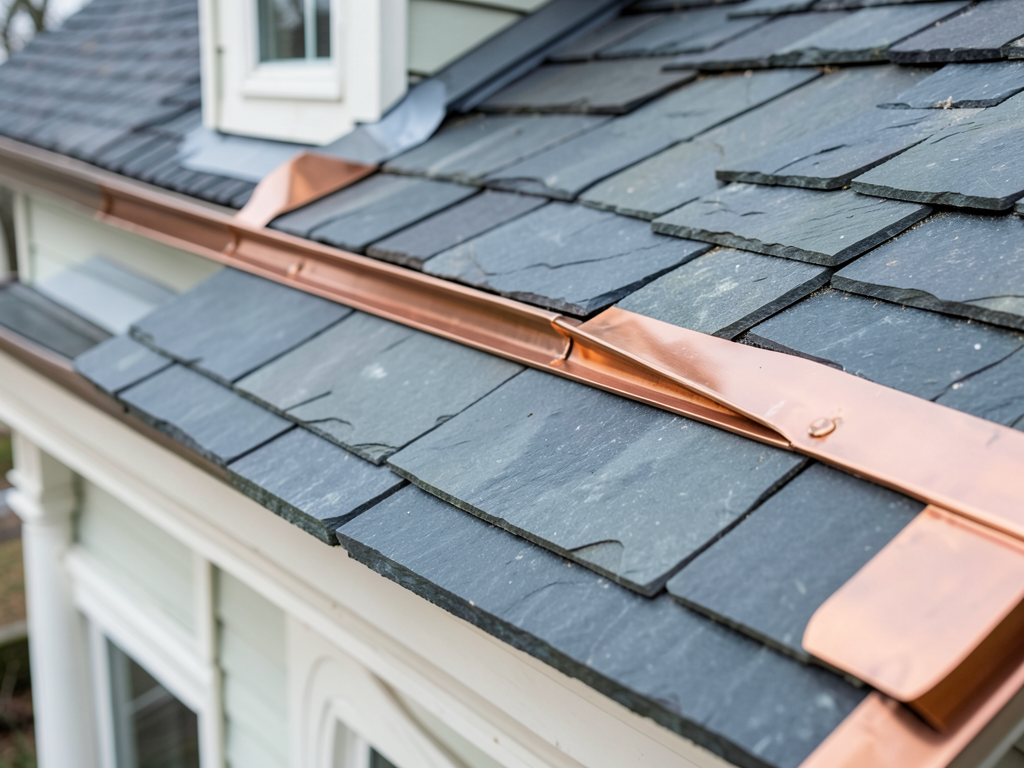
- Natural slate (typically 1/4-inch thick, laid in diminishing courses)
- Western red cedar shakes (hand-split, 18-24 inches long)
- Standing seam copper (minimum 16-ounce weight)
- Clay tile (Spanish or Mission styles for appropriate architectural periods)
Modern synthetic alternatives exist but must be pre-approved by the MHZC. Products from manufacturers like DaVinci Roofscapes and EcoStar have occasionally received approval when they closely mimic natural materials in appearance and installation method.
Structural Considerations for Historic Roof Replacement
Many North Nashville homes were built with old-growth lumber framing that has endured over a century of seasonal cycles. Before installing new materials, a structural assessment is critical. The original rafters may not support the weight of modern architectural shingles, let alone slate or tile. Expert Slate and Tile Roof Restoration in Belle Meade.
During a typical assessment, technicians use a moisture meter to check for hidden rot in the decking and rafters. They also inspect for signs of previous water damage, which often appears as darkened wood or rusted nails. In some cases, the original 1×6 tongue-and-groove decking must be reinforced with plywood to meet current building codes while maintaining the home’s structural integrity.
Box gutters present another unique challenge. These built-in drainage systems, common in homes built before 1920, require careful removal and reconstruction. The process involves removing the original copper or tin lining, inspecting the supporting wood framing, and installing new materials that match the original profile and pitch.
Color and Profile Matching Requirements
The MHZC maintains strict guidelines for color matching. Natural slate comes in regional variations—Vermont unfading green, Pennsylvania black, or Virginia purple—and the commission often requires documentation showing the original quarry source. For cedar shakes, the natural weathered gray must be preserved, and chemical treatments are typically prohibited. A Homeowner’s Guide to Roof Replacement Costs in Brentwood.
Roof pitch also matters significantly. A 12:12 Victorian roof with its steep planes requires different installation techniques than a 4:12 Craftsman bungalow. The commission reviews these details in the COA application to ensure the new roof maintains the home’s original architectural expression.
Common MHZC Approval Pitfalls
Homeowners frequently encounter delays when they propose materials that don’t align with the home’s original construction period. For example, installing architectural asphalt shingles on a 1905 Queen Anne home would likely be denied, as these materials weren’t available during the home’s construction era.
Another common issue involves flashing materials. The MHZC typically requires copper flashing for chimneys and valleys, as this was the standard material used in early 20th-century construction. Modern aluminum or galvanized steel alternatives rarely receive approval for historic properties.
Cost Factors and Timeline Considerations
Historic roof replacement in North Nashville typically costs 30-50% more than standard residential roofing due to specialized materials and the COA process. A typical project timeline extends to 8-12 weeks from initial consultation to final inspection, compared to 3-4 weeks for non-historic homes. Reliable Residential Roofers Serving East Nashville and Inglewood.
Insurance considerations also differ. Many historic homeowners carry specialized policies that cover the higher replacement costs of period-appropriate materials. However, these policies often require documentation of the MHZC approval process and may mandate specific contractors with historic preservation experience.
Finding Qualified Historic Roofing Contractors
Not all roofing contractors have experience with MHZC requirements. Qualified contractors should demonstrate:
- Previous successful COA applications in Davidson County
- Experience with natural slate, cedar shake, and copper installation
- Knowledge of Nashville’s historic architectural styles
- Ability to provide references from other North Nashville historic homeowners
During the selection process, ask potential contractors about their experience with specific North Nashville neighborhoods and request to see examples of their historic work in the 37208 and 37207 zip codes.
Case Study: Salemtown Victorian Restoration
A recent project on 4th Avenue North in Salemtown demonstrates the typical historic roof replacement process. The 1895 Queen Anne home featured original slate that had deteriorated beyond repair. The contractor worked with the MHZC to source matching Vermont slate and documented the entire process for the homeowner’s insurance records.
The project required reinforcing the original rafter system, which had experienced some settling over 130 years. The new installation included copper flashing and box gutter reconstruction, maintaining the home’s original architectural integrity while meeting current building codes.
Maintenance and Preservation Best Practices
Once a historic roof is properly installed, ongoing maintenance becomes crucial. Annual inspections should check for loose or damaged materials, particularly after severe weather events common to Middle Tennessee. The high humidity in Nashville can accelerate organic growth on cedar shakes, requiring periodic cleaning with appropriate methods that won’t damage the wood.
Homeowners should also monitor the flashing around chimneys and dormers, as these areas are prone to separation over time. Early detection of minor issues can prevent costly water damage to the historic interior features.
Resources for Historic Homeowners
The Metro Historic Zoning Commission provides detailed guidelines on their website, including material specifications and application forms. The Historic Nashville organization also offers resources for homeowners navigating the preservation process.
For technical guidance, the National Park Service publishes the Preservation Briefs series, which includes specific information on historic roofing materials and their maintenance. These resources can help homeowners understand the rationale behind MHZC requirements and make informed decisions about their property. National Park Service Preservation Briefs.
Call (615) 640-4994 today to schedule your inspection and learn how we can help you navigate the historic roof replacement process while preserving your home’s architectural heritage.
Frequently Asked Questions
How long does the MHZC approval process take?
The Certificate of Appropriateness process typically takes 30-45 days from application submission to commission approval, though complex projects may require additional review time.
Can I use architectural asphalt shingles on my historic home?
Generally no. The MHZC requires materials that match the original construction period. Architectural shingles were not available during the era when most North Nashville historic homes were built.
What happens if I replace my roof without MHZC approval?
Unapproved changes can result in fines, mandatory removal of the non-compliant materials, and potential legal action. The commission has enforcement authority for properties within historic districts.
{
“@context”: “https://schema.org”,
“@type”: “BlogPosting”,
“headline”: “Roofing Material Requirements for Historic Homes in North Nashville”,
“description”: “Discover the Metro Historic Zoning Commission requirements for historic roof replacement in North Nashville. Learn about approved materials like slate, cedar shakes, and copper flashing.”,
“wordCount”: 1222,
“datePublished”: “2026-04-23T09:32:00.000Z”,
“dateModified”: “2026-04-23T09:32:00.000Z”,
“inLanguage”: “en-US”,
“mainEntityOfPage”: {
“@type”: “WebPage”,
“@id”: “https://titanroofingnashville.com”
},
“publisher”: {
“@type”: “LocalBusiness”,
“name”: “Titan Roofing Nashville”,
“url”: “https://titanroofingnashville.com”
},
“author”: {
“@type”: “Organization”,
“name”: “Titan Roofing Nashville”,
“url”: “https://titanroofingnashville.com”
},
“image”: {
“@type”: “ImageObject”,
“url”: “https://titanroofingnashville.com/wp-content/uploads/2026/03/roofing-material-requirements-for-historic-homes-i-1.png”
}
}
{
“@context”: “https://schema.org”,
“@type”: “RoofingContractor”,
“name”: “Titan Roofing Nashville”,
“url”: “https://titanroofingnashville.com”,
“address”: {
“@type”: “PostalAddress”,
“addressLocality”: “Nashville”
},
“areaServed”: {
“@type”: “City”,
“name”: “Nashville”
}
}
{
“@context”: “https://schema.org”,
“@type”: “FAQPage”,
“mainEntity”: [
{
“@type”: “Question”,
“name”: “How long does the MHZC approval process take?”,
“acceptedAnswer”: {
“@type”: “Answer”,
“text”: “The Certificate of Appropriateness process typically takes 30-45 days from application submission to commission approval, though complex projects may require additional review time.”
}
},
{
“@type”: “Question”,
“name”: “Can I use architectural asphalt shingles on my historic home?”,
“acceptedAnswer”: {
“@type”: “Answer”,
“text”: “Generally no. The MHZC requires materials that match the original construction period. Architectural shingles were not available during the era when most North Nashville historic homes were built.”
}
},
{
“@type”: “Question”,
“name”: “What happens if I replace my roof without MHZC approval?”,
“acceptedAnswer”: {
“@type”: “Answer”,
“text”: “Unapproved changes can result in fines, mandatory removal of the non-compliant materials, and potential legal action. The commission has enforcement authority for properties within historic districts.”
}
}
]
}
{
“@context”: “https://schema.org”,
“@type”: “BreadcrumbList”,
“itemListElement”: [
{
“@type”: “ListItem”,
“position”: 1,
“name”: “Home”,
“item”: “https://titanroofingnashville.com”
},
{
“@type”: “ListItem”,
“position”: 2,
“name”: “Blog”,
“item”: “https://titanroofingnashville.com/blog”
},
{
“@type”: “ListItem”,
“position”: 3,
“name”: “Roofing Material Requirements for Historic Homes in North Nashville”
}
]
}
{
“@context”: “https://schema.org”,
“@type”: “Service”,
“serviceType”: “Roofing”,
“provider”: {
“@type”: “LocalBusiness”,
“name”: “Titan Roofing Nashville”,
“url”: “https://titanroofingnashville.com”
},
“areaServed”: {
“@type”: “City”,
“name”: “Nashville”
},
“description”: “Discover the Metro Historic Zoning Commission requirements for historic roof replacement in North Nashville. Learn about approved materials like slate, cedar shakes, and copper flashing.”
}