
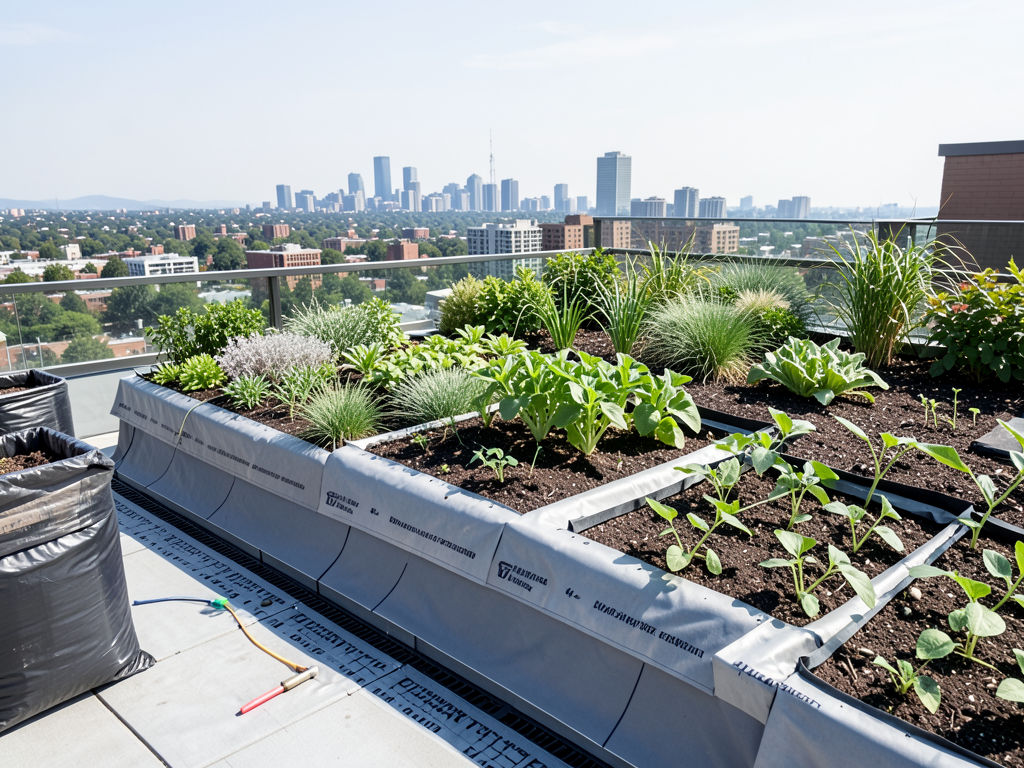
The Reality of Installing a Rooftop Garden on Your Gulch Penthouse
Adding a rooftop garden to your Gulch penthouse sounds like a dream. Lush greenery against the Nashville skyline. Fresh herbs steps from your kitchen. But before you order soil, you need to understand what your roof can actually handle. A rooftop garden is not a simple landscaping project. It is a structural modification that requires engineering review, waterproofing upgrades, and Nashville Metro permits. Metro Nashville Building Codes.
The Gulch sits on a mix of historic warehouse conversions and modern high-rises. Many buildings here were not designed to hold the weight of saturated soil, planters, and foot traffic. The first step is a structural assessment. A licensed engineer will calculate your roof’s live load capacity in pounds per square foot. Most residential roofs are rated for 20-30 psf. A saturated rooftop garden can weigh 50-150 psf depending on depth and plant selection. If your roof cannot support it, you will need reinforcement before planting anything. Reliable Residential Roofers Serving East Nashville and Inglewood.
Waterproofing is the next critical layer. Your existing membrane was likely designed for basic weather protection, not constant moisture from soil and irrigation. You will need a commercial-grade roofing system like TPO, EPDM, or PVC with reinforced root barriers. These membranes resist root penetration and chemical breakdown from fertilizers. A single tear in this layer can lead to leaks that damage your penthouse and the units below. In Nashville’s humid climate, trapped moisture also invites mold growth and wood rot. Roofing La Vergne.
Plant selection matters as much as structure. The Nashville area falls in USDA Hardiness Zone 7a/7b. That means hot summers and occasional winter freezes. Native sedums, ornamental grasses, and drought-tolerant perennials handle these swings best. Avoid shallow-rooted plants that dry out quickly or deep-rooted species that can crack planters and membranes. An irrigation system with moisture sensors will save water and protect your investment.
Metro Nashville requires a building permit for any rooftop modification that changes the roof’s use or adds significant weight. You will submit structural calculations, product specs, and a drainage plan. The city also enforces International Building Code Chapter 15 for vegetative roofs. Missing a permit can halt your project and trigger fines. Some Gulch buildings have HOA or condo board restrictions that go beyond city code. Always check those first.
Installation follows a strict sequence. First, the structural engineer signs off on load capacity. Next, the roofing contractor removes the old membrane and installs the new waterproof system with root barrier. Then the drainage layer, filter fabric, growing medium, and finally plants go in. Each layer must be tested for leaks before moving to the next. This is not a weekend DIY job. It requires licensed tradespeople and inspectors at every stage.. Read more about Why Rubber EPDM Roofing is the Best Choice for Your Flat Garage or Home Addition.
Maintenance is ongoing. Rooftop gardens dry out faster than ground-level beds. You will need a seasonal care plan for pruning, fertilizing, and checking for pests. Drainage systems can clog with sediment, so annual cleaning is essential. In winter, you may need to protect sensitive plants or switch to cold-hardy varieties. Skipping maintenance can void warranties and lead to expensive repairs. EPA Green Roofs Benefits.
The cost varies widely. A basic extensive green roof with shallow trays might run $20-30 per square foot. An intensive garden with deep beds, trees, and irrigation can exceed $50 per square foot. These prices do not include structural upgrades, which can add tens of thousands depending on your building. Always get a detailed quote that separates design, engineering, materials, and labor.. Read more about Why Your Backyard Fire Pit Might Be a Secret Hazard to Your Nashville Roof.
If you are serious about a rooftop garden, start with a free structural assessment from a Nashville roofing contractor who understands green roof systems. They can tell you if your penthouse can support it, what permits you need, and how to protect your investment from Nashville’s weather. Call (615) 640-4994 today to schedule your assessment before you buy a single plant.
Structural Assessment and Waterproofing
Before any soil touches your roof, a structural engineer must verify your building can handle the load. In the Gulch, many penthouses sit atop older concrete decks or steel frames that may need reinforcement. The engineer will measure dead load (existing roof weight) and live load (garden weight when wet). Nashville’s humid summers mean soil can hold significant moisture, increasing weight by 20-30 percent. If your roof is rated below 40 psf, you will likely need additional joists or a new deck.
Waterproofing is not optional. A standard residential membrane will fail under constant root and moisture exposure. You need a commercial roofing system with a reinforced root barrier. TPO and PVC membranes offer heat-welded seams that resist separation. EPDM provides excellent flexibility for complex shapes. All three must be installed with a protective insulation layer and drainage mat. A single puncture can lead to leaks that travel through your building’s envelope.
The drainage system is equally critical. Rooftop gardens require a sloped drainage layer to prevent puddling. This layer sits between the waterproof membrane and the growing medium. It channels water to roof drains and scuppers. Without it, water saturates the soil, stressing the structure and drowning plants. Nashville’s frequent thunderstorms can dump several inches of rain in an hour, so your system must handle peak flow. Choosing Between Shingles and Metal for Your New Hendersonville Roof.
During installation, the contractor will perform a flood test on the new membrane. They seal all drains and fill the roof with water for 24-48 hours. If the water level drops, they locate and repair the leak before proceeding. This test is mandatory under International Building Code Section 1505. This is not a step to skip. A hidden leak can cost thousands in interior damage.
Once the waterproofing passes, the contractor installs a root barrier. This is a thick, chemical-resistant sheet that blocks plant roots from reaching the membrane. Some barriers also include a drainage core to channel water away from the growing medium. The barrier must be sealed at all penetrations, including around drains and parapet walls.
Finally, the growing medium goes in. This is not garden soil. It is a lightweight engineered mix of expanded shale, compost, and sand. It drains well, resists compaction, and provides nutrients. The depth depends on your plant selection. Sedums and succulents need only 2-4 inches. Perennials and grasses may require 6-12 inches. Trees need 18-24 inches or more. Each inch adds weight, so plan accordingly.
If you skip any of these steps, you risk catastrophic failure. A collapsed deck, a major leak, or a dead garden are all possible. Work with a contractor who has completed green roof projects in Nashville and can show you engineering reports and warranty documentation.
Intensive vs. Extensive Rooftop Gardens
Choosing between intensive and extensive green roofs is not just about plant variety. It is about weight, maintenance, and cost. Extensive systems use shallow trays or mats with drought-tolerant plants like sedums. They weigh 15-25 psf when saturated and need minimal watering. They work well on roofs with limited load capacity and suit the Gulch’s modern, low-profile aesthetic.
Intensive gardens are more like traditional landscapes. They support deeper soil, larger plants, and even small trees. They require 40-100 psf of structural support and regular irrigation, pruning, and fertilization. They offer more design flexibility but cost more and need more upkeep. In Nashville’s climate, intensive gardens can provide shade and cooling but also demand careful plant selection to survive summer heat and winter freezes.
The Nashville area falls in USDA Hardiness Zone 7a/7b. That means plants must tolerate temperatures from 0 to 100 degrees Fahrenheit. Native Tennessee species like purple coneflower, black-eyed Susan, and switchgrass thrive here. Avoid tropical plants that cannot survive a rare freeze. Also avoid shallow-rooted annuals that die off each winter, leaving bare soil exposed to erosion.
Water use is another consideration. Extensive systems often rely on natural rainfall and need irrigation only during extreme drought. Intensive gardens require drip irrigation or misting systems to keep plants healthy. In Nashville’s humid climate, overwatering can cause root rot, so sensors and timers are essential. A well-designed system can reduce water use by 30-50 percent compared to ground-level landscaping.
Cost differences are significant. Extensive systems cost $20-30 per square foot installed. Intensive gardens can exceed $50 per square foot, especially if they include custom planters, lighting, or walkways. These prices do not include structural upgrades. If your roof needs reinforcement, budget an additional $10-25 per square foot for steel beams or concrete.
Maintenance also varies. Extensive gardens need quarterly checks for weeds, drainage, and plant health. Intensive gardens require weekly or bi-weekly care, including pruning, fertilizing, and pest control. In Nashville, fire ants and Japanese beetles can damage rooftop plants, so integrated pest management is important.
Before deciding, ask your contractor for a side-by-side comparison of load, cost, and maintenance for your specific building. Some Gulch penthouses may only support extensive systems. Others with newer construction can handle intensive gardens. The right choice depends on your budget, lifestyle, and long-term plans for the space.
Nashville Building Codes and Permitting
Installing a rooftop garden in Nashville is not a simple landscaping upgrade. It is a structural modification that requires permits from Metro Nashville Codes and Building Services. The city enforces the International Building Code, which includes specific sections for vegetative roofing systems. You will need a building permit, which requires engineered structural drawings, product specifications, and a detailed drainage plan.
The permitting process starts with a site visit from a plans examiner. They review your structural calculations to ensure the roof can support the added weight. If your building is in a historic district, like parts of the Gulch, you may also need approval from the Metro Historic Zoning Commission. This can add weeks to your timeline. Skipping permits can result in stop-work orders, fines, or even removal of the garden.
Nashville’s building code requires a minimum 1/4-inch per foot slope for drainage on low-slope roofs. Your drainage layer and growing medium must maintain this slope to prevent puddling. The code also mandates overflow drains to handle extreme rain events. In Middle Tennessee, where thunderstorms can drop several inches of rain in an hour, inadequate drainage can cause ponding that damages the structure and plants.
Fire safety is another consideration. The International Fire Code requires a non-combustible perimeter zone around the edge of a vegetative roof. This zone, typically 24-36 inches wide, prevents fire from spreading across the roof. In Nashville’s humid climate, dry plant material can ignite quickly if exposed to a spark or ember. Your design must include firebreaks and access for firefighters.
Accessibility is also regulated. If your garden will be open to residents or the public, it must meet ADA guidelines for walkways, handrails, and door clearances. This includes slip-resistant surfaces and proper slope for wheelchair access. Even a private garden may need an emergency egress path in case of fire or other hazards. A Homeowner’s Guide to Roof Replacement Costs in Brentwood.
Electrical and plumbing work require separate permits. Irrigation lines, lighting, and outlets must be installed by licensed electricians and plumbers. In Nashville, all electrical work must comply with the National Electrical Code, and all plumbing must meet Tennessee State Plumbing Code. These systems must be inspected before you can use the garden.
Insurance is another factor. Adding a rooftop garden changes your building’s risk profile. Notify your insurer and ask if your policy covers green roof damage, liability, and added weight. Some insurers may require an engineer’s certification before issuing coverage. Without proper insurance, a single leak or accident could cost you tens of thousands.
Finally, if your building is part of a condo association or HOA, you will need their approval. Many associations have strict rules about exterior modifications, especially in visible areas like the Gulch. Some may require a vote from all owners. Start this process early to avoid delays.
Navigating Nashville’s codes and permits can be complex. A contractor experienced with green roofs in Middle Tennessee can handle the paperwork, coordinate inspections, and keep your project on schedule. Call (615) 640-4994 to connect with a local expert who knows the process inside and out. Expert Slate and Tile Roof Restoration in Belle Meade.
Our Process: From Design to Maintenance
Installing a rooftop garden is a multi-step process that requires coordination between engineers, roofers, and landscapers. The first step is a free structural assessment. A licensed engineer evaluates your roof’s load capacity and inspects the existing membrane. They provide a report that shows whether your building can support a garden and what upgrades are needed.
Next comes design. Your contractor works with you to choose between extensive and intensive systems, select plants suited to Nashville’s climate, and plan irrigation and lighting. They also create a drainage plan that meets Metro Nashville codes. This phase includes a cost estimate that breaks down materials, labor, and permits.
Once you approve the design, the permitting process begins. Your contractor submits engineered drawings, product specs, and a drainage plan to Metro Codes. They also handle any historic district or HOA approvals. This step can take 2-6 weeks depending on the complexity of your project and the workload of city reviewers.
Installation starts with demolition. If your existing roof is old or damaged, the contractor removes the old membrane, insulation, and decking. They inspect the underlying structure for rot or rust and repair as needed. This is critical in Nashville, where humidity accelerates wood decay and metal corrosion.
The new waterproofing system goes in next. This includes a commercial-grade membrane, root barrier, and protective insulation. The contractor performs a flood test to check for leaks. If the test passes, they install the drainage layer, which channels water to roof drains and prevents puddling. This layer must maintain the required slope for proper flow.
The growing medium is installed in lifts, not all at once. Each lift is leveled and compacted to the design depth. The contractor then plants according to the design plan. For extensive systems, this may mean rolling out pre-vegetated mats. For intensive gardens, it involves placing larger plants and trees with care to avoid damaging the membrane below.
Finally, the irrigation system is installed. This includes drip lines, timers, and moisture sensors. The contractor tests the system and programs it for Nashville’s climate. They also install any lighting, walkways, or railings per the design. At this point, the city inspector returns for a final check.
Maintenance is the last step. Your contractor provides a seasonal care plan that includes watering schedules, fertilization, pruning, and pest control. They also recommend annual inspections to check for membrane damage, clogged drains, and plant health. In Nashville, where weather can shift from drought to flood in days, proactive care is essential.
If you skip any step, you risk voiding warranties or causing damage. A single missed inspection can halt your project. A single tear in the membrane can lead to costly leaks. Working with a contractor who follows this process ensures your garden is safe, legal, and built to last.
Call (615) 640-4994 to schedule your free assessment and learn how we can bring your rooftop garden vision to life, step by step.
Frequently Asked Questions
How much weight can my roof support for a garden?
Most residential roofs are rated for 20-30 pounds per square foot. A saturated rooftop garden can weigh 50-150 psf depending on depth and plant selection. A structural engineer must evaluate your building to determine if reinforcement is needed.
Do I need a permit for a rooftop garden in Nashville?
Yes. Metro Nashville requires a building permit for any rooftop modification that adds weight or changes the roof’s use. You will need engineered drawings, product specs, and a drainage plan. Historic districts and HOAs may have additional requirements.
What plants work best in Nashville’s climate?
Choose plants rated for USDA Hardiness Zone 7a/7b. Native sedums, ornamental grasses, and drought-tolerant perennials handle Nashville’s hot summers and occasional freezes. Avoid shallow-rooted annuals and tropical plants that cannot survive a rare freeze.
How do I prevent leaks with a rooftop garden?
Use a commercial-grade roofing system with a reinforced root barrier, such as TPO or PVC. Install a drainage layer to prevent puddling. Perform a flood test before planting. Inspect the membrane annually for damage. Proper installation and maintenance are the only ways to prevent leaks.
How much does a rooftop garden cost in Nashville?
Extensive systems cost $20-30 per square foot installed. Intensive gardens can exceed $50 per square foot. These prices do not include structural upgrades, which can add $10-25 per square foot. Get a detailed quote that separates design, engineering, materials, and labor.
You may also find this helpful. How to Keep Your Prize Winning Flowers Safe During a Nashville Roof Replacement.