menu

Roof Ventilation Explained in Nashville – Your Complete Guide to Attic Airflow and Energy Efficiency

Understanding how roof ventilation works protects your Nashville home from heat damage, moisture problems, and premature roof failure while cutting cooling costs year-round.

Slider Image 1
Slider Image 2
Slider Image 3
Slider Image 4
Slider Image 5
Slider Image 7
Slider Image 8
Slider Image 9
Slider Image 10
Slider Image 11

Why Nashville Roofs Need Proper Ventilation to Survive

Nashville sits in a humid subtropical zone where summer attic temperatures can spike past 150 degrees. Without proper ventilation, that trapped heat doesn't just make your air conditioner work harder. It cooks your shingles from underneath, warps decking, and creates condensation that breeds mold in your insulation.

The principles of attic ventilation are simple but critical. Hot air rises. If that air has nowhere to escape, it stagnates and damages everything it touches. In Middle Tennessee, the combination of high humidity and intense solar gain makes ventilation even more important than in drier climates.

Most homeowners don't think about airflow until they see curling shingles or feel heat radiating through their ceiling. By then, the damage is already underway. Your roof is a system, and ventilation is the exhaust. Block the exhaust, and the engine overheats.

Understanding roof airflow starts with two concepts: intake and exhaust. Cool air enters through soffit vents at the eaves. Hot air exits through ridge vents, gable vents, or powered fans at the peak. This creates a continuous cycle that removes heat and moisture before they can cause harm.

Nashville's older homes, especially in neighborhoods like East Nashville and Germantown, often lack adequate intake vents. Builders focused on aesthetics, not airflow. Modern building codes require balanced ventilation, but legacy homes still suffer. An attic ventilation guide tailored to your specific roof design is the first step toward solving chronic heat and moisture problems that cost you money every month.

Why Nashville Roofs Need Proper Ventilation to Survive
How Roof Ventilation Actually Works in Your Attic

How Roof Ventilation Actually Works in Your Attic

Roof venting basics rely on physics, not guesswork. Convection drives the process. As attic air heats up, it becomes less dense and rises toward the roof peak. If you have ridge vents or other high-mounted exhaust points, that hot air escapes. Fresh, cooler air gets pulled in through soffit vents at the bottom to replace it. This creates a natural convection loop that runs continuously as long as the sun is shining.

The key is balance. You need equal intake and exhaust. Too much exhaust and not enough intake means the system pulls conditioned air from your living space through ceiling penetrations. Too much intake and weak exhaust means hot air lingers and never fully evacuates. The ratio matters.

Most building codes call for one square foot of net free ventilation area for every 150 square feet of attic space, split evenly between intake and exhaust. But Nashville's heat load often demands more. Titan Roofing Nashville calculates actual ventilation needs based on roof pitch, attic square footage, insulation type, and sun exposure.

Ridge vents are the gold standard for exhaust because they run the entire length of the peak, creating a uniform exit path. Pair them with continuous soffit vents, and you get an efficient, low-maintenance system. Gable vents work but create uneven airflow patterns. Turbine vents and powered attic fans can help in extreme cases, but they add complexity and maintenance.

The difference between a properly vented attic and a poorly vented one is measurable. A well-vented attic in Nashville might run 10 to 20 degrees cooler than the outside air. A poorly vented attic can hit 30 to 40 degrees above ambient. That extra heat transfers into your living space, making your HVAC system cycle longer and work harder.

What Happens During a Ventilation Assessment

Roof Ventilation Explained in Nashville – Your Complete Guide to Attic Airflow and Energy Efficiency
01

Attic Inspection and Measurement

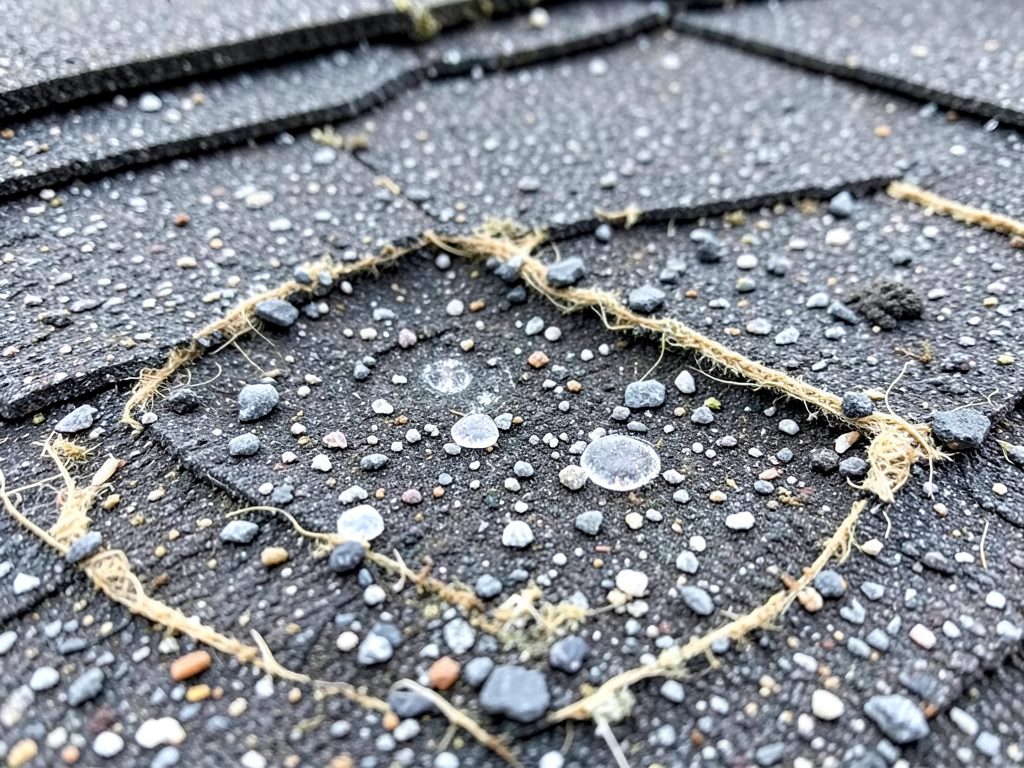
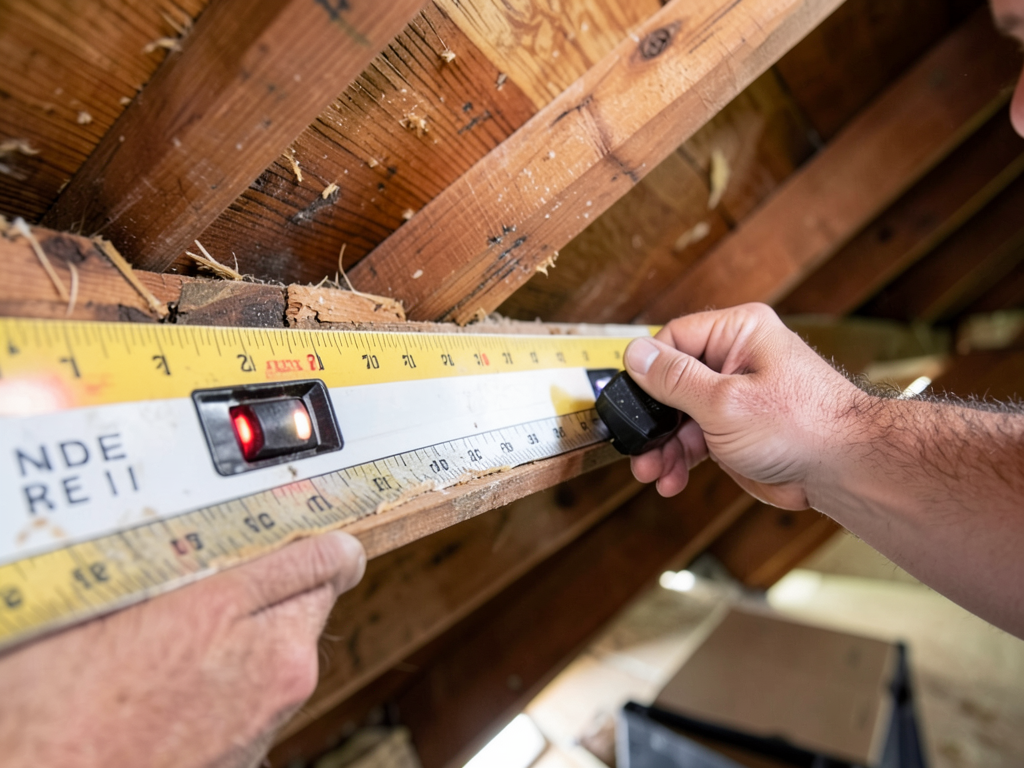
We start by accessing your attic to measure square footage, inspect insulation depth, and identify existing vents. We check for blocked soffit vents, disconnected baffles, and signs of moisture damage like staining or mold growth. We also measure roof pitch and document shingle condition, because poor ventilation shows up as premature granule loss and thermal cracking.
02

Airflow Calculation and Design

Using your attic's dimensions and roof layout, we calculate the net free area required for balanced ventilation. We evaluate existing vents to determine if they meet code and if airflow is restricted by insulation blocking soffit intakes. We design a ventilation plan that balances intake and exhaust, accounting for Nashville's climate and your roof's specific geometry.
03

Recommendation and Implementation Plan

We provide a written recommendation with photos showing problem areas. If you need additional vents, we explain where they'll go and why. If your system just needs cleaning or unblocking, we outline that too. You get a clear action plan with options, not a sales pitch. Implementation can happen during a roof replacement or as a standalone upgrade.

Why Titan Roofing Nashville Understands Local Ventilation Needs

Nashville's roofing market is full of crews who install shingles but don't think about the attic. They slap down ridge vents because they look modern, but they don't verify soffit intake or calculate airflow. That leaves homeowners with cosmetic upgrades that don't fix the underlying problem.

Titan Roofing Nashville approaches ventilation as a system, not an accessory. We've worked on hundreds of homes across Davidson County, from 1920s bungalows in Sylvan Park to new builds in Thompson's Station. We know which neighborhoods have solid soffit construction and which ones need retrofit intake solutions. We know how Nashville's humidity interacts with attic insulation and where condensation tends to form.

We also understand local building codes and how they've evolved. Older homes weren't required to meet modern ventilation standards, which means many still operate with minimal airflow. Upgrading ventilation during a roof replacement or repair is the most cost-effective time to solve the problem, because the roof deck is already exposed.

Our inspectors don't just look at vents. We look at insulation baffles, check for air sealing gaps around penetrations, and verify that attic fans are properly wired and controlled. Poor ventilation often compounds other issues like inadequate insulation or duct leakage, so we take a whole-house perspective.

We also educate homeowners on what they're paying for. Ventilation upgrades aren't flashy, but they extend shingle life, reduce cooling costs, and prevent moisture damage that can lead to expensive structural repairs. When you understand the return on investment, the decision becomes easy. You're not spending money on vents. You're protecting a major asset and lowering your operating costs.

What to Expect When You Address Roof Ventilation

Fast Assessment and Clear Answers

Most attic inspections take less than an hour. We access your attic, take measurements, document existing vents, and assess airflow. You'll get photos and a written summary the same day. If you need ventilation improvements, we explain what's required and why. If your system is adequate, we tell you that too. No upselling, no guesswork. Just honest evaluation based on engineering principles and local building standards.

Detailed Ventilation Calculations

We calculate net free area based on your attic's square footage and roof pitch. We compare that to existing intake and exhaust capacity. If you're underventilated, we show you the gap and recommend specific products to close it. Ridge vents, soffit vents, gable vents, and baffles all have different flow characteristics. We match the solution to your roof's layout and your budget. You'll know exactly what you're getting and why it matters.

Professional Installation During Roofing Work

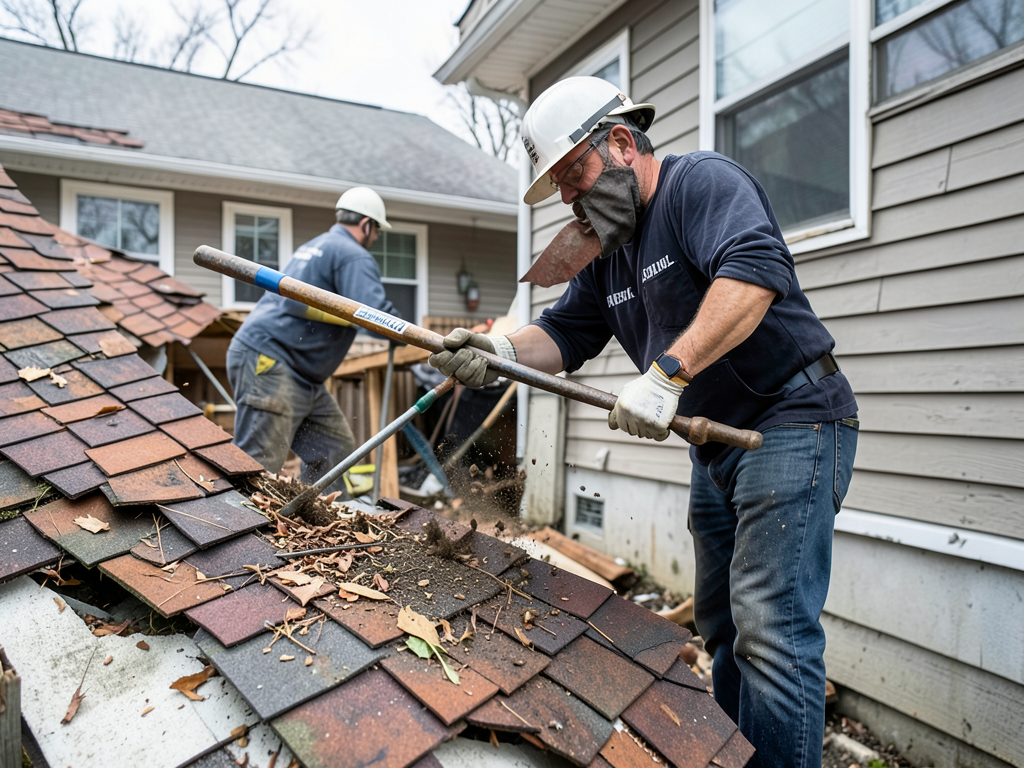
Ventilation upgrades happen during roof replacement or as standalone projects. Installing ridge vents requires cutting the roof deck along the peak and installing a vented cap. Adding soffit vents means cutting openings in the eaves and installing screened covers. Baffles get stapled between rafters to maintain airflow over insulation. Every component gets installed to manufacturer specs and local code. The result is a balanced system that works quietly and efficiently for decades.

Long-Term Performance and Maintenance

Properly installed ventilation requires almost no maintenance. Ridge vents and soffit vents are passive systems with no moving parts. Inspect them annually to make sure they're not blocked by debris, insulation, or wasp nests. Powered attic fans need occasional cleaning and motor checks. If you notice increased cooling costs, attic moisture, or shingle damage, schedule a ventilation reassessment. Most systems last the life of the roof if installed correctly from the start.

Frequently Asked Questions

You Have Questions,
We Have Answers

How does a roof ventilation system work? +

Roof ventilation uses intake vents at the eaves and exhaust vents near the ridge to create continuous airflow. Cool air enters through soffit or eave vents, rises through the attic as it warms, and exits through ridge vents or other exhaust points. This natural convection cycle removes heat and moisture that build up in your attic space. In Nashville's humid climate, this system prevents condensation damage during winter and reduces cooling costs during summer by expelling hot air before it radiates into living spaces. Proper ventilation requires balanced intake and exhaust to maintain consistent airflow.

What is the proper venting for a roof? +

Proper roof venting balances intake and exhaust at a 1:1 ratio. Intake vents install at the eaves or soffits, while exhaust vents sit near the ridge. You need one square foot of ventilation per 150 square feet of attic space when intake and exhaust are balanced. In Nashville, continuous soffit vents paired with ridge vents work best for our humid conditions. Avoid mixing exhaust types like ridge vents with box vents, which disrupts airflow patterns. The ventilation path must remain unobstructed from soffit to ridge for effective moisture and heat removal year-round.

What is the 1 to 300 rule for ventilation? +

The 1 to 300 rule requires one square foot of ventilation for every 300 square feet of attic floor space. This applies when you lack a proper vapor barrier or when intake and exhaust are not balanced. With balanced ventilation and a vapor barrier, the requirement drops to 1:150. Nashville building codes typically follow the 1:150 standard. For a 1,500 square foot attic, you need 10 square feet of total ventilation, split evenly between intake and exhaust. This calculation ensures adequate airflow to handle our region's humidity and summer heat.

Does roof ventilation really work? +

Yes, roof ventilation works when installed correctly. Studies show proper attic ventilation reduces summer attic temperatures by 30 to 40 degrees, which lowers cooling costs and extends shingle life. In Nashville's climate, ventilation also prevents moisture buildup that causes mold, wood rot, and insulation damage during humid winter months. The system only works with balanced intake and exhaust. Blocked soffit vents or insufficient ridge venting creates dead air zones that trap heat and moisture. You need clear airflow from eave to ridge for the physics of convection to function properly.

Can rain come in through roof vents? +

Rain should not enter through properly installed roof vents. Ridge vents use baffled designs that block wind-driven rain while allowing air to escape. Static vents and turbines have similar rain guards. Problems occur when vents are damaged, installed incorrectly, or when flashing fails. During Nashville's heavy thunderstorms, wind can occasionally force water past compromised vents. If you notice water intrusion, check for damaged vent caps, missing underlayment, or improper flashing installation. Quality vents installed to manufacturer specifications handle even severe weather without leaking. Water entry indicates installation failure, not a design flaw.

Do I need vent baffles in every rafter? +

You do not need vent baffles in every rafter space, but you should install them wherever soffit vents exist below. Baffles maintain a clear airflow channel between the roof deck and insulation, preventing insulation from blocking soffit vents. In Nashville homes, blown insulation often migrates and covers eave vents, which kills intake airflow. Install baffles in at least every third rafter bay, or wherever you have continuous soffit venting. They cost little but prevent thousands in ventilation failures. Skip them only if you use raised-heel trusses with built-in airflow channels above the insulation plane.

Why don't people use attic fans anymore? +

Attic fans fell out of favor because they often create negative pressure that pulls conditioned air from living spaces through ceiling leaks. This wastes energy and increases cooling costs instead of reducing them. Modern ridge vent systems use passive convection, which works continuously without electricity and avoids pressure imbalances. In Nashville's climate, passive ventilation handles heat and moisture more efficiently. Solar attic fans offer a middle ground but still risk depressurization. Proper passive ventilation with balanced intake and exhaust outperforms powered fans while eliminating operating costs and the risk of pulling cooled air from your home.

What happens if a roof isn't vented? +

An unvented roof traps heat and moisture, causing serious damage. Summer attic temperatures exceed 150 degrees, which degrades shingles from below and raises cooling costs. In Nashville's humid winters, trapped moisture condenses on roof decking, causing mold growth, wood rot, and insulation degradation. Ice dams form when heat melts snow that refreezes at eaves. Manufacturers may void shingle warranties if ventilation requirements are not met. You will see premature shingle failure, structural wood damage, and indoor air quality problems. Unvented roofs fail faster and cost more to operate than properly ventilated systems.

What are the rules for roof ventilation? +

Nashville follows International Residential Code requirements for roof ventilation. You need one square foot of net free ventilation area per 150 square feet of attic space, split equally between intake and exhaust. Intake vents must sit low at eaves or soffits, while exhaust vents install within three feet of the ridge. Ventilation must provide continuous airflow without dead zones. Gable vents alone are insufficient. You cannot mix exhaust vent types, which disrupts airflow patterns. All ventilation openings require screens to block insects and debris. Local inspectors verify compliance during final roof inspections for new construction and major re-roofs.

How many roof vents for a 2000 sq ft house? +

A 2,000 square foot house needs roughly 13 square feet of net free ventilation area, divided equally between intake and exhaust. This assumes your attic floor area matches your home's footprint. Install continuous soffit vents for intake and ridge vents for exhaust to distribute airflow evenly. In Nashville's climate, this setup handles heat and humidity effectively. The exact requirement depends on roof pitch, insulation type, and vapor barrier presence. A roofing contractor should calculate your specific needs based on attic measurements and local code requirements. Undersized ventilation causes premature roof failure and moisture damage.

How Nashville's Humidity and Heat Make Roof Ventilation Critical

Nashville averages 119 days per year with temperatures above 80 degrees. Summer humidity regularly sits above 70 percent, even in the morning. That combination creates ideal conditions for attic moisture problems. When hot, humid air enters your attic and hits cooler surfaces at night, it condenses. That moisture soaks into insulation, rots decking, and promotes mold growth. Proper ventilation removes humid air before it can condense, protecting your home's structure and indoor air quality.

Middle Tennessee building codes have tightened ventilation requirements over the past two decades, but many homes in East Nashville, Bellevue, and Green Hills were built before those standards existed. Titan Roofing Nashville works with homeowners to bring older homes up to modern performance levels without triggering full code compliance retrofits. We know which solutions meet current standards and which ones just look good on paper. Local expertise matters because every neighborhood has different roof styles, attic layouts, and common ventilation failures.
Roofing Services in The Nashville Area

Titan Roofing Nashville is proud to serve the entire Nashville area, including surrounding communities. View our location on the map to see where our trusted services are available. We are dedicated to providing prompt, localized roofing solutions, so reach out today to confirm service in your specific neighborhood or to schedule an on-site consultation at your convenience.

Address:
Titan Roofing Nashville, 720 Music Cir E, Nashville, TN, 37203

Additional Services We Offer

Our news updates

Latest Articles & News from The Blogs

The Dangers of Leaving Old Satellite Dishes Bolted to Your Roof in Berry Hill Old satellite dishes bolted to your…

The Dangers of Leaving Old Satellite Dishes Bolted to Your Roof in Berry Hill

The Dangers of Leaving Old Satellite Dishes Bolted to Your Roof in Berry Hill Old satellite dishes bolted to your…

How to Safely Inspect Your Roof for Damage Using Just a Pair of Binoculars

The Safe Way to Inspect Your Nashville Roof: A Homeowner’s Guide Living in Nashville means your roof faces intense spring…

Creative Ways to Use Your Flat Roof for an Outdoor Living Area in 12 South

Creative Ways to Use Your Flat Roof for an Outdoor Living Area in 12 South Living in 12 South means…

Contact Us

Don't wait until heat damage or moisture problems compromise your roof. Call Titan Roofing Nashville at (615) 640-4994 to schedule a free attic ventilation assessment. We'll measure your system, calculate your needs, and give you honest answers about what's working and what's not.