
Why Your Chimney is the Most Likely Place for a Roof Leak in Hermitage
Your chimney creates the weakest point in your roof’s defense system. In Hermitage’s freeze-thaw climate water seeps behind aging flashing and expands when it freezes forcing gaps wider each winter. This creates a perfect entry point for rain to penetrate your attic and cause thousands in damage before you even notice a stain on your ceiling. chimney flashing repair.
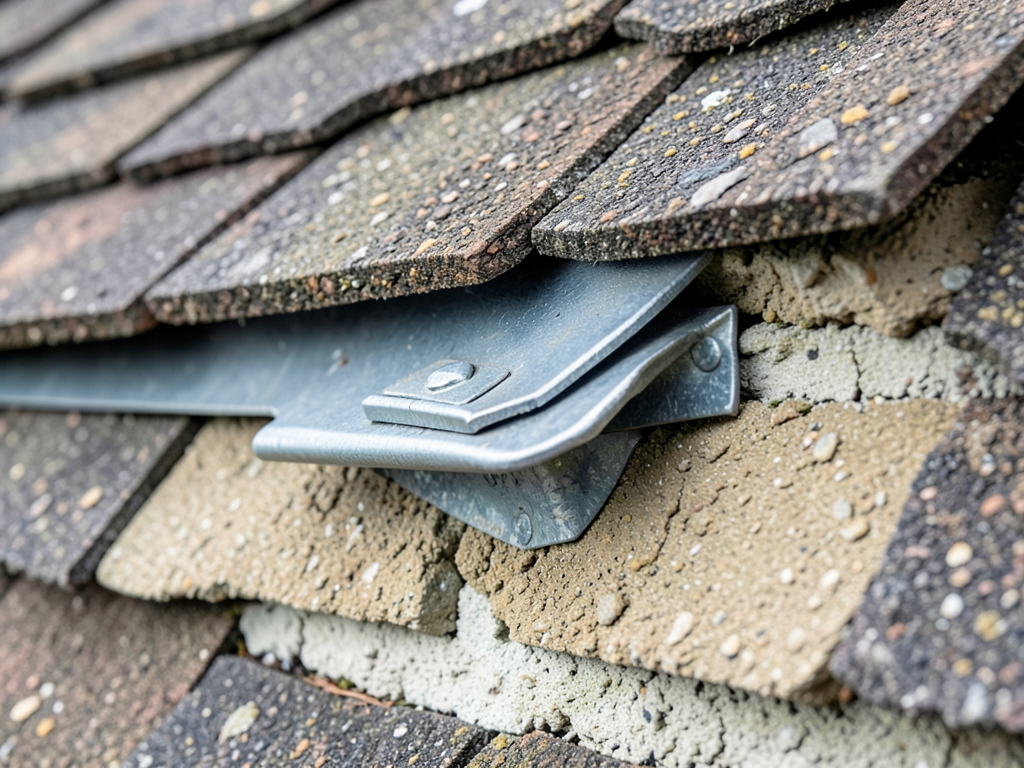
Chimney flashing connects your chimney to your roof using two layers: step flashing woven into shingles and counter flashing embedded in mortar. When these fail water bypasses your roof’s waterproof barrier entirely. The problem worsens in Hermitage because our seasonal temperature swings cause metal flashing to expand and contract more than in milder climates eventually breaking the sealant bond.
Most chimney leaks start at the corners where flashing meets mortar joints. Water follows the path of least resistance and these corner joints create natural channels. Once water gets behind the flashing it travels down the chimney structure into your attic or walls. The damage often appears far from the actual leak point making diagnosis tricky without professional inspection.
Chimney crickets become essential in Hermitage due to our heavy rainfall patterns. These small peaked structures divert water around the chimney preventing ponding that accelerates flashing deterioration. Homes built before 2010 often lack proper crickets making them especially vulnerable to chimney-related leaks during Nashville’s frequent spring storms.
Warning Signs Your Chimney Flashing is Failing
Water stains on your ceiling near the chimney wall indicate flashing problems. These stains often appear as yellowish-brown rings that grow larger after heavy rain. The stain location rarely matches the leak source due to water traveling along roof decking before dripping through your ceiling.
Dampness or water in your firebox after rain signals flashing failure. Water enters through gaps in the flashing and travels down the chimney’s exterior dripping into the fireplace. This moisture creates perfect conditions for mold growth inside your chimney structure potentially affecting indoor air quality.
Rusted damper components suggest chronic moisture exposure from flashing leaks. When water consistently enters through faulty flashing it corrodes metal parts inside your fireplace. You might notice difficulty opening the damper or visible rust on the handle and frame.
Cracked or missing mortar joints around your chimney indicate freeze-thaw damage that extends beyond just the flashing. When water freezes behind failing flashing it also affects the chimney’s masonry structure. These cracks allow even more water infiltration creating a destructive cycle that worsens each winter.
Efflorescence on chimney bricks shows water is moving through the masonry. This white powdery substance forms when water carries minerals to the brick surface and evaporates. While not harmful itself efflorescence proves your chimney structure is saturated with moisture from flashing failures.
Our Hermitage Chimney Repair Process
We start with a comprehensive chimney inspection using moisture meters and thermal imaging. These diagnostic tools reveal water infiltration patterns that aren’t visible to the naked eye. Our technicians check for hidden damage in the attic and behind walls where leaks often travel before becoming obvious.
Old sealant removal requires careful scraping to avoid damaging surrounding shingles or brick. We use specialized tools that remove hardened caulk without gouging the metal flashing underneath. This preparation step ensures new sealant bonds properly to clean surfaces.
Custom metal bending creates flashing that matches your chimney’s exact dimensions. We use galvanized steel or copper depending on your home’s architecture and budget. The metal is bent on-site to ensure perfect fit around corners and unusual chimney shapes common in Hermitage’s mix of historic and modern homes. Solving Common Flat Roof Leaks for Downtown Nashville Condos.
Counter flashing installation involves cutting into mortar joints and embedding the metal. This creates a permanent water barrier that won’t pull away like surface-mounted flashing. We use polyurethane sealant rated for Tennessee’s temperature extremes which remains flexible through freeze-thaw cycles. Tennessee weather patterns.
Waterproofing application protects the entire chimney structure after flashing repair. We use breathable masonry sealers that repel water while allowing moisture vapor to escape. This prevents future freeze-thaw damage to the chimney’s brick and mortar structure. Roofing La Vergne.
Types of Flashing We Install in Hermitage
Step flashing creates the primary waterproof barrier where shingles meet the chimney. These L-shaped pieces are woven into each shingle course and extend up the chimney wall. We use 26-gauge galvanized steel for standard installations or copper for historic homes in neighborhoods like Old Hickory Village.
Counter flashing provides the secondary barrier by embedding into mortar joints. This metal extends over the step flashing creating a two-layer defense system. The counter flashing must be cut deep enough into mortar to prevent wind-driven rain from entering behind it.
Chimney crickets become mandatory for chimneys wider than 30 inches on roofs with pitches over 4:12. These peaked structures divert water around the chimney preventing the ponding that accelerates flashing deterioration. In Hermitage’s heavy rain climate crickets can extend your flashing’s lifespan by years.
Saddle flashing connects the cricket to the main roof structure. This metal bridges the gap between the cricket’s peak and surrounding shingles creating a continuous waterproof surface. We use ice and water shield under saddle flashing for extra protection during freeze-thaw cycles. Choosing Between Shingles and Metal for Your New Hendersonville Roof.
Base flashing forms the foundation of the flashing system where the chimney meets the roof deck. This continuous metal strip prevents water from seeping under shingles at the chimney’s base. We install it with a 4-inch overlap on all sides for maximum protection.
Why Nashville Weather Demands High-Quality Flashing
Middle Tennessee’s temperature swings cause metal flashing to expand and contract more than in coastal areas. Our winters regularly see 30-40 degree temperature changes in 24 hours stressing sealant joints. Standard caulk fails within 2-3 years under these conditions while polyurethane sealants last 7-10 years.
Spring thunderstorms in Hermitage dump 2-4 inches of rain in hours testing flashing’s ability to handle sudden water volume. Our region’s clay soil absorbs water slowly creating runoff that flows toward foundations and can back up under roof edges near chimneys.
Hail damage in Middle Tennessee often dents metal flashing creating weak points where corrosion starts. Once the protective coating is compromised exposure to Tennessee’s humidity accelerates rust formation. Copper flashing resists hail damage better but costs 3-4 times more than galvanized steel.
Fall leaf accumulation around chimneys creates drainage problems that trap moisture against flashing. Deciduous trees common in Hermitage neighborhoods drop leaves that decompose into acidic material slowly eating away at metal flashing and mortar joints.
Winter ice dams form when heat escapes through the chimney melting snow that refreezes at roof edges. This ice can lift flashing away from the chimney creating gaps that admit water during thaw cycles. Proper attic insulation and ventilation prevent this destructive cycle.
Cost Factors for Chimney Flashing Repair in Hermitage
Material selection significantly impacts repair costs. Galvanized steel flashing costs $15-20 per linear foot installed while copper runs $35-50 per foot. The price difference reflects copper’s superior longevity in Tennessee’s corrosive environment and its aesthetic appeal for historic homes. 24/7 Emergency Roof Repair.
Chimney size and complexity affect labor time. Simple chimneys with straight sides take 4-6 hours to repair while complex designs with multiple offsets or decorative elements require 8-12 hours. Multi-flue chimneys need custom flashing pieces that increase both material and labor costs.
Roof pitch influences repair difficulty and safety requirements. Steep roofs over 8:12 pitch require additional safety equipment and slow work progress. Each additional pitch increment can add 25-50% to labor costs due to increased time and risk.
Existing damage extent determines whether repair or replacement is more cost-effective. Minor sealant failures cost $300-500 to repair while complete flashing replacement runs $1,500-3,000 depending on chimney size and material choice.
Cricket installation adds $800-1,500 to flashing repair costs but prevents future problems. Homes built before current building codes often lack these structures making them prime candidates for comprehensive chimney repair that includes cricket installation.
Chimney Cricket Installation: Essential for Hermitage Homes
Chimney crickets prevent water from pooling behind your chimney a common problem in Hermitage’s heavy rain climate. These peaked structures divert water around the chimney rather than allowing it to collect and seep through flashing joints. Homes built before 2010 often lack proper crickets making them especially vulnerable to chimney-related leaks.
Building codes in Davidson County require crickets for chimneys wider than 30 inches on roofs with pitches over 4:12. However we recommend crickets for any chimney wider than 24 inches due to Hermitage’s rainfall patterns. The small additional cost provides significant protection against water damage.
Crickets extend your flashing’s lifespan by preventing the ponding that accelerates deterioration. Water standing behind a chimney creates constant moisture exposure that breaks down sealant and causes metal corrosion. A properly installed cricket eliminates this problem entirely protecting your investment for decades.
Custom crickets match your home’s architecture and roof pitch. We build them from galvanized steel aluminum or copper to match your existing flashing. The cricket’s pitch typically matches or slightly exceeds your roof’s pitch to ensure complete water diversion during heavy storms.
Ice and water shield installation under cricket flashing provides extra protection during freeze-thaw cycles. This self-adhering membrane creates a waterproof barrier that remains flexible in cold temperatures. Combined with proper cricket design it prevents the ice dam formation that lifts flashing away from chimney walls.
DIY Chimney Flashing Repair: Why It’s Risky in Tennessee
DIY chimney flashing repair often creates more problems than it solves. Without proper tools and experience homeowners frequently damage surrounding shingles or create gaps that admit more water than the original leak. Tennessee’s building codes require specific flashing installation methods that most DIYers don’t know.
Working on steep Hermitage roofs poses serious safety risks. Falls from roofs cause thousands of injuries annually and chimney work requires working at heights while handling tools and materials. Professional roofers use safety equipment and have training in fall prevention that most homeowners lack.
Incorrect sealant selection leads to premature failure. Many homeowners use silicone caulk that can’t handle Tennessee’s temperature swings. Professional-grade polyurethane sealants cost more but last 5-7 times longer in our climate. Using the wrong product wastes money and leaves your home vulnerable to water damage.
Hidden damage often goes undetected in DIY repairs. Water traveling along roof decking can cause rot in rafters or ceiling joists before showing visible signs. Professional inspections using moisture meters and thermal imaging reveal this hidden damage that DIY repairs miss allowing you to address problems before they worsen.
Insurance complications arise when unlicensed work causes damage. If your DIY flashing repair fails and causes water damage insurance companies might deny claims based on unlicensed work. Professional repairs include documentation that supports insurance claims if future problems develop.
Choosing the Right Sealant for Tennessee Weather
Polyurethane sealants outperform silicone in Middle Tennessee’s climate. While silicone costs less it becomes brittle in cold temperatures and fails within 2-3 years. Polyurethane remains flexible through 100-degree temperature swings and lasts 7-10 years when properly applied to clean dry surfaces.
Application temperature matters more than many homeowners realize. Sealants applied below 40°F or above 90°F won’t cure properly leading to premature failure. We schedule flashing repairs during optimal temperature ranges and use accelerators when necessary to ensure proper curing in cooler conditions.
Surface preparation determines sealant longevity. We clean metal surfaces with solvents to remove oxidation and apply primer when necessary. Skipping these steps causes sealant to peel away within months regardless of the product’s quality. Proper preparation adds time to repairs but extends sealant life by years.
UV resistance becomes critical in Tennessee’s sunny climate. Standard sealants break down under UV exposure becoming chalky and losing flexibility. We use UV-resistant formulations specifically designed for roof applications that maintain their properties despite constant sun exposure.
Moisture-curing sealants work best for chimney applications. These products cure by absorbing atmospheric moisture creating stronger bonds in Tennessee’s humid climate. They also fill small gaps better than air-curing products creating more complete waterproof seals around irregular flashing shapes.
Historic Chimney Preservation in Hermitage
Hermitage’s historic homes require special consideration for flashing repair. Many pre-1950 chimneys used lime mortar that’s softer than modern Portland cement. Using aggressive cleaning methods or modern sealants on these structures can cause irreparable damage to the historic masonry.
Copper flashing often matches historic home aesthetics better than galvanized steel. While more expensive copper develops a patina that complements older brick and won’t clash with historic architecture. We use techniques that preserve original mortar while installing modern waterproofing underneath. Roofing Columbia.
Building code variances exist for historic structures in Davidson County. We work with preservation boards to ensure flashing repairs maintain historic character while meeting modern waterproofing standards. This often involves custom-fabricated flashing pieces that match original profiles while using modern materials underneath.
Chimney height affects flashing design in historic homes. Many older chimneys extend above current roof lines for better draft. These tall chimneys experience more wind exposure and temperature extremes requiring enhanced flashing systems that handle greater movement without failing.
Mortar analysis helps determine appropriate repair methods. We test historic mortar composition before beginning work to ensure new materials are compatible. Using modern cement-based products on historic lime mortar can cause spalling and accelerated deterioration of the original structure.
Emergency Steps After Severe Weather
Heavy storms in Hermitage can cause sudden chimney flashing failures. If you notice water entering your home during rain place buckets under active leaks to prevent ceiling damage. Move furniture and valuables away from affected areas to minimize property damage while waiting for professional help.
Temporary tarping can prevent further water intrusion if you can safely access your roof. Use heavy-duty tarps secured with 2×4 boards rather than nails which create additional leak points. However never attempt roof access during active storms or when surfaces are wet and slippery.
Document damage with photos for insurance purposes before making temporary repairs. Take clear pictures of water stains active leaks and any visible roof damage. This documentation helps when filing claims and can speed up the insurance process if professional repairs are needed.
Check your attic for hidden damage after severe weather. Use a flashlight to look for wet spots on rafters insulation or roof decking near the chimney. Water often travels along these structures before dripping through ceilings so attic inspection reveals the true extent of damage.
Avoid using your fireplace if you suspect flashing damage. Water entering through flashing can cause dangerous chimney downdrafts or damage to fireplace components. Turn off any gas supply to gas fireplaces and avoid using wood-burning fireplaces until professional inspection confirms safety.
Preventative Maintenance for Chimney Flashing
Annual chimney inspections catch minor flashing problems before they cause major damage. We check sealant integrity look for corrosion spots on metal flashing and examine mortar joints for early signs of deterioration. Catching these issues early typically costs 70% less than emergency repairs after water damage occurs.
Gutter cleaning prevents water backup that stresses chimney flashing. Clogged gutters cause water to overflow and run down chimney sides accelerating flashing deterioration. Clean gutters at least twice yearly more often if your Hermitage home has many surrounding trees.
Moss and algae removal protects flashing from acidic damage. These organisms trap moisture against metal surfaces and produce acids that corrode flashing over time. We use gentle cleaning methods that remove growth without damaging roofing materials or flashing coatings.
Sealant reapplication extends flashing life in high-stress areas. Corner joints and areas around roof penetrations benefit from fresh sealant every 3-4 years. This preventative maintenance costs far less than replacing flashing that fails due to neglected sealant joints.
Roof ventilation affects chimney flashing longevity. Poor attic ventilation creates ice dams in winter and excessive heat in summer both of which stress flashing joints. Ensure your attic has proper intake and exhaust ventilation to maintain stable roof temperatures year-round.
Why Choose Professional Chimney Flashing Repair
Professional flashing repair includes warranty protection that DIY work cannot match. We guarantee our workmanship for 5 years and use materials with manufacturer warranties up to 20 years. This protection means you won’t pay twice if problems develop from installation errors.
Experience with local building codes ensures your repair meets all requirements. Davidson County has specific flashing installation standards that vary from other areas. Our technicians know these requirements and ensure your repair passes inspection if you ever sell your home.
Proper disposal of old materials prevents environmental contamination. Flashing removal generates sharp metal pieces and old sealant that can harm pets or wildlife. We handle all disposal according to environmental regulations protecting your family and the environment.
Insurance documentation provides protection if future problems develop. We provide detailed reports showing repair methods materials used and warranty information. This documentation supports insurance claims and can be valuable if you sell your home and need to prove repair quality to buyers.
Time savings add up quickly with professional repair. What might take you several weekends of work we complete in one day with better results. Your time has value and professional repair lets you focus on other priorities while we handle the technical work.
Final Thoughts on Chimney Flashing Protection
Your chimney represents one of your home’s most vulnerable points for water intrusion. In Hermitage’s challenging climate proper flashing installation and maintenance aren’t optional—they’re essential for protecting your investment. The small cost of professional flashing repair pales compared to the thousands you might spend fixing water damage to ceilings walls and insulation.
Don’t wait for visible leaks to appear before addressing flashing problems. By then water has already damaged hidden structures in your home. Annual inspections and prompt repairs of minor issues prevent the emergency situations that cost the most to fix and cause the greatest inconvenience.
Quality materials and proper installation techniques make the difference between flashing that lasts 5 years and flashing that protects your home for 20+ years. We use commercial-grade materials and installation methods that handle Tennessee’s temperature extremes and heavy rainfall patterns.
Whether you need minor repairs or complete flashing replacement professional service ensures the job is done right the first time. Our experience with Hermitage’s specific weather challenges and building requirements means your repair will withstand whatever Mother Nature throws at it.
Call (615) 640-4994 today to schedule your chimney flashing inspection. Don’t let a small flashing problem turn into a major water damage disaster. Our experienced technicians will evaluate your chimney’s condition and recommend the most cost-effective solutions to keep your home dry and protected.
Pick up the phone and call (615) 640-4994 before the next storm hits. Water waits for no one and a small leak today becomes a flooded ceiling tomorrow. Protect your Hermitage home with professional chimney flashing repair from technicians who understand our local climate challenges.
Frequently Asked Questions
How much does chimney flashing repair cost in Hermitage?
Chimney flashing repair costs in Hermitage typically range from $300-500 for minor sealant repairs to $1,500-3,000 for complete flashing replacement. Factors affecting price include chimney size material choice roof pitch and whether cricket installation is needed. We provide detailed written estimates before starting any work.
How long does chimney flashing last in Tennessee weather?
Quality chimney flashing lasts 15-20 years in Tennessee when properly installed with appropriate materials. However harsh weather poor installation or lack of maintenance can reduce lifespan to 5-7 years. Annual inspections help identify problems early and extend your flashing’s effective life through timely maintenance.
Can chimney flashing be repaired or does it need replacement?
Minor sealant failures and small corrosion spots can be repaired for $300-500. However widespread deterioration separated flashing or extensive water damage requires complete replacement. We assess each situation and recommend repair or replacement based on what provides the most cost-effective long-lasting solution for your specific situation.
What causes chimney flashing to fail?
Chimney flashing fails primarily due to Tennessee’s freeze-thaw cycles which cause metal expansion and contraction that breaks sealant bonds. Other causes include UV exposure that degrades sealant hail damage that dents metal and poor initial installation. Homes built before 2010 often lack proper crickets accelerating flashing deterioration.
How can I prevent chimney flashing problems?
Prevent chimney flashing problems through annual inspections gutter cleaning to prevent water backup moss removal to prevent acidic damage and sealant reapplication every 3-4 years in high-stress areas. Proper attic ventilation also prevents ice dams that can lift flashing away from chimney walls during freeze-thaw cycles.
Is chimney flashing repair covered by homeowners insurance?
Insurance typically covers sudden damage from covered perils like fallen trees or hail storms but not gradual deterioration from age or poor maintenance. If your flashing fails due to a covered event repairs might be covered. Normal wear and tear that leads to leaks is usually excluded from coverage.
{
“@context”: “https://schema.org”,
“@type”: “BlogPosting”,
“headline”: “Why Your Chimney is the Most Likely Place for a Roof Leak in Hermitage”,
“description”: “Chimney flashing fails faster in Hermitage due to freeze-thaw cycles. Learn warning signs, repair costs, and why professional flashing repair protects your home.”,
“wordCount”: 3458,
“datePublished”: “2026-03-08T12:16:00.000Z”,
“dateModified”: “2026-03-08T12:16:00.000Z”,
“inLanguage”: “en-US”,
“mainEntityOfPage”: {
“@type”: “WebPage”,
“@id”: “https://titanroofingnashville.com”
},
“publisher”: {
“@type”: “LocalBusiness”,
“name”: “Titan Roofing Nashville”,
“url”: “https://titanroofingnashville.com”
},
“author”: {
“@type”: “Organization”,
“name”: “Titan Roofing Nashville”,
“url”: “https://titanroofingnashville.com”
},
“image”: {
“@type”: “ImageObject”,
“url”: “https://titanroofingnashville.com/wp-content/uploads/2026/03/why-your-chimney-is-the-most-likely-place-for-a-ro-1.png”
}
}
{
“@context”: “https://schema.org”,
“@type”: “RoofingContractor”,
“name”: “Titan Roofing Nashville”,
“url”: “https://titanroofingnashville.com”,
“address”: {
“@type”: “PostalAddress”,
“addressLocality”: “Nashville”
},
“areaServed”: {
“@type”: “City”,
“name”: “Nashville”
}
}
{
“@context”: “https://schema.org”,
“@type”: “FAQPage”,
“mainEntity”: [
{
“@type”: “Question”,
“name”: “How much does chimney flashing repair cost in Hermitage?”,
“acceptedAnswer”: {
“@type”: “Answer”,
“text”: “Chimney flashing repair costs in Hermitage typically range from $300-500 for minor sealant repairs to $1,500-3,000 for complete flashing replacement. Factors affecting price include chimney size material choice roof pitch and whether cricket installation is needed. We provide detailed written estimates before starting any work.”
}
},
{
“@type”: “Question”,
“name”: “How long does chimney flashing last in Tennessee weather?”,
“acceptedAnswer”: {
“@type”: “Answer”,
“text”: “Quality chimney flashing lasts 15-20 years in Tennessee when properly installed with appropriate materials. However harsh weather poor installation or lack of maintenance can reduce lifespan to 5-7 years. Annual inspections help identify problems early and extend your flashing’s effective life through timely maintenance.”
}
},
{
“@type”: “Question”,
“name”: “Can chimney flashing be repaired or does it need replacement?”,
“acceptedAnswer”: {
“@type”: “Answer”,
“text”: “Minor sealant failures and small corrosion spots can be repaired for $300-500. However widespread deterioration separated flashing or extensive water damage requires complete replacement. We assess each situation and recommend repair or replacement based on what provides the most cost-effective long-lasting solution for your specific situation.”
}
},
{
“@type”: “Question”,
“name”: “What causes chimney flashing to fail?”,
“acceptedAnswer”: {
“@type”: “Answer”,
“text”: “Chimney flashing fails primarily due to Tennessee’s freeze-thaw cycles which cause metal expansion and contraction that breaks sealant bonds. Other causes include UV exposure that degrades sealant hail damage that dents metal and poor initial installation. Homes built before 2010 often lack proper crickets accelerating flashing deterioration.”
}
},
{
“@type”: “Question”,
“name”: “How can I prevent chimney flashing problems?”,
“acceptedAnswer”: {
“@type”: “Answer”,
“text”: “Prevent chimney flashing problems through annual inspections gutter cleaning to prevent water backup moss removal to prevent acidic damage and sealant reapplication every 3-4 years in high-stress areas. Proper attic ventilation also prevents ice dams that can lift flashing away from chimney walls during freeze-thaw cycles.”
}
},
{
“@type”: “Question”,
“name”: “Is chimney flashing repair covered by homeowners insurance?”,
“acceptedAnswer”: {
“@type”: “Answer”,
“text”: “Insurance typically covers sudden damage from covered perils like fallen trees or hail storms but not gradual deterioration from age or poor maintenance. If your flashing fails due to a covered event repairs might be covered. Normal wear and tear that leads to leaks is usually excluded from coverage.”
}
}
]
}
{
“@context”: “https://schema.org”,
“@type”: “BreadcrumbList”,
“itemListElement”: [
{
“@type”: “ListItem”,
“position”: 1,
“name”: “Home”,
“item”: “https://titanroofingnashville.com”
},
{
“@type”: “ListItem”,
“position”: 2,
“name”: “Blog”,
“item”: “https://titanroofingnashville.com/blog”
},
{
“@type”: “ListItem”,
“position”: 3,
“name”: “Why Your Chimney is the Most Likely Place for a Roof Leak in Hermitage”
}
]
}
{
“@context”: “https://schema.org”,
“@type”: “Service”,
“serviceType”: “Roofing”,
“provider”: {
“@type”: “LocalBusiness”,
“name”: “Titan Roofing Nashville”,
“url”: “https://titanroofingnashville.com”
},
“areaServed”: {
“@type”: “City”,
“name”: “Nashville”
},
“description”: “Chimney flashing fails faster in Hermitage due to freeze-thaw cycles. Learn warning signs, repair costs, and why professional flashing repair protects your home.”
}