
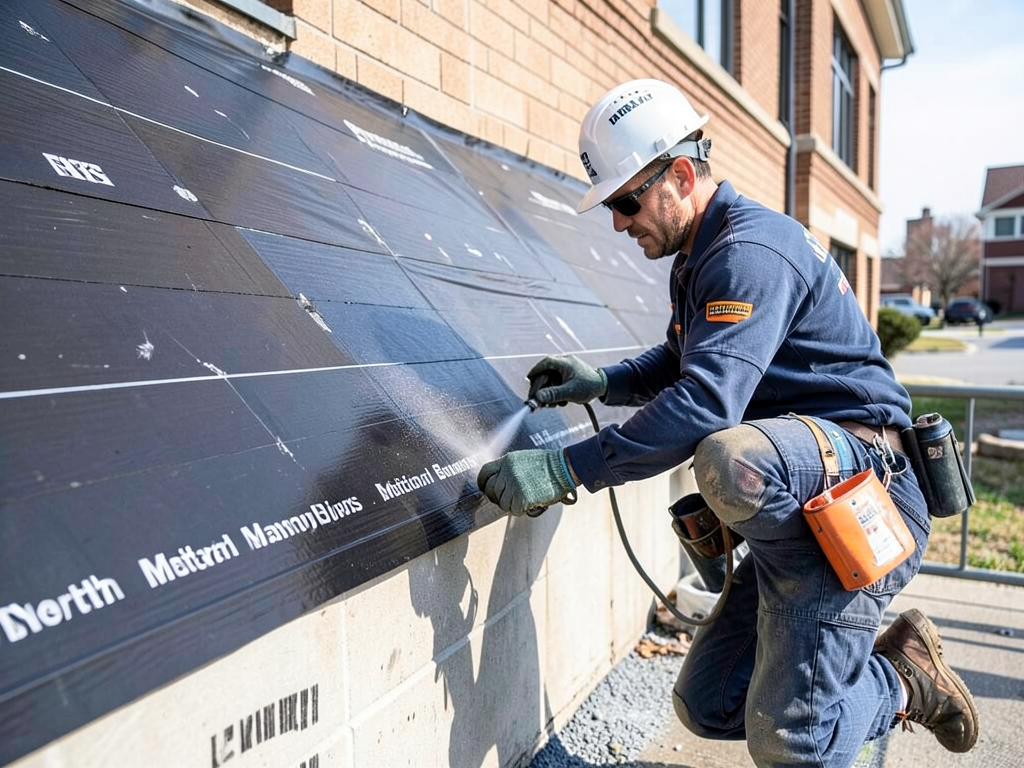
Why We Recommend Mod-Bit Roofing for Older Commercial Buildings in North Nashville
Modified bitumen roofing systems provide exceptional durability and weather resistance for older commercial buildings throughout North Nashville. These multi-ply membranes handle Middle Tennessee’s temperature swings and storm seasons better than single-ply alternatives, making them the smart choice for properties built before 1980. Roofing La Vergne.
Understanding Modified Bitumen Roofing Systems
Modified bitumen roofing consists of asphalt reinforced with rubber or plastic polymers. The material comes in rolls and creates a multi-layer barrier that protects against water infiltration, UV damage, and thermal stress. Two main types exist: APP (Atactic Polypropylene) and SBS (Styrene-Butadiene-Styrene). Roofing Columbia.
APP membranes offer superior UV resistance and work well in hot climates. SBS membranes provide better flexibility in cold temperatures and handle building movement more effectively. Both types perform excellently in Nashville’s climate when properly installed.
Modified bitumen systems typically include a base sheet, one or two ply sheets, and a cap sheet. This multi-layer construction creates redundancy that prevents leaks even if one layer gets damaged.
Why Older Commercial Buildings Need Specialized Roofing
Buildings constructed before 1980 often have structural characteristics that newer properties lack. These older commercial structures typically feature:
- Less flexible roof decks that don’t accommodate thermal movement well
- Older HVAC equipment mounting systems that create additional penetrations
- Roof designs with multiple levels and complex drainage patterns
- Existing roofing layers that require careful removal or overlay
Modified bitumen systems excel at addressing these challenges. The material’s flexibility accommodates slight building movements without cracking. The multi-layer construction provides extra protection around penetrations where leaks commonly occur. Solving Common Flat Roof Leaks for Downtown Nashville Condos.
North Nashville’s historic commercial districts contain numerous buildings from the 1950s through 1970s. These structures often have flat or low-slope roofs that benefit from modified bitumen’s superior waterproofing capabilities.
Middle Tennessee Climate Considerations
Nashville experiences significant temperature variations throughout the year. Summer highs often exceed 90°F while winter lows occasionally drop below 20°F. This 70-degree temperature swing causes roofing materials to expand and contract.
Modified bitumen handles thermal cycling better than many alternatives. The polymer modification allows the material to stretch and compress without losing its waterproofing properties. This flexibility prevents the cracking and splitting that often plague older single-ply membranes.
Spring thunderstorms bring heavy rainfall and occasional hail. Modified bitumen’s multi-layer construction provides better impact resistance than single-ply systems. The material can withstand hail stones up to 1.5 inches in diameter without puncture.
Humidity levels in Middle Tennessee often exceed 70% during summer months. Modified bitumen resists moisture absorption better than traditional built-up roofing. This resistance prevents the blistering and delamination that can occur in humid conditions.
Installation Methods for North Nashville Properties
Three primary installation methods exist for modified bitumen roofing:
- Torch-down application using propane flames to melt adhesive backing
- Cold-applied adhesives that create strong bonds without open flames
- Self-adhered membranes with factory-applied adhesive backing
Torch-down installation provides the strongest bond and fastest installation. However, Nashville Fire Department regulations require special permits and safety measures for open-flame roofing work. Many North Nashville neighborhoods have overhead power lines that complicate torch work.
Cold-applied systems use adhesives that cure without heat. These systems work well in tight spaces and areas with power line constraints. The adhesives create strong bonds that last the life of the roof.
Self-adhered membranes install quickly and require minimal equipment. The factory-applied adhesive eliminates the need for open flames or liquid adhesives. This method works well for occupied buildings where noise and fumes are concerns.
Cost Factors for North Nashville Commercial Properties
Modified bitumen roofing costs vary based on several factors specific to North Nashville properties:
| Cost Factor | Impact on Price | North Nashville Considerations |
|---|---|---|
| Roof Size | Direct linear relationship | Many older buildings have irregular shapes |
| Existing Roof Removal | $1-3 per square foot | Older buildings may have multiple layers |
| Penetrations | $100-500 each | Older HVAC systems create more penetrations |
| Access Difficulty | $500-2,000 per project | Narrow streets limit equipment access |
| Fire Safety Permits | $200-800 | Required for torch-down installation |
Most North Nashville commercial modified bitumen installations range from $400 to $700 per square (100 square feet). This price includes materials, labor, and basic warranty coverage.
Maintenance Requirements for Modified Bitumen Roofs
Proper maintenance extends the life of modified bitumen roofing systems. Middle Tennessee’s climate creates specific maintenance needs:
- Fall leaf removal prevents drainage clogs and standing water
- Spring inspection identifies winter damage from freeze-thaw cycles
- Summer UV protection coating application every 5-7 years
- Annual seam inspection prevents water infiltration
The Tennessee Department of Environment and Conservation recommends bi-annual roof inspections for commercial properties. These inspections should occur in spring before heavy rain season and fall after leaf drop.
Standing water remains the primary threat to modified bitumen roofs in Nashville. Even small puddles that persist for more than 48 hours can cause premature deterioration. Proper drainage maintenance prevents most major roofing problems.
Comparing Modified Bitumen to Alternative Systems
Commercial property owners often compare modified bitumen to TPO and EPDM single-ply membranes. Each system has distinct advantages for North Nashville applications.
| Feature | Modified Bitumen | TPO | EPDM | Installation Temperature Range | Wide (-20°F to 120°F) | Moderate (40°F to 100°F) | Wide (-40°F to 180°F) |
|---|---|---|---|
| Seam Strength | Very High (heat-welded) | High (heat-welded) | Moderate (adhesive) |
| UV Resistance | Excellent with cap sheet | Excellent (white reflects) | Good (carbon black) |
| Repairability | Excellent (torch or cold patch) | Good (heat welding) | Good (adhesive patches) |
| Cost per Square Foot | $4-7 | $5-8 | $4-6 |
Modified bitumen provides superior impact resistance and seam strength compared to alternatives. The multi-layer construction creates redundancy that prevents catastrophic failure if one layer gets damaged.
TPO membranes offer excellent energy efficiency through reflective properties. However, they can be more susceptible to punctures from falling tree branches common in North Nashville’s older neighborhoods.
EPDM provides good flexibility and low cost. But the material can shrink over time, creating stress at the edges and around penetrations.
Local Building Code Requirements
Davidson County follows the 2018 International Building Code with local amendments. Modified bitumen roofing installations must comply with specific requirements: National Fire Protection Association.
- Fire resistance rating of Class A minimum for most commercial applications
- Wind uplift resistance meeting ASCE 7-10 standards for Nashville’s 90 mph basic wind speed
- Proper edge metal installation per NFPA 220 standards
- Energy code compliance with mandatory cool roof calculations for roofs over 2,000 square feet
The Nashville Fire Department requires permits for all torch-down roofing work. These permits include site inspections and fire watch requirements during installation. Cold-applied and self-adhered systems avoid these requirements but still need building permits.
Metro Water Services mandates proper roof drainage to prevent stormwater system overload. Modified bitumen installations must include adequate scuppers or internal drains sized for local rainfall intensity.
Energy Efficiency Considerations
Modified bitumen roofing can contribute to energy efficiency when proper materials are selected. Cool roof options include: Cool Roof Rating Council.
- White mineral cap sheets that reflect up to 80% of solar radiation
- Aluminum-coated surfaces that provide moderate reflectivity
- Green roof systems that reduce urban heat island effects
The Cool Roof Rating Council certifies modified bitumen products for solar reflectance and thermal emittance. Products with high ratings can reduce cooling costs by 15-30% in Middle Tennessee’s hot climate.
Many North Nashville commercial buildings qualify for energy efficiency incentives through Nashville Electric Service. These programs provide rebates for cool roof installations that meet specific performance criteria.
Common Problems and Solutions
Modified bitumen roofs in North Nashville face specific challenges:
Standing Water Issues
Solution: Install tapered insulation systems or additional roof crickets to promote drainage. Even minor slope improvements can eliminate persistent puddles.
Membrane Blistering
Solution: Identify and repair moisture sources. Small blisters can be cut open, dried, and patched. Large blisters may require membrane replacement. 24/7 Emergency Roof Repair.
Seam Separation
Solution: Clean and re-seal separated seams using compatible adhesives. Heat-welding provides the strongest repair for torch-down installations.
Penetration Leaks
Solution: Install new flashing or roof jacks around HVAC units, vents, and other roof penetrations. Proper sealing prevents water infiltration at these vulnerable points.
Project Timeline and Disruption
Modified bitumen roofing projects in North Nashville typically require 3-7 days depending on building size and complexity. Key phases include:
- Site preparation and safety setup (1 day)
- Existing roof removal if required (1-2 days)
- Insulation and substrate preparation (1 day)
- Modified bitumen installation (1-3 days)
- Cleanup and final inspection (1 day)
Most commercial properties can remain partially occupied during installation. Cold-applied and self-adhered systems produce minimal fumes and noise. Torch-down work requires building evacuation during active installation.
Weather delays affect project timelines. Modified bitumen requires dry conditions for proper adhesion. Nashville’s spring storm season can extend project duration by several days.
Choosing the Right Contractor
Modified bitumen installation requires specific expertise and equipment. When selecting a contractor for North Nashville properties, verify: Expert Slate and Tile Roof Restoration in Belle Meade.
- State of Tennessee roofing contractor license
- Manufacturer certifications for modified bitumen systems
- Proof of liability and workers’ compensation insurance
- References from similar commercial projects
- Understanding of local building codes and permit requirements
Ask potential contractors about their experience with older commercial buildings. Properties built before 1980 often have hidden structural issues that affect roofing installation.
Request detailed proposals that include material specifications, installation methods, and warranty terms. Avoid contractors who cannot provide written documentation of their work scope.
Environmental Considerations
Modified bitumen roofing can support environmental initiatives in several ways:
- Recycled content in many modified bitumen products reduces landfill waste
- Long service life (20-30 years) means less frequent replacement
- Energy efficiency reduces building carbon footprint
- Stormwater management through proper drainage design
The Tennessee Department of Transportation encourages cool roof installations to reduce urban heat island effects. Modified bitumen with reflective cap sheets qualifies for these programs.
Many modified bitumen manufacturers offer recycling programs for removed roofing materials. These programs divert old roofing from landfills and reuse materials in new products.
Making the Right Choice for Your Property
Modified bitumen roofing provides excellent value for older commercial buildings in North Nashville. The material’s durability, flexibility, and proven track record make it ideal for properties facing Middle Tennessee’s climate challenges.
Consider modified bitumen if your building has:
- Flat or low-slope roof design
- Age over 20 years with existing roof issues
- Multiple roof penetrations from HVAC or other equipment
- Budget constraints requiring long-term value
- Need for minimal business disruption during installation
The initial investment in modified bitumen often pays for itself through reduced maintenance costs and extended service life compared to single-ply alternatives.
Call (615) 640-4994 today to schedule your inspection. Our team will evaluate your property’s specific needs and recommend the best modified bitumen solution for your commercial building.
Frequently Asked Questions
How long does modified bitumen roofing last in Nashville?
Properly installed modified bitumen roofing typically lasts 20-30 years in Nashville’s climate. The polymer modification helps the material withstand temperature extremes and UV exposure that often limit other roofing systems to 15-20 years.
Can modified bitumen be installed over existing roofing?
Yes, in many cases modified bitumen can be installed over existing single-ply membranes or built-up roofing. This approach reduces installation time and disposal costs. However, local building codes limit the number of roof layers allowed, typically to two maximum.
What maintenance does modified bitumen roofing require?
Modified bitumen roofs need bi-annual inspections, debris removal, and seam checking. Professional maintenance every 2-3 years includes cleaning, minor repairs, and UV protective coating application. These steps typically cost $500-1,500 annually for commercial properties.
How does modified bitumen compare to TPO for energy efficiency?
While TPO offers superior initial reflectivity, modified bitumen with white cap sheets provides comparable energy performance. Modified bitumen’s multi-layer construction also offers better insulation value, potentially reducing heating costs in winter months.
What warranties are available for modified bitumen roofing?
Warranty options range from 10-year material-only coverage to 25-year full system warranties. Full warranties require certified installation and regular maintenance. Many manufacturers offer warranties specifically designed for Nashville’s climate conditions.
Call (615) 640-4994 before the next storm hits. Our experts will inspect your commercial roof and provide a detailed assessment of your modified bitumen options. Don’t wait until water damage costs thousands in repairs.
{
“@context”: “https://schema.org”,
“@type”: “BlogPosting”,
“headline”: “Why We Recommend Mod-Bit Roofing for Older Commercial Buildings in North Nashville”,
“description”: “Learn why modified bitumen roofing systems are ideal for older commercial buildings in North Nashville. Expert installation, durability, and weather resistance for Middle Tennessee properties.”,
“wordCount”: 2007,
“datePublished”: “2026-06-06T11:21:00.000Z”,
“dateModified”: “2026-06-06T11:21:00.000Z”,
“inLanguage”: “en-US”,
“mainEntityOfPage”: {
“@type”: “WebPage”,
“@id”: “https://titanroofingnashville.com”
},
“publisher”: {
“@type”: “LocalBusiness”,
“name”: “Titan Roofing Nashville”,
“url”: “https://titanroofingnashville.com”
},
“author”: {
“@type”: “Organization”,
“name”: “Titan Roofing Nashville”,
“url”: “https://titanroofingnashville.com”
},
“image”: {
“@type”: “ImageObject”,
“url”: “https://titanroofingnashville.com/wp-content/uploads/2026/03/why-we-recommend-mod-bit-roofing-for-older-commerc-1.png”
}
}
{
“@context”: “https://schema.org”,
“@type”: “RoofingContractor”,
“name”: “Titan Roofing Nashville”,
“url”: “https://titanroofingnashville.com”,
“address”: {
“@type”: “PostalAddress”,
“addressLocality”: “Nashville”
},
“areaServed”: {
“@type”: “City”,
“name”: “Nashville”
}
}
{
“@context”: “https://schema.org”,
“@type”: “FAQPage”,
“mainEntity”: [
{
“@type”: “Question”,
“name”: “How long does modified bitumen roofing last in Nashville?”,
“acceptedAnswer”: {
“@type”: “Answer”,
“text”: “Properly installed modified bitumen roofing typically lasts 20-30 years in Nashville’s climate. The polymer modification helps the material withstand temperature extremes and UV exposure that often limit other roofing systems to 15-20 years.”
}
},
{
“@type”: “Question”,
“name”: “Can modified bitumen be installed over existing roofing?”,
“acceptedAnswer”: {
“@type”: “Answer”,
“text”: “Yes, in many cases modified bitumen can be installed over existing single-ply membranes or built-up roofing. This approach reduces installation time and disposal costs. However, local building codes limit the number of roof layers allowed, typically to two maximum.”
}
},
{
“@type”: “Question”,
“name”: “What maintenance does modified bitumen roofing require?”,
“acceptedAnswer”: {
“@type”: “Answer”,
“text”: “Modified bitumen roofs need bi-annual inspections, debris removal, and seam checking. Professional maintenance every 2-3 years includes cleaning, minor repairs, and UV protective coating application. These steps typically cost $500-1,500 annually for commercial properties.”
}
},
{
“@type”: “Question”,
“name”: “How does modified bitumen compare to TPO for energy efficiency?”,
“acceptedAnswer”: {
“@type”: “Answer”,
“text”: “While TPO offers superior initial reflectivity, modified bitumen with white cap sheets provides comparable energy performance. Modified bitumen’s multi-layer construction also offers better insulation value, potentially reducing heating costs in winter months.”
}
},
{
“@type”: “Question”,
“name”: “What warranties are available for modified bitumen roofing?”,
“acceptedAnswer”: {
“@type”: “Answer”,
“text”: “Warranty options range from 10-year material-only coverage to 25-year full system warranties. Full warranties require certified installation and regular maintenance. Many manufacturers offer warranties specifically designed for Nashville’s climate conditions.”
}
}
]
}
{
“@context”: “https://schema.org”,
“@type”: “BreadcrumbList”,
“itemListElement”: [
{
“@type”: “ListItem”,
“position”: 1,
“name”: “Home”,
“item”: “https://titanroofingnashville.com”
},
{
“@type”: “ListItem”,
“position”: 2,
“name”: “Blog”,
“item”: “https://titanroofingnashville.com/blog”
},
{
“@type”: “ListItem”,
“position”: 3,
“name”: “Why We Recommend Mod-Bit Roofing for Older Commercial Buildings in North Nashville”
}
]
}
{
“@context”: “https://schema.org”,
“@type”: “Service”,
“serviceType”: “Roofing”,
“provider”: {
“@type”: “LocalBusiness”,
“name”: “Titan Roofing Nashville”,
“url”: “https://titanroofingnashville.com”
},
“areaServed”: {
“@type”: “City”,
“name”: “Nashville”
},
“description”: “Learn why modified bitumen roofing systems are ideal for older commercial buildings in North Nashville. Expert installation, durability, and weather resistance for Middle Tennessee properties.”
}