
Why Rare Nashville Ice Storms Can Cause Serious Leaks Even on Newer Roofs
Ice storms hit Nashville only every few years yet they can cause major roof damage. The problem is not the amount of ice but how it interacts with our climate and roof designs. Nashville roofs are built for rain and wind not for sustained ice buildup. When ice forms and refreezes along the eaves it blocks drainage and forces water under shingles. This leads to leaks even on roofs that are only a few years old.. Read more about Warning Signs of Sagging Roof Rafters in Older Bordeaux Ranch Homes.
The freeze-thaw cycle in Middle Tennessee is unique. Daytime temperatures often rise above freezing while nighttime temps drop below. This constant change causes ice to melt and refreeze repeatedly. Over a few days this creates thick ice dams that push water uphill under shingles. Unlike northern states where ice stays frozen our warm spells make the problem worse.
Many Nashville homes have architectural features that increase ice dam risk. Low-pitched roofs near valleys trap snow. Poor attic insulation lets heat escape and melt snow from below. Homes built before modern building codes often lack proper ice and water shield membranes. Even newer homes can have design flaws that trap ice.. Read more about How Hidden Attic Mold Can Be the First Sign of a Slow Roof Leak in Madison.
Ice dams form when heat from the attic melts snow on the roof. The melted water flows down to the cold eaves and freezes again. This creates a wall of ice that blocks drainage. Water backs up behind this dam and finds its way under shingles through nail holes and seams. Once under the shingles it can travel horizontally and drip into your home.
The first sign of ice dam damage is often water stains on ceilings or walls. You might also see icicles hanging from gutters or ice buildup along roof edges. In severe cases you may notice peeling paint or warped wood near the roofline. These are warning signs that water has already penetrated your roof system.
During an ice storm the safest approach is to monitor your home from inside. Never try to break ice with hammers or chisels as this damages shingles. Do not use salt or chemicals which can harm roofing materials and kill plants below. If you see water entering your home immediately move valuables and call a professional roofer. Roofing La Vergne.
Prevention starts with proper attic insulation. Nashville homes need R-38 to R-60 insulation in attics to minimize heat loss. This keeps the roof surface cold and prevents snow from melting from below. Ventilation is equally important. Soffit and ridge vents must work together to create airflow that carries away any warm air.
Ice and water shield membranes provide extra protection in vulnerable areas. Building codes in Davidson County require these membranes to extend at least 24 inches past the exterior wall on low-slope roofs. However many homes lack this protection in critical areas like valleys and around chimneys. Adding these membranes during a roof replacement provides long-term protection.. Read more about How Small Cracks in Your Chimney Crown Can Lead to Big Roof Problems in Forest Hills.
Insurance coverage for ice dam damage varies by policy. Most Tennessee homeowners policies cover sudden and accidental water damage but may exclude damage from poor maintenance. Document any damage with photos and contact your insurance company immediately. Keep receipts for emergency repairs as they may be reimbursable. 24/7 Emergency Roof Repair.
Professional roofers use several methods to prevent ice dams. They may install heat cables along eaves to create drainage channels. They can also improve attic insulation and ventilation to address the root cause. In severe cases they may recommend roof redesign to eliminate low-slope areas that trap ice.
Regular roof maintenance helps prevent ice dam problems. Clean gutters in fall to ensure proper drainage. Remove leaves and debris that can trap moisture. Have your roof inspected annually for damaged shingles or flashing that could worsen ice dam effects. A well-maintained roof resists ice damage much better than one with existing problems.. Read more about The Difference Between Step Flashing and Counter Flashing (and Why It Matters for Your Chimney).
The cost of ice dam prevention is much less than repairing water damage. Adding insulation might cost $1,500 to $3,000 while repairing ice dam damage can run $5,000 to $15,000 or more. The investment in prevention pays off every winter.
Climate change may increase ice storm frequency in Middle Tennessee. Warmer overall temperatures can lead to more moisture in winter storms. When cold snaps occur this moisture falls as ice rather than snow. Nashville homeowners should prepare for more frequent ice events in coming years.
Commercial properties face unique ice dam challenges. Flat roofs with HVAC equipment create heat islands that melt snow. Parapet walls can trap ice and prevent drainage. Business owners need specialized solutions like tapered insulation and enhanced drainage systems to prevent ice-related closures.
Emergency response during ice storms requires careful planning. Roofers cannot safely work on icy surfaces. Temporary solutions like roof tarps may be needed until conditions improve. Having a relationship with a local roofing company before storms hit ensures faster response when problems occur. Roofing Columbia.
DIY ice dam removal is dangerous and often ineffective. Climbing on icy roofs risks serious injury. Using heat guns or chemicals can damage roofing materials. Professional removal uses steam or specialized tools that protect your roof while clearing ice safely.
Long-term solutions focus on eliminating the conditions that cause ice dams. This may mean adding insulation, improving ventilation, or even changing roof design. The goal is to keep the entire roof cold so snow stays frozen until it melts naturally.
Ice storms test your roof’s true performance. A roof that handles normal Tennessee weather may fail when faced with ice dams. Understanding this vulnerability helps you prepare and protect your home before the next rare but serious ice event hits Nashville.
Ice Dam Prevention Checklist for Nashville Homes
- Check attic insulation levels – aim for R-38 to R-60
- Ensure soffit and ridge vents are clear and functioning
- Clean gutters and downspouts before winter
- Inspect roof for damaged shingles or flashing
- Consider adding heat cables in problem areas
- Have a professional roof inspection before winter
Comparing Ice Dam Solutions
| Solution | Cost Range | Effectiveness | Best For |
|---|---|---|---|
| Attic Insulation Upgrade | $1,500 – $3,000 | High | Prevention |
| Heat Cables | $300 – $800 | Medium | Problem Areas |
| Ice and Water Shield | $500 – $1,500 | High | Roof Replacement |
| Professional Removal | $200 – $600 per visit | Emergency Only | Active Ice Dams |
Warning Signs of Ice Dam Damage
- Water stains on ceilings or walls
- Large icicles hanging from gutters
- Ice buildup along roof edges
- Peeling paint near roofline
- Damp insulation in attic
- Ice forming in gutters
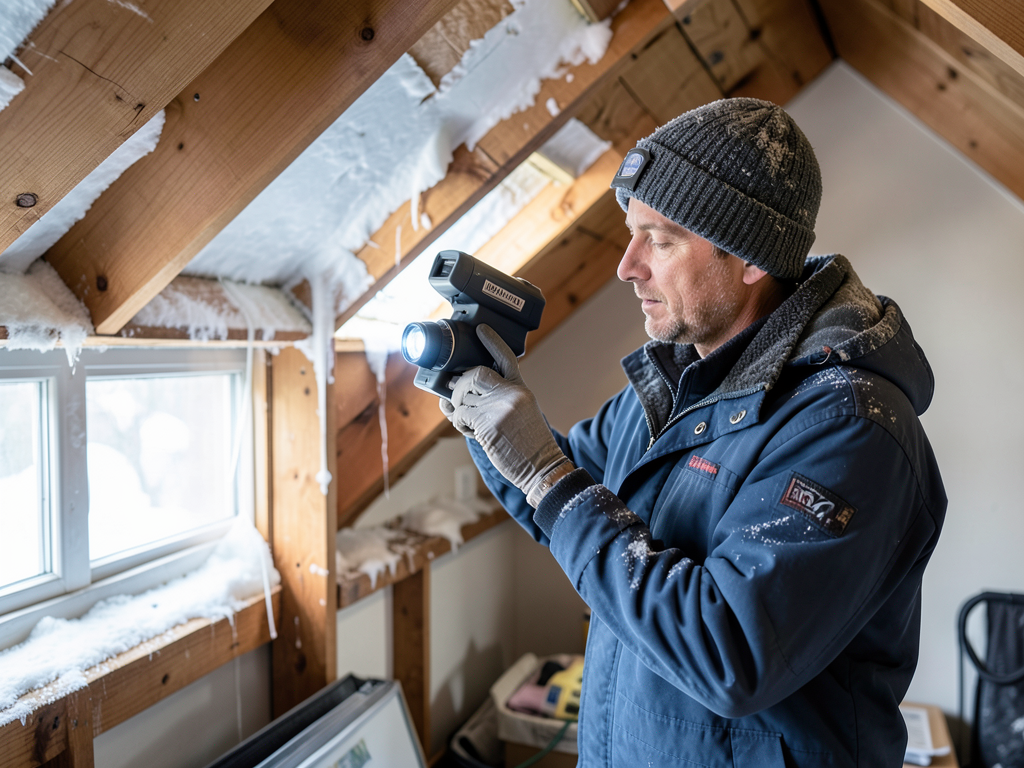
Diagram showing how heat escapes through attic, melts snow, and creates ice dams at cold eaves. This illustrates the freeze-thaw cycle specific to Nashville’s climate.
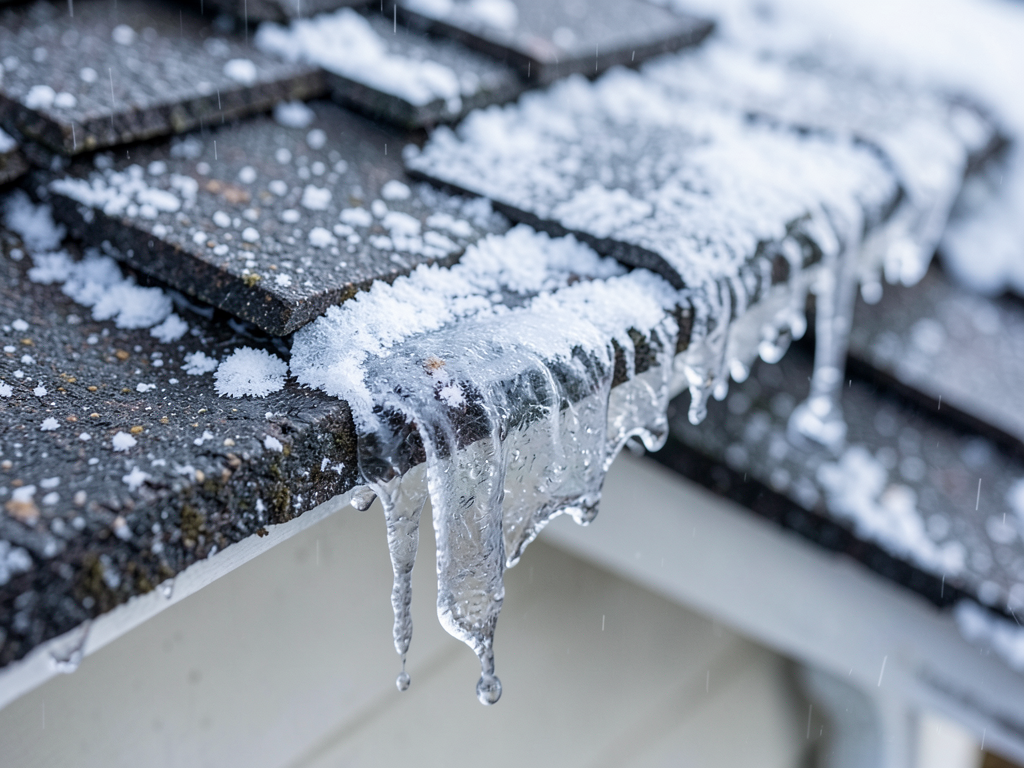
Photo of ice buildup along Nashville roof edge showing typical ice dam formation pattern in Middle Tennessee homes.
Technician using infrared camera to detect heat loss areas in attic that contribute to ice dam formation.
Frequently Asked Questions
How often do ice storms hit Nashville?
Ice storms occur in Nashville approximately every 3-5 years on average. Some years may see no ice events while others experience multiple storms.
Can ice dams form on new roofs?
Yes. Even roofs less than five years old can develop ice dams if they lack proper insulation, ventilation, or ice and water shield protection.
What building codes address ice protection in Nashville?
Davidson County follows International Residential Code requirements for ice and water shield, typically requiring 24-inch coverage past exterior walls on slopes under 4:12. International Residential Code ice protection requirements.
How can I tell if my attic has enough insulation?
Attic insulation should be even and cover all areas without gaps. In Nashville, R-38 to R-60 is recommended. A professional energy audit can identify deficiencies.
Should I try to remove ice dams myself?
No. DIY removal risks roof damage and personal injury. Professional removal uses steam or specialized tools that protect your roofing materials.
Ice Dam Prevention Steps
- Improve Attic Insulation
Add insulation to reach R-38 to R-60 levels. Focus on even coverage without gaps or compression.
- Enhance Ventilation
Ensure soffit vents are clear and working with ridge vents to create continuous airflow.
- Install Ice and Water Shield
Add self-adhering membrane in valleys, around chimneys, and along eaves during roof work.
- Clean Gutters
Remove all debris in fall to ensure water can drain freely when ice melts.
- Consider Heat Cables
Install heated cables in problem areas to create drainage channels during ice events.
Ice storms may be rare in Nashville but their impact can be severe. The combination of our freeze-thaw climate and common roof designs creates perfect conditions for ice dams. Understanding how these form and taking preventive steps protects your home from costly water damage. Solving Common Flat Roof Leaks for Downtown Nashville Condos.
Don’t wait for the next ice storm to discover your roof’s vulnerabilities. Call (615) 640-4994 today to schedule a professional inspection and learn which ice dam prevention measures are right for your Nashville home. Our experienced team can identify problems before they cause damage and recommend cost-effective solutions that provide peace of mind during winter weather. For more information, visit U.S. Department of Energy insulation guidelines.
You may also find this helpful. Comparing 5-Inch and 6-Inch Gutters for Heavy Rainfall in Crieve Hall.
You may also find this helpful. Choosing Between Solar Attic Fans and Hardwired Power Vents for Better Airflow.
{
“@context”: “https://schema.org”,
“@type”: “BlogPosting”,
“headline”: “Why Rare Nashville Ice Storms Can Cause Serious Leaks Even on Newer Roofs”,
“description”: “Discover why Nashville’s unusual ice storms create hidden roof leaks even on newer homes. Learn prevention tips and when to call a professional.”,
“wordCount”: 1505,
“datePublished”: “2026-05-26T15:56:00.000Z”,
“dateModified”: “2026-05-26T15:56:00.000Z”,
“inLanguage”: “en-US”,
“mainEntityOfPage”: {
“@type”: “WebPage”,
“@id”: “https://titanroofingnashville.com”
},
“publisher”: {
“@type”: “LocalBusiness”,
“name”: “Titan Roofing Nashville”,
“url”: “https://titanroofingnashville.com”
},
“author”: {
“@type”: “Organization”,
“name”: “Titan Roofing Nashville”,
“url”: “https://titanroofingnashville.com”
},
“image”: {
“@type”: “ImageObject”,
“url”: “https://titanroofingnashville.com/wp-content/uploads/2026/03/why-rare-nashville-ice-storms-can-cause-serious-le-1.png”
}
}
{
“@context”: “https://schema.org”,
“@type”: “RoofingContractor”,
“name”: “Titan Roofing Nashville”,
“url”: “https://titanroofingnashville.com”,
“address”: {
“@type”: “PostalAddress”,
“addressLocality”: “Nashville”
},
“areaServed”: {
“@type”: “City”,
“name”: “Nashville”
}
}
{
“@context”: “https://schema.org”,
“@type”: “FAQPage”,
“mainEntity”: [
{
“@type”: “Question”,
“name”: “How often do ice storms hit Nashville?”,
“acceptedAnswer”: {
“@type”: “Answer”,
“text”: “Ice storms occur in Nashville approximately every 3-5 years on average. Some years may see no ice events while others experience multiple storms.”
}
},
{
“@type”: “Question”,
“name”: “Can ice dams form on new roofs?”,
“acceptedAnswer”: {
“@type”: “Answer”,
“text”: “Yes. Even roofs less than five years old can develop ice dams if they lack proper insulation, ventilation, or ice and water shield protection.”
}
},
{
“@type”: “Question”,
“name”: “What building codes address ice protection in Nashville?”,
“acceptedAnswer”: {
“@type”: “Answer”,
“text”: “Davidson County follows International Residential Code requirements for ice and water shield, typically requiring 24-inch coverage past exterior walls on slopes under 4:12. International Residential Code ice protection requirements.”
}
},
{
“@type”: “Question”,
“name”: “How can I tell if my attic has enough insulation?”,
“acceptedAnswer”: {
“@type”: “Answer”,
“text”: “Attic insulation should be even and cover all areas without gaps. In Nashville, R-38 to R-60 is recommended. A professional energy audit can identify deficiencies.”
}
},
{
“@type”: “Question”,
“name”: “Should I try to remove ice dams myself?”,
“acceptedAnswer”: {
“@type”: “Answer”,
“text”: “No. DIY removal risks roof damage and personal injury. Professional removal uses steam or specialized tools that protect your roofing materials.”
}
}
]
}
{
“@context”: “https://schema.org”,
“@type”: “HowTo”,
“name”: “Prevent Ice Dams”,
“step”: [
{
“@type”: “HowToStep”,
“position”: 1,
“name”: “Improve Attic Insulation”,
“text”: “Add insulation to reach R-38 to R-60 levels. Focus on even coverage without gaps or compression.”
},
{
“@type”: “HowToStep”,
“position”: 2,
“name”: “Enhance Ventilation”,
“text”: “Ensure soffit vents are clear and working with ridge vents to create continuous airflow.”
},
{
“@type”: “HowToStep”,
“position”: 3,
“name”: “Install Ice and Water Shield”,
“text”: “Add self-adhering membrane in valleys, around chimneys, and along eaves during roof work.”
},
{
“@type”: “HowToStep”,
“position”: 4,
“name”: “Clean Gutters”,
“text”: “Remove all debris in fall to ensure water can drain freely when ice melts.”
},
{
“@type”: “HowToStep”,
“position”: 5,
“name”: “Consider Heat Cables”,
“text”: “Install heated cables in problem areas to create drainage channels during ice events.”
}
],
“image”: “https://titanroofingnashville.com/wp-content/uploads/2026/03/why-rare-nashville-ice-storms-can-cause-serious-le-1.png”
}
{
“@context”: “https://schema.org”,
“@type”: “BreadcrumbList”,
“itemListElement”: [
{
“@type”: “ListItem”,
“position”: 1,
“name”: “Home”,
“item”: “https://titanroofingnashville.com”
},
{
“@type”: “ListItem”,
“position”: 2,
“name”: “Blog”,
“item”: “https://titanroofingnashville.com/blog”
},
{
“@type”: “ListItem”,
“position”: 3,
“name”: “Why Rare Nashville Ice Storms Can Cause Serious Leaks Even on Newer Roofs”
}
]
}
{
“@context”: “https://schema.org”,
“@type”: “Service”,
“serviceType”: “Roofing”,
“provider”: {
“@type”: “LocalBusiness”,
“name”: “Titan Roofing Nashville”,
“url”: “https://titanroofingnashville.com”
},
“areaServed”: {
“@type”: “City”,
“name”: “Nashville”
},
“description”: “Discover why Nashville’s unusual ice storms create hidden roof leaks even on newer homes. Learn prevention tips and when to call a professional.”
}