
What to Do When Woodpeckers Start Pecking Holes in Your Belle Meade Eaves
Woodpeckers drilling holes in your eaves create more than just an annoying sound. These birds target cedar siding and fascia boards common in Belle Meade homes, creating entry points for water that lead to rot, mold, and structural damage. The Northern Flicker and Pileated Woodpecker species frequently found in Middle Tennessee neighborhoods like Belle Meade and Forest Hills can destroy significant portions of wooden trim within days. Tennessee Wildlife Resources Agency.
The Migratory Bird Treaty Act protects these birds, making removal illegal without proper permits. However, you can stop the damage through professional repair and deterrent installation. Titan Roofing Nashville specializes in identifying woodpecker damage patterns, replacing compromised materials, and installing bird-proofing solutions that comply with all wildlife regulations. Migratory Bird Treaty Act.
How to Identify Woodpecker Damage on Your Nashville Home
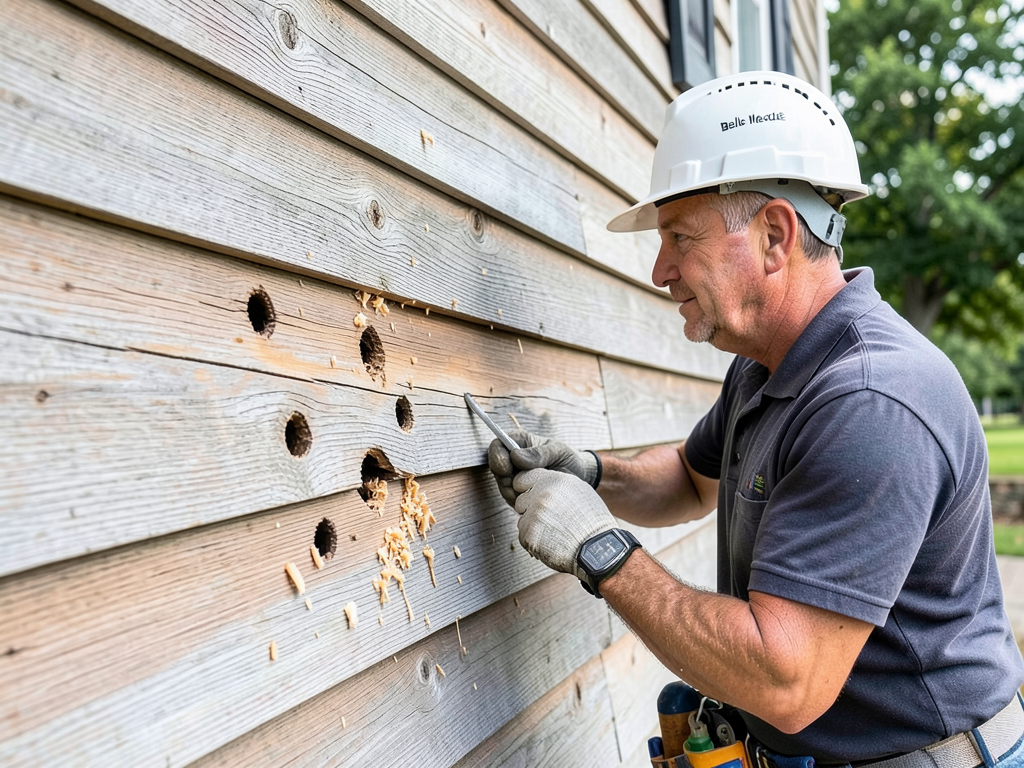
Woodpecker holes differ from other damage in several ways. Unlike rot that creates soft, crumbling wood, woodpecker holes appear as clean, circular or rectangular openings typically 1.5 to 2 inches in diameter. The surrounding wood often shows fresh shavings or wood dust below the hole.
Look for these specific patterns around your eaves and fascia boards:
- Multiple holes in a straight line along trim boards
- Fresh wood chips or sawdust on the ground below
- Horizontal grooves where birds have stripped bark
- Damage concentrated near insect infestations
Woodpeckers in Nashville typically target homes from March through September during nesting and foraging seasons. The damage often appears worse after storms when insects become more active in damaged wood.
Diagnostic Tip: Tap the damaged area with a screwdriver handle. Woodpecker holes sound hollow and may reveal soft wood underneath from water infiltration. This test helps determine if the damage extends beyond the surface.
Why Woodpeckers Are Targeting Your Roof (It’s Not Just Bugs)
Woodpeckers drill for three main reasons that affect how you address the problem. Understanding the cause determines the most effective solution.
Foraging for Insects: Carpenter bees, termites, and wood-boring beetles create tunnels that woodpeckers detect through sound. The birds drill to extract larvae, creating extensive damage around insect colonies.
Nesting Behavior: Some woodpeckers excavate cavities for nesting, creating larger holes than foraging damage. These typically appear in spring and may be reused year after year.
Drumming for Territory: Woodpeckers hammer on resonant surfaces to establish territory and attract mates. This creates repeated damage on the same spots but rarely penetrates deeply.
The high humidity in Middle Tennessee accelerates wood deterioration once holes form. Water entering through woodpecker damage can cause fascia boards to rot within months, especially in shaded areas where drying is slow.
Local Factor: Nashville’s combination of mature trees, wooden construction, and insect populations makes woodpecker damage particularly common in established neighborhoods like Belle Meade, where cedar siding and wooden trim provide ideal targets.
The Hidden Dangers of Ignoring Woodpecker Holes
Small holes create big problems when left unrepaired. Water infiltration through woodpecker damage leads to several serious issues that compound over time. 24/7 Emergency Roof Repair.
Water Damage Progression: Initial holes allow rain to penetrate into wall cavities. The moisture wicks into insulation, drywall, and framing members. In Nashville’s humid climate, this creates ideal conditions for mold growth within 24-48 hours.
Structural Compromise: Fascia boards support gutter systems. When woodpeckers create holes, the structural integrity weakens. Heavy rainfall or ice accumulation can cause gutters to pull away from the building, creating additional damage.
Secondary Pest Infestation: Once woodpeckers create openings, other pests enter. Bats, squirrels, and various insects use these holes as entry points. The combination of water damage and pest activity accelerates deterioration.
Energy Efficiency Loss: Holes in soffits and eaves allow conditioned air to escape. This forces HVAC systems to work harder, increasing utility costs. The problem compounds as more holes develop over time.
According to the International Residential Code (IRC) Section R703.4, exterior wood components must be protected from moisture damage. Woodpecker holes violate this requirement and can cause homes to fail inspections during real estate transactions. Reliable Residential Roofers Serving East Nashville and Inglewood.
Professional Repair Solutions for Woodpecker Damage
Repairing woodpecker damage requires more than patching holes. Professional restoration addresses both the visible damage and underlying moisture issues while preventing future attacks.
Damage Assessment Process: Technicians inspect the full extent of damage using moisture meters to detect water infiltration beyond visible holes. They check for rot in adjacent boards and examine the attic for signs of water intrusion.
Material Replacement: Damaged fascia boards, soffits, and trim require complete replacement rather than patching. Cedar siding damaged by woodpeckers often needs replacement to prevent matching issues and ensure proper sealing.
Waterproofing Integration: New materials receive proper flashing and sealing to prevent future water infiltration. This includes installing ice and water shield under replacement boards in areas prone to ice damming.
Structural Reinforcement: Compromised areas receive additional support to handle wind loads and prevent future detachment. This proves especially important for homes near wooded areas where woodpecker pressure remains high.
Deterrent Installation: After repairs, technicians install bird deterrents that comply with the Migratory Bird Treaty Act. These include physical barriers, visual deterrents, and sound devices that discourage woodpeckers without harming them.
Quality Check: Final inspection verifies proper sealing, matching of materials, and functionality of deterrent systems. Technicians test deterrent effectiveness and ensure all repairs meet local building code requirements.
Long-Term Prevention: Keeping Woodpeckers Away from Your Roof
Prevention proves more cost-effective than repeated repairs. Several strategies work together to make your home less attractive to woodpeckers.
Physical Barriers: Metal flashing or PVC trim boards resist woodpecker damage better than wood. These materials install over vulnerable areas and provide long-lasting protection without requiring frequent replacement.
Visual Deterrents: Reflective tape, predator decoys, and moving objects create visual disturbances that discourage woodpeckers. These work best when moved periodically to prevent birds from becoming accustomed to them.
Sound Deterrents: Ultrasonic devices and recorded distress calls create acoustic environments that woodpeckers avoid. These systems activate when birds approach and work continuously without human intervention.
Insect Control: Eliminating carpenter bees and other wood-boring insects removes the primary food source that attracts woodpeckers. Professional pest control treatments around your home’s exterior reduce foraging activity.
Habitat Modification: Trimming tree branches that overhang your roof reduces woodpecker access points. Removing dead trees near your home eliminates nesting sites that keep birds in the area.
Maintenance Schedule: Regular inspections catch early damage before it spreads. Annual roof and trim inspections identify problem areas and allow for preventive repairs before woodpeckers establish patterns.
Material Selection: When replacing damaged wood, consider composite materials that resist both water damage and bird attacks. These products cost more initially but save money over time through reduced maintenance.
Legal Considerations: The Migratory Bird Treaty Act in Tennessee
Woodpeckers receive federal protection under the Migratory Bird Treaty Act of 1918, making it illegal to harm them or disturb active nests. Tennessee enforces these regulations through the Tennessee Wildlife Resources Agency (TWRA).
Protected Status: All woodpecker species common to Middle Tennessee receive protection, including the Pileated Woodpecker, Northern Flicker, Red-bellied Woodpecker, and Downy Woodpecker. This protection extends to their nests, eggs, and young.
Permit Requirements: Removing woodpeckers or destroying active nests requires permits from the U.S. Fish and Wildlife Service. These permits prove difficult to obtain and typically only granted for extreme cases where human health or safety is at risk.
Legal Repair Methods: You can legally repair damage after woodpeckers abandon nests. This typically occurs in late summer or fall. Professional roofers can install deterrents and repair damage without violating wildlife protection laws.
Reporting Requirements: If you discover an active nest during repairs, work must stop immediately. Contact TWRA for guidance on legal next steps. Continuing work can result in fines up to $15,000 per violation.
Professional Compliance: Licensed roofing contractors understand these regulations and work within legal boundaries. They schedule repairs to avoid nesting seasons and use deterrent methods that discourage woodpeckers without causing harm.
Documentation Importance: Keep records of all woodpecker damage, repairs, and deterrent installations. This documentation proves valuable if wildlife agencies question your methods or if you need to demonstrate ongoing problems for permit applications.
Frequently Asked Questions
How much does woodpecker damage repair cost in Nashville?
Repair costs vary based on damage extent, but most Nashville homeowners spend between $800 and $3,500 for professional woodpecker damage restoration. Extensive damage affecting multiple fascia boards or requiring structural repairs can exceed $5,000. Choosing Between Shingles and Metal for Your New Hendersonville Roof.
Can I legally remove woodpeckers from my property?
No. The Migratory Bird Treaty Act prohibits harming or removing woodpeckers without special permits. You can install deterrents and repair damage, but direct removal or nest destruction remains illegal in Tennessee.
How long does woodpecker deterrent installation take?
Most deterrent systems install within one day. Physical barriers like metal flashing take 2-4 hours per area. Complete deterrent systems combining multiple methods typically require 4-8 hours for installation and testing.
Will woodpecker damage affect my home insurance?
Most standard policies cover woodpecker damage as a non-weather related peril. However, some insurers exclude bird damage or require specific endorsements. Check your policy details and document all damage with photos.
How can I tell if damage is from woodpeckers or something else?
Woodpecker holes appear as clean, circular openings with fresh wood shavings nearby. Rot creates soft, irregular damage without clean edges. Termite damage shows mud tubes and hollow-sounding wood. A professional inspection can identify the specific cause.
What time of year are woodpeckers most active in Nashville?
Woodpeckers remain active year-round in Middle Tennessee, but damage peaks during spring nesting season (March-May) and fall foraging period (September-November). Breeding pairs establish territories in early spring, while fall activity increases as birds prepare for winter.
Do woodpeckers return to the same holes year after year?
Yes. Woodpeckers often reuse successful nesting sites and return to areas where they found food. This makes deterrent installation crucial after repairs. Without prevention, birds typically return within days or weeks.
Can I repair woodpecker damage myself?
Small holes might seem DIY-friendly, but proper repair requires expertise in moisture detection, structural assessment, and wildlife regulations. DIY repairs often miss underlying water damage and may violate wildlife protection laws if active nests exist. Expert Slate and Tile Roof Restoration in Belle Meade.
How effective are ultrasonic woodpecker deterrents?
Quality ultrasonic deterrents achieve 70-85% effectiveness when properly installed and maintained. Results vary based on woodpecker species, local population density, and whether alternative food sources remain available nearby.
Should I replace all my wood trim if I have woodpecker damage?
Not necessarily. Professional assessment determines which boards require replacement versus repair. Often, damaged sections can be removed and replaced while leaving sound wood intact. This approach saves money while ensuring proper protection.
Call (615) 640-4994 today to schedule your inspection. Woodpecker damage only gets worse with time, and professional repair now prevents thousands in future structural repairs. Our team understands Nashville’s specific woodpecker species and knows exactly how to protect your Belle Meade home while staying compliant with all wildlife regulations.
Don’t wait for the next storm to reveal hidden water damage. Pick up the phone and call (615) 640-4994 before small holes become major structural problems. Titan Roofing Nashville provides fast, professional service with the expertise Middle Tennessee homeowners trust. Roofing La Vergne.
{
“@context”: “https://schema.org”,
“@type”: “BlogPosting”,
“headline”: “What to Do When Woodpeckers Start Pecking Holes in Your Belle Meade Eaves”,
“description”: “Woodpecker holes in Belle Meade eaves cause water damage and rot. Learn to identify, repair, and prevent woodpecker damage with Titan Roofing Nashville’s expert solutions.”,
“wordCount”: 1885,
“datePublished”: “2026-05-18T13:57:00.000Z”,
“dateModified”: “2026-05-18T13:57:00.000Z”,
“inLanguage”: “en-US”,
“mainEntityOfPage”: {
“@type”: “WebPage”,
“@id”: “https://titanroofingnashville.com”
},
“publisher”: {
“@type”: “LocalBusiness”,
“name”: “Titan Roofing Nashville”,
“url”: “https://titanroofingnashville.com”
},
“author”: {
“@type”: “Organization”,
“name”: “Titan Roofing Nashville”,
“url”: “https://titanroofingnashville.com”
},
“image”: {
“@type”: “ImageObject”,
“url”: “https://titanroofingnashville.com/wp-content/uploads/2026/03/what-to-do-when-woodpeckers-start-pecking-holes-in-1.png”
}
}
{
“@context”: “https://schema.org”,
“@type”: “RoofingContractor”,
“name”: “Titan Roofing Nashville”,
“url”: “https://titanroofingnashville.com”,
“address”: {
“@type”: “PostalAddress”,
“addressLocality”: “Nashville”
},
“areaServed”: {
“@type”: “City”,
“name”: “Nashville”
}
}
{
“@context”: “https://schema.org”,
“@type”: “FAQPage”,
“mainEntity”: [
{
“@type”: “Question”,
“name”: “How much does woodpecker damage repair cost in Nashville?”,
“acceptedAnswer”: {
“@type”: “Answer”,
“text”: “Repair costs vary based on damage extent, but most Nashville homeowners spend between $800 and $3,500 for professional woodpecker damage restoration. Extensive damage affecting multiple fascia boards or requiring structural repairs can exceed $5,000. Choosing Between Shingles and Metal for Your New Hendersonville Roof.”
}
},
{
“@type”: “Question”,
“name”: “Can I legally remove woodpeckers from my property?”,
“acceptedAnswer”: {
“@type”: “Answer”,
“text”: “No. The Migratory Bird Treaty Act prohibits harming or removing woodpeckers without special permits. You can install deterrents and repair damage, but direct removal or nest destruction remains illegal in Tennessee.”
}
},
{
“@type”: “Question”,
“name”: “How long does woodpecker deterrent installation take?”,
“acceptedAnswer”: {
“@type”: “Answer”,
“text”: “Most deterrent systems install within one day. Physical barriers like metal flashing take 2-4 hours per area. Complete deterrent systems combining multiple methods typically require 4-8 hours for installation and testing.”
}
},
{
“@type”: “Question”,
“name”: “Will woodpecker damage affect my home insurance?”,
“acceptedAnswer”: {
“@type”: “Answer”,
“text”: “Most standard policies cover woodpecker damage as a non-weather related peril. However, some insurers exclude bird damage or require specific endorsements. Check your policy details and document all damage with photos.”
}
},
{
“@type”: “Question”,
“name”: “How can I tell if damage is from woodpeckers or something else?”,
“acceptedAnswer”: {
“@type”: “Answer”,
“text”: “Woodpecker holes appear as clean, circular openings with fresh wood shavings nearby. Rot creates soft, irregular damage without clean edges. Termite damage shows mud tubes and hollow-sounding wood. A professional inspection can identify the specific cause.”
}
},
{
“@type”: “Question”,
“name”: “What time of year are woodpeckers most active in Nashville?”,
“acceptedAnswer”: {
“@type”: “Answer”,
“text”: “Woodpeckers remain active year-round in Middle Tennessee, but damage peaks during spring nesting season (March-May) and fall foraging period (September-November). Breeding pairs establish territories in early spring, while fall activity increases as birds prepare for winter.”
}
},
{
“@type”: “Question”,
“name”: “Do woodpeckers return to the same holes year after year?”,
“acceptedAnswer”: {
“@type”: “Answer”,
“text”: “Yes. Woodpeckers often reuse successful nesting sites and return to areas where they found food. This makes deterrent installation crucial after repairs. Without prevention, birds typically return within days or weeks.”
}
},
{
“@type”: “Question”,
“name”: “Can I repair woodpecker damage myself?”,
“acceptedAnswer”: {
“@type”: “Answer”,
“text”: “Small holes might seem DIY-friendly, but proper repair requires expertise in moisture detection, structural assessment, and wildlife regulations. DIY repairs often miss underlying water damage and may violate wildlife protection laws if active nests exist. Expert Slate and Tile Roof Restoration in Belle Meade.”
}
},
{
“@type”: “Question”,
“name”: “How effective are ultrasonic woodpecker deterrents?”,
“acceptedAnswer”: {
“@type”: “Answer”,
“text”: “Quality ultrasonic deterrents achieve 70-85% effectiveness when properly installed and maintained. Results vary based on woodpecker species, local population density, and whether alternative food sources remain available nearby.”
}
},
{
“@type”: “Question”,
“name”: “Should I replace all my wood trim if I have woodpecker damage?”,
“acceptedAnswer”: {
“@type”: “Answer”,
“text”: “Not necessarily. Professional assessment determines which boards require replacement versus repair. Often, damaged sections can be removed and replaced while leaving sound wood intact. This approach saves money while ensuring proper protection.”
}
}
]
}
{
“@context”: “https://schema.org”,
“@type”: “BreadcrumbList”,
“itemListElement”: [
{
“@type”: “ListItem”,
“position”: 1,
“name”: “Home”,
“item”: “https://titanroofingnashville.com”
},
{
“@type”: “ListItem”,
“position”: 2,
“name”: “Blog”,
“item”: “https://titanroofingnashville.com/blog”
},
{
“@type”: “ListItem”,
“position”: 3,
“name”: “What to Do When Woodpeckers Start Pecking Holes in Your Belle Meade Eaves”
}
]
}
{
“@context”: “https://schema.org”,
“@type”: “Service”,
“serviceType”: “Roofing”,
“provider”: {
“@type”: “LocalBusiness”,
“name”: “Titan Roofing Nashville”,
“url”: “https://titanroofingnashville.com”
},
“areaServed”: {
“@type”: “City”,
“name”: “Nashville”
},
“description”: “Woodpecker holes in Belle Meade eaves cause water damage and rot. Learn to identify, repair, and prevent woodpecker damage with Titan Roofing Nashville’s expert solutions.”
}