
The Real Reason Your Nashville Attic Feels Like an Oven Every Summer
Your Nashville attic turns into a heat trap every summer because of the city’s high humidity combined with poor airflow. When warm air cannot escape, temperatures can climb 30-40 degrees above the outdoor air, forcing your AC to work overtime and potentially damaging your roof structure. The solution isn’t just adding more insulation—it’s creating proper intake and exhaust ventilation that works with Middle Tennessee’s climate.
Why Nashville Homes Suffer from Heat Traps
Nashville’s subtropical climate creates unique attic challenges. Summer humidity levels often exceed 70%, and when this moisture-laden air gets trapped in your attic, it creates a perfect storm for heat retention. The Cumberland River’s proximity means many neighborhoods experience higher dew points, making ventilation even more critical.
Common architectural styles in Nashville like Craftsman bungalows and Tudor homes often have complex rooflines with multiple valleys and dormers. These designs can create ventilation dead zones where air becomes stagnant. Without proper airflow, your attic becomes an oven that radiates heat downward through your ceiling. Solving Common Flat Roof Leaks for Downtown Nashville Condos.
During July and August, attic temperatures in poorly ventilated Nashville homes can reach 150-160 degrees Fahrenheit. This extreme heat not only makes your living spaces uncomfortable but also accelerates shingle deterioration and can void manufacturer warranties.
Signs Your Nashville Attic Has Poor Ventilation
Recognizing ventilation problems early can save you thousands in energy costs and prevent roof damage. Here are the warning signs specific to Middle Tennessee homes:
- Ice dam formation along roof edges during rare cold snaps (indicates heat escaping through attic)
- Curling or blistering shingles on south-facing slopes (common in Nashville’s intense summer sun)
- Musty odors in upper rooms (sign of trapped moisture breeding mold)
- Sudden spikes in cooling costs during June through September
- Peeling paint on ceilings below attic spaces
If you notice any of these symptoms, your attic ventilation system needs immediate attention. The longer you wait, the more expensive the repairs become. 24/7 Emergency Roof Repair.
Understanding Nashville’s Building Code Requirements
Davidson County follows the International Residential Code (IRC) 2021 with local amendments. Section R806 specifically addresses attic ventilation requirements. For homes in Nashville, the code mandates a minimum of 1 square foot of net free ventilation area for every 300 square feet of attic floor space. International Residential Code Section R806.
However, Nashville’s climate demands more than just meeting minimum code. The Tennessee Valley Authority (TVA) EnergyRight program recommends additional ventilation for homes in humid climates to prevent moisture accumulation and improve energy efficiency. TVA EnergyRight program recommendations.
Local building inspectors in Nashville now require documentation showing proper ventilation calculations during roof replacement permits. This means your roofing contractor must demonstrate compliance with both code minimums and climate-specific best practices. Roofing La Vergne.
Types of Ventilation Systems for Tennessee Homes
Choosing the right ventilation system depends on your home’s architecture and Nashville’s specific climate challenges. Here’s how different systems perform in Middle Tennessee: Choosing Between Shingles and Metal for Your New Hendersonville Roof.
| Ventilation Type | Best For | Nashville Climate Performance | Installation Cost Range |
|---|---|---|---|
| Ridge Vents | Modern homes with simple rooflines | Excellent passive airflow along entire ridge | $400-$800 |
| Soffit Vents | All homes (required for intake) | Critical for drawing cool air in | $200-$500 |
| Box Vents | Homes with complex roof designs | Good for localized exhaust | $150-$300 each |
| Power Attic Fans | Homes with severe heat issues | Effective but requires electricity | $500-$1,200 |
The most effective Nashville attic ventilation systems combine ridge vents with properly spaced soffit vents. This creates continuous airflow from the eaves to the peak, preventing the heat buildup that plagues local homes.
The Math of Airflow: Intake vs. Exhaust
Proper attic ventilation follows a simple principle: for every cubic foot of air that exits your attic, another cubic foot must enter. This balance prevents negative pressure that can pull conditioned air from your living spaces.
Using the 1/300 rule, a 1,500 square foot attic needs 5 square feet of net free ventilation area. This should be split 50/50 between intake (soffit vents) and exhaust (ridge or box vents).
Professional contractors in Nashville use specialized tools to calculate your home’s specific needs. Factors include:
- Roof pitch (steeper roofs need more ventilation)
- Attic floor area
- Existing insulation levels
- Nearby tree coverage that affects airflow
Many Nashville homeowners discover their homes have adequate total ventilation area but poor distribution. Vents placed too close together create short-circuiting where air enters and exits without properly circulating through the attic space.
Benefits Beyond Comfort: Energy Savings and Warranty Protection
Proper attic ventilation delivers multiple benefits that extend far beyond comfort. Here’s what Nashville homeowners can expect:
| Benefit | Annual Savings | Long-term Protection |
|---|---|---|
| Reduced Cooling Costs | $200-$400 | Extends AC lifespan |
| Roof Warranty Compliance | N/A | Protects 20-30 year shingle warranty |
| Mold Prevention | $1,000+ potential remediation costs | Protects indoor air quality |
| Ice Dam Prevention | $500-$2,000 potential repair costs | Prevents structural damage |
Major shingle manufacturers like GAF and Owens Corning specifically require proper attic ventilation for their warranties to remain valid. Without it, you could be left paying for premature roof replacement.
Common Ventilation Mistakes Nashville Homeowners Make
Even well-intentioned DIY improvements can create ventilation problems. Here are mistakes we see frequently in Middle Tennessee:
- Blocking soffit vents with insulation during attic upgrades
- Installing power fans without adequate intake ventilation
- Using bathroom exhaust fans to vent directly into the attic
- Adding too much insulation without addressing airflow
- Painting over existing vent screens, reducing net free area
Each of these mistakes can turn your attic into a moisture trap, leading to mold growth, wood rot, and premature roof failure. The humid Nashville climate amplifies these problems exponentially.
The Professional Installation Process
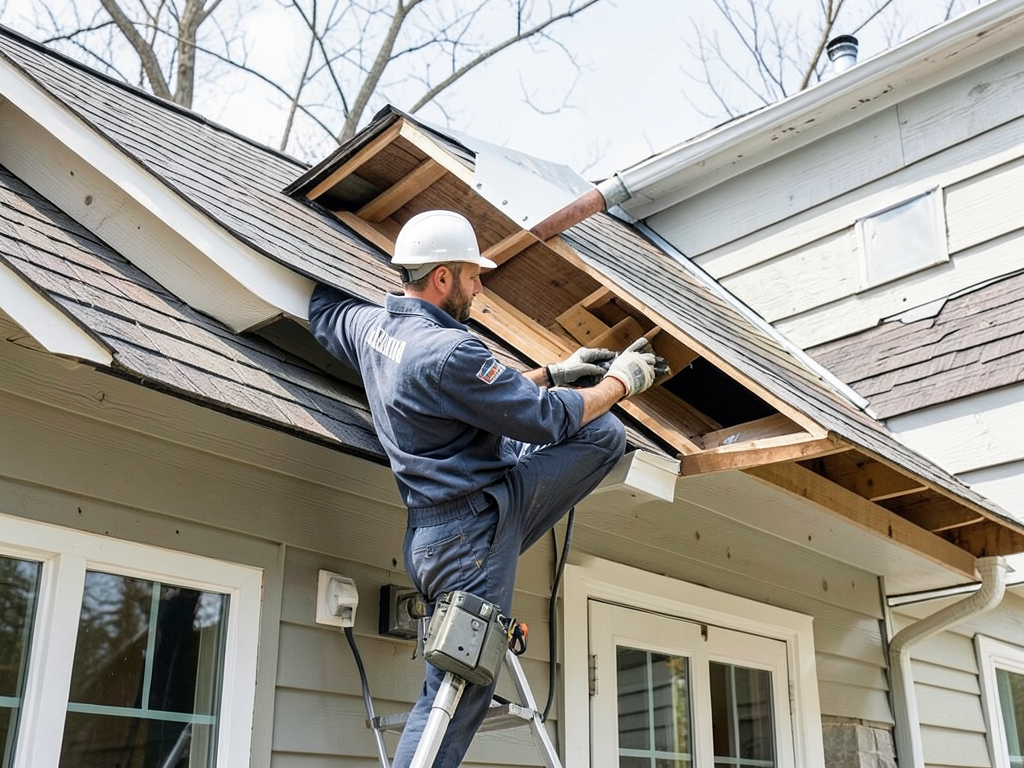
Professional attic ventilation installation in Nashville follows a specific process to ensure optimal performance:
- Initial Assessment
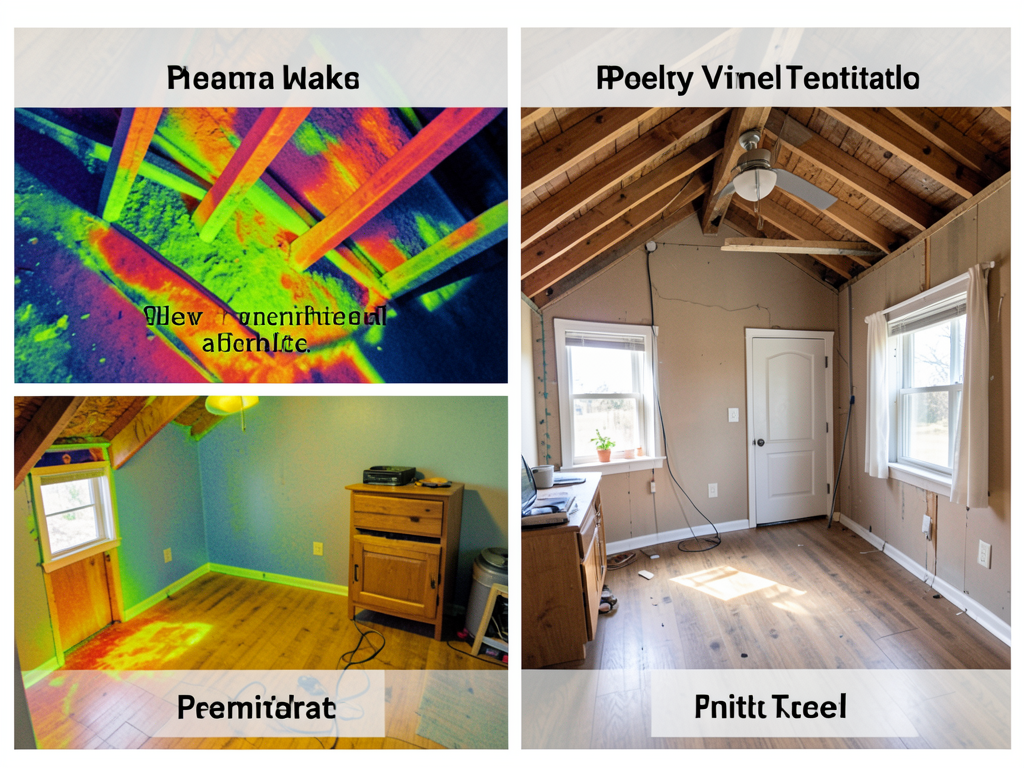
Technician measures attic dimensions, evaluates existing ventilation, and checks for moisture damage using thermal imaging cameras.
- Calculation and Planning
Based on square footage and roof design, contractor calculates required net free area and determines optimal vent placement.
- Permit Acquisition
Pulls necessary Davidson County permits and schedules inspections as required by local code.
- Installation
Installs new vents, ensuring proper spacing and sealing all penetrations to prevent roof leaks.
- Testing and Verification
Uses smoke pencils to verify airflow patterns and confirms all vents meet manufacturer specifications.
Most Nashville homes can be properly ventilated in 1-2 days, with minimal disruption to your daily routine. The investment typically pays for itself within 2-3 years through energy savings alone.
Choosing the Right Contractor in Nashville
Not all roofing contractors understand Nashville’s specific ventilation needs. When selecting a professional, look for: Roofing Columbia.
- Experience with Middle Tennessee’s climate challenges
- Knowledge of local building codes and permit requirements
- Ability to provide ventilation calculations and before/after documentation
- References from other Nashville homeowners with similar homes
- Warranty on both materials and workmanship
Be wary of contractors who only offer one type of ventilation solution or who cannot explain how Nashville’s humidity affects your specific home design.
Maintenance and Long-Term Care
Even the best ventilation system requires periodic maintenance to function optimally. Here’s what Nashville homeowners should do annually:
- Inspect vents for debris, especially after spring storms
- Check for wasp nests or bird nests blocking airflow
- Verify that insulation hasn’t shifted to cover soffit vents
- Look for signs of moisture damage in attic spaces
- Test power fans (if installed) before summer heat arrives
Many Nashville homeowners schedule ventilation inspections during their annual roof maintenance, making it easy to stay on top of potential issues before they become expensive problems.
The Cost of Doing Nothing
Ignoring attic ventilation problems in Nashville can lead to cascading failures that cost thousands more than proper installation. Consider these potential costs:
- Premature roof replacement: $8,000-$15,000
- Mold remediation: $2,000-$6,000
- Structural repairs from moisture damage: $3,000-$10,000
- Increased cooling costs over 5 years: $3,000-$5,000
- Voided manufacturer warranties: replacement costs at your expense
Proper ventilation is insurance against these expenses, protecting both your home and your wallet.
Frequently Asked Questions
How do I know if my attic ventilation is working properly?
Check for even temperatures throughout your attic space. Use a thermometer to compare temperatures at different heights and locations. Proper ventilation should maintain attic temperatures within 10-15 degrees of outdoor air. You can also look for signs of moisture damage or ice dam formation in winter.
Can I add too much ventilation to my attic?
Yes, over-ventilating can create negative pressure that pulls conditioned air from your living spaces. It can also make your attic too cold in winter, potentially causing moisture problems. Always follow the 1/300 rule and consult with a professional who understands Nashville’s specific climate needs.
How long does professional attic ventilation installation take?
Most Nashville homes can be properly ventilated in 1-2 days. The process includes assessment, calculation, installation, and testing. Complex roof designs or homes requiring extensive repairs may take longer. Your contractor should provide a detailed timeline before starting work.
Will improving my attic ventilation void my roof warranty?
Actually, proper ventilation is often required to maintain your roof warranty. Major manufacturers like GAF and Owens Corning specifically require adequate ventilation for their warranties to remain valid. Improper ventilation can void warranties, while proper ventilation protects your investment.
What’s the best time of year to upgrade attic ventilation in Nashville?
Spring and fall are ideal because temperatures are moderate and contractors have more availability. However, if you’re experiencing problems, don’t wait. The damage from poor ventilation continues year-round, and addressing it sooner prevents more expensive repairs later.
Take Control of Your Home’s Comfort Today
Don’t let another Nashville summer turn your attic into an oven. The combination of high humidity and poor ventilation is costing you money and potentially damaging your home. Professional attic ventilation assessment and installation can transform your living spaces, reduce your energy bills, and protect your roof investment for years to come.
Call (615) 640-4994 today to schedule your free attic ventilation evaluation. Our Nashville-based team understands the unique challenges Middle Tennessee homes face and can design a system that works specifically for your home’s architecture and our local climate.
Pick up the phone and call (615) 640-4994 before the next heat wave hits. Your comfort, your wallet, and your roof will thank you.
{
“@context”: “https://schema.org”,
“@type”: “BlogPosting”,
“headline”: “The Real Reason Your Nashville Attic Feels Like an Oven Every Summer”,
“description”: “Discover why Nashville attics trap heat and humidity. Learn how proper ventilation can cut cooling costs and protect your roof. Call (615) 640-4994 for expert solutions.”,
“wordCount”: 1698,
“datePublished”: “2026-03-06T12:45:00.000Z”,
“dateModified”: “2026-03-06T12:45:00.000Z”,
“inLanguage”: “en-US”,
“mainEntityOfPage”: {
“@type”: “WebPage”,
“@id”: “https://titanroofingnashville.com”
},
“publisher”: {
“@type”: “LocalBusiness”,
“name”: “Titan Roofing Nashville”,
“url”: “https://titanroofingnashville.com”
},
“author”: {
“@type”: “Organization”,
“name”: “Titan Roofing Nashville”,
“url”: “https://titanroofingnashville.com”
},
“image”: {
“@type”: “ImageObject”,
“url”: “https://titanroofingnashville.com/wp-content/uploads/2026/03/the-real-reason-your-nashville-attic-feels-like-an-1.png”
}
}
{
“@context”: “https://schema.org”,
“@type”: “RoofingContractor”,
“name”: “Titan Roofing Nashville”,
“url”: “https://titanroofingnashville.com”,
“address”: {
“@type”: “PostalAddress”,
“addressLocality”: “Nashville”
},
“areaServed”: {
“@type”: “City”,
“name”: “Nashville”
}
}
{
“@context”: “https://schema.org”,
“@type”: “FAQPage”,
“mainEntity”: [
{
“@type”: “Question”,
“name”: “How do I know if my attic ventilation is working properly?”,
“acceptedAnswer”: {
“@type”: “Answer”,
“text”: “Check for even temperatures throughout your attic space. Use a thermometer to compare temperatures at different heights and locations. Proper ventilation should maintain attic temperatures within 10-15 degrees of outdoor air. You can also look for signs of moisture damage or ice dam formation in winter.”
}
},
{
“@type”: “Question”,
“name”: “Can I add too much ventilation to my attic?”,
“acceptedAnswer”: {
“@type”: “Answer”,
“text”: “Yes, over-ventilating can create negative pressure that pulls conditioned air from your living spaces. It can also make your attic too cold in winter, potentially causing moisture problems. Always follow the 1/300 rule and consult with a professional who understands Nashville’s specific climate needs.”
}
},
{
“@type”: “Question”,
“name”: “How long does professional attic ventilation installation take?”,
“acceptedAnswer”: {
“@type”: “Answer”,
“text”: “Most Nashville homes can be properly ventilated in 1-2 days. The process includes assessment, calculation, installation, and testing. Complex roof designs or homes requiring extensive repairs may take longer. Your contractor should provide a detailed timeline before starting work.”
}
}
]
}
{
“@context”: “https://schema.org”,
“@type”: “HowTo”,
“name”: “Professional Attic Ventilation Installation”,
“step”: [
{
“@type”: “HowToStep”,
“position”: 1,
“name”: “Initial Assessment”,
“text”: “Technician measures attic dimensions, evaluates existing ventilation, and checks for moisture damage using thermal imaging cameras.”
},
{
“@type”: “HowToStep”,
“position”: 2,
“name”: “Calculation and Planning”,
“text”: “Based on square footage and roof design, contractor calculates required net free area and determines optimal vent placement.”
},
{
“@type”: “HowToStep”,
“position”: 3,
“name”: “Permit Acquisition”,
“text”: “Pulls necessary Davidson County permits and schedules inspections as required by local code.”
},
{
“@type”: “HowToStep”,
“position”: 4,
“name”: “Installation”,
“text”: “Installs new vents, ensuring proper spacing and sealing all penetrations to prevent roof leaks.”
},
{
“@type”: “HowToStep”,
“position”: 5,
“name”: “Testing and Verification”,
“text”: “Uses smoke pencils to verify airflow patterns and confirms all vents meet manufacturer specifications.”
}
],
“image”: “https://titanroofingnashville.com/wp-content/uploads/2026/03/the-real-reason-your-nashville-attic-feels-like-an-1.png”
}
{
“@context”: “https://schema.org”,
“@type”: “BreadcrumbList”,
“itemListElement”: [
{
“@type”: “ListItem”,
“position”: 1,
“name”: “Home”,
“item”: “https://titanroofingnashville.com”
},
{
“@type”: “ListItem”,
“position”: 2,
“name”: “Blog”,
“item”: “https://titanroofingnashville.com/blog”
},
{
“@type”: “ListItem”,
“position”: 3,
“name”: “The Real Reason Your Nashville Attic Feels Like an Oven Every Summer”
}
]
}
{
“@context”: “https://schema.org”,
“@type”: “Service”,
“serviceType”: “Roofing”,
“provider”: {
“@type”: “LocalBusiness”,
“name”: “Titan Roofing Nashville”,
“url”: “https://titanroofingnashville.com”
},
“areaServed”: {
“@type”: “City”,
“name”: “Nashville”
},
“description”: “Discover why Nashville attics trap heat and humidity. Learn how proper ventilation can cut cooling costs and protect your roof. Call (615) 640-4994 for expert solutions.”
}