
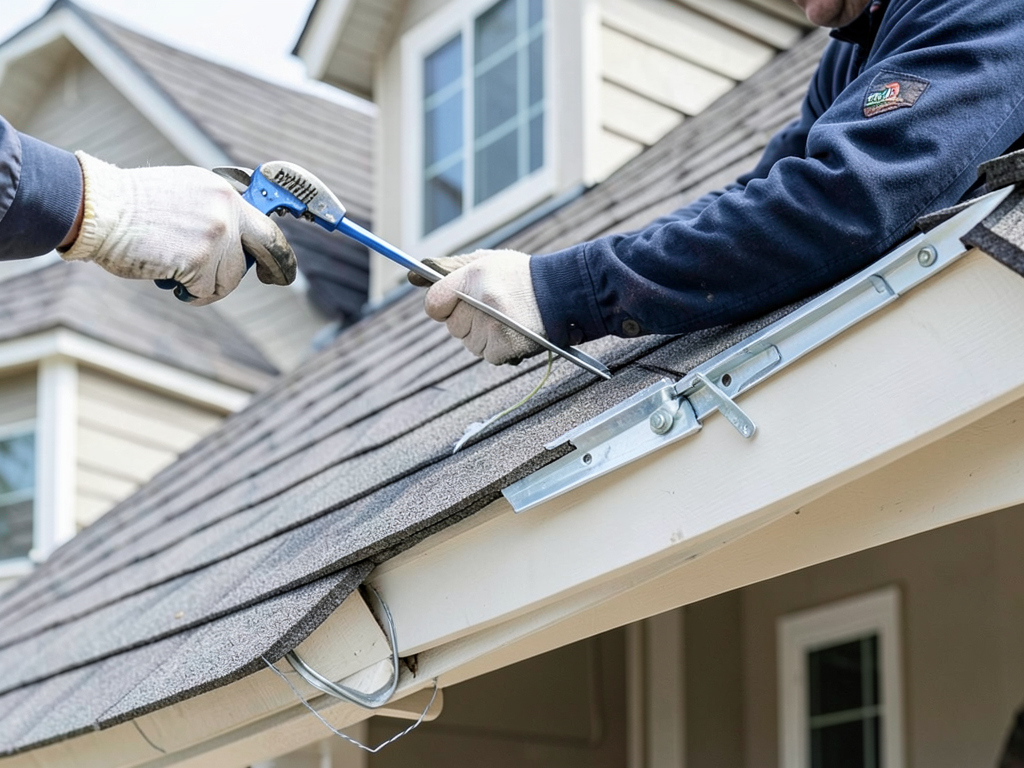
Reinforcing Your Roof Against the Increased Threat of Tornadoes and Straight Line Winds in Lebanon
Middle Tennessee homeowners face a growing threat from severe weather. The frequency of tornadoes and straight line winds has increased dramatically over the past decade. These storms can generate wind speeds exceeding 150 mph. That kind of force can tear off standard roofing materials and leave your home vulnerable to water damage and structural failure. Tennessee Department of Commerce and Insurance.
Building a roof that can withstand these extreme conditions requires understanding the science behind wind resistance. It also requires using materials and installation methods that exceed standard building codes. This guide explains what makes a roof truly tornado-resistant and how Lebanon homeowners can protect their properties. A Homeowner’s Guide to Roof Replacement Costs in Brentwood.
The Science of Tornado-Resistant Roofing
Wind creates uplift pressure on your roof. As wind flows over the surface, it generates negative pressure that tries to pull the roof upward. The faster the wind, the greater the uplift force. Standard asphalt shingles are rated for winds up to 60-80 mph. That rating drops significantly as shingles age or if they were not installed correctly.. Read more about Why We Recommend GAF Shingles for Residential Roofs in Tusculum.
Tornado-resistant roofing starts with understanding wind uplift ratings. The ASTM D3161 standard tests shingles for wind resistance. Class D shingles withstand winds up to 90 mph. Class G shingles handle winds up to 110 mph. Class H shingles, the highest rating, resist winds up to 150 mph. For Middle Tennessee’s tornado alley conditions, Class H or better is essential.
The roof deck attachment is equally important. Hurricane clips or straps connect the roof trusses to the wall structure. These metal connectors prevent the roof from lifting off during extreme wind events. The International Residential Code requires these connections in high-wind zones. Nashville-Davidson County has adopted these requirements for all new construction. Reliable Residential Roofers Serving East Nashville and Inglewood.
Underlayment provides a secondary water barrier. Synthetic underlayments offer superior tear resistance compared to traditional felt paper. They remain flexible in cold temperatures and resist UV damage during extended exposure. For tornado resistance, a self-adhering polymer modified bitumen underlayment creates a waterproof seal at all roof penetrations.
Top Roofing Materials for Storm Resistance
Standing seam metal roofing offers the highest wind resistance available. The interlocking panels and concealed fasteners create a continuous surface that wind cannot penetrate. Metal roofs can withstand winds up to 180 mph when properly installed. They also reflect heat, reducing cooling costs during Lebanon’s hot summers.
Impact-resistant asphalt shingles provide a balance of affordability and protection. Class 4 shingles, rated under UL 2218, withstand impacts from steel balls dropped from specific heights. This rating simulates the impact of large hail. Class 4 shingles have rubberized polymers in the mat that allow them to flex without cracking.
Slate and tile roofing offer exceptional durability. These materials can last 50-100 years and resist winds up to 150 mph. However, they require reinforced roof structures due to their weight. Many historic homes in East Nashville feature these materials specifically because of their storm resistance. Expert Slate and Tile Roof Restoration in Belle Meade.
Material Comparison Table
| Material | Wind Rating (mph) | Impact Rating | Lifespan (years) | Cost per sq |
|---|---|---|---|---|
| Standing Seam Metal | 180 | Class 4 | 50+ | $400-700 |
| Class 4 Asphalt | 150 | Class 4 | 25-30 | $200-350 |
| Slate | 150 | Class 4 | 75-100 | $800-1,500 |
| Concrete Tile | 150 | Class 4 | 50-75 | $600-900 |
FORTIFIED Home Standards for Nashville Residents
The Insurance Institute for Business and Home Safety developed the FORTIFIED Home program specifically for storm-prone regions. This voluntary construction standard goes beyond minimum building codes. Homes built to FORTIFIED standards have demonstrated significantly better performance during severe weather events. Insurance Institute for Business and Home Safety.
FORTIFIED Roof certification requires several key elements. The roof deck must be sealed with a peel-and-stick underlayment. All shingles must be rated for high winds and properly sealed. Roof vents must be anchored to prevent blow-off. Gable ends require additional bracing to prevent collapse.
The program offers three levels of certification. FORTIFIED Roof focuses on the roofing system itself. FORTIFIED Gold includes the roof plus additional protections for windows, doors, and connections. FORTIFIED Platinum represents the highest level of storm resistance, including whole-home structural improvements.
Tennessee residents can receive insurance discounts for FORTIFIED certified homes. The Tennessee Department of Commerce and Insurance maintains a list of approved insurers offering these discounts. Premium reductions typically range from 5% to 35% depending on the certification level and insurance company.
Cost vs. Value: Insurance Discounts in Tennessee
Investing in tornado-resistant roofing can pay for itself through insurance savings. Tennessee insurance companies recognize the reduced risk of storm damage. Many offer premium discounts for homes with impact-resistant roofing materials or FORTIFIED certification.
The return on investment calculation includes several factors. Initial material costs run 15-40% higher than standard roofing. Insurance discounts typically range from 5% to 25% annually. The extended lifespan of premium materials means fewer replacement cycles over time.
Beyond insurance savings, tornado-resistant roofing can increase property value. Homebuyers in Middle Tennessee increasingly prioritize storm resistance. A home with documented storm-resistant features may sell faster and at a premium compared to similar properties without these protections.
Maintenance costs also decrease with higher quality materials. Class 4 shingles resist granule loss and cracking that commonly occurs with standard shingles. Metal roofing requires minimal maintenance beyond occasional cleaning. These factors contribute to the long-term value proposition. Solving Common Flat Roof Leaks for Downtown Nashville Condos.
Our Local Nashville Storm Restoration Process
Protecting your home starts with a comprehensive inspection. Our technicians examine every aspect of your roofing system. We check for proper fastener spacing, adequate underlayment coverage, and correct flashing installation. We also assess your roof deck attachment and identify any areas needing reinforcement.
The inspection process includes wind uplift calculations based on your specific roof design. We consider factors like roof pitch, overhang length, and local exposure. These calculations determine the minimum wind rating your new roof must achieve to provide adequate protection.
Once we identify your needs, we develop a customized protection plan. This plan includes material recommendations, installation methods, and projected insurance savings. We handle all permitting requirements with Nashville-Davidson County. Our team ensures your new roof meets or exceeds all local building codes.. Read more about How to Get Emergency Tarping for Your Nashville Roof Right After a Storm.
Installation follows strict quality control procedures. We use factory-trained installers who understand the nuances of high-wind applications. Every fastener is placed according to manufacturer specifications. We conduct daily inspections to ensure proper sealing and alignment throughout the process.
Understanding Nashville’s Wind Load Requirements
Davidson County follows the International Building Code for wind load calculations. The basic wind speed for Nashville is 115 mph. However, certain areas may experience higher localized wind speeds during severe storms. The code requires additional considerations for buildings in these higher-risk zones.
Roof design must account for both positive and negative wind pressures. Positive pressure pushes against the roof surface. Negative pressure creates uplift forces that try to pull the roof upward. The code specifies different pressure coefficients for various roof shapes and heights.
Edge details receive special attention in high-wind design. The perimeter zones of a roof experience the highest wind pressures. These areas require additional fastening and sealing. Gable ends need diagonal bracing to prevent collapse during extreme wind events.
Commercial buildings face different requirements than residential structures. The allowable story drift increases with building height. This means taller buildings must have more robust connections between structural elements. Our commercial roofing division specializes in these complex installations. Choosing Between Shingles and Metal for Your New Hendersonville Roof.
Impact of Tennessee Tornado Alley on Home Valuation
Middle Tennessee sits in the heart of Dixie Alley, a region known for frequent tornado activity. This geographic reality affects home values and insurance costs. Properties with enhanced storm resistance often command premiums compared to similar homes without these features.
Real estate appraisers now consider storm resistance in their valuations. Homes with FORTIFIED certification or impact-resistant roofing may receive higher appraisals. This recognition reflects the reduced risk and lower long-term ownership costs associated with these features.
Insurance companies also factor storm resistance into their risk assessments. Homes with documented wind-resistant features may qualify for lower premiums. Some insurers offer specific discounts for Class 4 shingles or metal roofing installations.
The growing awareness of climate change and increasing storm frequency drives demand for resilient construction. Homebuyers increasingly seek properties with enhanced storm protection. This trend suggests storm-resistant features will become standard expectations rather than premium upgrades.
Roofing Insurance Deductible Savings in Tennessee
Many Tennessee homeowners carry separate wind and hail deductibles on their insurance policies. These deductibles often range from 1% to 5% of the home’s insured value. For a $300,000 home, that could mean a $15,000 deductible for storm damage.
Tornado-resistant roofing can help you avoid these high deductibles. By preventing storm damage, you eliminate the need to file claims. This saves you money directly and helps maintain your claims-free discount status with your insurance company.
Some insurance companies offer disappearing deductibles for homes with storm-resistant features. These programs reduce your deductible amount each year you remain claims-free. After several years, your deductible could decrease significantly or even disappear entirely.
The financial benefits extend beyond direct savings. Avoiding claims keeps your insurance rates lower over time. Multiple claims can lead to non-renewal or placement in high-risk insurance pools with much higher premiums.
Frequently Asked Questions
What makes a roof tornado-resistant?
Tornado-resistant roofing combines high-wind rated materials, reinforced deck attachment, proper underlayment, and sealed edge details. Class 4 impact-resistant shingles, hurricane clips, and synthetic underlayments work together to create a system that can withstand extreme wind forces.
How much more expensive is tornado-resistant roofing?
Tornado-resistant roofing typically costs 15-40% more than standard roofing. However, insurance discounts of 5-25% can offset much of this additional cost. The extended lifespan of premium materials also contributes to long-term savings.
Does Nashville require tornado-resistant roofing?
Nashville follows the International Building Code, which has specific wind load requirements. While not all areas require the highest level of storm resistance, our climate and location in Dixie Alley make enhanced protection a wise investment for most homeowners.
How long does installation take?
Most residential tornado-resistant roof installations take 2-3 days for the actual work. The entire process, including permitting and material ordering, typically takes 2-4 weeks from initial inspection to completion.
Can I get insurance discounts for storm-resistant roofing?
Yes. Many Tennessee insurance companies offer discounts for impact-resistant shingles, metal roofing, or FORTIFIED certification. Discounts typically range from 5% to 25% depending on the specific features and your insurance provider.
Take Action Before the Next Storm Hits
The increasing frequency of severe weather in Middle Tennessee makes tornado-resistant roofing a necessity rather than a luxury. Standard roofing materials simply cannot withstand the forces generated by today’s storms. Every year, countless homes suffer preventable damage that could have been avoided with proper storm-resistant construction.
Our team has spent years perfecting storm-resistant roofing techniques specifically for Nashville’s climate and building patterns. We understand the local wind loads, the common failure points, and the most effective solutions. We’ve helped hundreds of homeowners protect their investments and gain peace of mind.
Don’t wait until after the next tornado warning to think about your roof’s strength. The time to act is now, before severe weather strikes. A small investment today can prevent thousands in damage tomorrow and potentially save lives.
Call (615) 640-4994 today to schedule your comprehensive storm resistance inspection. Our experts will evaluate your current roof, explain your options, and provide a detailed quote with no pressure or obligation. Your family’s safety is worth the call.
Pick up the phone and call (615) 640-4994 before the next storm hits. We’re ready to help you build a roof that can stand up to whatever Mother Nature throws at it.
You may also find this helpful. Plywood vs OSB Roof Decking for Long Term Stability in Nashville.
{
“@context”: “https://schema.org”,
“@type”: “BlogPosting”,
“headline”: “Reinforcing Your Roof Against the Increased Threat of Tornadoes and Straight Line Winds in Lebanon”,
“description”: “Protect your Lebanon home with tornado-resistant roofing. Learn about Class 4 shingles, wind ratings, and FORTIFIED Home standards for Middle Tennessee storms.”,
“wordCount”: 1960,
“datePublished”: “2026-04-09T12:25:00.000Z”,
“dateModified”: “2026-04-09T12:25:00.000Z”,
“inLanguage”: “en-US”,
“mainEntityOfPage”: {
“@type”: “WebPage”,
“@id”: “https://titanroofingnashville.com”
},
“publisher”: {
“@type”: “LocalBusiness”,
“name”: “Titan Roofing Nashville”,
“url”: “https://titanroofingnashville.com”
},
“author”: {
“@type”: “Organization”,
“name”: “Titan Roofing Nashville”,
“url”: “https://titanroofingnashville.com”
},
“image”: {
“@type”: “ImageObject”,
“url”: “https://titanroofingnashville.com/wp-content/uploads/2026/03/reinforcing-your-roof-against-the-increased-threat-1.png”
}
}
{
“@context”: “https://schema.org”,
“@type”: “RoofingContractor”,
“name”: “Titan Roofing Nashville”,
“url”: “https://titanroofingnashville.com”,
“address”: {
“@type”: “PostalAddress”,
“addressLocality”: “Nashville”
},
“areaServed”: {
“@type”: “City”,
“name”: “Nashville”
}
}
{
“@context”: “https://schema.org”,
“@type”: “FAQPage”,
“mainEntity”: [
{
“@type”: “Question”,
“name”: “What makes a roof tornado-resistant?”,
“acceptedAnswer”: {
“@type”: “Answer”,
“text”: “Tornado-resistant roofing combines high-wind rated materials, reinforced deck attachment, proper underlayment, and sealed edge details. Class 4 impact-resistant shingles, hurricane clips, and synthetic underlayments work together to create a system that can withstand extreme wind forces.”
}
},
{
“@type”: “Question”,
“name”: “How much more expensive is tornado-resistant roofing?”,
“acceptedAnswer”: {
“@type”: “Answer”,
“text”: “Tornado-resistant roofing typically costs 15-40% more than standard roofing. However, insurance discounts of 5-25% can offset much of this additional cost. The extended lifespan of premium materials also contributes to long-term savings.”
}
},
{
“@type”: “Question”,
“name”: “Does Nashville require tornado-resistant roofing?”,
“acceptedAnswer”: {
“@type”: “Answer”,
“text”: “Nashville follows the International Building Code, which has specific wind load requirements. While not all areas require the highest level of storm resistance, our climate and location in Dixie Alley make enhanced protection a wise investment for most homeowners.”
}
},
{
“@type”: “Question”,
“name”: “How long does installation take?”,
“acceptedAnswer”: {
“@type”: “Answer”,
“text”: “Most residential tornado-resistant roof installations take 2-3 days for the actual work. The entire process, including permitting and material ordering, typically takes 2-4 weeks from initial inspection to completion.”
}
},
{
“@type”: “Question”,
“name”: “Can I get insurance discounts for storm-resistant roofing?”,
“acceptedAnswer”: {
“@type”: “Answer”,
“text”: “Yes. Many Tennessee insurance companies offer discounts for impact-resistant shingles, metal roofing, or FORTIFIED certification. Discounts typically range from 5% to 25% depending on the specific features and your insurance provider.”
}
}
]
}
{
“@context”: “https://schema.org”,
“@type”: “BreadcrumbList”,
“itemListElement”: [
{
“@type”: “ListItem”,
“position”: 1,
“name”: “Home”,
“item”: “https://titanroofingnashville.com”
},
{
“@type”: “ListItem”,
“position”: 2,
“name”: “Blog”,
“item”: “https://titanroofingnashville.com/blog”
},
{
“@type”: “ListItem”,
“position”: 3,
“name”: “Reinforcing Your Roof Against the Increased Threat of Tornadoes and Straight Line Winds in Lebanon”
}
]
}
{
“@context”: “https://schema.org”,
“@type”: “Service”,
“serviceType”: “Roofing”,
“provider”: {
“@type”: “LocalBusiness”,
“name”: “Titan Roofing Nashville”,
“url”: “https://titanroofingnashville.com”
},
“areaServed”: {
“@type”: “City”,
“name”: “Nashville”
},
“description”: “Protect your Lebanon home with tornado-resistant roofing. Learn about Class 4 shingles, wind ratings, and FORTIFIED Home standards for Middle Tennessee storms.”
}