
Protecting Your Dormer Windows from Water Damage During Heavy Rainfall
Nashville’s heavy rainfall and high humidity create unique challenges for dormer windows. Water damage around these architectural features is one of the most common causes of roof leaks in Middle Tennessee homes. Understanding how to properly protect your dormer windows can save you thousands in repair costs and prevent structural damage to your home. Nashville building permit requirements.
Dormer windows create vulnerable points where vertical walls meet sloped roofs. This intersection is where water naturally wants to flow and where most leaks develop. The combination of Nashville’s intense spring thunderstorms and the freeze-thaw cycles we experience each winter puts tremendous stress on these areas.
Why Dormers Are the Most Common Leak Point in Nashville Homes
Dormer windows interrupt the natural flow of water across your roof. When rain hits a dormer, it creates a dam effect that forces water to pool and seek the path of least resistance. This is especially problematic in Nashville’s older neighborhoods like East Nashville and 12 South where many homes feature classic gable dormers.
The soil composition in Davidson County adds another layer of complexity. Our region’s expansive clay soil shifts with moisture changes, which can cause subtle movements in your home’s foundation. These shifts transfer stress to roof structures, particularly around dormers, creating gaps in flashing over time.
According to Nashville building codes, dormer flashing must meet specific requirements for wind resistance due to our region’s vulnerability to severe storms. The International Residential Code (IRC) 2021 requires step flashing at all dormer wall intersections to prevent water infiltration. International Residential Code requirements.
The Anatomy of Proper Dormer Flashing
Proper dormer protection involves multiple layers of defense working together. The first line of protection is ice and water shield underlayment, which extends at least 24 inches past the dormer wall on all sides. This self-adhering membrane creates a waterproof barrier that prevents water from backing up under shingles.
Step flashing is the next critical component. These L-shaped metal pieces are installed under each shingle course and overlap the vertical dormer wall. Each step flashing piece should extend at least 4 inches up the wall and 4 inches onto the roof surface. The flashing pieces should be bent at a 90-degree angle to create a watertight seal.
Counter-flashing is then installed over the step flashing and embedded into the dormer wall. This creates a mechanical bond that prevents water from running behind the step flashing. The counter-flashing should extend at least 2 inches down over the step flashing and be sealed with high-quality polyurethane caulk.
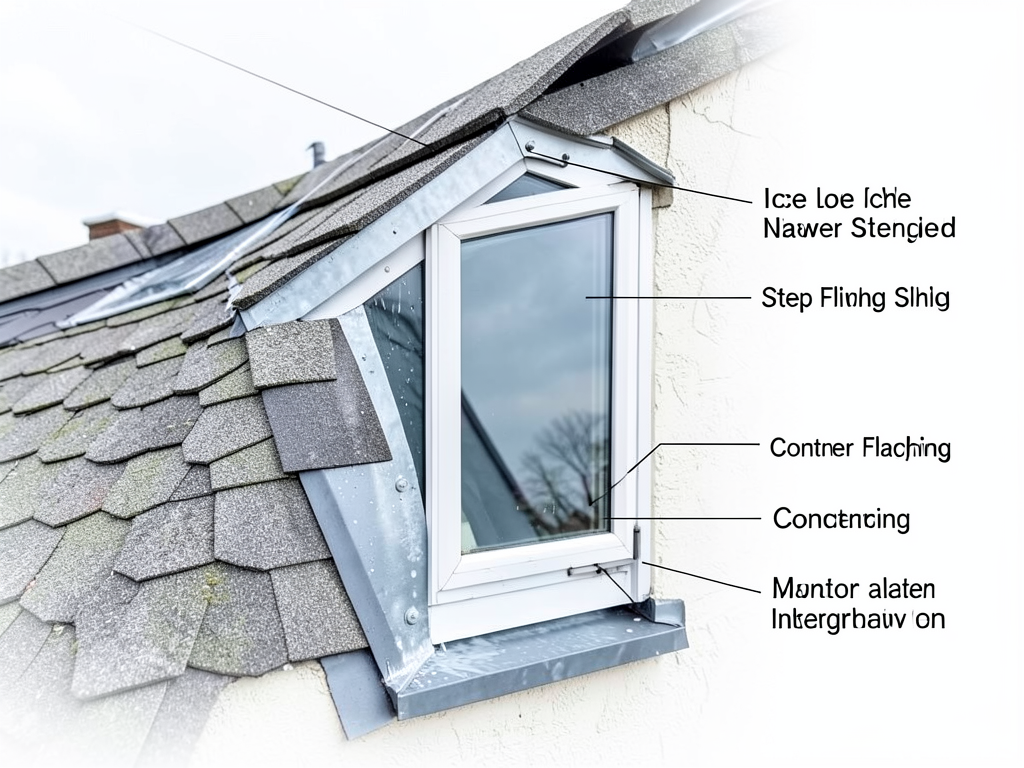
Picture showing the complete flashing system around a dormer window, with ice and water shield, step flashing, counter-flashing, and proper shingle integration clearly labeled.
Material Considerations for Middle Tennessee Climate
Nashville’s climate demands specific material choices for dormer protection. Our high humidity levels, typically ranging from 65-85% during summer months, require materials that resist organic growth and corrosion. Aluminum flashing is popular due to its resistance to rust, but it expands and contracts significantly with temperature changes.
Copper flashing offers superior longevity but comes at a premium cost. In Nashville’s weather conditions, copper develops a protective patina that actually increases its resistance to corrosion. Many historic homes in neighborhoods like Germantown and The Nations feature copper flashing that has lasted over 50 years.
The thermal expansion rate of roofing materials in Nashville is significant. Our summer temperatures often exceed 90°F while winter nights can drop below freezing. This 100-degree temperature swing causes metal flashing to expand and contract, potentially loosening fasteners over time. Quality installers use flexible sealants that accommodate this movement. Roofing La Vergne.
Step-by-Step: How Titan Roofing Protects Dormers
Our process begins with a thorough inspection of existing conditions. We look for signs of water damage, deteriorated flashing, and compromised underlayment. This diagnostic step is crucial because it reveals hidden issues that could cause future problems.
Next, we remove existing shingles and flashing around the dormer area. This allows us to inspect the roof deck for rot or damage. Any compromised wood is replaced before proceeding. We then install ice and water shield, overlapping each piece by at least 6 inches to create a continuous waterproof barrier.
Step flashing installation follows a specific pattern. Each piece is installed under a shingle course and over the previous flashing piece, creating a shingled effect that channels water down and away from the wall. The key is ensuring each piece is properly bent and secured to prevent lifting in high winds.
Shingle integration is the final step. Shingles must be cut precisely to fit around the dormer while maintaining the proper exposure and overlap. We use chalk lines to ensure straight, consistent cuts that maintain the roof’s aesthetic appeal while providing maximum protection.
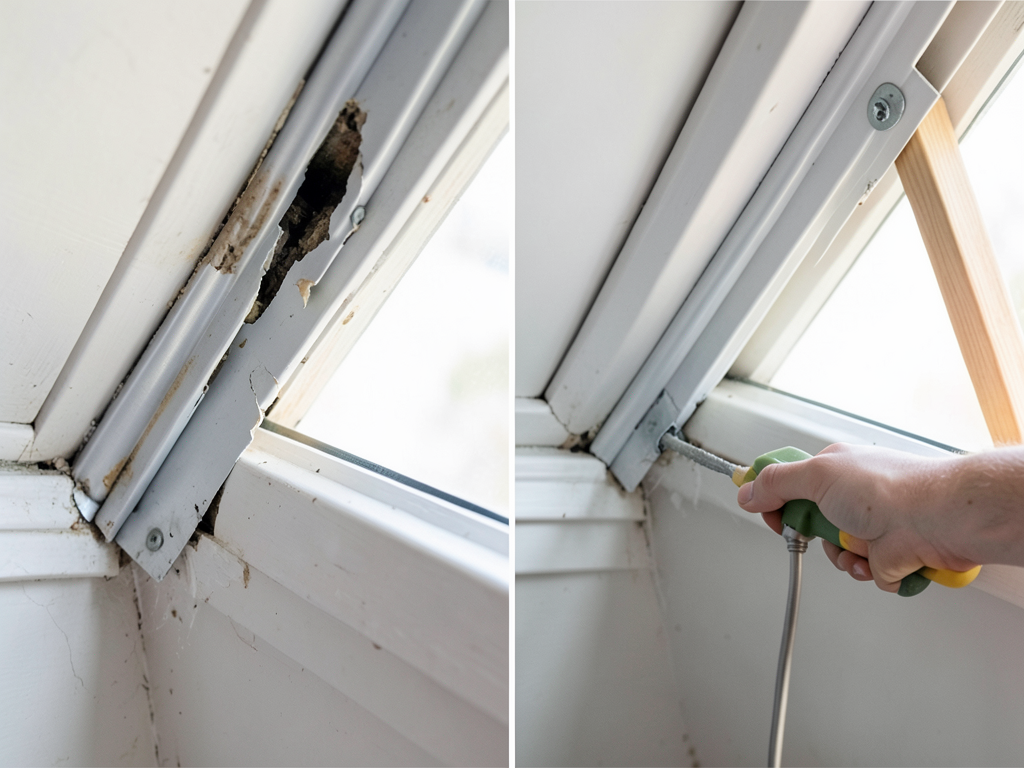
Photo showing a completed dormer flashing installation with proper step flashing, counter-flashing, and shingle integration on a Nashville home.
Common Signs of Dormer Leaks to Watch For
Early detection of dormer leaks can prevent extensive damage. Look for water stains on the ceiling below dormer windows, which often appear as yellowish-brown spots. These stains typically indicate water has been penetrating the roof for some time.
Peeling paint or bubbling on the interior walls of dormer spaces suggests moisture intrusion. The high humidity in Nashville accelerates this process, causing paint to fail more quickly than in drier climates. Check for soft spots in drywall or plaster, which indicate water damage has compromised the structural integrity.
Exterior signs include missing or damaged flashing, cracked caulk joints, and missing shingles around dormer areas. Pay special attention after severe weather events. Hail damage can dent metal flashing and create microscopic cracks that allow water infiltration over time.
Attic inspection reveals additional clues. Look for dark spots on rafters or roof decking near dormers, which indicate past or present water intrusion. The smell of musty or damp odors in attic spaces often precedes visible damage and should prompt immediate investigation.
Material Comparison for Dormer Protection
| Material Type | Cost Range | Lifespan in Nashville | Best For |
|---|---|---|---|
| Aluminum Flashing | $8-12 per linear foot | 15-20 years | Standard residential applications |
| Copper Flashing | $25-35 per linear foot | 40-60 years | Historic homes, premium installations |
| Galvanized Steel | $10-15 per linear foot | 20-25 years | High-wind areas, commercial properties |
| Rubber Membrane | $6-8 per linear foot | 10-15 years | DIY repairs, temporary solutions |
Nashville Weather Considerations
Nashville receives an average of 47 inches of rainfall annually, significantly higher than the national average. Our spring thunderstorm season, typically April through June, brings the most intense rainfall and poses the greatest risk to dormer windows. These storms often include high winds that can drive rain horizontally, forcing water into even the smallest gaps in flashing.
Humidity levels in Middle Tennessee create additional challenges. Moisture in the air can condense on cooler surfaces around dormer windows, particularly during temperature swings. This condensation can lead to mold growth and wood rot if proper ventilation isn’t maintained in attic spaces adjacent to dormers.
Ice dams form when snow melts on warm roof areas and refreezes at the eaves. While less common in Nashville than in northern climates, we still experience enough freezing weather to create ice dam conditions. Proper insulation and ventilation around dormers prevents this cycle from causing damage. Solving Common Flat Roof Leaks for Downtown Nashville Condos.
Maintenance Schedule for Dormer Protection
Regular maintenance extends the life of your dormer protection system. We recommend biannual inspections, ideally in spring after severe weather season and in fall before winter arrives. These inspections should check flashing integrity, sealant condition, and shingle condition around dormer areas.
Gutter maintenance is equally important. Clogged gutters cause water to back up and overflow, potentially seeping behind dormer flashing. Clean gutters at least twice yearly, more frequently if your home is surrounded by trees that shed leaves or needles.
Sealant inspection should occur annually. Even high-quality polyurethane sealants deteriorate over time, especially in Nashville’s UV-intensive summers. Look for cracking, shrinkage, or separation from surfaces. Small repairs prevent water from finding entry points during the next heavy rain. 24/7 Emergency Roof Repair.
Professional inspections every 3-5 years catch issues that homeowners might miss. A trained eye can identify early signs of flashing failure, underlayment deterioration, or structural movement that could lead to future leaks.
Insurance Considerations for Dormer Damage
Most homeowner insurance policies in Nashville cover sudden dormer damage from covered perils like hail, wind, or falling trees. However, damage from long-term neglect or poor maintenance is typically excluded. This makes regular maintenance not just good practice but also financially prudent.
When filing claims for dormer damage, documentation is crucial. Take photos of damage immediately after discovery, keep receipts for any temporary repairs, and maintain records of regular maintenance. Insurance adjusters look for evidence of ongoing care when evaluating claims.
Many Nashville homeowners discover their policies have specific requirements for roof maintenance. Some insurers require professional inspections every few years to maintain coverage. Review your policy details or consult with your insurance agent to understand your obligations.
ROI for Dormer Protection Upgrades
Investing in quality dormer protection offers excellent return on investment. While initial costs range from $1,500 to $5,000 depending on dormer size and materials, preventing even one major leak can save $10,000 or more in interior damage repairs.
Energy efficiency improvements often accompany dormer protection projects. Proper flashing and sealing eliminate drafts that force HVAC systems to work harder. Many Nashville homeowners report 10-15% reductions in heating and cooling costs after comprehensive dormer repairs.
Home value preservation is another significant benefit. Water damage from dormer leaks can reduce property values by 5-10% or more. Professional dormer protection maintains your home’s structural integrity and market appeal, particularly important in competitive Nashville neighborhoods.
Before and after photos showing a dormer leak repair, with the damaged area clearly marked and the repaired flashing system highlighted.
Frequently Asked Questions
How long does dormer flashing typically last in Nashville’s climate?
Quality dormer flashing in Nashville typically lasts 15-25 years, depending on material choice and maintenance. Copper flashing can last 40-60 years, while aluminum generally needs replacement after 15-20 years due to expansion and contraction stress.
Can I repair dormer flashing myself or should I hire a professional?
Minor sealant repairs can be DIY projects, but comprehensive flashing replacement requires professional expertise. Improper installation often causes more damage than the original problem, and Nashville building codes require permits for major roofing work. Expert Slate and Tile Roof Restoration in Belle Meade.
What’s the cost difference between repairing and replacing dormer flashing?
Minor repairs typically cost $300-800, while complete flashing replacement ranges from $1,500-5,000. The higher upfront cost of replacement often proves more economical long-term by preventing repeated leak damage and interior repairs.
How can I tell if my dormer is leaking before visible damage appears?
Look for musty odors in attic spaces, check for moisture in insulation around dormers, and monitor your energy bills for unexplained increases. Professional moisture meters can detect water intrusion before visible signs appear.
Does homeowners insurance cover dormer leak repairs?
Insurance typically covers sudden damage from covered perils but not damage from neglect or poor maintenance. Document regular maintenance and address issues promptly to ensure coverage eligibility if problems arise.
Call for Your Free Dormer Inspection
Don’t wait for the next Nashville thunderstorm to discover dormer problems. Our team at Titan Roofing has protected thousands of dormer windows throughout Middle Tennessee. We understand the unique challenges our climate presents and use proven techniques to keep your home dry and protected. Roofing Columbia.
Call (615) 640-4994 today to schedule your free dormer inspection. We’ll identify potential problems before they cause damage and provide clear recommendations for protecting your investment. Our inspections include detailed photos and explanations so you understand exactly what we find and recommend.
Pick up the phone and call (615) 640-4994 before the next storm hits. Your home deserves the protection that comes from 15+ years of local experience and proven results. We’re here to help Nashville homeowners sleep better knowing their dormers are protected.
Remember, a small investment in proper dormer protection now can prevent thousands in water damage repairs later. Let us show you how Titan Roofing can protect your home from Nashville’s challenging weather conditions.
{
“@context”: “https://schema.org”,
“@type”: “BlogPosting”,
“headline”: “Protecting Your Dormer Windows from Water Damage During Heavy Rainfall”,
“description”: “Learn how to protect dormer windows from water damage in Nashville’s heavy rainfall. Expert tips on flashing, materials, and maintenance from Titan Roofing.”,
“wordCount”: 2030,
“datePublished”: “2026-03-24T13:37:00.000Z”,
“dateModified”: “2026-03-24T13:37:00.000Z”,
“inLanguage”: “en-US”,
“mainEntityOfPage”: {
“@type”: “WebPage”,
“@id”: “https://titanroofingnashville.com”
},
“publisher”: {
“@type”: “LocalBusiness”,
“name”: “Titan Roofing Nashville”,
“url”: “https://titanroofingnashville.com”
},
“author”: {
“@type”: “Organization”,
“name”: “Titan Roofing Nashville”,
“url”: “https://titanroofingnashville.com”
},
“image”: {
“@type”: “ImageObject”,
“url”: “https://titanroofingnashville.com/wp-content/uploads/2026/03/protecting-your-dormer-windows-from-water-damage-d-1.png”
}
}
{
“@context”: “https://schema.org”,
“@type”: “RoofingContractor”,
“name”: “Titan Roofing Nashville”,
“url”: “https://titanroofingnashville.com”,
“address”: {
“@type”: “PostalAddress”,
“addressLocality”: “Nashville”
},
“areaServed”: {
“@type”: “City”,
“name”: “Nashville”
}
}
{
“@context”: “https://schema.org”,
“@type”: “FAQPage”,
“mainEntity”: [
{
“@type”: “Question”,
“name”: “How long does dormer flashing typically last in Nashville’s climate?”,
“acceptedAnswer”: {
“@type”: “Answer”,
“text”: “Quality dormer flashing in Nashville typically lasts 15-25 years, depending on material choice and maintenance. Copper flashing can last 40-60 years, while aluminum generally needs replacement after 15-20 years due to expansion and contraction stress.”
}
},
{
“@type”: “Question”,
“name”: “Can I repair dormer flashing myself or should I hire a professional?”,
“acceptedAnswer”: {
“@type”: “Answer”,
“text”: “Minor sealant repairs can be DIY projects, but comprehensive flashing replacement requires professional expertise. Improper installation often causes more damage than the original problem, and Nashville building codes require permits for major roofing work. Expert Slate and Tile Roof Restoration in Belle Meade.”
}
},
{
“@type”: “Question”,
“name”: “What’s the cost difference between repairing and replacing dormer flashing?”,
“acceptedAnswer”: {
“@type”: “Answer”,
“text”: “Minor repairs typically cost $300-800, while complete flashing replacement ranges from $1,500-5,000. The higher upfront cost of replacement often proves more economical long-term by preventing repeated leak damage and interior repairs.”
}
},
{
“@type”: “Question”,
“name”: “Does homeowners insurance cover dormer leak repairs?”,
“acceptedAnswer”: {
“@type”: “Answer”,
“text”: “Insurance typically covers sudden damage from covered perils but not damage from neglect or poor maintenance. Document regular maintenance and address issues promptly to ensure coverage eligibility if problems arise.”
}
}
]
}
{
“@context”: “https://schema.org”,
“@type”: “BreadcrumbList”,
“itemListElement”: [
{
“@type”: “ListItem”,
“position”: 1,
“name”: “Home”,
“item”: “https://titanroofingnashville.com”
},
{
“@type”: “ListItem”,
“position”: 2,
“name”: “Blog”,
“item”: “https://titanroofingnashville.com/blog”
},
{
“@type”: “ListItem”,
“position”: 3,
“name”: “Protecting Your Dormer Windows from Water Damage During Heavy Rainfall”
}
]
}
{
“@context”: “https://schema.org”,
“@type”: “Service”,
“serviceType”: “Roofing”,
“provider”: {
“@type”: “LocalBusiness”,
“name”: “Titan Roofing Nashville”,
“url”: “https://titanroofingnashville.com”
},
“areaServed”: {
“@type”: “City”,
“name”: “Nashville”
},
“description”: “Learn how to protect dormer windows from water damage in Nashville’s heavy rainfall. Expert tips on flashing, materials, and maintenance from Titan Roofing.”
}