
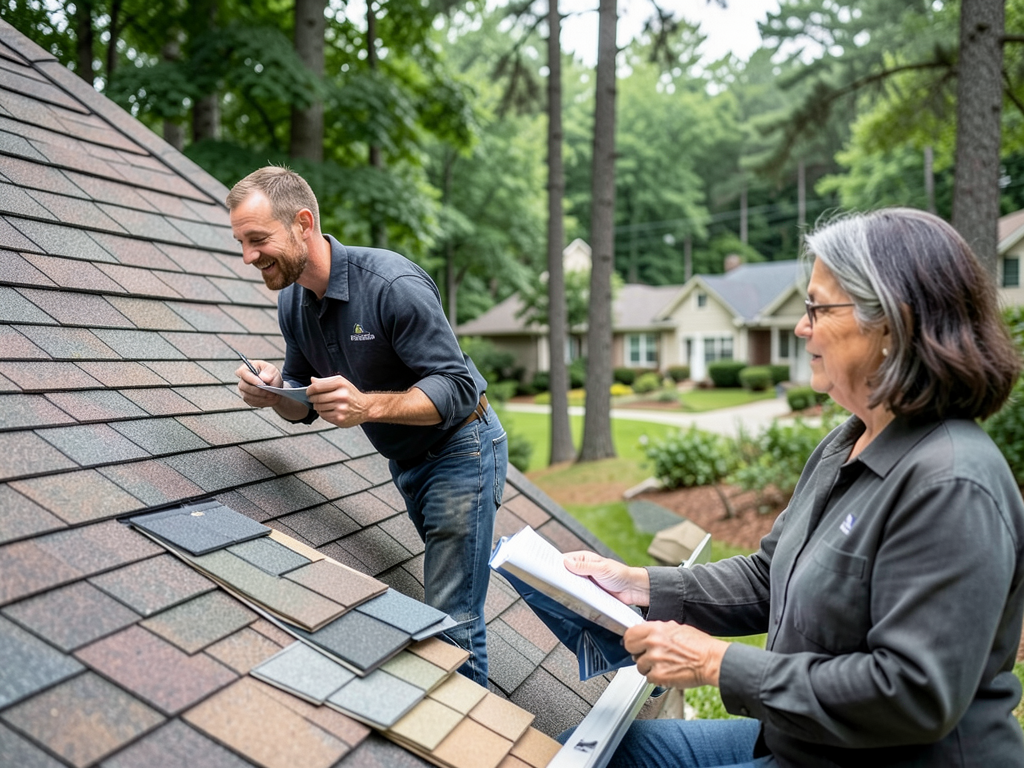
Navigating HOA Roof Requirements for New Construction in Forest Hills
Building a new home in Forest Hills means navigating strict HOA guidelines before the first nail goes in. Forest Hills homeowners associations enforce detailed roofing standards to maintain neighborhood aesthetics and property values. Understanding these requirements early prevents costly delays and ensures your project moves forward without surprises. A Homeowner’s Guide to Roof Replacement Costs in Brentwood.
Forest Hills HOAs typically require architectural approval for all roofing materials, colors, and installation methods. The process involves submitting detailed plans to the Architectural Review Committee (ARC), providing manufacturer specifications, and sometimes even physical samples. Missing a single requirement can stall your project for weeks while you wait for reconsideration.
The approval timeline in Forest Hills ranges from two to six weeks depending on the ARC meeting schedule and the completeness of your submission. Most HOAs hold review meetings monthly, so timing your application correctly matters. During peak construction seasons, wait times can extend beyond the standard timeframe.
Material restrictions vary by subdivision but commonly mandate architectural asphalt shingles with specific color palettes that complement the neighborhood’s natural surroundings. Some areas require impact-resistant shingles due to Nashville’s severe weather patterns, while others limit certain metal roofing styles to preserve traditional aesthetics. Solving Common Flat Roof Leaks for Downtown Nashville Condos.
Before breaking ground, you must also comply with Davidson County building codes, which may have different requirements than your HOA. This creates a dual-approval process where both entities must sign off before installation begins. Understanding how these requirements overlap saves time and prevents conflicts. Davidson County roofing permit requirements.
Working with a roofing contractor familiar with Forest Hills HOAs streamlines the process. Experienced contractors know which materials pass approval, understand the documentation requirements, and can guide you through the submission process efficiently.
Common HOA Roofing Restrictions in Middle Tennessee
Forest Hills HOAs share common restrictions with other Middle Tennessee communities but often enforce them more strictly. Understanding these patterns helps you prepare your submission correctly. Tennessee HOA Act requirements.
Color restrictions represent the most frequent point of contention. HOAs typically maintain approved color palettes that range from earth tones to muted grays and browns. Bright colors, unusual patterns, or materials that create excessive glare often face automatic rejection.
Material specifications vary significantly between neighborhoods. Some HOAs mandate specific shingle brands or lines, while others only approve certain weight classes or wind ratings. Impact-resistant shingles rated for Class 4 hail resistance have become increasingly common requirements across Middle Tennessee. Choosing Between Shingles and Metal for Your New Hendersonville Roof.
Roof pitch and architectural style requirements ensure new construction matches neighborhood character. Steep-slope roofs may be required in areas with traditional architecture, while modern developments might allow lower pitches with specific design elements.
Underlayment requirements often exceed building code minimums. Many HOAs require synthetic underlayment instead of felt paper, or mandate specific ice and water shield applications in valleys and around penetrations.
Flashing and accessory requirements also face scrutiny. Color-matched flashing, specific vent styles, and approved ridge cap materials all require documentation and approval before installation.
The Step-by-Step Approval Process for Nashville Homeowners
Navigating the approval process requires understanding each step and preparing accordingly. Missing documentation or submitting incomplete applications causes unnecessary delays.
Step one involves gathering required documents before submission. This includes site plans showing roof dimensions, elevation drawings, material specifications from manufacturers, color samples, and contractor information including license numbers and insurance certificates.
Step two requires completing the HOA’s architectural review application form. These forms vary by association but typically ask for project descriptions, material details, and neighbor notification information. Some HOAs require signatures from adjacent property owners.
Step three involves submitting your application package to the ARC. Most HOAs accept submissions via email or through online portals. Include everything requested plus extra documentation to prevent follow-up requests.
Step four means waiting for the review process to complete. The ARC meets monthly in most Forest Hills HOAs, reviewing applications in batches. During review, they may request additional information or clarification on specific items.
Step five involves addressing any concerns raised during review. This might mean changing materials, adjusting colors, or providing additional documentation. Quick responses keep your project moving forward.
Step six requires obtaining final approval before proceeding with installation. Some HOAs provide written approval letters, while others use stamped drawings or digital confirmations.
Step seven involves scheduling installation with your approved contractor. Many HOAs require notification before work begins and may mandate specific work hours or noise restrictions.
Step eight includes the final inspection process. Some associations require inspections during installation or after completion to verify compliance with approved plans.
Step nine involves submitting notice of completion to the HOA, including photos of the finished roof and any warranty documentation.
Step ten requires maintaining records of all approvals and documentation for future reference, particularly if you sell your home.
Most Popular HOA-Approved Roofing Materials in Nashville
Material selection significantly impacts approval success. Certain products consistently pass Forest Hills HOA reviews due to their reliability and aesthetic appeal.
Architectural asphalt shingles dominate new construction approvals in Forest Hills. These dimensional shingles offer superior durability compared to traditional three-tab products while maintaining classic appearance. Popular brands include GAF Timberline HDZ, CertainTeed Landmark, and Owens Corning Duration.
Color selection follows regional preferences. Weathered wood, charcoal, and various shades of gray dominate approved palettes. These colors complement Tennessee’s natural landscape and maintain neighborhood cohesion. Some HOAs require specific color codes from manufacturer catalogs.
Impact-resistant shingles gain popularity due to Middle Tennessee’s severe weather patterns. Class 4 rated shingles withstand hail damage better than standard products, potentially lowering insurance premiums while meeting HOA requirements.
Metal roofing options vary by subdivision. Standing seam metal often faces restrictions due to its modern appearance, while metal shingles designed to mimic traditional materials receive more approvals. Color options for metal typically align with asphalt shingle palettes.
Synthetic slate and shake alternatives provide authentic appearance with improved durability. These products appeal to HOAs seeking traditional aesthetics while offering better performance than natural materials. Expert Slate and Tile Roof Restoration in Belle Meade.
Roof underlayment choices affect approval outcomes. Many HOAs now require synthetic underlayment over traditional felt due to superior moisture protection and longer warranties.
Flashing and accessory materials must match primary roofing colors. Pre-painted flashing, color-matched ridge caps, and coordinated vent styles all factor into approval decisions.
Energy efficiency considerations influence material choices. Some newer HOAs encourage cool roof technologies or specific solar reflectance ratings to improve neighborhood energy performance.
Dealing with the Architectural Review Committee (ARC)
Understanding ARC operations helps you navigate the approval process more effectively. These committees enforce HOA guidelines and make final decisions on roofing approvals.
ARC meeting schedules determine your timeline. Most Forest Hills HOAs meet monthly, with submission deadlines typically falling one to two weeks before meetings. Missing a deadline means waiting another month for consideration.
Application review criteria focus on compliance with CC&Rs, neighborhood aesthetics, and property values. Committees evaluate materials, colors, installation methods, and how proposals fit within established neighborhood character.
Common reasons for rejection include unapproved colors, non-compliant materials, incomplete documentation, or proposals that significantly deviate from neighborhood standards. Understanding these patterns helps you prepare stronger applications.
ARC members often include homeowners with construction or design backgrounds. They evaluate proposals based on both technical compliance and aesthetic impact on the community.
Communication with the ARC requires professionalism and thorough documentation. Provide clear, complete information upfront rather than waiting for requests. Respond promptly to any questions or concerns raised during review.
Appeal processes exist for denied applications. Most HOAs allow one appeal per submission, requiring additional documentation or modified proposals to address original concerns.
Building relationships with ARC members through community involvement can smooth the approval process. However, decisions should remain objective and based on established guidelines rather than personal relationships.
Documentation requirements often include detailed drawings, material specifications, color samples, and contractor credentials. Providing everything upfront demonstrates professionalism and thorough preparation.
Timeline management becomes crucial when dealing with ARCs. Factor in review periods, potential revision cycles, and final approval before scheduling installation with your contractor.
Neighborhood Spotlight: Roofing Guidelines in Forest Hills
Forest Hills contains multiple subdivisions, each with unique roofing requirements. Understanding your specific neighborhood guidelines prevents costly mistakes.
Estates of Brentwood enforces some of the strictest roofing standards in Forest Hills. This subdivision requires architectural asphalt shingles with specific color palettes from approved manufacturers. Color approval often depends on how well materials blend with surrounding properties.
Old Hickory Lake area properties face different requirements due to proximity to water. These homes often need enhanced wind ratings and impact-resistant materials to withstand lake-effect weather patterns.
River Plantation subdivisions emphasize traditional Southern architecture. These neighborhoods typically require specific roof pitches, traditional materials, and colors that complement historic design elements.
Woodmont Boulevard corridor properties often face stricter guidelines due to higher property values and established neighborhood character. These areas may require premium materials and specific installation methods.
Old Hickory community guidelines focus on maintaining rustic charm while allowing modern performance materials. Synthetic slate alternatives often receive approval here due to their authentic appearance.
Forest Hills proper contains diverse architectural styles, from modern farmhouses to traditional colonials. Each style faces different material and color requirements based on neighborhood character.
Radnor Lake area properties must consider environmental impact. Some HOAs encourage cool roof technologies or materials that reduce heat island effects near sensitive ecosystems.
Bedford County Road corridor homes often face fewer restrictions but still require ARC approval. These areas may allow more material diversity while maintaining basic aesthetic standards.
Old Hickory Boulevard properties near commercial areas may face different requirements than purely residential zones. Mixed-use areas often have more flexible guidelines. Reliable Residential Roofers Serving East Nashville and Inglewood.
McCrory Lane developments emphasize contemporary design while maintaining traditional materials. These neighborhoods often approve modern color palettes and innovative installation methods.
How Titan Roofing Handles HOA Compliance for You
Professional roofing contractors familiar with Forest Hills HOAs streamline the approval process significantly. Experience with local requirements prevents common mistakes and accelerates approvals.
Titan Roofing maintains current relationships with multiple Forest Hills HOAs. This familiarity means we understand specific requirements for each subdivision and can prepare compliant submissions from the start.
Our documentation process includes comprehensive material specifications, detailed drawings, color samples, and all required contractor credentials. We provide everything needed for initial submission rather than waiting for requests.
We maintain relationships with approved suppliers and manufacturers. This ensures we can provide materials that meet both HOA requirements and performance standards for Middle Tennessee weather.
Our installation teams understand ARC inspection requirements. We schedule work to accommodate inspection timelines and maintain compliance throughout the installation process.
We provide warranty documentation that meets HOA requirements. Many associations require specific warranty terms or manufacturer certifications before final approval.
Our project managers communicate directly with ARC representatives when needed. This professional communication often resolves questions quickly and keeps projects moving forward.
We understand the timing requirements for each Forest Hills HOA. This knowledge helps us schedule submissions and installations to minimize delays and maximize efficiency.
Our experience with denied applications helps us avoid common pitfalls. We know which materials, colors, and installation methods consistently face rejection and steer clients toward approved alternatives.
We provide ongoing support even after installation. This includes final documentation submission, warranty registration, and assistance with any post-installation questions from the HOA.
Our commitment to quality ensures your approved roof performs excellently for years. We stand behind our work with comprehensive warranties and ongoing maintenance support.
Emergency Repairs During HOA Approval Process
Storm damage doesn’t wait for HOA approval. Understanding emergency repair protocols helps you protect your property while maintaining compliance.
Immediate temporary protection becomes crucial after storm damage. Emergency tarping prevents interior water damage while you navigate the approval process for permanent repairs.
Insurance requirements often conflict with HOA timelines. Most policies require prompt repairs to prevent additional damage, but HOAs may take weeks to approve permanent solutions.
Temporary repair documentation helps with insurance claims and HOA compliance. Document all emergency work thoroughly, including photos, contractor information, and repair details.
Emergency repair materials must still comply with basic HOA standards. Using completely non-compliant materials for temporary fixes can complicate permanent repair approvals.
Communication with your HOA during emergencies proves essential. Most associations have procedures for expedited approvals when safety or property damage is involved.
Insurance adjusters often need to see damage before permanent repairs begin. Coordinate inspection timing with both your adjuster and HOA approval process.
Multiple contractor estimates may be required for insurance claims and HOA submissions. Having experienced contractors familiar with both processes streamlines this requirement.
Timeline management becomes critical during emergency situations. Balance the need for immediate protection with the requirement for ARC approval on permanent repairs.
Documentation of all emergency work helps with future ARC submissions. Show how temporary repairs informed your permanent solution choices.
Post-emergency follow-up with your HOA prevents future compliance issues. Ensure all temporary repairs are properly documented and approved before proceeding with permanent solutions.
Cost Factors for HOA-Compliant Roofing in Forest Hills
HOA compliance affects roofing costs in multiple ways. Understanding these factors helps you budget accurately for your new construction project.
Material premiums often apply to HOA-approved products. Premium architectural shingles, impact-resistant options, and specific color requirements typically cost more than standard alternatives.
Documentation costs add to project expenses. Professional drawings, material specifications, and sample submissions require time and expertise to prepare correctly.
Timeline delays affect overall project costs. Extended approval processes may require temporary accommodations or schedule adjustments that increase expenses.
Multiple submission cycles increase costs if initial applications face rejection. Each revision cycle requires additional documentation and potentially new material samples.
Premium contractor services often cost more but provide value through experience with HOA processes. Contractors familiar with Forest Hills requirements can prevent costly mistakes.
Warranty requirements may affect material choices and costs. Some HOAs require specific warranty terms that limit available product options or increase material expenses.
Installation method requirements can affect labor costs. Some HOAs mandate specific installation techniques or additional underlayment that increases labor time and expenses.
Inspection fees may apply for ARC oversight during installation. Some associations charge for multiple inspections or require specific inspection protocols.
Permit fees vary by municipality and may affect overall project costs. Davidson County permit requirements add to the total expense of compliant roofing projects.
Long-term value considerations often justify higher upfront costs. HOA-compliant materials typically offer better durability and maintain property values more effectively.
Frequently Asked Questions
How long does HOA roof approval take in Forest Hills?
Most Forest Hills HOAs require two to six weeks for roof approval, depending on meeting schedules and application completeness. Some applications may take longer if revisions are needed.
Can I use any roofing contractor for my HOA project?
While you can choose any licensed contractor, working with one familiar with Forest Hills HOA requirements significantly improves approval success rates and prevents costly mistakes.
What happens if my HOA rejects my roof proposal?
Most HOAs allow one appeal with modified proposals. Understanding rejection reasons and working with experienced contractors helps you address concerns effectively.
Do I need both HOA and city permits for my new roof?
Yes, most Forest Hills roofing projects require both HOA architectural approval and Davidson County building permits before installation can begin.
Can I change my mind about materials after HOA approval?
Material changes after approval typically require new submissions and may delay your project. It’s best to finalize all decisions before initial submission.
Are impact-resistant shingles required in Forest Hills?
Impact-resistant shingles are increasingly common requirements due to Middle Tennessee’s severe weather, though specific requirements vary by subdivision.
Protecting Your Investment with Proper HOA Compliance
Forest Hills HOA compliance protects more than just your roof. It safeguards your property value, maintains neighborhood character, and prevents costly legal issues down the road.
Property values in Forest Hills depend heavily on neighborhood aesthetics and uniformity. Non-compliant roofing can reduce your home’s value and create friction with neighbors.
Legal compliance prevents potential fines or forced removal of non-approved roofing. Some HOAs impose significant penalties for violations, making compliance financially prudent.
Insurance coverage may be affected by non-compliant roofing. Some policies require specific materials or installation methods to maintain coverage validity.
Future resale considerations make HOA compliance important. Buyers often avoid properties with known HOA violations or non-compliant improvements.
Neighborhood harmony improves when all properties maintain compliance. Following established guidelines helps preserve the community character that attracted you to Forest Hills initially.
Professional relationships with contractors who understand local requirements benefit long-term property maintenance. These relationships prove valuable for future repairs or improvements.
Documentation of all approvals and installations provides valuable records for future reference. Keep all HOA correspondence, approval letters, and warranty information organized and accessible.
Regular maintenance of HOA-compliant roofing extends its lifespan and maintains compliance. Follow manufacturer recommendations and HOA guidelines for ongoing care.
Understanding your specific HOA’s requirements prevents surprises during the approval process. Review your CC&Rs thoroughly and ask questions before beginning your project.
Forest Hills offers exceptional quality of life, and proper HOA compliance helps maintain that standard. Taking time to understand and follow requirements benefits everyone in the community.
Call (615) 640-4994 today to schedule your inspection and ensure your new construction project moves forward without HOA delays.
Pick up the phone and call (615) 640-4994 before the next storm hits. Our experienced team knows exactly what Forest Hills HOAs require and can guide you through the entire approval process smoothly.
{
“@context”: “https://schema.org”,
“@type”: “BlogPosting”,
“headline”: “Navigating HOA Roof Requirements for New Construction in Forest Hills”,
“description”: “Understand Forest Hills HOA roofing rules, approval timelines, and material restrictions before starting your new construction project in Nashville.”,
“wordCount”: 2908,
“datePublished”: “2026-03-11T07:22:00.000Z”,
“dateModified”: “2026-03-11T07:22:00.000Z”,
“inLanguage”: “en-US”,
“mainEntityOfPage”: {
“@type”: “WebPage”,
“@id”: “https://titanroofingnashville.com”
},
“publisher”: {
“@type”: “LocalBusiness”,
“name”: “Titan Roofing Nashville”,
“url”: “https://titanroofingnashville.com”
},
“author”: {
“@type”: “Organization”,
“name”: “Titan Roofing Nashville”,
“url”: “https://titanroofingnashville.com”
},
“image”: {
“@type”: “ImageObject”,
“url”: “https://titanroofingnashville.com/wp-content/uploads/2026/03/navigating-hoa-roof-requirements-for-new-construct-1.png”
}
}
{
“@context”: “https://schema.org”,
“@type”: “RoofingContractor”,
“name”: “Titan Roofing Nashville”,
“url”: “https://titanroofingnashville.com”,
“address”: {
“@type”: “PostalAddress”,
“addressLocality”: “Nashville”
},
“areaServed”: {
“@type”: “City”,
“name”: “Nashville”
}
}
{
“@context”: “https://schema.org”,
“@type”: “FAQPage”,
“mainEntity”: [
{
“@type”: “Question”,
“name”: “How long does HOA roof approval take in Forest Hills?”,
“acceptedAnswer”: {
“@type”: “Answer”,
“text”: “Most Forest Hills HOAs require two to six weeks for roof approval, depending on meeting schedules and application completeness. Some applications may take longer if revisions are needed.”
}
},
{
“@type”: “Question”,
“name”: “Can I use any roofing contractor for my HOA project?”,
“acceptedAnswer”: {
“@type”: “Answer”,
“text”: “While you can choose any licensed contractor, working with one familiar with Forest Hills HOA requirements significantly improves approval success rates and prevents costly mistakes.”
}
},
{
“@type”: “Question”,
“name”: “What happens if my HOA rejects my roof proposal?”,
“acceptedAnswer”: {
“@type”: “Answer”,
“text”: “Most HOAs allow one appeal with modified proposals. Understanding rejection reasons and working with experienced contractors helps you address concerns effectively.”
}
},
{
“@type”: “Question”,
“name”: “Do I need both HOA and city permits for my new roof?”,
“acceptedAnswer”: {
“@type”: “Answer”,
“text”: “Yes, most Forest Hills roofing projects require both HOA architectural approval and Davidson County building permits before installation can begin.”
}
},
{
“@type”: “Question”,
“name”: “Can I change my mind about materials after HOA approval?”,
“acceptedAnswer”: {
“@type”: “Answer”,
“text”: “Material changes after approval typically require new submissions and may delay your project. It’s best to finalize all decisions before initial submission.”
}
},
{
“@type”: “Question”,
“name”: “Are impact-resistant shingles required in Forest Hills?”,
“acceptedAnswer”: {
“@type”: “Answer”,
“text”: “Impact-resistant shingles are increasingly common requirements due to Middle Tennessee’s severe weather, though specific requirements vary by subdivision.”
}
}
]
}
{
“@context”: “https://schema.org”,
“@type”: “BreadcrumbList”,
“itemListElement”: [
{
“@type”: “ListItem”,
“position”: 1,
“name”: “Home”,
“item”: “https://titanroofingnashville.com”
},
{
“@type”: “ListItem”,
“position”: 2,
“name”: “Blog”,
“item”: “https://titanroofingnashville.com/blog”
},
{
“@type”: “ListItem”,
“position”: 3,
“name”: “Navigating HOA Roof Requirements for New Construction in Forest Hills”
}
]
}
{
“@context”: “https://schema.org”,
“@type”: “Service”,
“serviceType”: “Roofing”,
“provider”: {
“@type”: “LocalBusiness”,
“name”: “Titan Roofing Nashville”,
“url”: “https://titanroofingnashville.com”
},
“areaServed”: {
“@type”: “City”,
“name”: “Nashville”
},
“description”: “Understand Forest Hills HOA roofing rules, approval timelines, and material restrictions before starting your new construction project in Nashville.”
}